- Company Articles
- Products and Technology
- Product knowledge
- Saddle Pipe Clamps for Mobile Trolleys: Ensuring Stable Pipe Connections on the Move

Saddle Pipe Clamps for Mobile Trolleys: Ensuring Stable Pipe Connections on the Move
Related Product
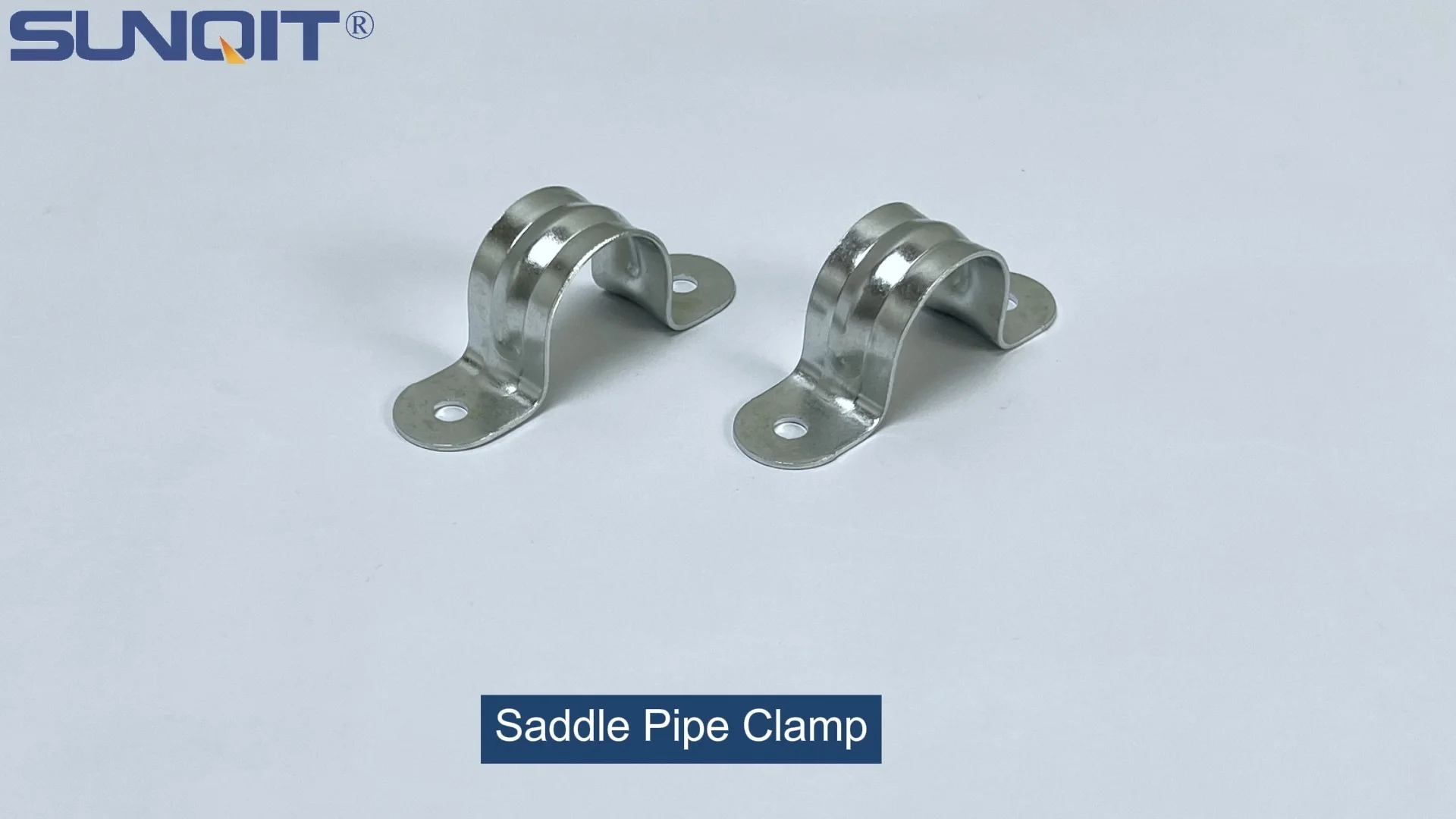
Saddle Pipe Clamp
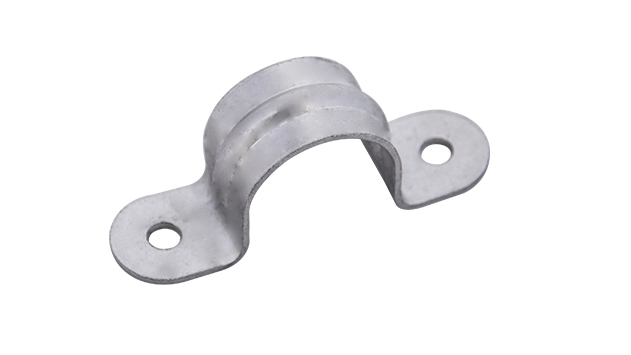
Saddle pipe clamp, used for board connect with pipe, usually for table top installation.
Walk into any busy factory, warehouse, or retail backroom, and you'll notice a silent workhorse keeping operations running smoothly: the mobile trolley. These wheeled wonders carry everything from raw materials to finished products, tools to inventory, making them indispensable in fast-paced environments. But here's the thing: a trolley is only as good as its connections. When pipes, joints, and wheels start to wobble, productivity grinds to a halt—sometimes literally. That's where the saddle pipe clamp comes in. It's not the flashiest part of the setup, but it's the unsung hero that keeps everything together, even when the trolley is bouncing over uneven floors or loaded to the brim. Let's dive into why these small but mighty clamps matter, how they work, and why they're a game-changer for anyone relying on mobile trolleys day in and day out.
Why Stable Connections Matter: The Cost of Wobbly Trolleys
Imagine pushing a trolley stacked with fragile electronics across a factory floor. You hit a small bump, and suddenly, the whole structure shifts. A pipe slips, a shelf tilts, and before you know it, products are crashing to the ground. That's not just a mess—it's a costly one. Damaged goods, delayed workflows, even safety risks for workers. But instability doesn't always lead to dramatic spills. Sometimes it's subtler: a trolley that drifts off course because the wheels aren't aligned, or a joint that loosens over time, requiring constant readjustment. These "small" issues add up. A 2023 study by the Manufacturing Efficiency Institute found that companies lose an average of 12 hours per month per facility to trolley-related downtime—much of it due to loose connections. And that's not counting the hidden costs, like worker frustration or the wear and tear on other components when the trolley isn't properly secured.
Stability isn't just about preventing accidents, though. It's about reliability. When a team knows their turnover trolley and rack won't wobble mid-transport, they move faster, with more confidence. They don't have to slow down to "baby" the trolley, and they can focus on the task at hand instead of worrying about whether the structure will hold. In industries where every second counts—like automotive assembly or e-commerce fulfillment—those saved seconds add up to big gains in productivity. So, what's the secret to that stability? More often than not, it starts with how the pipes and frames are connected. And that's where saddle pipe clamps prove their worth.
Meet the Saddle Pipe Clamp: Design That Makes a Difference
What Even Is a Saddle Pipe Clamp?
If you're not familiar with the term, let's break it down. A saddle pipe clamp is a mechanical device designed to secure two pipes (or a pipe and a frame) together at a right angle or along a straight line. Think of it like a sturdy handshake between two pieces of metal or aluminum. The "saddle" part refers to its curved, U-shaped base, which conforms to the shape of the pipe, distributing pressure evenly to prevent slipping. On top of that saddle is a clamping mechanism—usually a bolt or a screw—that tightens down, locking the pipe in place. Unlike some other clamps that might pinch or dig into the pipe (which can weaken it over time), saddle clamps are designed to grip without damaging the material. That's a big deal if you're using lightweight but strong materials like aluminum lean pipe, which can dent or bend under uneven pressure.
Materials: Durability Meets Functionality
Saddle pipe clamps aren't one-size-fits-all when it comes to materials. The best choice depends on what you're using the trolley for. Let's take a look at the most common options:
| Material | Best For | Key Benefits | Potential Drawbacks |
|---|---|---|---|
| Steel (Zinc-Plated) | Heavy-duty applications, outdoor use | Super strong, resistant to rust, affordable | Heavier than aluminum; can scratch softer pipes if over-tightened |
| Aluminum | Lightweight trolleys, clean environments (like food processing) | Lightweight, corrosion-resistant, won't rust | Not as strong as steel; better for medium loads |
| Stainless Steel | Medical facilities, chemical plants, washdown areas | Highly corrosion-resistant, easy to sanitize | More expensive than steel or aluminum |
For most factory or warehouse settings, zinc-plated steel is the go-to. It's tough enough to handle heavy loads (we're talking 500+ pounds on a well-built trolley) and stands up to the daily bumps and scrapes of industrial use. Aluminum is a favorite in industries where weight matters, like aerospace manufacturing, where every pound saved reduces strain on workers. And stainless steel? You'll find that in places where cleanliness is non-negotiable, like pharmaceutical labs, where even a little rust could contaminate products. No matter the material, the goal is the same: a clamp that holds tight, lasts long, and plays nice with the other components in your trolley setup.
How It Works: The Mechanics of a Secure Grip
The magic of a saddle pipe clamp lies in its simplicity. Let's say you're building a trolley frame using lean pipe joint s and aluminum pipes. You've got a vertical pipe that needs to connect to a horizontal crossbar. You slide the saddle clamp over the vertical pipe, position the horizontal pipe in the clamp's saddle, then tighten the bolt. As you turn the bolt, the top plate of the clamp presses down, squeezing the horizontal pipe against the vertical one. The curved saddle ensures that the pressure is spread out over a larger area, so there's no single point of stress. That even distribution is key—it prevents the pipe from deforming, which would weaken the connection over time.
But here's a pro tip: not all bolts are created equal. Many saddle clamps use hex bolts or wing nuts for easy tightening, even in tight spaces. Some higher-end models even come with lock washers or nylon-insert nuts to prevent the bolt from loosening due to vibration. If you've ever had to stop mid-task to retighten a clamp that worked itself loose, you know how valuable that feature is. It's those small design choices—like a lock washer or a rounded saddle edge—that make a clamp reliable, not just in the moment, but for months (or years) of daily use.
Working in Harmony: Saddle Pipe Clamps and Other Components
A saddle pipe clamp doesn't work alone. It's part of a team, and its performance depends on how well it pairs with other trolley components. Let's talk about two of its most important teammates: caster wheels and lean pipe joints.
Caster Wheels: The Perfect Pair for Mobility
What good is a stable frame if the trolley won't move smoothly? That's where caster wheel s come in—and they rely on saddle clamps to keep them attached to the trolley. Think about it: every time the trolley turns, stops short, or rolls over a bump, the caster wheels take a lot of force. If the clamp holding the caster mount to the frame is loose, the wheel can shift, causing the trolley to veer off course or even tip. A tight saddle clamp ensures the caster stays aligned, so the trolley moves where you want it to, when you want it to. It's especially important for swivel casters, which rotate 360 degrees. Without a secure clamp, the swivel mechanism can become misaligned, making the trolley feel "twitchy" or hard to control. I once worked with a warehouse team that was struggling with trolleys that kept "drifting" during turns. After inspecting, we realized the saddle clamps on the caster mounts were only hand-tightened. A quick tightening with a wrench, and suddenly the trolleys moved like they were on rails. Problem solved—all thanks to a clamp doing its job.
Lean Pipe Joints: Building a Flexible Framework
Modern trolleys are all about flexibility. Factories and warehouses need setups that can be reconfigured on the fly—adding a shelf here, extending a frame there. That's why many use lean pipe systems, which rely on modular lean pipe joint s to connect pipes into custom shapes. But lean joints are only as strong as the connections between them. A saddle pipe clamp adds an extra layer of security, especially at stress points like corners or where weight is concentrated (like the base of a shelf). For example, if you're building a multi-tiered turnover trolley, the joints where the vertical supports meet the horizontal rails need to handle the weight of whatever's on the shelves. A saddle clamp can reinforce that joint, preventing the pipes from twisting or pulling apart under load. It's like adding a seatbelt to a car—most of the time, the joint works fine, but when things get rough, that extra security makes all the difference.
Turnover Trolley and Rack: Where Clamps Shine
If there's one place where saddle pipe clamps really show their value, it's in turnover trolley and rack systems. These trolleys are designed to transport and store goods, often with multiple shelves or bins, and they're used constantly—loaded, unloaded, pushed, pulled, stacked. All that activity puts stress on the frame, especially the connections between pipes and shelves. A well-placed saddle clamp can secure a shelf to the vertical frame, preventing it from sliding down when the trolley is tilted (like when loading from the back). Or, it can reinforce the connection between the handlebar and the main frame, so the trolley doesn't flex when someone pulls it hard. I visited a bakery last year that used turnover trolleys to move dough trays. Their old trolleys had shelves that kept slipping, causing trays to slide and dough to spill. After retrofitting with saddle clamps to lock the shelves in place, they reported a 90% reduction in spills. It wasn't a fancy upgrade—just better clamps—but it transformed their workflow.

Applications Across Industries: From Factory Floors to Retail Backrooms
Saddle pipe clamps might seem like a niche product, but they're used in just about every industry that relies on mobile equipment. Let's take a look at a few examples:
Manufacturing: Keeping Assembly Lines Moving
In automotive or electronics manufacturing, assembly lines depend on trolleys to deliver parts to workers. These trolleys are often loaded with heavy components—think engine parts or circuit boards—and they need to stop and start quickly as the line moves. A loose clamp here could mean a part falls, jamming the line. Saddle clamps ensure the trolleys stay rigid, even when they're being maneuvered into tight spaces between workstations. Some manufacturers even use them to secure tools or power cords to the trolley frame, preventing tripping hazards. At a car parts plant in Michigan, I saw a custom trolley with a built-in tool rack, all held together with saddle clamps. The plant manager told me they hadn't had a single tool fall off in two years—unheard of before they switched to these clamps.
Warehousing and Logistics: Speed Without Sacrifice
In warehouses, especially those handling e-commerce orders, trolleys are in constant motion—picking, packing, restocking. Workers might push them for miles each day, over concrete floors that aren't always perfectly smooth. A wobbly trolley slows them down, but a stable one lets them keep pace with tight delivery deadlines. Saddle clamps are also popular in cross-docking facilities, where trolleys are loaded and unloaded multiple times per hour. The repeated lifting and shifting of weight can loosen connections, but a well-tightened saddle clamp holds firm. One logistics company I worked with reported a 15% increase in order picking speed after upgrading their trolley clamps—simply because workers no longer had to stop to adjust loose pipes or straighten shelves.
Healthcare: Clean, Quiet, and Reliable
Hospitals and clinics have unique needs: trolleys must be easy to sanitize, quiet (to avoid disturbing patients), and stable (to prevent spills of medications or samples). Stainless steel saddle clamps are a favorite here because they resist corrosion from frequent cleaning with harsh disinfectants. They also don't creak or rattle like some cheaper clamps, which is a big plus in quiet environments. A children's hospital in Texas switched to stainless steel saddle clamps on their medication trolleys, and nurses noted that the trolleys were not only more stable but also easier to wipe down—no more gunk buildup in hard-to-reach clamp crevices. It's a small change, but it made a big difference in their daily routine.

Choosing the Right Saddle Pipe Clamp: What to Look For
Not all saddle clamps are created equal, so how do you pick the right one for your needs? Here are a few key factors to consider:
Load Capacity: Know What You're Hauling
First, check the clamp's load rating. This is the maximum weight it can safely hold without slipping or bending. If you're using a trolley to carry 500-pound pallets, a lightweight aluminum clamp might not cut it—go for steel. For lighter loads, like office supplies or small parts, aluminum or even high-strength plastic could work. Most manufacturers list load capacity on the product specs, so don't skip this step. It's better to overestimate than to risk a clamp failing under stress.
Pipe Size: A Perfect Fit
Saddle clamps are designed for specific pipe diameters. A clamp made for 1-inch pipe won't work well on 0.75-inch pipe—it will be too loose, and the grip will be uneven. Measure your pipes before buying, and double-check the clamp's size compatibility. Some clamps are adjustable (with slotted holes or interchangeable saddles), which can be handy if you're using pipes of different sizes, but fixed-size clamps are usually more secure for heavy loads.
Environmental Factors: Rust, Chemicals, and Temperature
Where will the trolley be used? If it's outdoors or in a damp environment (like a food processing plant with frequent washdowns), look for corrosion-resistant materials like stainless steel or zinc-plated steel. In dry, indoor settings, aluminum might be sufficient. If the trolley will be exposed to chemicals (like in a lab), check that the clamp's material is compatible—some plastics or coatings can degrade when exposed to solvents.
Common Issues (and How to Fix Them)
Even the best clamps can run into problems if they're not installed or maintained properly. Here are a few common issues and how to solve them:
Loosening Over Time
Vibration from moving the trolley can cause bolts to loosen. The fix? Use lock washers or nylon-insert lock nuts, which resist loosening. Also, check clamps monthly and retighten if needed—it takes two minutes and can prevent a breakdown.
Pipe Damage
If a clamp is over-tightened, it can dent or scratch the pipe, weakening it. Use a torque wrench to tighten to the manufacturer's recommended setting (usually listed in foot-pounds). If you're using soft materials like aluminum, look for clamps with rubber or plastic padding on the saddle to protect the pipe.
Misalignment
If the clamp isn't aligned straight with the pipe, the pressure won't be even, and the connection will be weak. Take an extra minute to position the clamp correctly before tightening—use a level if needed to ensure the pipes are square.
Wrapping Up: The Small Part That Makes a Big Difference
At the end of the day, saddle pipe clamps might not be the first thing you think of when you picture a mobile trolley. But ask anyone who's dealt with a wobbly, unreliable setup, and they'll tell you: these small clamps are worth their weight in gold. They keep products safe, workers efficient, and operations running smoothly—all while asking for very little in return (just a quick check now and then). Whether you're building a new turnover trolley and rack , upgrading an old workbench, or just trying to fix a frustrating trolley issue, don't overlook the power of a good saddle pipe clamp. It's the kind of tool that doesn't get noticed when it's working—but you'll definitely notice when it's not. So, next time you're pushing a trolley across the floor, take a second to appreciate the clamps holding it all together. They're the unsung heroes keeping your workflow moving forward.