- Company Articles
- Products and Technology
- Product knowledge
- Saddle Pipe Clamps for Round vs. Square Pipes: Compatibility Guide

Saddle Pipe Clamps for Round vs. Square Pipes: Compatibility Guide
Related Product
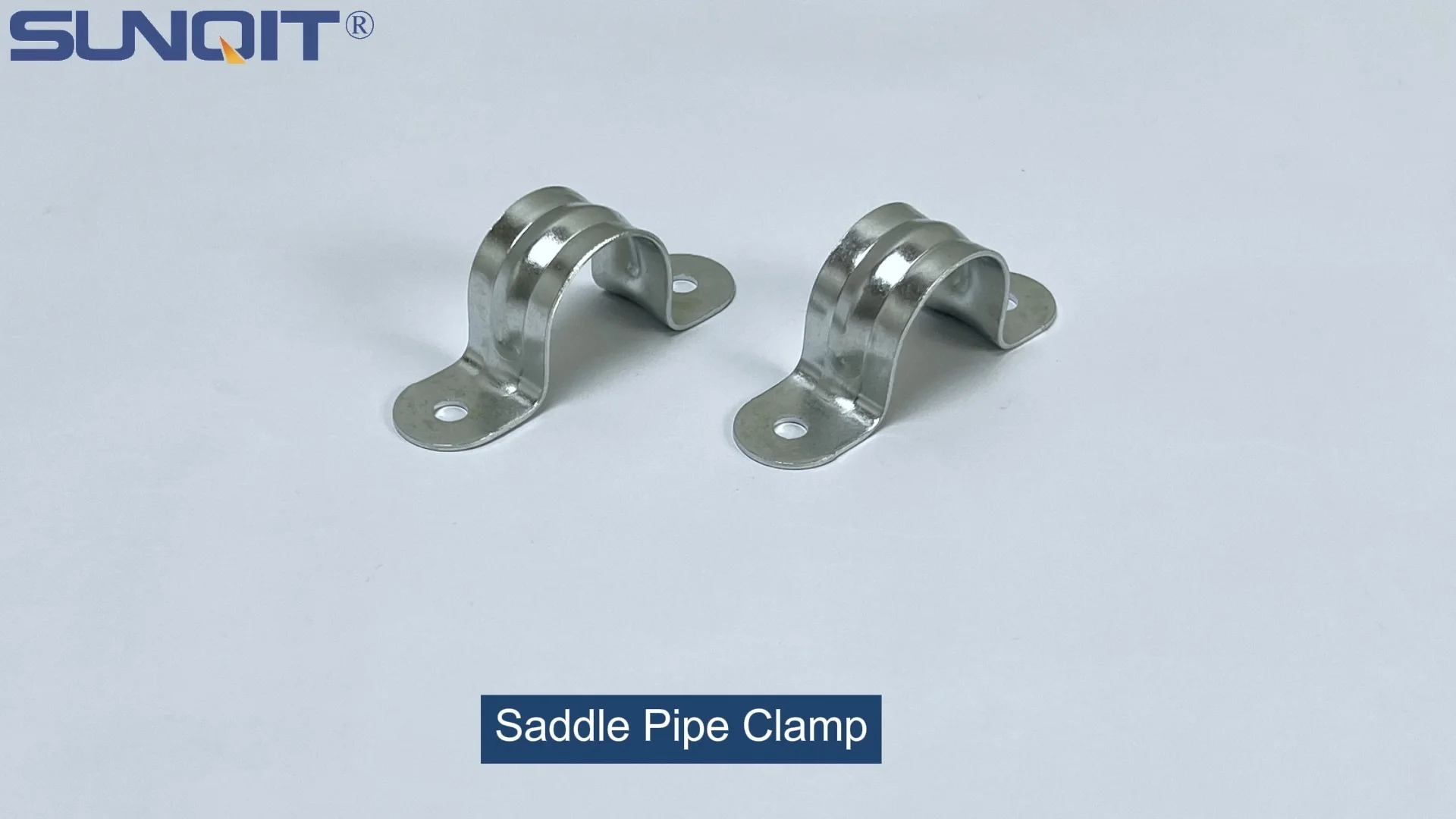
Saddle Pipe Clamp
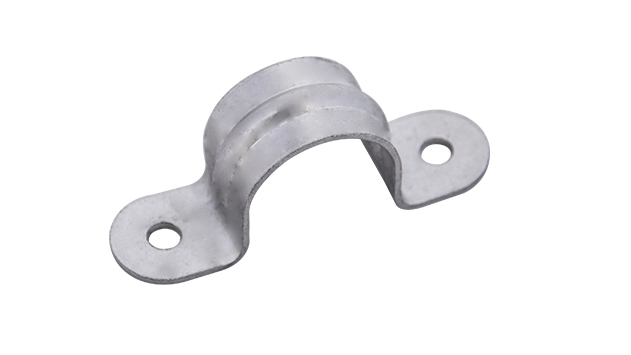
Saddle pipe clamp, used for board connect with pipe, usually for table top installation.
Walk into any workshop, manufacturing plant, or even a well-organized garage, and you'll notice a common thread: pipes. They're the silent backbone of countless setups—holding up workbenches, routing fluids, supporting conveyor systems, or framing storage racks. But here's the thing: pipes don't just "stay put" on their own. They need something to keep them stable, aligned, and secure. Enter the unsung hero of industrial hardware: the saddle pipe clamp.
Whether you're assembling a lean pipe workbench, installing a roller track for material handling, or setting up a stainless steel pipe series for a food processing line, choosing the right saddle pipe clamp can make or break your project. But here's the catch: not all pipes are created equal. Round pipes and square pipes each have their own quirks, and saddle clamps? They're not one-size-fits-all. In this guide, we'll dive into the world of saddle pipe clamps, break down how they interact with round vs. square pipes, and arm you with the knowledge to pick the perfect clamp for your setup—no guesswork required.
What Are Saddle Pipe Clamps, Anyway?
Let's start with the basics. A saddle pipe clamp is a type of hardware designed to secure pipes to surfaces like walls, floors, or other structural supports. Think of it as a "hug" for your pipes—its curved or flat "saddle" wraps around the pipe, while a base or bracket anchors it to the support. Simple, right? But don't let their simplicity fool you. These clamps play a critical role in preventing pipe movement, reducing vibration, and even protecting pipes from damage caused by friction or misalignment.
Saddle clamps come in all shapes and sizes, but most share a few key parts: the saddle (the part that touches the pipe), the base (the part that attaches to the support), and a fastening mechanism (usually bolts, screws, or clips). They're made from materials like steel, aluminum, or plastic, each suited to different environments—stainless steel for corrosion resistance, aluminum for lightweight setups, and plastic for non-conductive or low-stress applications.
What makes saddle clamps stand out from other pipe fasteners (like U-bolts or pipe straps)? Versatility. Unlike U-bolts, which require nuts on both ends and can be tricky to adjust, saddle clamps often have a single bolt or quick-release mechanism, making installation and removal a breeze. They also distribute pressure more evenly across the pipe's surface, reducing the risk of dents or cracks—especially important for delicate materials like aluminum pipe or thin-walled stainless steel.
Round Pipes vs. Square Pipes: Why Geometry Matters
Before we talk about clamps, let's get to know the stars of the show: round and square pipes. At first glance, they might seem interchangeable—both are hollow tubes used for structural support or fluid transport. But their geometry (that's just a fancy word for "shape") makes a world of difference in how they perform, and how well they pair with saddle clamps.
Round Pipes: The Smooth Operators
Round pipes are the most common type you'll encounter. They have a circular cross-section, which means their circumference is uniform all the way around. This shape gives them a few key advantages: first, they're excellent at handling internal or external pressure. Think about water pipes—their round shape distributes pressure evenly, reducing the risk of leaks or bursts. Second, round pipes are naturally resistant to twisting forces (called "torsion"), making them ideal for applications where flexibility is needed, like conveyor systems or machinery with moving parts.
But how does this affect saddle clamps? The smooth, curved surface of a round pipe means the clamp's saddle needs to match that curve perfectly. If the saddle is too flat or too curved, it won't make full contact with the pipe, leading to slippage or instability. That's why most saddle clamps for round pipes are labeled by pipe diameter (e.g., 1-inch, 2-inch) to ensure a snug fit.
Square Pipes: The Flat-Packed Workhorses
Square pipes, on the other hand, have a square or rectangular cross-section—four flat sides and four sharp corners. This geometry makes them champions of rigidity. Unlike round pipes, square pipes resist bending along their length, which is why they're often used in frames, racks, or workbenches where stability is key. Ever noticed how many lean pipe workbenches or turnover trolleys use square aluminum pipe? That's because square pipes create a sturdy, flat surface for attaching accessories like shelves or tools.
But here's the challenge for saddle clamps: square pipes don't have a uniform curve. Instead, they have flat edges and corners, which means a standard curved saddle clamp (designed for round pipes) will only make contact at the corners—leaving the flat sides unsupported. This can lead to uneven pressure, which over time can warp the pipe or loosen the clamp. For square pipes, you need a clamp with a flat or multi-sided saddle that can grip the flat surfaces evenly.
Pro Tip:
When choosing between round and square pipes, ask yourself:
What's more important—flexibility or rigidity?
Round pipes shine in dynamic setups (like roller tracks or plumbing), while square pipes rule in static, load-bearing applications (like workbenches or shelving).
Saddle Clamps and Round Pipes: A Match Made in Geometry
Round pipes and saddle clamps are like peanut butter and jelly—they're designed to work together. Let's break down why, and how to ensure a perfect pairing.
Design 101: Curved Saddles for Curved Pipes
Most saddle clamps for round pipes have a curved saddle that matches the pipe's outer diameter (OD). For example, a clamp labeled for a 1-inch round pipe will have a saddle with a 1-inch radius curve. This curve ensures that the clamp makes full contact with the pipe's surface, distributing pressure evenly and preventing slippage. Even better, many curved saddle clamps are adjustable—they can fit a range of pipe diameters (e.g., 0.75-inch to 1.25-inch) by tightening or loosening the bolt, making them a great choice if you're working with pipes of slightly varying sizes.
Material Matters: Stainless Steel vs. Aluminum
The material of both your pipe and clamp plays a big role in compatibility. Let's say you're installing a stainless steel pipe series in a brewery—you'll want a stainless steel saddle clamp to match. Why? Stainless steel resists corrosion from moisture and chemicals, ensuring your setup stays rust-free for years. On the flip side, if you're building a lightweight lean system with aluminum pipe, an aluminum clamp will keep the weight down without sacrificing strength. Mixing materials (e.g., a steel clamp on an aluminum pipe) can cause galvanic corrosion, where the two metals react chemically—so stick to matching materials when possible.
Installation Steps for Round Pipes
Installing a saddle clamp on a round pipe is straightforward, but a few steps will ensure a secure fit:
- Measure the pipe OD: Use a caliper or tape measure to get the exact diameter. Don't guess—even a 0.1-inch difference can lead to a loose clamp.
- Choose the right clamp size: If using a fixed clamp, pick one labeled for your pipe's OD. If using an adjustable clamp, check that your pipe's OD falls within the clamp's range.
- Clean the pipe surface: Dirt, grease, or rust can prevent the clamp from gripping properly. Wipe the pipe with a cloth before installing.
- Position the clamp: Place the saddle around the pipe, ensuring the curve sits flush against the pipe. Align the base with your support surface (wall, floor, etc.).
- Tighten evenly: Use a wrench to tighten the bolt(s), but don't overdo it—over-tightening can crush thin-walled pipes or strip the threads. A good rule of thumb: tighten until the clamp is snug, then give it a quarter-turn more.
Common Pitfalls to Avoid
Even with round pipes, mistakes can happen. Here are a few to watch for:
- Mismatched sizes: Using a 1-inch clamp on a 0.75-inch pipe will leave gaps, causing the pipe to wobble. Always double-check measurements.
- Ignoring material compatibility: A galvanized steel clamp on a stainless steel pipe series can cause corrosion (called "galvanic reaction"). Stick to stainless steel clamps for stainless pipes.
- Over-tightening: Thin-walled aluminum pipe or plastic pipes can crack if the clamp is too tight. If you hear a "creaking" sound, loosen the bolt slightly.

Saddle Clamps and Square Pipes: Navigating the Flat Surfaces
Square pipes are sturdy, but they require a bit more finesse when it comes to saddle clamps. Let's explore how to get a secure grip on those flat edges.
Flat Saddles and Multi-Sided Clamps: The Square Pipe Solution
For square pipes, forget the curved saddle—you need a clamp with a flat or V-shaped saddle. Flat saddle clamps have a flat surface that matches the flat sides of square pipes, ensuring full contact. V-shaped clamps, on the other hand, grip the pipe at the corners, using the square's natural angles to hold it in place. Some advanced clamps even have adjustable jaws that can switch between flat and V-shaped, making them versatile for both square and rectangular pipes.
Another option is a "universal" saddle clamp, which has a flexible or modular saddle that can conform to both round and square pipes. These are great if you're working with mixed pipe types, but they're often bulkier than dedicated square or round clamps—keep that in mind if space is tight.
Material Pairings for Square Pipes
Square pipes are often made of aluminum (for lightweight setups) or steel (for heavy loads). For aluminum square pipe, an aluminum saddle clamp is ideal—it's lightweight, corrosion-resistant, and won't scratch the pipe's surface. For steel square pipes, a stainless steel or galvanized steel clamp will provide the strength needed to hold heavy loads. If you're using a square pipe in a wet environment (like a car wash or brewery), opt for a stainless steel pipe series clamp to prevent rust.
Installation Tips for Square Pipes
Installing a saddle clamp on a square pipe is similar to round pipes, but with a few tweaks for the flat surfaces:
- Measure the pipe's side length: For square pipes, you'll need the length of one flat side (e.g., 2-inch square pipe has 2-inch sides). For rectangular pipes, measure both width and height.
- Choose a flat or V-shaped saddle: Ensure the saddle's flat surface matches the pipe's side length, or the V-shape fits snugly in the corner.
- Align with the flat sides: For flat saddle clamps, position the saddle so it covers the entire flat side of the pipe—don't let it hang off the edges.
- Use anti-slip pads (if needed): If the pipe is smooth (like polished aluminum), adding a rubber or silicone pad between the saddle and pipe can improve grip and prevent scratches.
- Tighten in stages: If the clamp has two bolts (common for large square pipes), tighten them alternately—half a turn on one, then half a turn on the other—to ensure even pressure.
Fun Fact:
Many lean system suppliers now offer "hybrid" saddle clamps designed specifically for square aluminum pipe. These clamps often have built-in slots or holes for attaching accessories like roller track guides or tool hooks—perfect for custom workbenches!

The Compatibility Table: Round vs. Square Pipes at a Glance
To make it easy, here's a quick reference table comparing saddle clamp compatibility with round and square pipes:
| Feature | Round Pipes | Square Pipes |
|---|---|---|
| Clamp Saddle Design | Curved to match pipe OD | Flat, V-shaped, or multi-sided |
| Best Clamp Materials | Stainless steel (for corrosion), aluminum (lightweight) | Aluminum (for aluminum pipe), steel (heavy loads) |
| Contact Surface Area | High (full curve contact) | Medium to high (flat or corner contact) |
| Common Applications | Roller tracks, plumbing, conveyor systems | Workbenches, racks, frames, lean pipe systems |
| Installation Difficulty | Easy (curved saddle self-centers on pipe) | Moderate (requires alignment with flat sides) |
| Key Compatibility Risk | Mismatched diameter | Uneven pressure on flat sides |
Real-World Scenarios: Saddle Clamps in Action
Let's put this knowledge to work with a few real-world examples:
Scenario 1: Building a Lean Pipe Workbench
You're assembling a lean pipe workbench for your workshop, using square aluminum pipe for the frame. You need to secure the vertical legs to the horizontal crossbars. For this, a flat saddle clamp made of aluminum is perfect—it will grip the square pipe's flat sides, keeping the frame rigid. Pair it with aluminum profile accessories like corner brackets for extra stability, and you've got a workbench that can handle tools, parts, and daily use without wobbling.
Scenario 2: Installing a Roller Track for Material Handling
Your factory needs a roller track to move boxes from one station to another. The track uses 1-inch round stainless steel pipe (part of a stainless steel pipe series) for durability. For this, a curved saddle clamp with a stainless steel body is ideal. The curved saddle will hug the round pipe, ensuring the roller track stays aligned even when loaded with heavy boxes. Adjustable clamps are a plus here, as they can accommodate slight variations in pipe diameter due to welding or manufacturing.
Scenario 3: Setting Up a DIY Shelving Unit
You're building garage shelves using square steel pipe. To mount the shelves to the wall, you need to secure the vertical pipes. A V-shaped saddle clamp will grip the square pipe's corners, providing a secure hold. Since steel pipe is heavy, opt for a steel clamp with a thick base—this will distribute the weight across the wall and prevent the clamp from pulling out of the drywall.
Troubleshooting Common Compatibility Issues
Even with careful planning, you might run into issues. Here's how to fix the most common problems:
Problem: Clamp Slipping on Round Pipe
Cause: Mismatched clamp size, dirty pipe surface, or under-tightening.
Solution: Check the clamp size against the pipe OD. Clean the pipe with alcohol or degreaser. Tighten the clamp until snug, then add a quarter-turn. If slipping persists, try an adjustable clamp with a rubber-lined saddle for extra grip.
Problem: Clamp Damaging Square Pipe Corners
Cause: Using a sharp-edged clamp on thin-walled square pipe, or over-tightening.
Solution: Switch to a clamp with rounded edges or add a plastic sleeve over the pipe corners. Loosen the clamp slightly—you want it tight enough to hold, not tight enough to indent the pipe.
Problem: Corrosion Between Clamp and Pipe
Cause: Mixing dissimilar metals (e.g., steel clamp on aluminum pipe).
Solution: replace with a clamp of the same material as the pipe (aluminum clamp for aluminum pipe, stainless steel for stainless steel pipe series). If mixing is unavoidable, separate the metals with a dielectric grease or plastic washer.
Final Thoughts: Clamp Smarter, Not Harder
At the end of the day, saddle pipe clamps are all about compatibility. Round pipes need curved clamps, square pipes need flat or V-shaped clamps, and both need the right material pairing to ensure longevity. By taking the time to measure your pipes, choose the right saddle design, and follow installation best practices, you'll create a setup that's secure, efficient, and built to last.
Whether you're a seasoned factory manager ordering parts from a lean pipe supplier or a DIY enthusiast building a home project, remember: the right clamp isn't just a hardware choice—it's an investment in safety and reliability. So next time you reach for a saddle pipe clamp, take a moment to think about your pipe's shape, material, and purpose. Your future self (and your pipes) will thank you.