- Company Articles
- Products and Technology
- Product knowledge
- Saddle Pipe Clamps for Small-Diameter Pipes: Solutions for Precision Manufacturing

Saddle Pipe Clamps for Small-Diameter Pipes: Solutions for Precision Manufacturing
Related Product
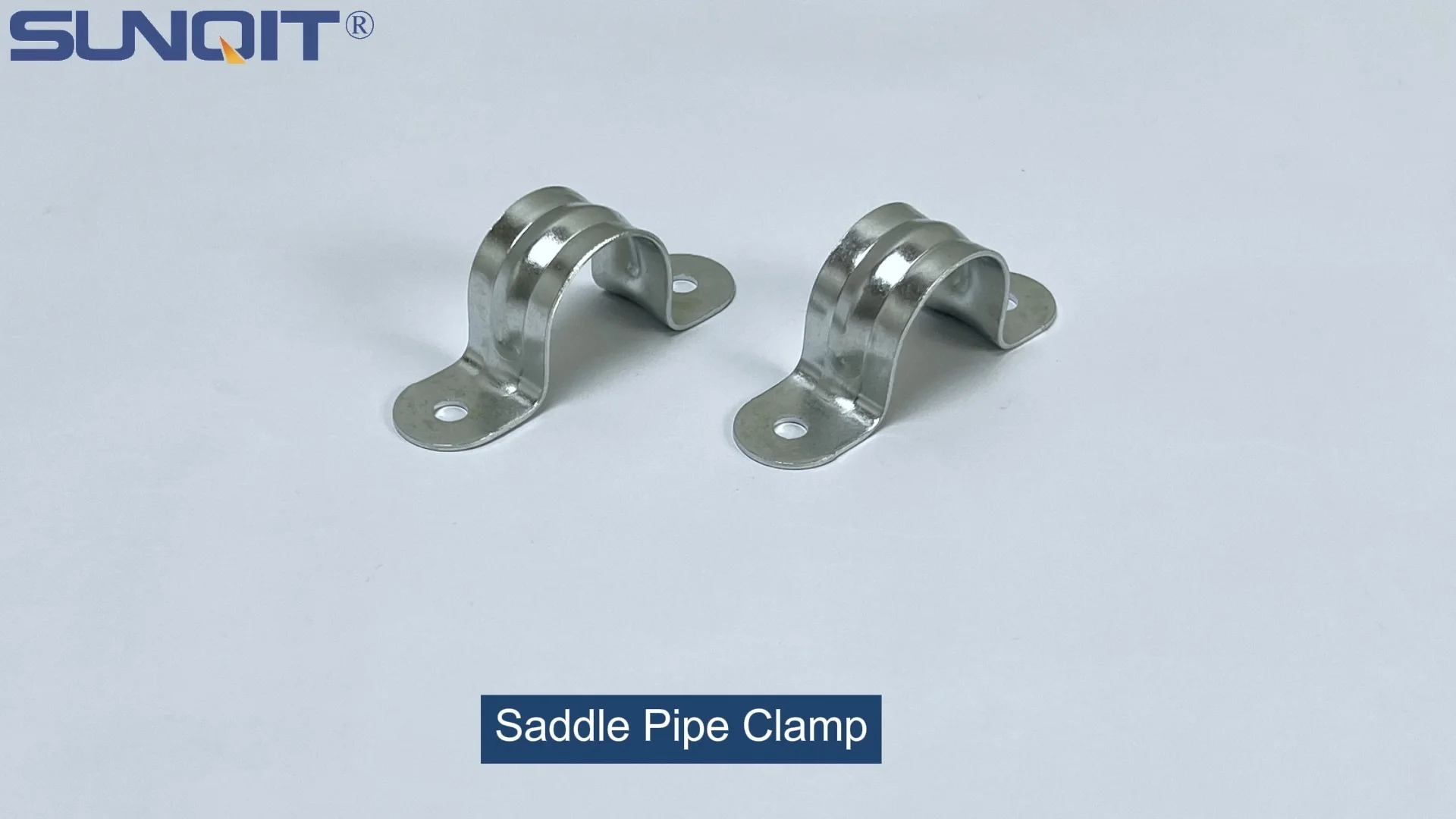
Saddle Pipe Clamp
Saddle pipe clamp, used for board connect with pipe, usually for table top installation.
The Unsung Heroes of the Factory Floor
Walk into any precision manufacturing facility, and you'll notice a symphony of movement: robotic arms gliding, conveyors humming, workers assembling components with meticulous care. In this orchestrated chaos, the smallest details can make or break productivity. Take, for instance, the unassuming pipes that crisscross the factory floor—some no thicker than a thumb—holding tools, guiding materials, or supporting workbenches. If one of these pipes shifts even a fraction of an inch, the entire line could grind to a halt. That's where saddle pipe clamps step in: quiet, reliable, and indispensable.
Small-diameter pipes (typically ranging from 0.5 to 2 inches) are everywhere in modern manufacturing. They frame assembly stations, support lighting systems, guide airflow in cleanrooms, and even hold delicate circuit boards in place during testing. But their size makes them tricky: too rigid a mounting system risks damaging the pipe, while a loose fit invites instability. Saddle pipe clamps solve this paradox by balancing strength and flexibility, ensuring pipes stay put without compromising their integrity. For engineers and floor managers, they're not just tools—they're the silent guardians of uptime.
What Are Saddle Pipe Clamps, Anyway?
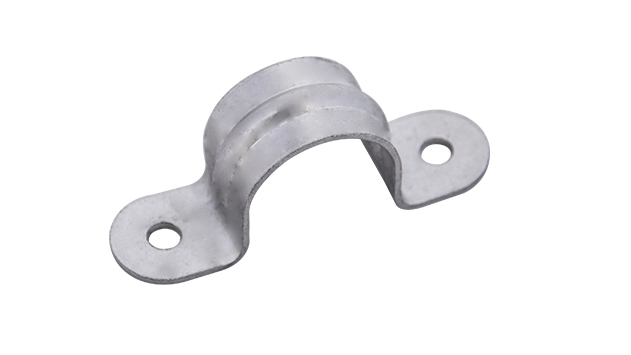
At first glance, a saddle pipe clamp might look like little more than a curved piece of metal or plastic with a few holes. But its design is deceptively clever. The "saddle" refers to the curved upper portion, which mirrors the circumference of a pipe, distributing pressure evenly across its surface. Below the saddle, a flat base (or sometimes a flanged edge) attaches to a surface—whether that's a workbench, a metal frame, or an aluminum profile . Most clamps use bolts, screws, or quick-release levers to tighten the saddle around the pipe, creating a secure grip that resists sliding, twisting, or vibration.
What sets saddle clamps apart from other pipe fasteners (like U-bolts or pipe straps) is their focus on precision. U-bolts, for example, use two bolts to cinch a metal loop around a pipe, but they can dig into softer materials or create uneven pressure points. Saddle clamps, by contrast, cradle the pipe, reducing stress on its walls. This makes them ideal for small-diameter pipes, which are more prone to bending or cracking under concentrated force. Think of it as the difference between hugging someone gently and squeezing them too tight—one is supportive, the other is harmful.
Why Small-Diameter Pipes Demand Special Attention
Imagine trying to secure a garden hose to a fence with a rope versus using a purpose-built clamp. The rope might work temporarily, but it'll slip when the hose is moved, or fray the hose over time. Small-diameter pipes face similar challenges in manufacturing. They're often used in dynamic environments: on moving assembly lines, in areas with frequent temperature changes, or where workers adjust equipment daily. A poorly secured pipe can lead to everything from minor annoyances (like a wobbly tool holder) to major disasters (like a pipe falling onto a conveyor belt mid-production).
Saddle pipe clamps address these issues by offering three key benefits:
- Even Pressure Distribution: The curved saddle spreads force across the pipe's surface, preventing dents or cracks—critical for materials like aluminum pipe , which is lightweight but softer than steel.
- Adjustability: Many saddle clamps are designed to fit a range of pipe diameters (e.g., 0.5 to 1 inch), reducing the need for multiple clamp sizes and simplifying inventory.
- Vibration Resistance: In factories with heavy machinery, constant shaking can loosen fasteners. Saddle clamps, when paired with lock washers or rubber liners, stay tight, even in noisy environments.
For industries like electronics manufacturing, where pipes might hold static-sensitive components, non-conductive saddle clamps (made from plastic or coated aluminum) add an extra layer of safety, preventing electrostatic discharge (ESD) that could ruin microchips. It's these small, thoughtful details that make saddle clamps a staple in precision settings.

Materials Matter: Choosing the Right Saddle Pipe Clamp
Not all saddle pipe clamps are created equal. The material you choose depends on your environment, pipe type, and load requirements. Let's break down the most common options:
| Material | Best For | Key Benefits | Considerations |
|---|---|---|---|
| Steel (Zinc-Plated) | Heavy-duty applications, steel pipes, high-load scenarios | High strength, affordable, corrosion-resistant (zinc coating) | Heavier than aluminum; may scratch soft pipes like copper |
| Aluminum | Aluminum pipe systems, cleanrooms, lightweight setups | Lightweight, corrosion-resistant, non-magnetic | Less strength than steel; not ideal for extreme loads |
| Plastic (Nylon/Polypropylene) | ESD-sensitive areas, low-load pipes, chemical exposure | Non-conductive, rust-proof, gentle on soft pipes | Not for high temperatures or heavy weights |
| Stainless Steel | Food processing, pharmaceuticals, marine environments | Extreme corrosion resistance, durable in wet conditions | More expensive than steel or aluminum |
For most general manufacturing applications, aluminum saddle clamps paired with aluminum pipe are a winning combo. Aluminum is lightweight, easy to work with, and resists the oils, coolants, and cleaning agents common on factory floors. Plus, using aluminum clamps with aluminum pipes avoids galvanic corrosion—a chemical reaction that occurs when dissimilar metals (like steel and aluminum) touch in moist environments. It's a small detail, but one that can extend the life of a pipe system by years.

Lean Manufacturing Loves Saddle Pipe Clamps (Here's Why)
In the world of lean pipe systems—where the goal is to eliminate waste, improve flow, and adapt quickly to change—flexibility is king. Lean pipe (also called "kitchen pipe" or "flexible pipe") systems use modular pipes and joints to build everything from workbenches to material racks, reconfiguring on the fly as production needs shift. Saddle pipe clamps are the glue that holds these systems together, allowing pipes to be added, removed, or repositioned without welding or drilling.
Picture a lean manufacturing cell where workers assemble smartphone chargers. One week, demand spikes, and the line needs an extra material rack. With lean pipe and saddle clamps, the team can build the rack in hours, securing pipes with clamps that attach to existing aluminum profiles on the workbench. The next week, when the product design changes, they can disassemble the rack, reuse the pipes and clamps elsewhere, and avoid waste. This agility is why lean pipe systems are a cornerstone of modern manufacturing—and why saddle clamps are their unsung partners.
Saddle clamps also shine in 5S environments (Sort, Set in Order, Shine, Standardize, Sustain), where organization is critical. By securing pipes neatly to walls or workbenches, they reduce clutter, making it easier for workers to find tools and move efficiently. A place for everything, and everything in its place—saddle clamps help turn that 5S mantra into reality.
From Workbenches to Assembly Lines: Real-World Applications
To truly appreciate saddle pipe clamps, let's look at how they're used in everyday manufacturing scenarios:
1. Electronics Assembly Workbenches: A typical workbench in a circuit board factory might have small-diameter aluminum pipes framing its edges, holding LED task lights, anti-static wristband hooks, and tool organizers. Saddle clamps attach these pipes to the workbench's aluminum profile frame, ensuring they stay stable even when workers lean on them or adjust tools. Since electronics assembly demands precision, the clamps must hold pipes perfectly level—no wobbling, no slipping.
2. Material Flow Systems: In automotive plants, small-diameter steel pipes often guide lightweight parts (like plastic trim pieces) from one station to the next using gravity-fed roller tracks. Saddle clamps secure these pipes to the tracks, maintaining a consistent slope so parts glide smoothly. If a clamp loosens, the pipe dips, and parts get stuck—stalling the line. Regular inspections of clamps (and quick replacements when needed) keep the flow uninterrupted.
3. Cleanroom Environments: Pharmaceutical manufacturers use small-diameter stainless steel pipes to circulate filtered air in cleanrooms. Saddle clamps here must be corrosion-resistant (to handle frequent sanitization) and non-shedding (to avoid contaminating products). Stainless steel clamps with smooth, polished surfaces fit the bill, keeping pipes secure without introducing particles into the air.
4. Lean Pipe Storage Racks: Warehouses attached to factories often use lean pipe racks to store small parts bins. These racks are built from lightweight steel pipes, secured with saddle clamps to uprights. The clamps allow workers to adjust shelf heights quickly, accommodating bins of different sizes without tools. It's a simple solution that makes inventory management faster and more efficient.
Choosing the Right Saddle Clamp: A Quick Guide
With so many options, how do you pick the perfect saddle pipe clamp for your project? Start with these questions:
- What's the pipe material and diameter? Match the clamp material to the pipe (e.g., aluminum clamps for aluminum pipes) to avoid corrosion. Measure the pipe's outer diameter (OD) to ensure the clamp's saddle size fits.
- How much weight will the pipe support? A clamp holding a 2-pound light fixture needs less strength than one supporting a 50-pound tool holder. Check the clamp's load rating (usually listed by manufacturers).
- What's the environment like? If the area is wet (like a food processing plant), opt for stainless steel or plastic. For ESD-sensitive areas, choose non-conductive plastic.
- Will you need to adjust the pipe later? Quick-release clamps (with levers instead of bolts) save time for setups that change often, while bolted clamps offer more permanence.
When in doubt, consult with a supplier who specializes in lean pipe and material handling systems. They can recommend clamps based on your specific needs, even providing samples for testing in your facility. It's better to invest a little time upfront than to deal with failed clamps (and costly downtime) later.
Troubleshooting Common Saddle Clamp Headaches
Even the best clamps can run into issues. Here's how to solve the most common problems:
Problem: The clamp keeps loosening. Vibration is usually the culprit. Try adding a lock washer between the bolt and the clamp, or switch to a clamp with a rubber-lined saddle (the rubber grips the pipe and dampens vibration). If the surface you're mounting to is uneven, use shims under the clamp's base to ensure full contact.
Problem: The pipe is getting scratched. This often happens with steel clamps on soft pipes (like copper or aluminum). Switch to an aluminum or plastic clamp, or look for steel clamps with a vinyl coating on the saddle. The coating acts as a buffer, protecting the pipe's surface.
Problem: The clamp doesn't fit the pipe snugly. Double-check the pipe's OD against the clamp's specifications—many clamps are labeled for a range (e.g., "1–1.25 inch"), but if your pipe is at the lower end of the range, the fit might be loose. Some manufacturers offer insert sleeves (small rubber or plastic rings) that line the saddle, reducing the effective diameter for a tighter grip.
The Future of Saddle Pipe Clamps: Innovation in the Details
As manufacturing evolves—with more automation, smarter factories, and a focus on sustainability—saddle pipe clamps are evolving too. Here's what to watch for:
Smart Clamps with Sensors: Imagine a clamp that sends an alert to a factory's IoT system when it starts to loosen, allowing maintenance teams to fix it before it fails. Early prototypes use tiny strain gauges in the saddle to detect changes in pressure, promising to reduce unplanned downtime.
Eco-Friendly Materials: Manufacturers are experimenting with recycled plastics and bio-based composites for clamps, aligning with sustainability goals. These materials still offer good strength and corrosion resistance, making them viable for light to medium-duty applications.
Modular Designs: Some companies are creating clamps with interchangeable saddles, so one base can work with multiple pipe sizes by swapping out the curved top piece. This reduces inventory costs and makes clamps more adaptable to changing production needs.
Final Thoughts: The Power of the "Small" Solution
Saddle pipe clamps might not grab headlines like the latest industrial robot or AI-powered quality control system, but they're every bit as critical to manufacturing success. They're a reminder that precision manufacturing isn't just about big, flashy technologies—it's about the small, reliable details that keep the world's factories running. From securing a workbench 's lighting to keeping a lean pipe system stable, saddle clamps do the hard work quietly, so everyone else can focus on what matters: building better products, faster.
So the next time you walk through a factory, take a moment to look down (or up, or sideways). Chances are, you'll spot a small-diameter pipe, held steady by a saddle clamp. And now, you'll know: that little clamp is more than a piece of metal or plastic. It's a silent partner in precision.