- Company Articles
- Products and Technology
- Application Cases
- Saddle Pipe Clamps in 5S Workplace Organization: Keeping Pipes Secure & Tidy

Saddle Pipe Clamps in 5S Workplace Organization: Keeping Pipes Secure & Tidy
Related Product
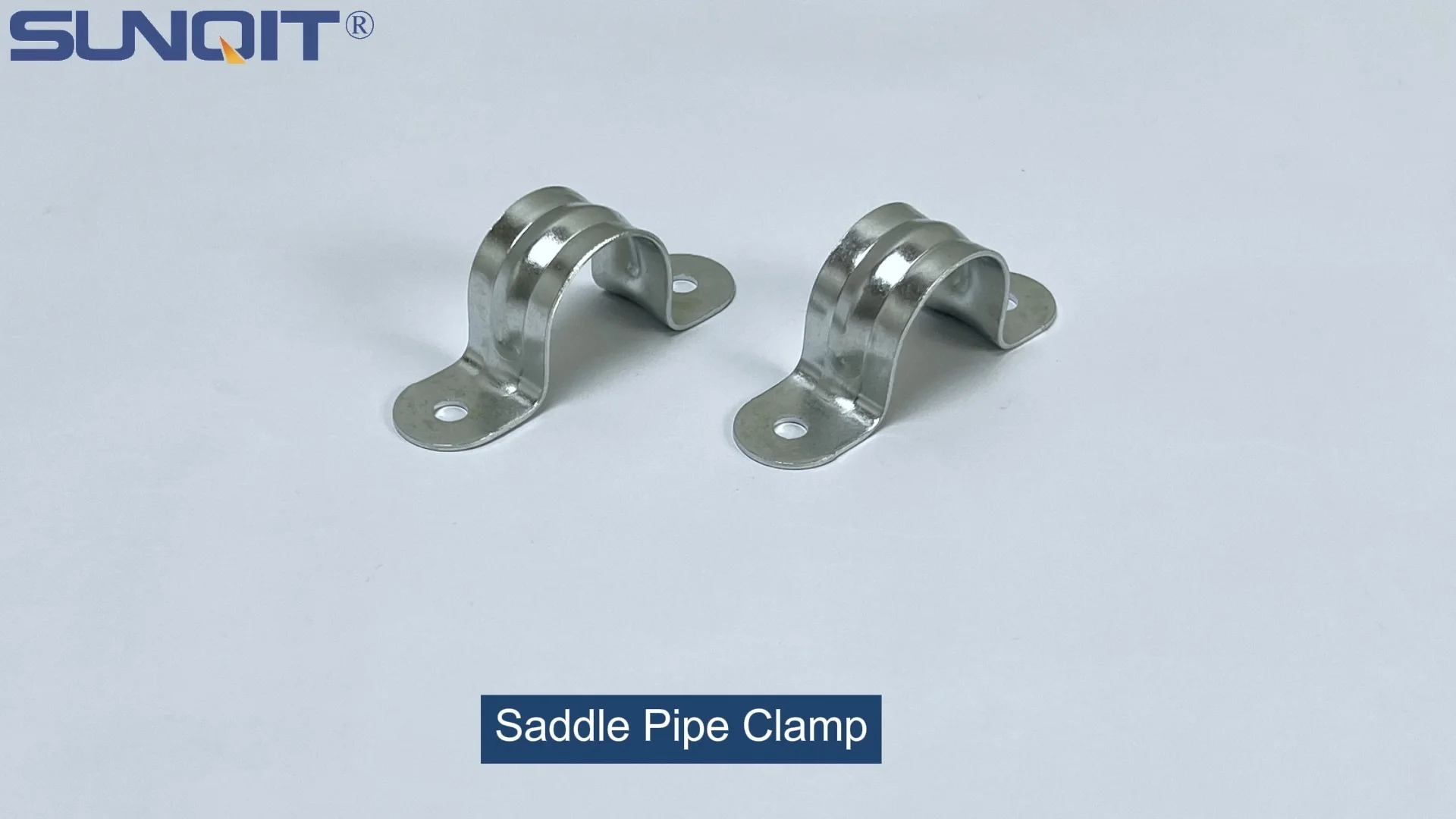
Saddle Pipe Clamp
Saddle pipe clamp, used for board connect with pipe, usually for table top installation.
Walk into any busy manufacturing plant, warehouse, or workshop, and you'll quickly notice one thing: pipes are everywhere. They snake along walls, run under workbenches, and connect machines, carrying materials, air, or electricity. But when these pipes are left unorganized—dangling loosely, tangled, or haphazardly propped up—they don't just look messy. They become tripping hazards, collect dust and debris, and slow down workflows. This is where 5S workplace organization comes in, and at the heart of this system lies an unsung hero: the saddle pipe clamp. In this article, we'll explore how these simple yet effective tools transform chaotic workspaces into models of efficiency, supporting every pillar of 5S while ensuring pipes stay secure, accessible, and out of the way.
What is 5S Workplace Organization?
Before diving into saddle pipe clamps, let's first understand the foundation they support: 5S. Originating from Japan, 5S is a methodology designed to create and maintain a clean, organized, and efficient workplace. The name comes from the five Japanese words that guide the process—Seiri (Sort), Seiton (Set in Order), Seiso (Shine), Seiketsu (Standardize), and Shitsuke (Sustain)—all starting with the letter "S." When implemented correctly, 5S reduces waste, improves safety, and boosts productivity by turning chaos into structure. Let's break down each "S" to see why they matter:
Sort (Seiri): The first step is separating what's necessary from what's not. In a workshop, this might mean removing broken tools, obsolete materials, or unused pipes that clutter the space. The goal? Keep only what's essential to daily operations.
Set in Order (Seiton): Once you've sorted, it's time to arrange the remaining items so they're easy to find and use. Think labeled shelves, designated tool hooks, and yes—pipes secured in a way that anyone can grab what they need without rummaging.
Shine (Seiso): A clean workspace is a safe and efficient one. Shine focuses on regular cleaning to prevent dust, grime, and spills from building up. This includes wiping down surfaces, sweeping floors, and ensuring equipment (and pipes!) are free of debris.
Standardize (Seiketsu): Consistency is key to maintaining order. Standardize means creating rules and routines—like where pipes should be clamped, how tools are stored, or how often cleaning happens—so everyone follows the same system.
Sustain (Shitsuke): The final step is making 5S a habit. It's not enough to organize once; teams must commit to maintaining the system long-term through training, audits, and accountability.
Now, where do saddle pipe clamps fit into all this? Let's take a closer look at these unassuming tools and how they become the backbone of 5S success.
Saddle Pipe Clamps: The Basics
At first glance, a saddle pipe clamp might seem simple: a curved "saddle" that wraps around a pipe, secured in place with bolts or screws. But don't let its simplicity fool you. These clamps are engineered to solve a critical problem: keeping pipes stable, organized, and out of the way. Let's break down their design, materials, and types to understand why they're indispensable in 5S environments.
Design: The core of a saddle pipe clamp is its curved "saddle" portion, which is shaped to fit the outer diameter of a pipe, ensuring a snug, non-slip grip. Most clamps have two holes on either side of the saddle, allowing them to be bolted to surfaces like walls, workbenches, or aluminum profiles. Some designs include rubber or plastic liners to protect the pipe from scratches and reduce vibration—a small detail that makes a big difference in longevity.
Materials: Saddle pipe clamps are built to withstand the demands of industrial settings, so materials matter. Common options include stainless steel (resistant to rust and corrosion, ideal for damp environments), galvanized steel (strong and affordable for dry workshops), and even plastic-coated steel (for extra protection against scratches). For specialized needs, like in cleanrooms or electronics manufacturing, you might find clamps made from non-conductive materials to support ESD workbench setups.
Types: Not all pipes are the same, so clamps come in varieties to match. Fixed clamps are designed for pipes that rarely move, providing a permanent, rock-solid hold. Adjustable clamps, on the other hand, have slotted holes or movable saddles, making them perfect for pipes of varying diameters or setups that need occasional reconfiguration. There are also heavy-duty clamps for thick, industrial pipes and lightweight options for smaller, more delicate tubing—like the aluminum pipe used in lean system setups.
Now that we know what saddle pipe clamps are, let's explore how they bring each 5S principle to life.
How Saddle Pipe Clamps Support Each 5S Principle
5S isn't just about tidying up—it's about creating a system that works. Saddle pipe clamps play a role in every step, turning abstract principles into tangible results. Let's walk through each "S" and see how these clamps make a difference.
1. Sort: Cutting the Clutter
In a disorganized workshop, pipes often become "junk drawers on legs"—stuffed with extra lengths, broken pieces, and forgotten scraps. During the Sort phase, teams ask: "Do we really need this pipe?" Saddle pipe clamps help answer that question by making it easy to identify which pipes are in use. When active pipes are securely clamped in place, unused ones stand out like sore thumbs—dangling, leaning, or taking up space. This clarity makes it simple to remove unnecessary pipes, freeing up valuable floor and wall space for tools and materials that actually get used.
For example, imagine a workbench area where three pipes once hung loosely from the ceiling. After clamping the two active pipes (one for compressed air, one for cable management) to the wall, the third—an old, leaky water pipe—becomes obvious. With the active pipes secured, the team can safely remove the unused one, reducing clutter and eliminating a potential tripping hazard.
2. Set in Order: Creating a "Home" for Every Pipe
Once the necessary pipes are identified, Set in Order demands they have a designated "home." This is where saddle pipe clamps shine. Instead of pipes leaning against walls, coiled on the floor, or tangled under workbenches, clamps fix them in specific, labeled locations. Need to access the air hose? It's clamped 18 inches above the left corner of the workbench. Cable management pipe? Clamped horizontally along the back wall, 3 feet from the floor. This organization means no more hunting for the right pipe—everyone knows exactly where to find it, saving time and frustration.
In lean system setups, where efficiency is everything, this precision is critical. For instance, a production line might use roller tracks to move materials between stations. The pipes that support these roller tracks need to be perfectly aligned to keep the workflow smooth. Saddle pipe clamps ensure the tracks' support pipes are fixed at the exact height and angle, preventing sagging or misalignment that could slow down production. When every pipe has a clamped "home," the entire workspace feels intentional and easy to navigate.
3. Shine: Cleaning Made Simple
A cluttered workspace is hard to clean—dust collects under tangled pipes, grime builds up on loose tubing, and spills get trapped in hard-to-reach corners. Shine, the third S, aims to keep the workplace spotless, and saddle pipe clamps make this infinitely easier. When pipes are clamped securely to walls or workbenches, there's no gap between the pipe and the surface for dirt to hide. Mops, brooms, and cleaning cloths can glide right underneath, and spills can be wiped up without moving heavy pipes.
Consider a workshop floor where a loose pipe once lay across a corner. Before clamping, cleaning that area meant moving the pipe, sweeping, then moving it back—a 10-minute task. After clamping the pipe to the wall, the floor is clear, and cleaning takes 30 seconds. Over weeks and months, those saved minutes add up, letting teams focus on more important work than wrestling with pipes during cleanup.
4. Standardize: Consistency Across the Workplace
Standardize is about making the organized workspace repeatable. If one workbench has pipes clamped 12 inches high and another has them at 24 inches, confusion sets in. Saddle pipe clamps help create uniformity by establishing clear rules: "All air pipes will be clamped 24 inches above the floor, using stainless steel saddle clamps." "Cable management pipes will use adjustable plastic-coated clamps to prevent scratching." These standards ensure that no matter which station or shift a worker is on, the pipe setup looks and functions the same way.
For example, a manufacturing plant with five assembly lines can standardize roller track support pipes by clamping them at the same height (36 inches) and spacing (2 feet apart) across all lines. This consistency means new employees can learn the system once and apply it anywhere, reducing training time and errors. It also makes troubleshooting easier—if a roller track misaligns, the team knows to check the clamped support pipes first, since they're all set up the same way.
5. Sustain: Keeping Order for the Long Haul
Sustain is the hardest 5S principle—maintaining the system after the initial organization. Without tools to keep pipes in place, it's easy for old habits to return: a pipe gets bumped, a clamp comes loose, and suddenly, chaos creeps back. Saddle pipe clamps prevent this by making disorganization "hard." Once a pipe is clamped, it takes effort to move it—you'd need a wrench to loosen the bolts, not just a nudge with your foot. This friction against messiness helps teams stick to the system, ensuring the workspace stays organized long after the initial 5S push.
In one warehouse, after clamping all utility pipes to the ceiling beams, the team noticed a shift in behavior. Previously, workers would occasionally drag loose pipes across the floor to "temporarily" reach a new workstation. With clamped pipes, that "temporary" solution became impossible—they'd have to unclamp, move, and re-clamp the pipe, which took time. Instead, they started planning ahead, requesting proper pipe extensions or using flexible hoses when needed. Over time, this accountability turned organization into a habit, not a one-time project.
Practical Applications: Where Saddle Pipe Clamps Make the Biggest Impact
Saddle pipe clamps aren't just theoretical—they solve real problems in everyday workspaces. Let's explore three common areas where they're indispensable: workbenches, roller tracks, and lean system setups.
Workbenches: Decluttering the Heart of the Workshop
Workbenches are the command centers of any workshop—where assembly happens, tools are used, and materials are prepped. But they're also magnets for clutter, especially when pipes (for air, power, or tools) hang overhead or snake across the surface. Saddle pipe clamps transform workbenches by taming these pipes, freeing up space for tools and tasks.
For example, a mechanic's workbench might have a compressed air hose, a power strip, and a vacuum line. Without clamps, these could dangle into the workspace, getting tangled in tools or knocking over parts. By clamping the air hose to the back of the bench (12 inches from the edge) and the power strip pipe under the shelf (6 inches from the front), the work surface stays clear. This not only reduces frustration but also makes the bench safer—no more tripping over hoses or knocking over cups of lubricant with a swinging pipe.
Roller Tracks: Keeping Materials Flowing Smoothly
Roller tracks are the highways of lean manufacturing, moving parts and materials between workstations. But their efficiency depends on stability—if the tracks sag or shift, materials get stuck, slowing down production. Saddle pipe clamps secure the aluminum or steel pipes that support these tracks, ensuring they stay level and aligned. Whether the track is moving small electronics or heavy automotive parts, clamped support pipes prevent wobbling, bending, or misalignment, keeping the workflow steady.
In a food packaging facility, for instance, a roller track carries plastic trays from the filling station to the sealing station. The track's support pipes, clamped every 3 feet to steel beams, ensure the trays glide smoothly. Without clamps, the pipes might flex under the weight of the trays, causing jams. With clamps, the track stays rigid, and the line runs without interruptions—saving the team from constant troubleshooting.
Lean System Setups: Efficiency from Floor to Ceiling
Lean systems thrive on minimizing waste—of time, space, and materials. Saddle pipe clamps support this by organizing pipes in ways that maximize space and reduce downtime. In a lean cell (a self-contained production unit), pipes for utilities, cables, and material transport are often routed along walls, ceilings, or aluminum profiles. Clamps ensure these pipes take the shortest, most efficient path, avoiding unnecessary bends or detours. This not only saves space but also reduces the risk of leaks, snags, or damage to pipes.
For example, a lean cell producing smartphone components might use aluminum profiles to frame the workspace. Saddle pipe clamps attach utility pipes to these profiles, keeping them close to the cell and out of walkways. The compressed air pipe runs vertically along the left profile, the cable management pipe horizontally along the top, and both are clamped securely. This setup minimizes pipe length (reducing waste) and keeps the cell's interior open for workers and equipment.
Choosing the Right Saddle Pipe Clamps: A Quick Guide
Not all saddle pipe clamps are created equal. To get the most out of your 5S efforts, you need the right clamp for the job. Here's a breakdown of key factors to consider, plus a comparison of common types:
| Clamp Type | Material | Best For | Key Benefit | Consideration |
|---|---|---|---|---|
| Fixed Saddle Clamp | Stainless Steel | Pipes that never move (e.g., permanent air lines) | Rock-solid hold; resists rust | Not adjustable—must match pipe diameter exactly |
| Adjustable Saddle Clamp | Galvanized Steel | Pipes of varying diameters (e.g., temporary cable management) | Flexible fit; works with multiple pipe sizes | May loosen over time with vibration—check bolts regularly |
| Plastic-Coated Saddle Clamp | Steel with PVC coating | Delicate pipes (e.g., fiber optic cables) or ESD workbench setups | Prevents scratches; non-conductive option available | Coating can wear off with heavy use |
| Heavy-Duty Saddle Clamp | Thick-Gauge Steel | Large, heavy pipes (e.g., industrial water lines) | Supports high weight without bending | Heavier and bulkier—requires stronger mounting surfaces |
When choosing clamps, start by measuring your pipes' diameters and noting their weight. Then, consider the environment: Is it damp? Go for stainless steel. Near electronics? Plastic-coated or non-conductive options might be better. Finally, think about adjustability—will you need to reposition the pipe later? If so, an adjustable clamp is worth the investment.
Conclusion: Small Tool, Big Impact
In the world of 5S workplace organization, saddle pipe clamps are the quiet achievers. They don't grab headlines like high-tech machinery or flashy software, but they're the backbone of an organized, efficient workspace. By supporting every 5S principle—Sort, Set in Order, Shine, Standardize, Sustain—these simple tools turn chaos into clarity, clutter into space, and frustration into focus.
Whether you're setting up a new workbench, optimizing a roller track, or fine-tuning a lean system, saddle pipe clamps deserve a spot on your 5S toolkit. They're proof that sometimes, the smallest changes make the biggest difference. So the next time you walk into a workshop and marvel at its order, take a closer look—you might just spot the saddle pipe clamps holding it all together.