- Company Articles
- Products and Technology
- Product knowledge
- Saddle Pipe Clamps in Aerospace Manufacturing: Precision & Reliability Requirements

Saddle Pipe Clamps in Aerospace Manufacturing: Precision & Reliability Requirements
Related Product
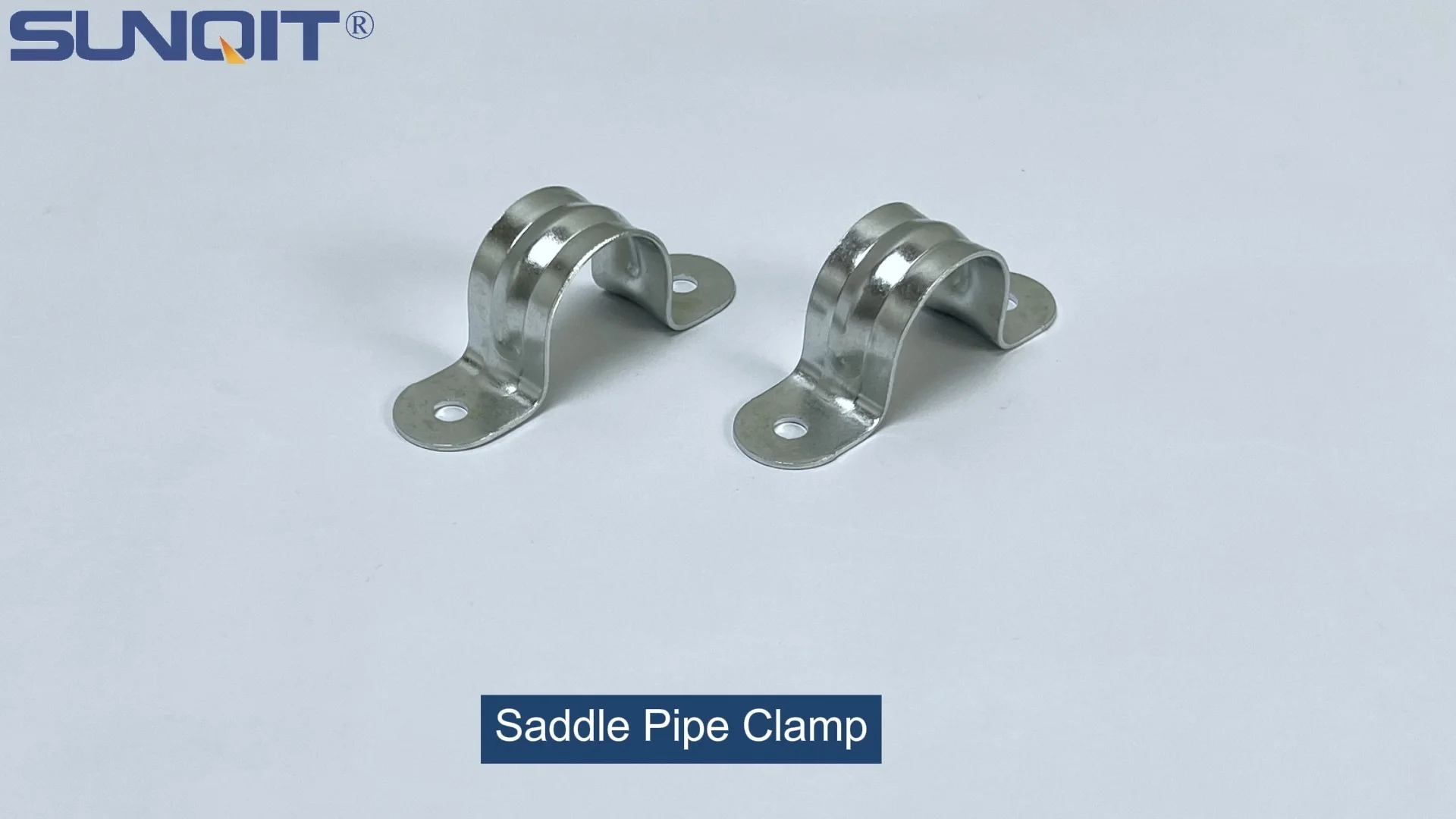
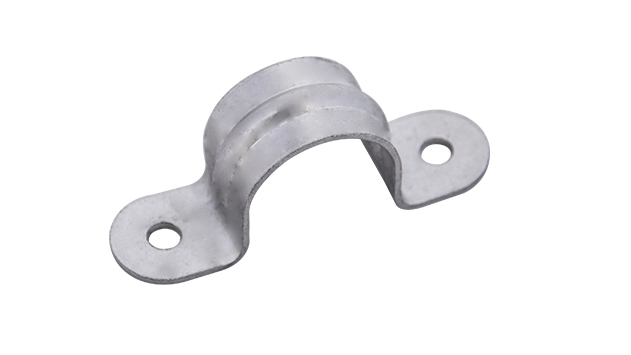
Saddle Pipe Clamp
Saddle pipe clamp, used for board connect with pipe, usually for table top installation.
In the high-stakes world of aerospace manufacturing, where every component must perform flawlessly under extreme conditions, even the smallest parts carry enormous responsibility. Among these unsung heroes are saddle pipe clamps—unassuming yet critical components that secure pipes, tubes, and hoses in everything from commercial airliners to spacecraft. While they may not grab headlines like jet engines or avionics systems, saddle pipe clamps play a vital role in ensuring the integrity of fluid and gas systems, electrical wiring, and structural supports. In an industry where a single failure can have catastrophic consequences, the precision and reliability of these clamps are non-negotiable. This article explores why saddle pipe clamps are indispensable in aerospace manufacturing, the rigorous standards they must meet, and how they contribute to the safety, efficiency, and innovation that define modern aerospace engineering.
Understanding Saddle Pipe Clamps: The Basics
At their core, saddle pipe clamps are mechanical devices designed to secure cylindrical objects—typically pipes, tubes, or hoses—to a fixed structure, such as a frame, bulkhead, or workbench. Their "saddle" shape, which conforms to the outer diameter of the tube, distributes clamping force evenly to prevent slippage, vibration-induced wear, or damage to the tube itself. Unlike rigid brackets or simple zip ties, saddle clamps are engineered to balance holding strength with flexibility, accommodating thermal expansion, vibration, and minor misalignments without compromising stability.
In aerospace applications, saddle pipe clamps are used across a wide range of systems. They secure hydraulic lines that actuate landing gear and flight control surfaces, fuel lines that deliver jet fuel to engines, coolant tubes that regulate temperature in avionics bays, and even electrical conduits that carry power and data throughout the aircraft. In each case, the clamp must not only hold the tube in place but also isolate it from excessive vibration, which can cause fatigue failure over time, and protect it from abrasion against other components.
Aerospace-grade saddle pipe clamps come in various designs, including single-saddle, double-saddle, and heavy-duty models, each tailored to specific tube sizes, load requirements, and installation environments. Some feature rubber or silicone inserts to dampen vibration and prevent metal-to-metal contact, while others are designed for high-temperature applications, such as engine compartments, where standard materials would degrade. The choice of design depends on factors like the tube's diameter, the fluid or gas it carries, operating temperature ranges, and the level of vibration the system is exposed to.
Why Aerospace Demands Uncompromising Standards
Aerospace manufacturing is governed by a simple yet unforgiving principle: there is no room for error. Aircraft and spacecraft operate in environments that push materials and components to their limits—extreme temperature fluctuations (from -60°C at high altitudes to 120°C near engines), rapid pressure changes, constant vibration, and exposure to corrosive elements like salt spray (for marine-based operations) or ozone. In this context, a failed saddle pipe clamp isn't just a minor inconvenience; it could lead to fluid leaks, system failures, or even loss of control.
Regulatory bodies like the Federal Aviation Administration (FAA), European union Aviation Safety Agency (EASA), and NASA enforce strict standards to mitigate these risks. For example, the FAA's Part 25 regulations for transport category aircraft mandate that all components must be "reliable and meet the applicable airworthiness standards," with no single failure leading to a hazardous condition. Similarly, EASA's CS-25 requires components to demonstrate "adequate strength, rigidity, and durability" under all foreseeable operating conditions. These standards trickle down to even the smallest parts, including saddle pipe clamps, which must undergo rigorous testing and certification before they can be used in aerospace applications.
The cost of non-compliance is staggering. A single in-flight failure due to a faulty clamp could result in emergency landings, fleet groundings, or costly recalls. In 2016, for instance, a major airline grounded over 100 aircraft after discovering that a supplier had provided substandard fuel line clamps, leading to millions of dollars in losses and reputational damage. Beyond financial costs, there's the human factor: aerospace manufacturers have a moral obligation to ensure the safety of passengers, crew, and ground personnel. This is why every saddle pipe clamp used in aerospace is held to standards far stricter than those in automotive or industrial applications.
Materials Matter: The Role of Stainless Steel Pipe Series and Aluminum Profile
The performance of a saddle pipe clamp begins with its material. In aerospace, where durability and resistance to harsh environments are paramount, the choice of material is critical. Two materials stand out for their widespread use: stainless steel (from the stainless steel pipe series) and aluminum profile, each offering unique advantages depending on the application.
Stainless steel, particularly grades like 316L, is a staple in aerospace saddle pipe clamps. Renowned for its exceptional corrosion resistance, high tensile strength, and durability, 316L stainless steel withstands exposure to saltwater, humidity, and aggressive fluids like jet fuel and hydraulic oil. Its resistance to pitting and crevice corrosion makes it ideal for applications near coastal airports or in marine environments. Additionally, stainless steel maintains its mechanical properties across a wide temperature range (-270°C to 870°C), ensuring stability in both cryogenic fuel systems and high-heat engine compartments. For heavy-duty applications, such as securing large-diameter hydraulic lines in landing gear assemblies, stainless steel clamps provide the rigidity and strength needed to withstand extreme loads.
Aluminum profile, on the other hand, is favored for applications where weight reduction is a priority. Aerospace engineering is obsessed with weight—every kilogram saved translates to lower fuel consumption, increased payload capacity, and extended range. Aluminum alloys like 6061-T6 offer an excellent strength-to-weight ratio, with tensile strengths comparable to some steels but at roughly one-third the weight. This makes aluminum profile clamps ideal for interior systems, such as cabin air conditioning ducts or lightweight fluid lines, where corrosion risks are lower and weight savings are critical.
To better understand the trade-offs between these materials, consider the following comparison of key properties relevant to aerospace applications:
| Material Type | Tensile Strength (MPa) | Corrosion Resistance | Weight (g/cm³) | Typical Aerospace Applications |
|---|---|---|---|---|
| Stainless Steel (316L) | 485–650 | Excellent (resists saltwater, chemicals) | 7.98 | Fuel lines, hydraulic systems, engine compartments |
| Aluminum Alloy (6061-T6) | 240–310 | Good (requires anodizing for harsh environments) | 2.70 | Cabin air ducts, electrical conduits, lightweight fluid lines |
| Titanium Alloy (Ti-6Al-4V) | 895–965 | Exceptional (resists corrosion, high temperatures) | 4.43 | High-performance systems (e.g., spacecraft, military jets) |
| Composite (Carbon Fiber Reinforced Polymer) | 1,500–3,000 (varies by weave) | Outstanding (non-metallic, no corrosion) | 1.50–2.00 | Advanced aircraft (e.g., Boeing 787, Airbus A350) for weight-critical systems |
While titanium and composites offer compelling benefits, their high cost limits widespread use. For most aerospace applications, stainless steel and aluminum profile remain the workhorses, balancing performance, cost, and availability. Regardless of the material, however, all saddle pipe clamps must undergo rigorous material testing, including chemical composition analysis, mechanical property verification, and microstructure examinations, to ensure they meet aerospace specifications.

Design Precision: The Engineering Behind Reliable Clamps
In aerospace manufacturing, "close enough" is never good enough—especially when it comes to saddle pipe clamps. A clamp that is even a fraction of a millimeter too loose can allow a tube to vibrate, leading to fatigue cracks; one that is too tight can crush the tube or restrict thermal expansion, causing leaks or material failure. This is why design precision is paramount, with engineers focusing on three key areas: dimensional accuracy, clamping force distribution, and compatibility.
Dimensional accuracy starts with the clamp's saddle shape. The radius of the saddle must match the outer diameter of the tube exactly to ensure full contact. For example, a clamp designed for a 12mm diameter tube must have a saddle radius of 6mm ± 0.05mm—no more, no less. This precision ensures that the clamp distributes stress evenly across the tube's surface, avoiding stress concentrations that could lead to cracking. Modern manufacturing techniques like CNC machining and 3D printing have revolutionized this process, allowing for tolerances as tight as ±0.01mm, far beyond what was possible with traditional casting or forging methods.
Clamping force is another critical factor. Too little force, and the tube may slip; too much, and the tube could deform or the clamp itself could fail. Engineers calculate the optimal clamping force based on the tube's material, wall thickness, and the operating environment. For example, a stainless steel fuel line in an engine compartment, exposed to high vibration, requires a higher clamping force than a lightweight aluminum air duct in the cabin. To achieve this, clamps often feature adjustable designs, such as bolted or spring-loaded mechanisms, that allow for precise torque application during installation. Torque specifications are tightly controlled—typically to within ±5% of the target value—to ensure consistency across assemblies.
Compatibility is equally important. Aerospace systems often use tubes of varying materials, sizes, and configurations, so saddle pipe clamps must be versatile enough to accommodate these differences. Modular designs, where the same base clamp can be fitted with interchangeable saddle inserts, are increasingly popular. For example, a single clamp frame might accept inserts for 10mm, 12mm, and 15mm tubes, reducing inventory costs and simplifying assembly. Additionally, clamps must be compatible with the mounting surface—whether it's a metal bulkhead, composite panel, or aluminum profile workbench—to ensure secure attachment without damaging the structure.

Saddle Pipe Clamps in Lean System Integration
Aerospace manufacturing isn't just about building reliable products—it's also about building them efficiently. In recent decades, the industry has embraced lean system principles, focusing on eliminating waste, improving workflow, and reducing costs while maintaining quality. Saddle pipe clamps, with their modularity and durability, play a surprisingly important role in this effort, contributing to leaner, more agile production processes.
One of the key tenets of lean manufacturing is minimizing waste, and saddle pipe clamps help achieve this in several ways. First, their durability reduces the need for frequent replacements, cutting down on material waste and inventory costs. Unlike disposable zip ties or plastic clips, which may degrade over time or break during installation, high-quality metal clamps can withstand the entire lifecycle of the aircraft, from production to decommissioning. Second, their modular design supports quick reconfiguration of assembly lines. In a lean system, flexibility is critical—manufacturers must be able to adapt to changes in production volumes, model variants, or design updates. Saddle pipe clamps, which can be easily adjusted or moved, allow workers to reposition tubes and hoses on the fly, reducing downtime and improving throughput.
Workbench setups are a prime example of this integration. In aerospace assembly facilities, workbenches are often customized to specific tasks, such as installing hydraulic lines in a wing section or routing electrical conduits in a fuselage. Saddle pipe clamps mounted on aluminum profile workbenches help organize tubes and hoses, keeping them secure and accessible during assembly. This not only speeds up the production process but also reduces errors—workers can clearly see and access each component, minimizing the risk of misconnections or damage. Additionally, because the clamps are reusable, workbenches can be quickly reconfigured for different tasks, supporting the lean principle of "just-in-time" production.
Another area where saddle pipe clamps contribute to lean systems is in maintenance and repair. In aerospace, downtime is costly, so anything that speeds up maintenance is invaluable. Saddle pipe clamps with tool-less designs, such as quick-release levers or snap-on mechanisms, allow technicians to remove and reinstall tubes in minutes, rather than hours. This reduces aircraft turnaround times and lowers maintenance costs, aligning with the lean goal of maximizing value while minimizing waste.
Testing and Certification: Ensuring Aerospace-Grade Performance
Even the most well-designed saddle pipe clamp is worthless if it can't prove its performance under real-world conditions. This is why aerospace-grade clamps undergo some of the most rigorous testing in the manufacturing industry, designed to simulate the extreme environments they will face in service. These tests are not just about meeting regulatory requirements—they're about building trust between manufacturers, suppliers, and end-users that the clamp will perform when it matters most.
One of the most critical tests is the tensile strength test, which measures how much force the clamp can withstand before breaking or deforming. For aerospace applications, clamps must typically withstand tensile loads of 500–1,000 N (newtons) or more, depending on their size and application. This ensures that even under maximum vibration or sudden shocks—such as during turbulence or a hard landing—the clamp won't fail. Testing is done using specialized machines that apply force gradually until the clamp reaches its breaking point, with results recorded and analyzed to ensure consistency across production batches.
Corrosion resistance testing is equally important, especially for clamps used in marine or high-humidity environments. The salt spray test, conducted in accordance with ASTM B117, exposes clamps to a mist of 5% sodium chloride solution at 35°C for 1,000+ hours. After exposure, the clamps are inspected for signs of rust, pitting, or degradation. Aerospace-grade stainless steel clamps should show no visible corrosion after this test, while aluminum clamps (which are often anodized) may show minor discoloration but no structural damage. For even harsher environments, such as those encountered by military aircraft or offshore helicopters, clamps may undergo additional tests like the cyclic corrosion test, which alternates between salt spray, humidity, and drying phases to simulate real-world weathering.
Vibration testing is another staple of aerospace certification. Using shaker tables, clamps are subjected to sinusoidal or random vibration across a range of frequencies (10–2,000 Hz) and amplitudes, simulating the vibration patterns of jet engines, propellers, or turbulence. The goal is to ensure that the clamp remains secure and that the tube does not experience excessive movement, which could lead to fatigue failure. Engineers monitor the clamp's performance using accelerometers and strain gauges, looking for signs of loosening, cracking, or wear. A clamp that passes this test can be trusted to perform in even the most vibration-prone parts of an aircraft.
Thermal cycling is the final major test, designed to simulate the extreme temperature fluctuations aerospace components face. Clamps are exposed to temperatures ranging from -60°C to 150°C (or higher for engine components) in rapid cycles, with each cycle lasting 30–60 minutes. This test checks for material fatigue, as repeated expansion and contraction can cause metals to weaken over time. After hundreds of cycles, the clamps are inspected for cracks, deformation, or loss of clamping force. Only those that maintain their performance throughout are certified for aerospace use.
Beyond these physical tests, manufacturers must also adhere to strict quality management systems, such as AS9100 (the aerospace-specific version of ISO 9001). AS9100 requires suppliers to document every step of the manufacturing process, from raw material sourcing to final inspection, ensuring traceability and accountability. This level of transparency gives aerospace manufacturers confidence that the clamps they're using meet the highest standards—and in an industry where trust is everything, that's priceless.
The Future of Saddle Pipe Clamps in Aerospace
As aerospace technology continues to evolve, so too will the demands placed on saddle pipe clamps. Emerging trends like electric aviation, hypersonic flight, and reusable spacecraft are pushing the boundaries of what's possible, requiring clamps that can withstand even more extreme conditions. At the same time, advances in materials science and manufacturing are opening up new possibilities for innovation, from lighter, stronger clamps to "smart" clamps that can monitor their own performance.
One of the most exciting developments is the use of advanced composites. Carbon fiber reinforced polymers (CFRPs) and ceramic matrix composites (CMCs) offer strength-to-weight ratios far exceeding those of traditional metals, making them ideal for next-generation aerospace systems. For example, a CFRP saddle pipe clamp could weigh 50% less than a stainless steel clamp while offering comparable strength, a game-changer for electric aircraft where weight directly impacts battery range. Additionally, composites are inherently corrosion-resistant, eliminating the need for protective coatings and reducing maintenance costs. While challenges like high production costs and difficulty in machining still exist, ongoing research is making composite clamps increasingly viable for mainstream aerospace use.
Smart clamps are another area of growth. With the rise of the Internet of Things (IoT) and predictive maintenance, there's growing interest in clamps embedded with sensors that can monitor temperature, vibration, clamping force, and corrosion in real time. These sensors would transmit data to a central system, alerting maintenance crews to potential issues before they become failures. For example, a clamp on a fuel line could detect a slight loosening of the bolt and trigger a maintenance alert, preventing a leak. While this technology is still in its early stages, prototypes have shown promise, and it's likely we'll see smart clamps in commercial aerospace within the next decade.
3D printing, or additive manufacturing, is also transforming clamp design. Traditional manufacturing methods like machining or casting are limited by design constraints—complex geometries are often too expensive or time-consuming to produce. 3D printing eliminates these limitations, allowing engineers to create clamps with optimized shapes, such as lattice structures that reduce weight while maintaining strength, or internal channels for cooling in high-temperature applications. Additionally, 3D printing enables on-demand production, reducing inventory costs and allowing for rapid customization. For example, a manufacturer could 3D print a custom clamp for a one-of-a-kind spacecraft component in a matter of hours, rather than waiting weeks for a tooled part.
Finally, sustainability is becoming a key driver in aerospace, and saddle pipe clamps are no exception. Manufacturers are increasingly focused on reducing the environmental impact of their products, from using recycled materials to designing clamps for easy disassembly and recycling at the end of their lifecycle. Aluminum profile clamps, for example, are highly recyclable, with nearly 95% of aluminum scrap being reused to make new products. Similarly, stainless steel clamps can be recycled indefinitely without losing quality. As the aerospace industry moves toward net-zero emissions, these sustainable design practices will become even more important.
Choosing the Right Supplier: A Partnership in Precision
In aerospace manufacturing, the quality of your components is only as good as the supplier who makes them. This is especially true for saddle pipe clamps, where a single substandard part can compromise an entire system. Choosing the right supplier is therefore a critical decision—one that requires careful consideration of not just price, but also technical expertise, quality control, and a commitment to aerospace standards.
Technical expertise is the foundation of any reliable supplier. Aerospace saddle pipe clamps are not commodity products; they require specialized knowledge of materials, design, and testing. A good supplier should have a team of engineers with experience in aerospace applications, who can work with you to customize clamps for your specific needs. For example, if you're designing a clamp for a hypersonic vehicle that will experience temperatures above 1,000°C, the supplier should be able to recommend high-temperature materials like Inconel or ceramic composites and validate their performance through testing.
Quality control is another non-negotiable factor. Look for suppliers with certifications like AS9100, which ensures they follow strict quality management practices, from raw material sourcing to final inspection. Ask about their testing protocols—do they conduct in-house testing, or do they rely on third-party labs? Can they provide test reports for each batch of clamps? Transparency is key; a reputable supplier will be happy to share their quality control processes and documentation.
Reliability and scalability are also important. Aerospace production schedules are tight, and delays due to component shortages can be costly. Choose a supplier with a proven track record of on-time delivery, even during peak demand. Additionally, consider their ability to scale production—if your needs increase, can they ramp up manufacturing without sacrificing quality? A supplier with multiple production facilities or flexible manufacturing processes is better equipped to handle fluctuations in demand.
Finally, look for a supplier who views the relationship as a partnership, not just a transaction. Aerospace manufacturing is a collaborative process, and your supplier should be willing to work with you through design iterations, provide technical support, and offer insights into new materials or manufacturing techniques. For example, a supplier might suggest switching from a stainless steel clamp to an aluminum profile clamp to reduce weight, or recommend a new 3D printing process that improves dimensional accuracy. This level of collaboration can lead to better products, lower costs, and faster time-to-market.
In the end, saddle pipe clamps may be small, but their impact on aerospace manufacturing is enormous. They are a testament to the industry's commitment to precision, reliability, and innovation—qualities that have allowed us to reach for the skies and beyond. As aerospace technology continues to advance, so too will the role of these unassuming components, ensuring that the next generation of aircraft and spacecraft are safer, more efficient, and more capable than ever before. For manufacturers, engineers, and suppliers, the message is clear: when it comes to saddle pipe clamps, good enough is never enough. The sky—and beyond—demands better.