- Company Articles
- Products and Technology
- Product knowledge
- Saddle Pipe Clamps in Food Processing: Hygienic Design for Clean Production

Saddle Pipe Clamps in Food Processing: Hygienic Design for Clean Production
Related Product
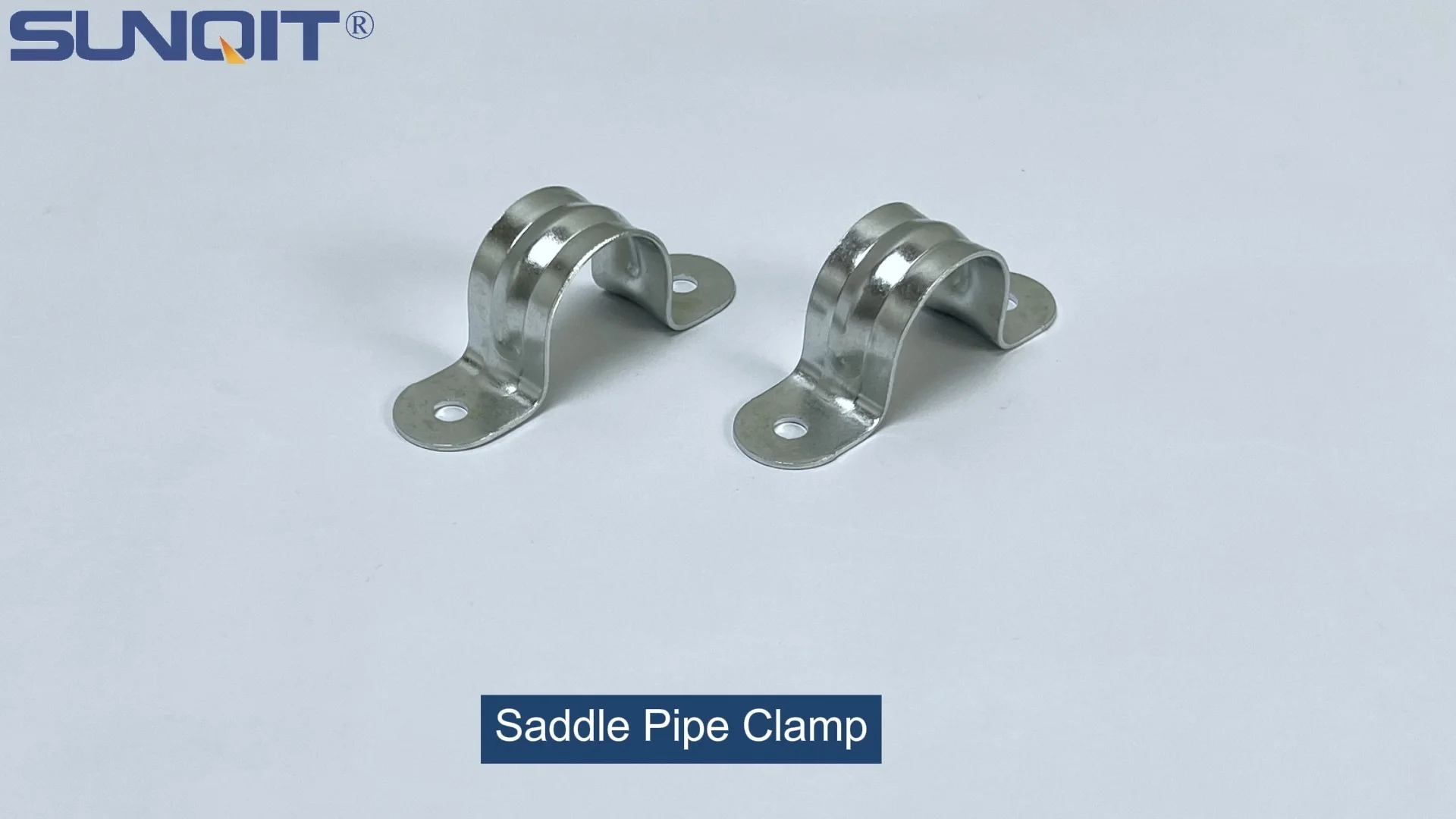
Saddle Pipe Clamp
Saddle pipe clamp, used for board connect with pipe, usually for table top installation.
In the fast-paced world of food processing, where safety and efficiency walk hand in hand, even the smallest components play a starring role. Today, we're shining a light on an unsung hero: the saddle pipe clamp. Often overlooked, these humble devices are critical in maintaining hygienic standards, streamlining operations, and ensuring that every product that leaves your facility is safe for consumption. Let's dive into how saddle pipe clamps, paired with stainless steel pipe series and integrated into lean systems, are revolutionizing clean production lines.
The Stakes of Hygiene in Food Processing: Why Every Detail Counts
Imagine walking through a busy food processing plant: the hum of machinery, the scent of fresh ingredients, and teams working tirelessly to package products that will end up on kitchen tables worldwide. Now, consider this: according to the World Health Organization, an estimated 600 million people fall ill every year from contaminated food, with 420,000 losing their lives. Behind these staggering numbers often lie gaps in equipment design—tiny crevices where bacteria thrive, materials that corrode and flake, or components that are impossible to clean thoroughly.
Regulatory bodies like the FDA and the European union's Food Safety Authority (EFSA) have responded with stringent standards, such as the FDA's Current Good Manufacturing Practices (cGMP) and EU Regulation (EC) No 10/2011. These guidelines aren't just boxes to tick; they're lifelines for consumer trust and brand reputation. For food processors, compliance means scrutinizing every piece of equipment, from massive mixers to the smallest fasteners. And that's where saddle pipe clamps come into play.
Key Insight: Hygiene in food processing isn't just about cleaning—it's about designing equipment that prevents contamination in the first place. Saddle pipe clamps, when chosen and installed correctly, act as a first line of defense against bacterial growth and cross-contamination.
Saddle Pipe Clamps 101: What Are They, and Why Do They Matter?
At their core, saddle pipe clamps are mechanical devices used to secure pipes, hoses, and tubing to surfaces like walls, workbenches, or machinery. Think of them as the "seatbelts" for your facility's piping systems—keeping everything in place while withstanding vibrations, temperature changes, and the constant movement of production lines. But in food processing, their role goes beyond mere stability: they must also be designed to resist contamination and facilitate easy cleaning.
A typical saddle pipe clamp consists of three parts: the "saddle," a curved piece that hugs the pipe; a base plate that attaches to the mounting surface; and fasteners (like bolts or screws) that tighten the two together. The magic lies in the details: the shape of the saddle, the material of the clamp, and the finish of its surface. In food processing, a poorly designed clamp can become a breeding ground for Listeria or E. coli—undoing hours of hard work in maintaining clean operations.
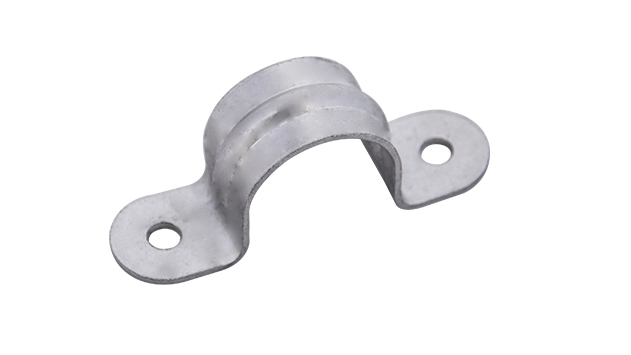
Stainless Steel Pipe Series: The Gold Standard for Hygienic Clamping
When it comes to materials for saddle pipe clamps in food processing, one option stands head and shoulders above the rest: stainless steel. Specifically, the stainless steel pipe series—known for its corrosion resistance, durability, and ease of sanitization—has become the industry standard. Let's break down why:
Corrosion Resistance: Food processing environments are harsh. From acidic ingredients like citrus juices to high-pressure washdowns with caustic cleaners, pipes and clamps face a daily onslaught. Stainless steel, with its chromium oxide layer, forms a self-healing barrier against rust and corrosion. Unlike galvanized steel, which can chip and expose underlying metal, or plastic, which may degrade under heat, stainless steel holds strong, ensuring that no flaking material ends up in your product.
Smooth, Non-Porous Surface: Bacteria love hiding in tiny pores or rough surfaces. Stainless steel pipe series clamps are typically finished with a #4 polish or electropolished surface, which is smooth to the touch and leaves no room for microbes to take hold. This makes them a breeze to clean—whether you're wiping them down with a sanitizing cloth or running them through a CIP (Clean-In-Place) system.
To put this into perspective, let's compare stainless steel with other common materials used in pipe clamps:
| Material | Corrosion Resistance | Ease of Cleaning | Bacterial Risk | Food Industry Suitability |
|---|---|---|---|---|
| Stainless Steel (304/316) | Excellent—resists acids, alkalis, and moisture | High—smooth surface allows easy wipe-downs and CIP compatibility | Low—non-porous, no crevices for bacterial growth | Highly Suitable |
| Galvanized Steel | Poor—zinc coating chips easily, leading to rust | Low—rough surface and potential rust pockets trap debris | High—corroded areas become bacterial hotspots | Not Recommended |
| Plastic (PVC/PP) | Moderate—resists some chemicals but degrades under heat/UV light | Moderate—smooth but can develop scratches over time | Medium—scratches provide hiding spots for bacteria | Suitable for Low-Temp, Low-Chemical Environments |
Pro Tip: When selecting stainless steel pipe series clamps, opt for 316-grade stainless steel if your facility handles high-salt or acidic products (like seafood or pickles). For most other applications, 304-grade works beautifully and offers a cost-effective balance of performance and durability.

Integrating Saddle Pipe Clamps into Lean Systems: Efficiency Meets Hygiene
Food processing isn't just about safety—it's also about efficiency. That's where lean systems come in. Lean manufacturing principles focus on minimizing waste, reducing downtime, and optimizing workflows. Saddle pipe clamps, when designed with lean in mind, become more than just securing devices; they're tools for streamlining operations.
Consider this scenario: A bakery produces 10,000 loaves of bread daily. Their mixing station relies on a network of pipes to deliver water, flour, and additives. If a clamp fails or needs frequent tightening, the line shuts down, and production grinds to a halt. With stainless steel saddle clamps, however, maintenance becomes a breeze. Their robust design means fewer replacements, and their easy-to-adjust fasteners allow quick tweaks without disassembling the entire system.
Workbenches are another area where saddle pipe clamps shine. In lean systems, workstations are designed to minimize movement—every tool and material should be within arm's reach. Saddle clamps secure pipes (for air, water, or ingredient delivery) directly to workbenches, keeping floors clear of tripping hazards and ensuring operators can focus on their tasks. No more reaching across cluttered surfaces or navigating around loose hoses—just smooth, uninterrupted workflow.
And let's not forget mobility. Many food processing facilities use mobile equipment, like ingredient carts or portable workstations, equipped with caster wheels for flexibility. Saddle pipe clamps play a crucial here, too: they keep pipes and hoses stable during movement, preventing spills or disconnections that could lead to contamination or delays. Imagine a cart carrying a 50-gallon drum of sauce—without secure clamps, the hose delivering sauce to the filling line could kink or detach, wasting product and risking a messy cleanup. With a well-designed saddle clamp, that hose stays put, no matter how bumpy the ride.

Case Study: How Saddle Pipe Clamps Transformed a Snack Food Plant's Hygiene Ratings
The Challenge: A Legacy of Contamination Risks
A mid-sized snack food manufacturer specializing in potato chips was struggling with recurring hygiene issues. Their production line, which had been in place for over a decade, used galvanized steel pipe clamps that were corroding badly. During routine inspections, auditors found rust flakes near the seasoning delivery pipes, and swab tests revealed traces of Staphylococcus aureus in hard-to-reach crevices of the clamps. The plant was facing potential fines and, worse, a hit to its reputation if these issues weren't resolved quickly.
The Solution: Upgrading to Stainless Steel Saddle Clamps and Lean Principles
The plant's operations manager decided to overhaul their piping system, starting with the clamps. They partnered with a supplier specializing in stainless steel pipe series components and replaced all galvanized clamps with 304-grade stainless steel saddle clamps. Additionally, they reorganized their workbenches to integrate the new clamps into a lean workflow—securing pipes closer to the seasoning station to reduce hose length and eliminate kinks.
To further boost efficiency, they added caster wheels to their ingredient carts, using heavy-duty saddle clamps to secure hoses and ensure stability during transport. The new clamps featured smooth, crevice-free designs, making them easy to clean during nightly washdowns.
The Results: Cleaner Lines, Happier Auditors, and Better Bottom-Line
Within three months, the results were staggering: Swab tests came back negative for harmful bacteria, and the plant passed its next FDA audit with flying colors. Downtime for maintenance dropped by 40%, as the stainless steel clamps required far fewer adjustments. Perhaps most importantly, employee morale improved—operators no longer wasted time fixing loose hoses or cleaning rust, allowing them to focus on what they did best: making great-tasting chips.
This case study isn't an anomaly. Across the food processing industry, facilities are discovering that investing in high-quality saddle pipe clamps isn't just a compliance measure—it's a smart business decision. By combining stainless steel durability with lean system integration, they're creating production lines that are both safer and more efficient.
Best Practices for Installing and Maintaining Saddle Pipe Clamps
Even the best saddle pipe clamps won't perform well if they're installed incorrectly. To ensure your clamps deliver maximum hygiene and efficiency, follow these best practices:
1. Avoid Over-Tightening: It's tempting to crank down on clamp fasteners to ensure a "secure" fit, but this can warp the pipe or damage the clamp's saddle. Instead, tighten until the clamp grips firmly—you should be able to rotate the pipe slightly, but not slide it.
2. Mind the Gaps: When mounting clamps to workbenches or walls, ensure there are no gaps between the clamp's base plate and the surface. Gaps trap water and debris, creating bacterial hotspots. Use shims if needed to level the clamp.
3. Schedule Regular Inspections: Add clamp checks to your daily or weekly maintenance routine. Look for signs of corrosion, loose fasteners, or wear on the saddle. replace any damaged clamps immediately—don't wait for a failure.
4. Clean with Care: Use a soft-bristle brush or microfiber cloth to clean clamps during washdowns. Avoid abrasive pads, which can scratch the stainless steel surface and create hiding spots for bacteria. For tough grime, use a mild, food-safe detergent and warm water.
5. Train Your Team: Ensure operators know how to spot clamp issues and report them. A quick note from a line worker about a loose clamp can prevent a costly spill or contamination incident.
Looking Ahead: The Future of Saddle Pipe Clamps in Food Processing
As technology advances, so too do the tools of the trade. The future of saddle pipe clamps in food processing is bright, with innovations on the horizon that promise even better hygiene and efficiency. For example, some manufacturers are experimenting with "smart" clamps equipped with sensors that alert maintenance teams when fasteners loosen—a game-changer for preventing unexpected downtime.
Another trend is customization. As food processors adopt more specialized production lines (think plant-based meats or artisanal cheeses), clamps are being tailored to unique pipe sizes and shapes. Suppliers are also exploring antimicrobial coatings for stainless steel pipe series clamps, adding an extra layer of protection against stubborn bacteria like Salmonella.
Perhaps most exciting is the integration of 3D printing. While still in its early stages, 3D-printed clamps could allow for on-demand production of custom designs, reducing lead times and waste. Imagine needing a one-of-a-kind clamp for a new piece of equipment—instead of waiting weeks for a supplier, you could print it in-house using food-safe materials.
Conclusion: Small Clamps, Big Impact
In the grand scheme of food processing, saddle pipe clamps may seem. But as we've explored, they're the backbone of hygienic, efficient production lines. By choosing stainless steel pipe series clamps, integrating them into lean systems, and following best practices for installation and maintenance, you're not just securing pipes—you're securing your brand's reputation, your customers' trust, and your bottom line.
So the next time you walk through your facility, take a moment to appreciate those little clamps holding everything together. They may not make headlines, but they're working around the clock to ensure that every product you ship is safe, delicious, and made with pride. After all, in food processing, success is in the details—and saddle pipe clamps are one detail you can't afford to overlook.