- Company Articles
- Products and Technology
- Product knowledge
- Saddle Pipe Clamps in Warehousing: Securing Material Racks & Storage Solutions

Saddle Pipe Clamps in Warehousing: Securing Material Racks & Storage Solutions
Related Product
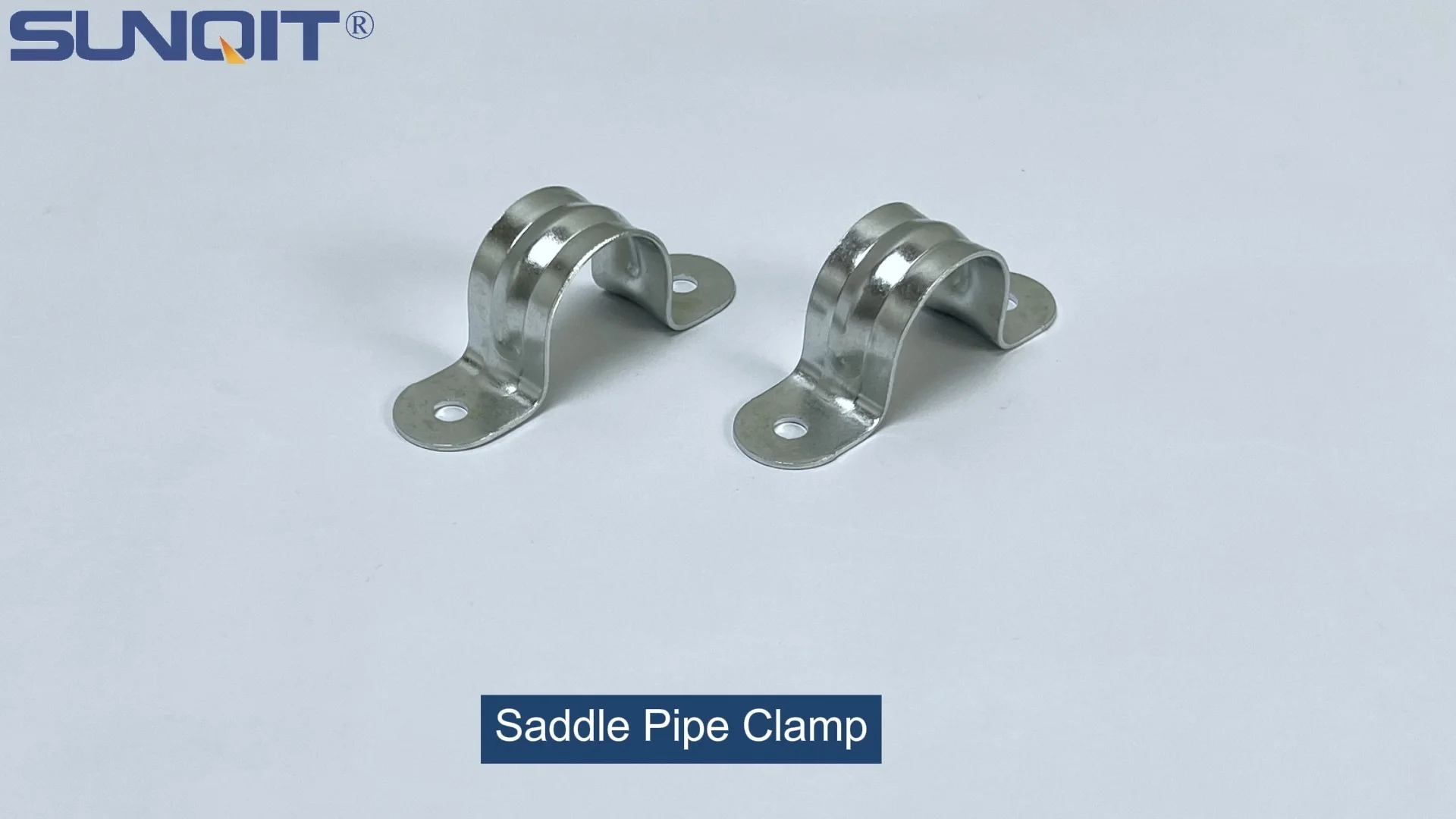
Saddle Pipe Clamp
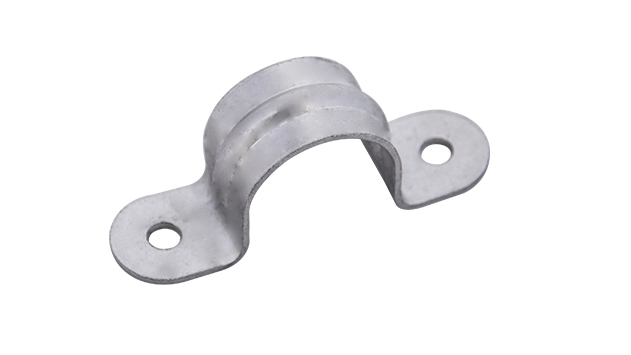
Saddle pipe clamp, used for board connect with pipe, usually for table top installation.
Walk into any busy warehouse, and you'll see a symphony of movement: forklifts zipping between aisles, workers loading pallets onto shelves, and conveyor belts gently carrying products toward shipping. But behind this chaos lies a hidden foundation—racks stacked with goods, workbenches cluttered with tools, and trolleys gliding across the floor. What keeps all these systems from collapsing into disarray? Often, it's the smallest components that do the heaviest lifting. Enter the saddle pipe clamp: a humble yet indispensable tool that secures everything from material racks to workbench frames, ensuring your warehouse runs safely, efficiently, and without costly disruptions.
In this article, we'll dive deep into the world of saddle pipe clamps. We'll explore what they are, how they work, and why they've become a cornerstone of modern warehousing. Whether you're managing a small distribution center or a sprawling manufacturing facility, understanding the role of saddle pipe clamps can help you build stronger, more reliable storage systems—ones that grow with your business and stand up to the daily grind of warehouse operations.
The Unsung Heroes: What Are Saddle Pipe Clamps?
At first glance, a saddle pipe clamp might not look like much. It's a simple device, typically made of metal, with two curved "saddles" that wrap around a pipe or tube. These saddles are bolted together, creating a tight grip that fastens the pipe to another surface—whether that's a wall, a rack upright, or another pipe. Think of it as a heavy-duty hug for your warehouse's structural elements.
But don't let their simplicity fool you. Saddle pipe clamps are engineered for precision. The curvature of the saddles is designed to match standard pipe diameters, ensuring maximum contact and minimizing slippage. The bolts—often made of high-tensile steel—are rated to withstand significant weight, so even when a rack is loaded with heavy cartons or machinery parts, the clamps won't budge.
What makes saddle pipe clamps unique is their versatility. Unlike welded connections, which are permanent and hard to adjust, saddle clamps are removable and reusable. Need to reconfigure your material racks to accommodate taller pallets? Just unbolt the clamps, shift the pipes, and reattach them. This flexibility is a game-changer in warehouses where layouts change with seasonal demand or new product lines.
A Quick History Lesson: From Industrial Basics to Modern Warehousing
Saddle pipe clamps have been around for decades, originally used in plumbing and construction to secure pipes to walls or ceilings. But as warehouses evolved—adopting lean manufacturing principles and modular storage systems—these clamps found a new purpose. Early warehouse racks relied on rigid, welded frames that were expensive to modify. Saddle clamps offered a cheaper, faster alternative, allowing managers to build custom racks using standard pipes and tubes. Today, they're a staple in facilities that use lean pipe systems, aluminum profiles, and modular workbenches—proving that sometimes, the best innovations are just old ideas repurposed.
Types of Saddle Pipe Clamps: Finding the Right Fit for Your Warehouse
Not all saddle pipe clamps are created equal. Just like you wouldn't use a wrench to hammer a nail, you need the right clamp for the job. Let's break down the most common types and when to use them:
1. Standard Saddle Clamps
These are the workhorses of the clamp world. Made from carbon steel or stainless steel, they're designed for general-purpose use—securing pipes to racks, attaching crossbeams to uprights, or mounting conveyor rails to frames. Standard clamps come in sizes to fit pipes from 0.5 inches to 4 inches in diameter, making them ideal for most warehouse applications. If you're building a basic material rack or a simple workbench, these are your go-to.
2. Heavy-Duty Saddle Clamps
When you're dealing with extreme weight—think loaded pallets of machinery or stacks of metal parts—standard clamps might not cut it. Heavy-duty clamps are thicker, with reinforced saddles and larger bolts (often ½-inch or bigger) that can handle loads up to 2,000 pounds per clamp. They're commonly used in industrial warehouses or manufacturing facilities where storage systems are under constant stress. Look for models with a powder-coated finish to resist rust, especially if your warehouse is humid or exposed to chemicals.
3. Insulated Saddle Clamps
In specialized warehouses—like those storing food, pharmaceuticals, or electronics—temperature control is critical. Insulated saddle clamps have a layer of rubber or plastic between the metal saddles and the pipe, preventing heat transfer. This keeps cold pipes from sweating (and damaging products) or hot pipes from warping nearby materials. They're also used in cleanrooms, where metal-on-metal contact could generate static electricity—a risk for sensitive electronics.
4. Swivel Saddle Clamps
Sometimes, pipes need to be mounted at an angle or around corners. Swivel clamps have a rotating base that allows the saddle to pivot up to 360 degrees, making them perfect for tight spaces or irregularly shaped racks. For example, if you're building a turnover trolley with a curved handle, swivel clamps can secure the handle to the trolley frame without bending the pipe itself.
Materials Matter: Choosing the Best Saddle Clamp for Your Environment
The material of your saddle pipe clamp isn't just about durability—it's about matching the clamp to your warehouse's unique conditions. Here's how to choose:
Steel: The All-Around Performer
Carbon steel is the most common material for saddle clamps, and for good reason. It's strong, affordable, and easy to manufacture. Most steel clamps are coated with zinc (galvanized) or powder to resist rust, making them suitable for dry or moderately humid warehouses. If you're on a budget and don't need specialized features, steel clamps are a solid choice.
Stainless Steel: Corrosion Resistance for Tough Environments
For warehouses near the coast, or those handling liquids (like beverage distribution centers), stainless steel is a must. Its chromium content forms a protective layer that resists saltwater, moisture, and chemicals. Stainless steel clamps are pricier than steel, but they'll last longer in harsh conditions—saving you money on replacements down the line. They're also popular in food-grade facilities, where cleanliness is non-negotiable; stainless steel is easy to sanitize and won't leach chemicals into products.
Aluminum: Lightweight and Rust-Free
Aluminum saddle clamps are lightweight and naturally resistant to rust, making them ideal for mobile systems like turnover trolleys or portable workbenches. They're not as strong as steel—so they're best for lighter loads—but their low weight makes installation a breeze. Aluminum is also a good choice for warehouses aiming to reduce noise; unlike steel, it doesn't clang when bumped by forklifts or carts.

Installation 101: How to Secure Saddle Pipe Clamps Like a Pro
Installing a saddle pipe clamp might seem straightforward, but a few small mistakes can lead to big problems later—like a rack collapse or a loose trolley wheel. Follow these steps to get it right:
Step 1: Measure Twice, Clamp Once
Before you start, confirm the diameter of your pipe and the thickness of the surface you're mounting to. Most clamps are labeled with the pipe size they fit (e.g., 1-inch, 1.5-inch), but it's always smart to double-check with a tape measure. If the clamp is too loose, the pipe will wobble; too tight, and you could warp the pipe or strip the bolts.
Step 2: Clean the Surfaces
Dirt, grease, or rust on the pipe or mounting surface can prevent the clamp from gripping properly. Wipe both surfaces with a rag and, if needed, use a wire brush to remove rust. For stainless steel clamps, avoid using abrasive cleaners—they can scratch the surface and reduce corrosion resistance.
Step 3: Position the Clamp
Place the two saddles around the pipe, ensuring they're aligned evenly. The bolts should face outward (away from the pipe) for easy access later. If you're mounting the pipe to a rack upright, use a level to make sure the pipe is straight—crooked pipes can put extra stress on the clamps and lead to failure over time.
Step 4: Tighten the Bolts Gradually
Start by hand-tightening the bolts to hold the clamps in place. Then, use a torque wrench to tighten them to the manufacturer's specifications (usually 25-35 foot-pounds for standard clamps). Tighten the bolts in a crisscross pattern—like you would with a car tire—to ensure even pressure. Avoid over-tightening; this can stretch the bolts or crack the saddles.
Step 5: Test the Grip
Once the clamp is installed, give the pipe a gentle shake. It should feel solid, with no movement. If it wobbles, check if the saddles are aligned correctly or if the bolts need a little more torque. For critical applications—like overhead racks—test the clamp with a load similar to what it will carry in daily use. Better to catch a weak clamp during installation than during a busy workday.

Why Saddle Pipe Clamps Are a Game-Changer for Warehouses
Now that you know what saddle pipe clamps are and how to install them, let's talk about why they matter. In a warehouse, every minute of downtime or every damaged product costs money. Saddle clamps help you avoid these issues in three key ways:
1. Unmatched Security: Keeping Your Racks (and Workers) Safe
The biggest risk in any warehouse is a rack collapse. A single loose pipe can cause an entire section of shelving to topple, damaging products and endangering workers. Saddle clamps reduce this risk by creating a mechanical bond between pipes and racks. Unlike adhesives or zip ties, which weaken over time, clamps maintain their grip even under vibration or temperature changes. In fact, OSHA guidelines often recommend using clamps (or similar mechanical fasteners) for overhead storage systems, as they're more reliable than welded connections in dynamic environments.
2. Flexibility to Adapt: Growing with Your Business
Warehouses aren't static. One month, you might be storing small electronics; the next, bulky appliances. Saddle clamps let you reconfigure your storage systems without rebuilding them from scratch. For example, if you need to raise a material rack b (3 row and 3 floor) to accommodate taller boxes, you can unbolt the clamps, adjust the vertical pipes, and reattach everything in an hour. This flexibility saves you from buying new racks every time your needs change—keeping costs low and operations agile.
3. Cost-Effective Durability: Long-Term Savings
Saddle pipe clamps are affordable upfront, but their true value lies in their longevity. A well-made steel or stainless steel clamp can last 10+ years with minimal maintenance. Compare that to welded connections, which can crack over time and require expensive repairs. Plus, since clamps are reusable, you can salvage them when you retire old racks and use them on new ones. Over time, this adds up to significant savings—money that can be invested in other areas of your warehouse, like new conveyor systems or employee training.
Real-World Applications: Where Saddle Pipe Clamps Shine
Saddle pipe clamps are everywhere in warehouses, even if you don't notice them. Let's look at some common scenarios where they make a difference:
Material Racks: The Backbone of Storage
Material racks are the workhorses of any warehouse, holding everything from raw materials to finished products. Saddle clamps secure the horizontal beams to the vertical uprights, ensuring the rack can bear the weight of stacked pallets. For example, a material rack b (3 row and 3 floor)—a popular choice for small parts storage—uses clamps to attach each shelf to the frame. Without clamps, the shelves might sag or detach, spilling parts onto the floor and causing delays.
Workbenches: Stability for Precision Work
Workbenches are where the magic happens—assembly, packaging, quality control. A wobbly workbench can ruin precision tasks, like assembling electronics or labeling products. Saddle clamps secure the workbench legs to the frame, preventing movement even when workers lean on the bench or use power tools. They also attach accessories like tool hooks or shelving to the bench, keeping everything within reach without cluttering the workspace.
Turnover Trolleys: Smooth Maneuvering, No Slippage
Turnover trolleys are essential for moving goods between workstations. But if the frame is loose, the trolley might wobble, spilling contents or making it hard to push. Saddle clamps fasten the trolley's handle to the base and secure the caster wheels to the frame. This ensures the trolley glides smoothly, even when loaded with heavy boxes. Pro tip: Use heavy-duty clamps for caster wheels—they take the most abuse from rough warehouse floors.
Conveyor Systems: Keeping Products on Track
Conveyors rely on roller tracks to move products along a path. If the tracks are misaligned, products can jam or fall off, halting the entire line. Saddle clamps secure the roller track guide rails to the conveyor frame, keeping them straight and level. They're also used to attach support brackets under the tracks, preventing sagging in long conveyor runs. In high-speed operations, this stability is critical—even a 1-degree misalignment can cause a bottleneck.
Case Study: How Saddle Clamps Solved a Warehouse's Rack Collapse Crisis
Let's take a look at a real-world example of saddle pipe clamps in action. A mid-sized electronics warehouse in Texas was struggling with frequent rack collapses. Their old storage system used zip ties to secure shelves to uprights—a cheap solution, but one that failed under the weight of heavy circuit boards and wiring. After a shelf collapsed, damaging $10,000 worth of inventory, the warehouse manager decided to upgrade.
The solution? Retrofitting the racks with stainless steel saddle clamps. The team removed the zip ties, cleaned the pipes, and installed clamps at every shelf connection. The total cost was around $2,000—far less than the cost of replacing the racks entirely. Six months later, there were zero collapses. Workers reported feeling safer, and the warehouse was able to increase shelf loads by 30% without issues. As the manager put it: "We should have done this years ago. The clamps paid for themselves in the first month."
Comparing Saddle Pipe Clamps: A Quick Reference Table
| Clamp Type | Material | Max Load Capacity | Best For | Pros | Cons |
|---|---|---|---|---|---|
| Standard Saddle Clamp | Carbon Steel (Galvanized) | 500 lbs | Basic racks, workbenches | Affordable, easy to install | Not for heavy loads or corrosion-prone areas |
| Heavy-Duty Saddle Clamp | Stainless Steel | 2,000 lbs | Industrial racks, overhead storage | High strength, corrosion-resistant | More expensive, heavier |
| Insulated Saddle Clamp | Steel with Rubber Insulation | 800 lbs | Food/pharmaceutical warehouses, cleanrooms | Prevents heat transfer, reduces static | Insulation can wear over time |
| Swivel Saddle Clamp | Aluminum or Steel | 600 lbs | Curved racks, turnover trolleys | Adjustable angle, fits tight spaces | Lower load capacity than fixed clamps |
Maintenance Tips: Keeping Your Saddle Clamps in Top Shape
Saddle pipe clamps are low-maintenance, but a little care goes a long way. Here's how to keep them working like new:
Inspect Regularly
Add clamp inspections to your weekly warehouse walkthrough. Look for loose bolts, rust, or bent saddles. Tighten any bolts that have come loose—vibration from forklifts or heavy loads can cause them to back off over time. For outdoor or humid warehouses, check for rust spots; if you find any, sand them down and apply a rust-resistant paint to prevent spreading.
Lubricate Bolts Annually
Once a year, apply a small amount of anti-seize lubricant to the bolts. This makes them easier to remove if you need to reconfigure your racks later. Avoid using too much lubricant, though—it can attract dirt and grime.
replace When Worn
If a clamp is bent, cracked, or heavily rusted, replace it immediately. A damaged clamp can't provide the same level of security, and waiting to replace it could lead to a rack failure. Keep a few spare clamps in your maintenance closet so you're never caught off guard.
The Future of Saddle Pipe Clamps: Innovations on the Horizon
As warehouses embrace automation and smart technology, saddle pipe clamps are evolving too. Here are a few trends to watch:
Smart Clamps with Sensors
Imagine a clamp that alerts you when it's loose. Some manufacturers are testing clamps with built-in sensors that measure bolt tension. If the tension drops below a safe level, the sensor sends a notification to your warehouse management system—letting you fix the problem before it causes a collapse. This is especially useful for large warehouses with hard-to-reach racks.
Eco-Friendly Materials
Sustainability is a growing focus in warehousing. Look for clamps made from recycled steel or aluminum, or coated with water-based paints instead of toxic chemicals. Some companies are even experimenting with biodegradable plastics for light-duty clamps, though these are still in the early stages.
3D-Printed Custom Clamps
For unique pipe sizes or shapes, 3D printing could revolutionize clamp production. Instead of ordering standard sizes, you could design a custom clamp on a computer and print it on-site. This would reduce lead times and allow for hyper-specific designs—like clamps that fit irregularly shaped aluminum profiles.
Conclusion: Small Clamps, Big Impact
Saddle pipe clamps might not be the most glamorous part of your warehouse, but they're one of the most important. They secure your racks, stabilize your workbenches, and keep your turnover trolleys rolling smoothly. By choosing the right type of clamp, installing it properly, and maintaining it regularly, you can build a warehouse that's safe, efficient, and ready to grow with your business.
So the next time you walk through your warehouse, take a moment to appreciate these unsung heroes. The next time a rack stays standing under a heavy load, or a workbench remains steady during a long shift, you'll know who to thank: the humble saddle pipe clamp.