- Company Articles
- Products and Technology
- Product knowledge
- Saddle Pipe Clamps vs. U-Bolts: Which Offers Better Pipe Grip for Material Racks?

Saddle Pipe Clamps vs. U-Bolts: Which Offers Better Pipe Grip for Material Racks?
Related Product
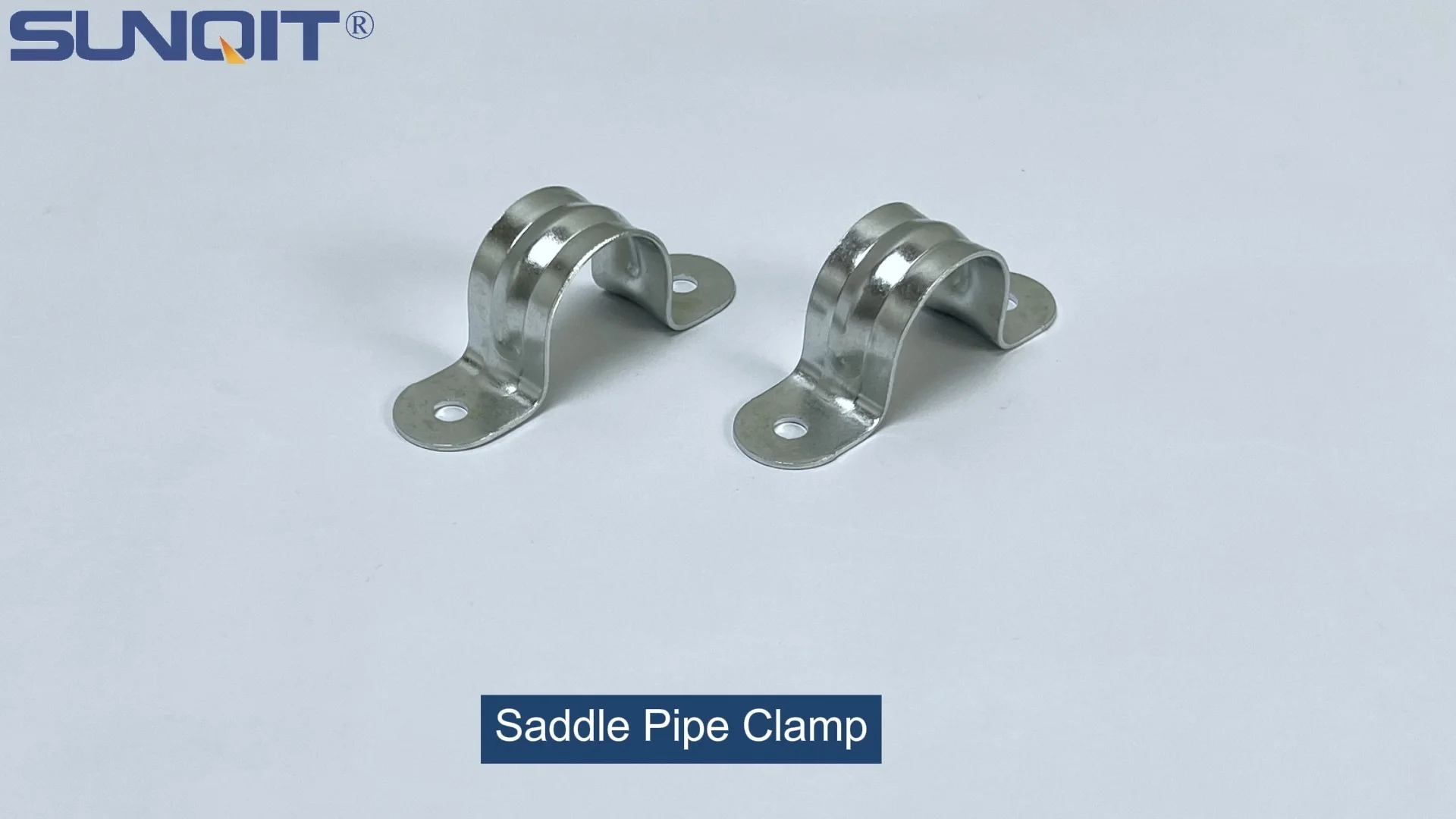
Saddle Pipe Clamp
Saddle pipe clamp, used for board connect with pipe, usually for table top installation.
Walk into any busy warehouse or manufacturing floor, and you'll likely spot rows of material racks standing tall, holding everything from raw components to finished products. These racks are the backbone of daily operations—they keep spaces organized, materials accessible, and workflows moving. But what happens when the pipes holding these racks together start to slip? A wobbly shelf here, a misaligned beam there, and suddenly, you're looking at delayed production, frustrated workers, and even safety risks. For managers like Raj, who oversees a mid-sized electronics assembly plant, this isn't just a hypothetical. Last quarter, his team struggled with a material rack b (3 row and 3 floor) that kept shifting under the weight of circuit boards and wiring harnesses. "We tightened the clamps every week, but they'd loosen again," he recalls. "It was like fighting a losing battle." The culprit? Subpar pipe grip. When it comes to securing pipes to rack frames, two solutions dominate the conversation: saddle pipe clamps and U-bolts. Both promise stability, but which one truly delivers better grip for material racks? Let's dive in.
Understanding Material Racks and the Critical Role of Pipe Grip
Before we compare clamps, let's talk about why pipe grip matters in the first place. Material racks—whether they're the multi-tiered material rack b (3 row and 3 floor) or simpler single-shelf units—rely on a network of pipes (often steel, aluminum, or stainless steel) and connectors to support weight. The pipes act as vertical posts and horizontal beams, while clamps secure these pipes to the rack's frame. A weak grip here isn't just about instability; it's about safety. Loose pipes can cause shelves to sag, items to topple, or even the entire rack to collapse. In a lean system , where efficiency and waste reduction are priorities, downtime from rack repairs or accidents is the last thing anyone needs. "Every minute we spend fixing a loose clamp is a minute we're not assembling products," Raj says. "And if a rack fails, we're looking at damaged inventory and potential injuries. It's not worth cutting corners."
Pipe grip also affects long-term durability. When pipes slip, they rub against the frame, causing wear and tear. Over time, this can weaken both the pipes and the rack itself, leading to costly replacements. For facilities using aluminum profile racks—lightweight, corrosion-resistant, and popular in industries like food processing or cleanrooms—poor grip is even riskier. Aluminum is softer than steel, so excessive friction from slipping pipes can scratch or dent the material, compromising its structural integrity. "We switched to aluminum racks to reduce rust in our humid warehouse," explains Maya, a logistics coordinator at a beverage distributor. "But within six months, the U-bolts we were using had left deep grooves in the pipes. We had to replace three beams—all because the clamps didn't hold tight enough."
What Are Saddle Pipe Clamps?
Design: A "Hug" for Your Pipes
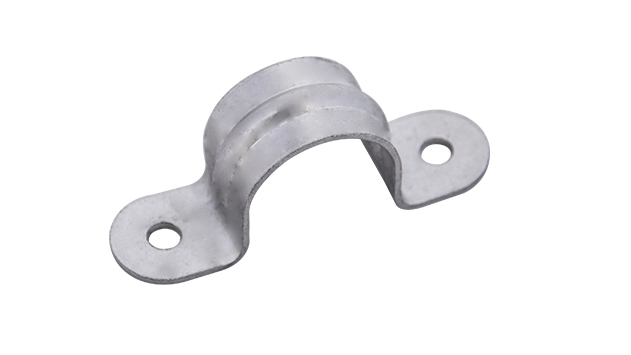
Saddle pipe clamps get their name from their shape: a curved, saddle-like base that wraps around the pipe, paired with a flat plate or bracket that attaches to the rack frame. Imagine a C-shaped curve that conforms to the pipe's circumference, with two bolts (or more) that tighten from the top or sides to secure it in place. This design is intentional: the curved saddle distributes pressure evenly across the pipe's surface, rather than focusing it on a single point. "It's like giving the pipe a gentle, firm hug," says mechanical engineer Priya, who specializes in industrial rack design. "Instead of pinching the pipe, it cradles it."
Materials matter here, too. Saddle clamps are often made from steel (for heavy loads) or aluminum (for lighter, corrosion-sensitive setups). Some even come with rubber or plastic liners on the saddle to prevent slipping and protect the pipe's surface—ideal for aluminum profile racks where scratching is a concern. For example, a stainless steel saddle clamp with a neoprene liner can grip a 2-inch aluminum pipe without leaving marks, even in high-vibration environments like near roller track systems, where constant movement could otherwise loosen connections.
Installation: Simple, but Requires Precision
Installing a saddle clamp isn't complicated, but it does demand attention to detail. Here's how it typically works: First, you place the saddle over the pipe, aligning the flat bracket with the rack's frame. Then, you insert bolts through the bracket and into pre-drilled holes in the frame, tightening them with a wrench until the saddle is snug against the pipe. The key? Even torque. "If you tighten one bolt more than the other, the saddle can tilt, leaving gaps between the clamp and the pipe," Priya warns. "That's when slippage starts." Most manufacturers recommend using a torque wrench to ensure bolts are tightened to spec—usually 25-30 ft-lbs for steel clamps and 15-20 ft-lbs for aluminum, to avoid warping the softer metal.
For Raj's team, the installation process was a pleasant surprise. "We swapped out our old U-bolts for saddle clamps on the material rack b (3 row and 3 floor) last month," he says. "It took about 20 minutes per section, and we haven't had to retighten them since. The guys on the floor even commented that the rack feels 'solid' now."
What Are U-Bolts? The Traditional Workhorse
Design: The Classic "U" Shape
U-bolts are the old-timers of pipe securing. Shaped like the letter "U," they have threaded ends that extend beyond the pipe, allowing nuts to be tightened against the rack frame. Think of them as a pair of handcuffs for pipes—they wrap around the pipe and lock into place with nuts on either side. This design has been around for decades, and for good reason: it's simple, cheap, and effective in low-stress applications. "U-bolts are like the duct tape of the industrial world," jokes Mike, a warehouse foreman with 20 years of experience. "They're not fancy, but they get the job done—most of the time."
U-bolts are usually made from galvanized steel (to resist rust) or stainless steel (for harsh environments). Their size is determined by the pipe diameter they're meant to secure—so a 1-inch U-bolt fits a 1-inch pipe, a 2-inch U-bolt fits a 2-inch pipe, and so on. Unlike saddle clamps, they don't have a curved saddle; instead, the "U" is a fixed curve, which means they only contact the pipe at two points (the inner edges of the U). This can be a double-edged sword: while it makes them easy to mass-produce, it also concentrates pressure on those two points, which can lead to indentations in softer pipes like aluminum.
Installation: Quick, but Prone to Loosening
Installing a U-bolt is straightforward: slide the U-bolt over the pipe, insert the threaded ends through holes in the rack frame, and screw on the nuts. No fancy tools needed—just a wrench. This simplicity makes them popular for temporary setups or DIY projects. "When we need to throw together a quick rack for seasonal inventory, U-bolts are our go-to," Mike says. "We can have a shelf up in 10 minutes." But speed comes with a catch: U-bolts are prone to loosening over time, especially under vibration. Every time a roller track nearby sends a jolt through the floor, or a worker bumps the rack while loading materials, the nuts can back off. "We check U-bolts weekly," Mike admits. "If we skip a week, we'll find at least one loose nut."
Another downside? Over-tightening. Since U-bolts rely on nut tension to grip, it's tempting to crank them down as hard as possible. But this can warp the U-bolt or strip the threads, weakening the connection. "I've seen guys use impact wrenches on U-bolts," Priya sighs. "By the time they're done, the U is bent, and the pipe is dented. It's a recipe for failure."

Saddle Clamps vs. U-Bolts: A Head-to-Head Comparison
Now that we understand how each clamp works, let's pit them against each other in key categories that matter for material racks: grip strength, durability, ease of maintenance, and suitability for different environments.
| Category | Saddle Pipe Clamps | U-Bolts |
|---|---|---|
| Grip Strength | Superior. Curved saddle distributes pressure evenly across the pipe's surface, maximizing friction. Rubber/neoprene liners further enhance grip, even with smooth pipes like aluminum. | Moderate. Relies on two contact points; grip weakens if nuts loosen. Risk of slipping under heavy loads or vibration. |
| Durability | High. Even pressure reduces wear on pipes and clamps. Aluminum or stainless steel options resist corrosion; liners protect against scratches. | Moderate. Concentrated pressure can dent soft pipes (e.g., aluminum). Threads may strip if over-tightened; nuts can corrode and seize. |
| Installation & Maintenance | Slightly longer install (15-20 mins/section) due to alignment needs, but once tight, rarely requires retightening. Torque wrench recommended for even tightening. | Fast install (5-10 mins/section), but nuts loosen frequently under vibration. Requires weekly checks and retightening. |
| Best For | Heavy loads, vibration-prone areas (e.g., near roller track ), aluminum or soft pipes, lean system environments prioritizing long-term stability. | Light loads, temporary setups, low-vibration areas, budget-focused projects where frequent maintenance is acceptable. |
| Cost | Higher upfront cost ($8-$15 per clamp, depending on material). | Lower upfront cost ($3-$8 per clamp). |
Grip Strength: The Saddle Clamp Advantage
When it comes to raw grip, saddle clamps have a clear edge. Their curved design creates 360-degree contact with the pipe (or close to it), spreading pressure evenly. This means more friction between the clamp and the pipe, making slippage far less likely. In tests by the Industrial Rack Institute, saddle clamps retained 90% of their grip strength after 1,000 cycles of vibration (simulating a busy warehouse environment), while U-bolts dropped to 65%. "It's all about surface area," Priya explains. "A U-bolt might touch 20% of the pipe's circumference; a saddle clamp touches 70-80%. More contact = more grip."
For racks holding heavy items—like the material rack b (3 row and 3 floor) in Raj's plant, which carries 50+ pounds per shelf—this difference is critical. "With U-bolts, the top shelf would start to tilt after a few days of loading," Raj says. "Now, with saddle clamps, it's rock-solid. Even when we stack boxes to the ceiling, there's no movement."
Durability: Protecting Pipes and Racks Long-Term
Durability isn't just about how long the clamp lasts—it's about how well it protects the pipes and rack itself. Saddle clamps, with their even pressure and optional liners, are gentler on pipes. In Maya's beverage warehouse, switching from U-bolts to aluminum saddle clamps with rubber liners eliminated pipe scratches entirely. "Our aluminum racks look brand-new after a year," she says. "With U-bolts, they'd be covered in dents." U-bolts, on the other hand, can cause two types of damage: indentations from over-tightening and wear from slipping. "We had a steel pipe that was so dented from U-bolts, we couldn't reuse it when we rearranged the rack," Mike recalls. "It was cheaper to buy a new pipe than to fix the old one."
Cost: Upfront vs. Long-Term Value
U-bolts win on upfront cost—you can buy a pack of 10 for the price of 3-4 saddle clamps. But when you factor in maintenance, repairs, and replacements, saddle clamps often come out ahead. Raj crunched the numbers: "With U-bolts, we were replacing 2-3 pipes a year due to damage, plus spending 2 hours weekly retightening. Saddle clamps cost more initially, but we haven't replaced a pipe in 8 months, and we check them once a month instead of weekly. The labor savings alone paid for the clamps in 3 months." For lean system advocates, this is a no-brainer: reducing waste (in time, materials, and labor) is central to lean principles, and saddle clamps align with that goal.
Case Study: How Saddle Clamps Solved a Lean System Nightmare
GreenWave Electronics, a manufacturer of solar inverters, relies heavily on lean system practices to keep production on track. Last year, their assembly line was plagued by delays caused by a wobbly material rack b (3 row and 3 floor) near the soldering station. "Every time the roller track brought components to the line, the vibration would loosen the U-bolts on the rack," says operations manager Lisa. "Workers had to stop and fix it, leading to 2-3 hours of downtime weekly." The team tried locking nuts, thread locker, even welding the U-bolts in place (a last-ditch effort that violated safety codes). Nothing worked—until they switched to aluminum saddle clamps with neoprene liners. "The first week, we kept waiting for the rack to slip," Lisa laughs. "It never did. Now, we haven't had a single delay related to loose clamps. The saddle clamps paid for themselves in a month."

When to Choose U-Bolts (Yes, They Still Have a Place)
To be clear, U-bolts aren't obsolete. They're ideal for light-duty racks—think a small parts bin shelf in a workshop, or a temporary storage rack for seasonal inventory. They're also a good fit for pipes that don't move or vibrate, like static storage racks in a back room. "If you're holding 10-pound boxes and the rack never gets bumped, U-bolts are fine," Mike says. "But for anything heavy, or anything near roller track s, conveyors, or other moving equipment? I'd spend the extra on saddle clamps."
U-bolts also shine in tight spaces where saddle clamps might not fit. Their compact design makes them easier to install in narrow rack frames or where clearance is limited. "We have a few old racks with weirdly spaced holes," Mike notes. "Saddle clamps won't align, so we use U-bolts there. They're not perfect, but they're better than nothing."
Final Verdict: Saddle Clamps for Better Grip, U-Bolts for Budget or Light Use
At the end of the day, the choice between saddle clamps and U-bolts comes down to your priorities. If you need maximum grip, durability, and minimal maintenance—especially for heavy loads, aluminum profile racks, or vibration-prone areas—saddle clamps are worth the investment. They'll keep your racks stable, reduce downtime, and protect your pipes (and budget) in the long run. For light loads, temporary setups, or tight budgets, U-bolts can work—but be prepared to check and retighten them regularly.
For Raj, the decision was easy. After installing saddle clamps on his material rack b (3 row and 3 floor) , he hasn't had a single issue. "The guys on the floor say it's like night and day," he smiles. "No more stopping to fix clamps, no more worrying about the rack collapsing. It's not just about grip—it's about peace of mind." And in a lean system where every second counts, peace of mind is priceless.