- Company Articles
- Products and Technology
- Installation And Maintenance
- Safety Best Practices When Using Roller Track Placon Mount Center Support Bracket

Safety Best Practices When Using Roller Track Placon Mount Center Support Bracket
Related Product
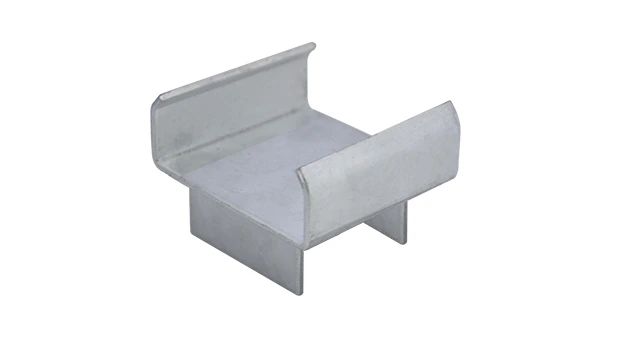
Roller Track Placon Mount Center Support Bracket
Roller track placon mount work as a connector for roller track and pipe or aluminum profile in rack syetem, it is a necessary parts in rack system which widely used in industrial plant and logistic,warehouse storage.
In the fast-paced world of modern manufacturing, where every second counts and efficiency is king, there's an unsung hero working behind the scenes: the roller track system. From the precise assembly lines of 3C electronics to the bustling warehouses of logistics giants, components like the roller track placon mount center support bracket keep materials flowing smoothly. But here's the thing—efficiency means nothing if it comes at the cost of safety. Today, let's dive into how to keep these critical systems safe, reliable, and ready to support your team's best work.
Think about a typical day in your facility: operators loading PCBs onto a flow rack , a conveyor whisking components to the next station, or a lean pipe workbench holding sensitive medical devices. Every time a part glides along that roller track, it's relying on the strength and stability of those support brackets. A loose connection, a worn component, or a miscalculated load could turn a routine task into a costly accident. That's why safety isn't just a "nice-to-have" here—it's the foundation of truly lean system performance.
At Sunqit, we've spent years partnering with manufacturers across industries—from automotive to healthcare—to build lean solutions that prioritize both efficiency and safety. Our aluminum roller tracks, internal rotary joints, and precision brackets aren't just pieces of metal; they're designed with real-world use in mind. So let's walk through the best practices that will help you get the most out of your roller track system, without compromising on what matters most: your team's well-being.
1. Pre-Installation: Start with a "Safety Check"
Before you even pick up a wrench, safety starts with preparation. Think of it like baking a cake—you wouldn't skip checking the ingredients, right? The same goes for installing roller track brackets.
Inspect Components Like a Pro
Unboxing new parts is exciting, but resist the urge to rush. Take 5 minutes to examine every piece:
- Aluminum pipes & joints : Look for cracks, dents, or burrs—especially on internal rotatary aluminum joints . A tiny nick could weaken the connection over time.
- Placon mounts & brackets : Check if the mounting holes are clean and undamaged. Rust or deformation here is a red flag—don't install it, even if it "looks okay."
- Rollers & wheels : Spin them by hand! They should move smoothly without jamming or excessive wobble. If a roller sticks, it could cause materials to get stuck or slide unexpectedly.
Pro tip: Keep a "reject bin" handy for questionable parts. It's better to wait for a replacement than to risk using a faulty bracket.
Match the Bracket to the Job
Not all roller track brackets are created equal. That lightweight aluminum bracket might work great for a small workbench E , but it's no match for a heavy-duty material rack B loaded with automotive parts. Always check the load rating!
Our lean tube systems come with clear specs—for example, our 40-series steel roller track brackets handle up to 150kg per linear meter, while the mini aluminum versions are ideal for lighter loads like circuit boards. Mixing and matching without checking? That's how accidents happen.
Prep the Workspace
Installation day shouldn't feel like a obstacle course. Clear the area of debris, mark the floor where brackets will go (a simple chalk line works!), and make sure the surface is level. A wobbly foundation is a safety hazard waiting to happen—even a 2° slope can cause materials to drift or tip on a long roller track.
For ESD-sensitive areas (looking at you, 3C assembly!), don't forget to ground the brackets properly. Our ESD workstation kits include anti-static brackets that prevent static buildup—because a tiny spark could ruin a $500 PCB, not to mention endanger operators.
2. Installation: Precision = Safety
Installing a roller track bracket might seem straightforward—drill some holes, tighten some bolts, done. But in reality, small mistakes here can lead to big problems later. Let's break it down step by step.
Use the Right Tools (No, a Butter Knife Doesn't Count)
Ever tried tightening a bolt with pliers because you couldn't find the right wrench? We've all been there, but trust us—this is one place to avoid shortcuts. Use calibrated torque wrenches for critical connections (like the bolts securing the placon mount to the aluminum profile ). Over-tightening can strip threads; under-tightening leaves room for wobble.
Pro hack: For hard-to-reach spots, use a magnetic socket set to keep bolts from dropping into machinery. Losing a bolt in a conveyor system isn't just annoying—it could jam the whole line later!
Align, Align, Align
Imagine building a lean pipe workbench where the roller track slopes downward—materials would slide too fast, risking damage or injury. That's why alignment is non-negotiable.
- Use a spirit level to check both horizontal and vertical alignment. A 1mm deviation over 2 meters might not look like much, but it adds up.
- For long tracks, use string lines to ensure straightness. Curved tracks? Follow the manufacturer's radius guidelines—bending brackets to "make it fit" weakens their structural integrity.
- Double-check joint connections. Our aluminum pipe accessories , like the 90° internal rotation joint, are designed to lock into place with a satisfying "click"—if it feels loose, take it apart and try again.
Secure with the Right Fasteners
Not all bolts are created equal! Using a zinc-plated bolt in a corrosive environment (like a food packaging plant) is asking for trouble—opt for stainless steel instead. And always match the fastener length to the material thickness: too short, and it won't grip; too long, and it could protrude and scratch operators or materials.
Pro tip: Apply thread locker (like Loctite) to bolts in high-vibration areas, such as near roller track motors. It's a small step that prevents bolts from loosening over time.

3. Daily Use: Keep It Running Smoothly
Installing the bracket correctly is just the start. To keep your roller track system safe for the long haul, you need a maintenance routine that's as consistent as your production schedule.
Load Management 101
We get it—deadlines are tight, and sometimes you need to "just squeeze one more box" onto the flow rack . But overloading is one of the biggest causes of bracket failure. Post clear load limits near each track (we can help design custom signs!) and train your team to respect them.
Example: Our Material Rack B (3 rows, 3 floors) is rated for 50kg per shelf—exceeding that by even 10kg can bend the support brackets over time. It's not worth the risk!
Daily Checks: 5-Minute "Health Scan"
Your operators are your first line of defense. Train them to do a quick visual check before starting their shift:
- Look for loose bolts or brackets—give them a gentle tug to test.
- Check for debris on the track (dust, loose screws, even a stray zip tie). A clean track is a safe track!
- Test roller movement by sliding a test weight along the track. It should move smoothly, with no sudden stops or jerks.
- Inspect for wear: Cracks in plastic guides, flattened roller balls, or bent brackets all mean it's time for a replacement.
Make it easy: Create a simple checklist and place it near each track. A quick "yes/no" for each item takes 5 minutes and prevents disasters.
Clean and Lubricate Regularly
Dust, oil, and debris are the enemies of roller tracks. In a 3C assembly line, even a tiny dust particle can scratch a smartphone screen—but in terms of safety, buildup can cause rollers to jam, leading to material pileups or sudden stops.
- Use a soft brush or compressed air to clean tracks daily. For sticky residues (like adhesive from labels), wipe with a mild detergent—avoid harsh chemicals that can damage plastic components.
- Lubricate roller axles every 2-4 weeks with a food-grade lubricant (for food/beverage facilities) or silicone spray (for general use). A drop per axle is enough—too much attracts more dust!
- For stainless steel pipe series in wet environments, wipe down with a rust inhibitor monthly to keep brackets strong and corrosion-free.

4. Special Scenarios: Adapt to Your Environment
Different industries have unique challenges—and your safety practices should adapt accordingly. Let's look at how to tailor these tips to some common high-risk environments.
ESD-Sensitive Areas (3C, Electronics)
In a workshop building circuit boards or semiconductors, static electricity is a silent killer. A single electrostatic discharge can fry a $1,000 chip—and a loose bracket can create static buildup.
Solution: Use ESD workstation components, including conductive roller tracks and grounded support brackets. Regularly test the resistance with an ESD meter (aim for 10^6–10^9 ohms). Also, ensure operators wear grounded wrist straps when handling materials on the track.
Heavy-Duty Manufacturing (Automotive, Machinery)
When you're moving engine blocks or steel parts, the stakes are higher. A failed bracket here could lead to serious injury or equipment damage.
Solution: Opt for heavy-duty aluminum extrusion profile brackets and reinforced roller track systems. Inspect welds and joints weekly for cracks, and consider adding secondary supports for extra-long tracks. Our 85-series steel roller track, for example, is built to handle loads up to 300kg/m—perfect for these tough environments.
Clean Rooms (Medical Devices, Pharmaceuticals)
In a Class 100 clean room, even a spec of dust is unacceptable. But safety still matters—you can't have operators tripping over loose brackets or materials sliding off a misaligned track.
Solution: Use smooth, crevice-free brackets (like our aluminum honeycomb panel designs) that are easy to sanitize. Avoid painted surfaces that can chip; instead, choose anodized aluminum for durability. And train staff to report even minor issues—since you can't use lubricants in clean rooms, a stiff roller needs immediate attention before it causes a jam.
Common Safety Hazards & Quick Fixes
| Hazard | Why It's Risky | Quick Fix |
|---|---|---|
| Loose placon mount bolts | Bracket shifts, track misaligns, materials slide off | Retighten with torque wrench; apply thread locker |
| Worn roller balls (flat spots) | Materials get stuck, operators force them, causing strain | replace rollers; check axle lubrication |
| Overloaded flow rack | Bracket bends or breaks, materials crash down | Remove excess load; post updated load limits |
| Track slope > 3° | Materials accelerate too fast, hard to control | Realign track with level; add speed bumps if needed |
| Corroded stainless steel brackets | Weakened structure, risk of collapse in wet areas | replace with new brackets; apply rust inhibitor |
5. Train Your Team: Safety Starts with People
Even the best-designed lean pipe system is only as safe as the people using it. A well-trained team notices problems before they escalate—and that's where true lean solution thinking comes in: empower your operators to own safety.
Make Training Practical, Not Just PowerPoint
Sitting through a 2-hour lecture on bracket safety? Boring. Instead, get hands-on:
- Set up a "dummy track" in the break room and let operators practice identifying loose bolts or misaligned brackets.
- Role-play scenarios: "What would you do if a box gets stuck on the roller track?" (Spoiler: Stop the line, don't try to yank it free!)
- Invite your maintenance team to demo proper lubrication or bolt tightening—seeing it done live sticks better than reading about it.
Create a "Safety Feedback Loop"
Your operators see the roller tracks every day—they're the first to notice if something feels "off." Encourage them to speak up with a simple feedback system:
- Place "Safety Suggestion" cards near each workbench—offer a small reward (like a coffee gift card) for ideas that get implemented.
- Hold weekly 5-minute "safety huddles" to discuss issues: "Maria noticed the roller track by Station 3 is squeaking—let's check the lubrication today."
- Use these insights to update your maintenance schedule—continuous improvement is the heart of lean system thinking, after all!
Wrapping Up: Safety = Success
At the end of the day, a safe roller track system isn't just about avoiding accidents—it's about building a workplace where your team feels valued, confident, and ready to perform at their best. When operators know the roller track placon mount center support bracket under their workstation is secure, they can focus on what they do best: making great products.
At Sunqit, we don't just sell aluminum lean pipe or flow rack wholesale —we partner with you to build systems that last. From the initial design of your lean pipe workbench to ongoing maintenance tips, our goal is to keep your facility running safely, efficiently, and lean. Because in the world of manufacturing, the best production lines aren't just fast—they're safe.
So go ahead, give those roller track brackets a once-over today. Your team, your products, and your bottom line will thank you.