- Company Articles
- Products and Technology
- Product knowledge
- Safety Features of Roller Track Placon Mount Brackets: Preventing Workplace Accidents

Safety Features of Roller Track Placon Mount Brackets: Preventing Workplace Accidents
Related Product
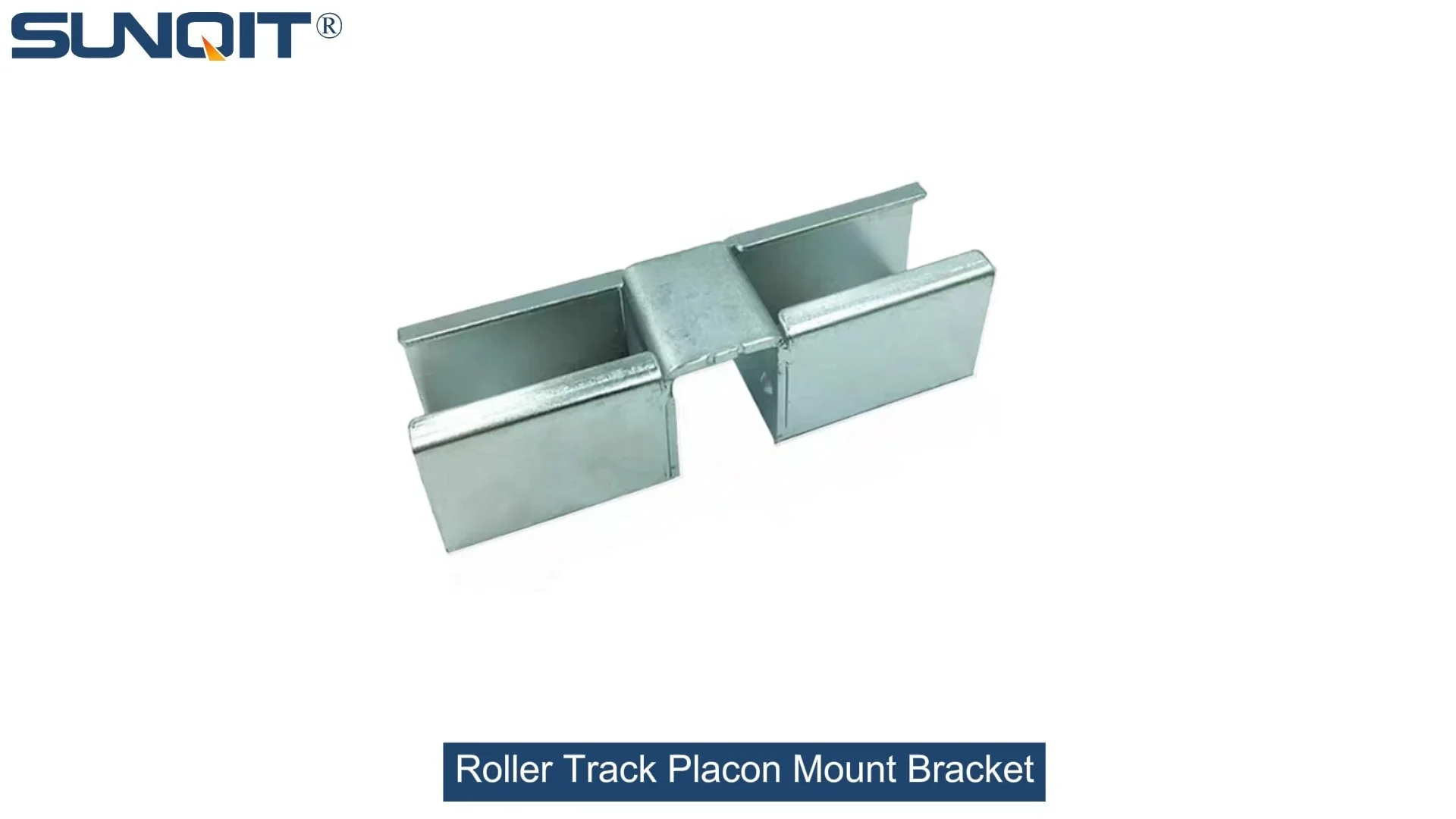
Roller Track Placon Mount Bracket
Roller track placon mount work as a connector for roller track and pipe or aluminum profile in rack syetem, it is a necessary parts in rack system which widely used in industrial plant and logistic,warehouse storage.
In the fast-paced world of manufacturing, where every second counts and production lines hum with relentless energy, there's one thing that can bring everything to a grinding halt in an instant: a safety incident. Whether it's a slipped component, a misaligned conveyor, or a sudden equipment failure, workplace accidents don't just disrupt schedules—they put lives at risk, damage morale, and eat into profits. That's why, when it comes to building reliable production systems, the smallest components often matter the most. Today, we're shining a spotlight on a unsung hero of factory floor safety: the roller track placon mount bracket. These unassuming pieces might not grab headlines, but they're the backbone of stable, secure material handling—keeping products moving smoothly, workers protected, and operations running without a hitch.
Why Roller Track Safety Starts with the Right Brackets
Think about a typical day on a manufacturing floor. Conveyors snake through the space, carrying everything from delicate circuit boards to heavy automotive parts. Workers load and unload materials, machines whir, and deadlines loom. In all this chaos, the roller tracks that guide these materials are under constant stress. They bear weight, absorb vibrations, and withstand the wear and tear of endless cycles. But none of that matters if the brackets holding them in place aren't up to the task.
Traditional roller track brackets often fall short in critical areas. Many are made from flimsy materials that bend under pressure, or they use basic designs that loosen over time with repeated use. Imagine a bracket that starts to wiggle after a few weeks—first, the roller track shifts slightly, then materials start to slide off course, and eventually, a heavy component might topple onto the floor. Worse, if a worker is nearby, that could mean a trip to the hospital. These aren't just hypothetical scenarios; manufacturing facilities report thousands of incidents each year related to unstable material handling equipment, many of which trace back to inadequate mounting systems.
That's where roller track placon mount brackets step in. Designed with safety as the top priority, these brackets aren't just "good enough"—they're engineered to prevent accidents before they happen. From their robust construction to their clever anti-slip features, every detail is crafted to keep roller tracks secure, materials in line, and workers out of harm's way. Let's break down the key safety features that make them indispensable in modern manufacturing.
Did you know? According to industry reports, over 30% of non-fatal workplace injuries in manufacturing involve material handling equipment. A significant portion of these incidents are linked to unstable or poorly mounted roller tracks and conveyors. Investing in high-quality placon mount brackets isn't just a safety choice—it's a smart business decision that reduces downtime, workers' compensation claims, and lost productivity.
5 Critical Safety Features of Roller Track Placon Mount Brackets
1. Reinforced Structural Stability: No More Wobbles or Shifts
The first line of defense against accidents is a bracket that stays put, no matter what. Roller track placon mount brackets are built with structural stability in mind, starting with the materials they're made from. Unlike cheap, plastic alternatives that crack under stress or thin metal brackets that bend, these brackets often use high-grade aluminum or steel alloys—materials known for their strength-to-weight ratio. Take, for example, the aluminum placon mount brackets designed for lean pipe systems: they're lightweight enough to keep installation easy but tough enough to handle the daily grind of a busy production line.
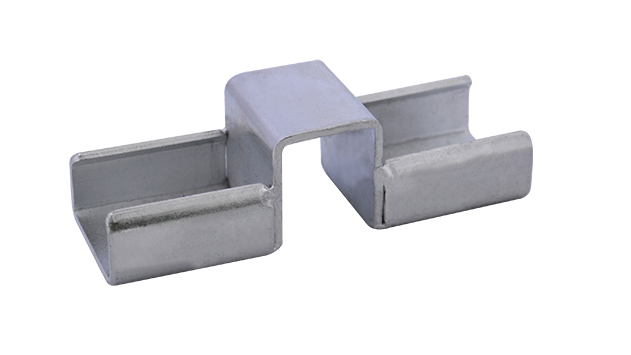
But it's not just about the material—it's how the bracket is designed. Many placon mount brackets feature a multi-point fixation system, meaning they attach to the underlying structure (like an aluminum profile or workbench frame) at multiple points. This distributes the weight of the roller track and the materials moving along it, reducing stress on any single connection. For instance, the "roller track placon mount for aluminum profile flat" model has two secure mounting points that lock into the T-slots of aluminum profiles, creating a bond that won't loosen even after months of vibration and use.
Another key design element is the "drop high" and "flat" variations, which allow for precise alignment of the roller track. A track that's even slightly tilted can cause materials to slide off, but placon mount brackets let installers adjust the height and angle with precision, ensuring the track stays level. This might seem like a small detail, but in industries like 3C assembly—where delicate electronics are moving along the line—even a tiny misalignment could scratch components or cause them to jam, leading to equipment damage or worker injury.
2. Anti-Slip and End-Stop Designs: Keeping Materials on Track
What good is a stable bracket if the materials on the roller track still slide off? Placon mount brackets address this with built-in anti-slip features that work hand-in-hand with the roller track itself. One of the most effective is the inclusion of end supports with stops, like the "end support for roller track placon mount with stop." These simple but genius additions act as barriers at the end of the track, preventing materials from sliding off the edge—even if the conveyor suddenly stops or speeds up. Imagine a box of medical device parts racing down a roller track; without that end stop, it might crash onto the floor, damaging the parts and creating a tripping hazard for nearby workers. With the stop in place, it comes to a gentle halt, right where it needs to be.
For tracks that need materials to move in multiple directions, placon mount brackets also pair seamlessly with swivel roller balls and plastic guide rails. The "swivel roller balls 1 inch" and "plastic roller track guide rail yellow" are common examples—these components reduce friction, allowing materials to glide smoothly, but they also keep items centered on the track. The guide rails act like bumpers, gently nudging misaligned items back into place, while the swivel balls distribute weight evenly, preventing tipping. In consumer electronics manufacturing, where small, lightweight parts like smartphone screens are often transported, this combination is a game-changer: it reduces the risk of parts falling off the track and getting crushed underfoot or damaged by machinery.
3. Compatibility with Lean Systems: Safety That Grows with Your Needs
Modern manufacturing isn't static—it's all about adaptability. Factories reconfigure production lines, add new workstations, and scale operations to meet demand. In this environment, safety can't be a one-and-done solution; it needs to evolve with the system. Roller track placon mount brackets excel here because they're designed to integrate with lean pipe systems and aluminum profiles, the building blocks of flexible manufacturing.
Lean systems are all about "reusable, continuously improvable" solutions, and placon mount brackets fit this ethos perfectly. They're modular, meaning you can easily swap them out, add more brackets, or reposition the roller track as your needs change—without sacrificing safety. For example, if a medical device manufacturer decides to expand their production line to include a new workbench, they can simply add more placon mount brackets to extend the roller track, knowing that the new section will be just as stable and secure as the original. This flexibility reduces the need for custom-made parts (which are often expensive and slow to produce) and ensures that safety standards remain consistent across the entire operation.
Compatibility also extends to different types of roller tracks, from the "40 steel roller track yellow wheel" to the "85 staggered roller track." Placon mount brackets are designed to work with these variations, so whether you're moving heavy automotive parts or lightweight plastic components, you can trust that the bracket will provide the right level of support. This versatility is especially valuable in warehouses and distribution centers, where the same conveyor system might handle different products from day to day. Instead of worrying about whether the brackets can keep up, workers can focus on doing their jobs safely.
4. Durable Materials for Long-Term Reliability: Safety That Doesn't Wear Out
A bracket that works great on day one but fails after a month is worse than no bracket at all—it gives a false sense of security. That's why placon mount brackets are built to last, using materials that stand up to the harsh conditions of manufacturing environments. Many are made from anodized aluminum, which resists corrosion and rust, making them ideal for factories with high humidity or exposure to chemicals. In food processing or pharmaceutical facilities, where cleanliness is critical, stainless steel versions are available, ensuring that the brackets won't contaminate products or harbor bacteria.
Even the smallest components, like the "roller track placon mount connector," are designed for durability. These connectors use high-tensile steel bolts and reinforced plastic parts that won't snap or strip, even with repeated tightening and loosening during reconfigurations. Compare this to cheap plastic brackets, which often crack at the first sign of stress, or low-grade metal brackets that rust and weaken over time—placon mount brackets are an investment in long-term safety, not a short-term fix.
This durability also plays a role in sustainability, a key part of modern lean manufacturing. By lasting longer, placon mount brackets reduce waste from frequent replacements, and their compatibility with reusable lean systems means they can be repurposed again and again. It's a win-win: safer workplaces and a smaller environmental footprint.
5. Easy Installation and Locking Mechanisms: Reducing Human Error
Even the safest bracket is only as good as its installation. A bracket that's tricky to mount or requires specialized tools increases the risk of human error—like a loose bolt or misaligned connection. Placon mount brackets solve this with user-friendly designs that make proper installation a breeze, even for workers without advanced technical training.
Many models feature "click-and-lock" or "slide-in" mechanisms that eliminate the need for complicated tools. For example, the "roller track placon mount for aluminum profile high" slides directly into the T-slot of an aluminum profile and locks into place with a simple twist of a lever. No more fumbling with nuts and bolts, no more guessing if it's tight enough—the bracket tells you when it's secure. This not only speeds up installation but also ensures that every bracket is mounted correctly, reducing the risk of failure down the line.
Clear labeling and standardized sizing also help. Placon mount brackets are often color-coded or marked with their intended use (e.g., "for 40mm roller track" or "for flat aluminum profile"), so installers can quickly grab the right part. In a busy factory where time is tight, this prevents mix-ups that could lead to using the wrong bracket for the job—a mistake that might not show up until the track is loaded with materials, putting everyone at risk.
How Placon Mount Brackets Prevent Real-World Accidents: Case in Point
To put these features into perspective, let's look at a real-world example: a 3C assembly plant that switched to roller track placon mount brackets after a series of near-misses. Before the switch, the plant was using generic steel brackets to mount their roller tracks. Within six months, they had two incidents: one where a bracket bent under the weight of heavy circuit boards, causing the track to tilt and several boards to slide off, and another where a loose bracket led to a track jamming, which damaged the conveyor motor and required hours of downtime to fix.
After upgrading to aluminum placon mount brackets with end stops and multi-point fixation, the results were striking. Over the next year, there were zero incidents related to roller track instability. The plant manager noted that the new brackets were "like night and day"—they stayed tight even with constant vibration, the end stops prevented parts from sliding off, and the easy installation meant workers could reconfigure the line quickly without cutting corners on safety. "We used to hold our breath every time a heavy load went through," he said. "Now, we trust the system to do its job, and that peace of mind is priceless."
Safety Stats That Matter: A study by the Manufacturing Safety Association found that facilities using modular, safety-focused mounting systems (like placon mount brackets) reported a 40% reduction in material handling-related accidents compared to those using traditional brackets. They also saw a 25% decrease in downtime due to equipment failures—a testament to how safety and productivity go hand in hand.

Comparing Safety Features: Placon Mount vs. Traditional Brackets
| Safety Feature | Placon Mount Brackets | Traditional Brackets |
|---|---|---|
| Structural Stability | Multi-point fixation, high-grade aluminum/steel, adjustable height/angle | Single-point fixation, low-grade metal/plastic, limited adjustability |
| Anti-Slip Protection | End stops, guide rails, swivel roller ball compatibility | No built-in stops; relies on external guards (often missing) |
| Durability | Anodized or stainless steel, corrosion-resistant, long lifespan (5+ years) | Prone to rust, bending, or cracking (1-2 year lifespan) |
| Installation Ease | Tool-free or simple tools, click-and-lock mechanisms, clear labeling | Requires specialized tools, complicated assembly, high risk of error |
| Compatibility with Lean Systems | Modular, works with lean pipe, aluminum profiles, and various roller tracks | One-size-fits-all, hard to reconfigure, not reusable |

The Bottom Line: Safety Isn't Optional—It's Built In
At the end of the day, manufacturing is about more than just making products—it's about making sure the people who make those products go home safely every night. Roller track placon mount brackets might not be the most glamorous part of a production line, but they're a critical investment in that mission. From their rock-solid stability to their anti-slip designs, from their compatibility with lean systems to their user-friendly installation, every feature is engineered to prevent accidents before they happen.
So, the next time you're designing or upgrading a material handling system, don't overlook the brackets. Choose placon mount brackets that prioritize safety, and you'll not only protect your workers—you'll protect your productivity, your reputation, and your bottom line. After all, in manufacturing, the best production line is one that runs safely, smoothly, and sustainably—day in, day out.