- Company Articles
- Products and Technology
- Product knowledge
- Scratch Repair on T-Groove Aluminum Pipe: Restoring Aesthetics & Functionality

Scratch Repair on T-Groove Aluminum Pipe: Restoring Aesthetics & Functionality
Related Product
T-Groove Aluminum Pipe
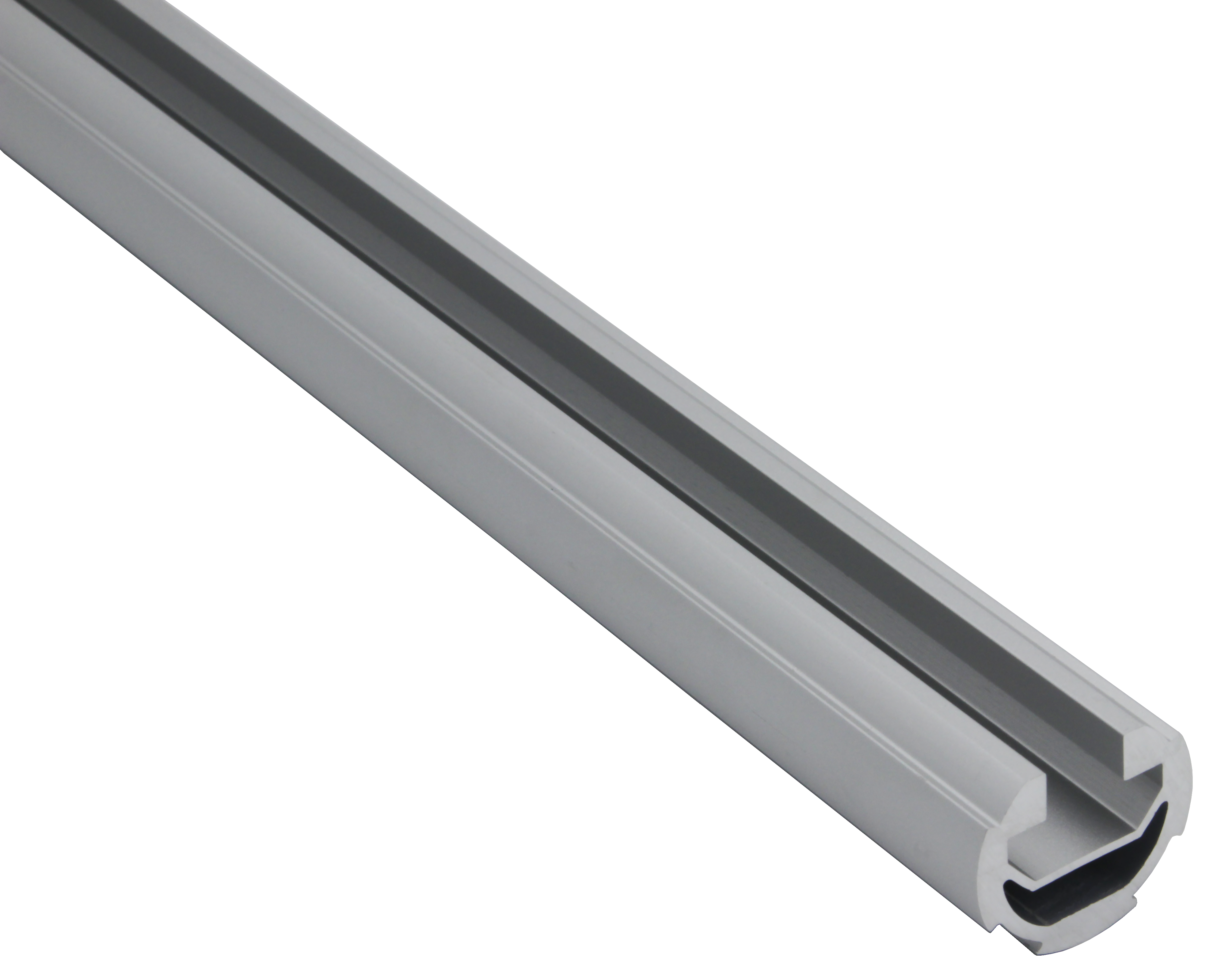
The aluminum pipe opening 10mm is installed into the T-shaped slider, which can be installed with casters or other matching functional parts. The groove can be used for positioning and is used for the track of the roller.
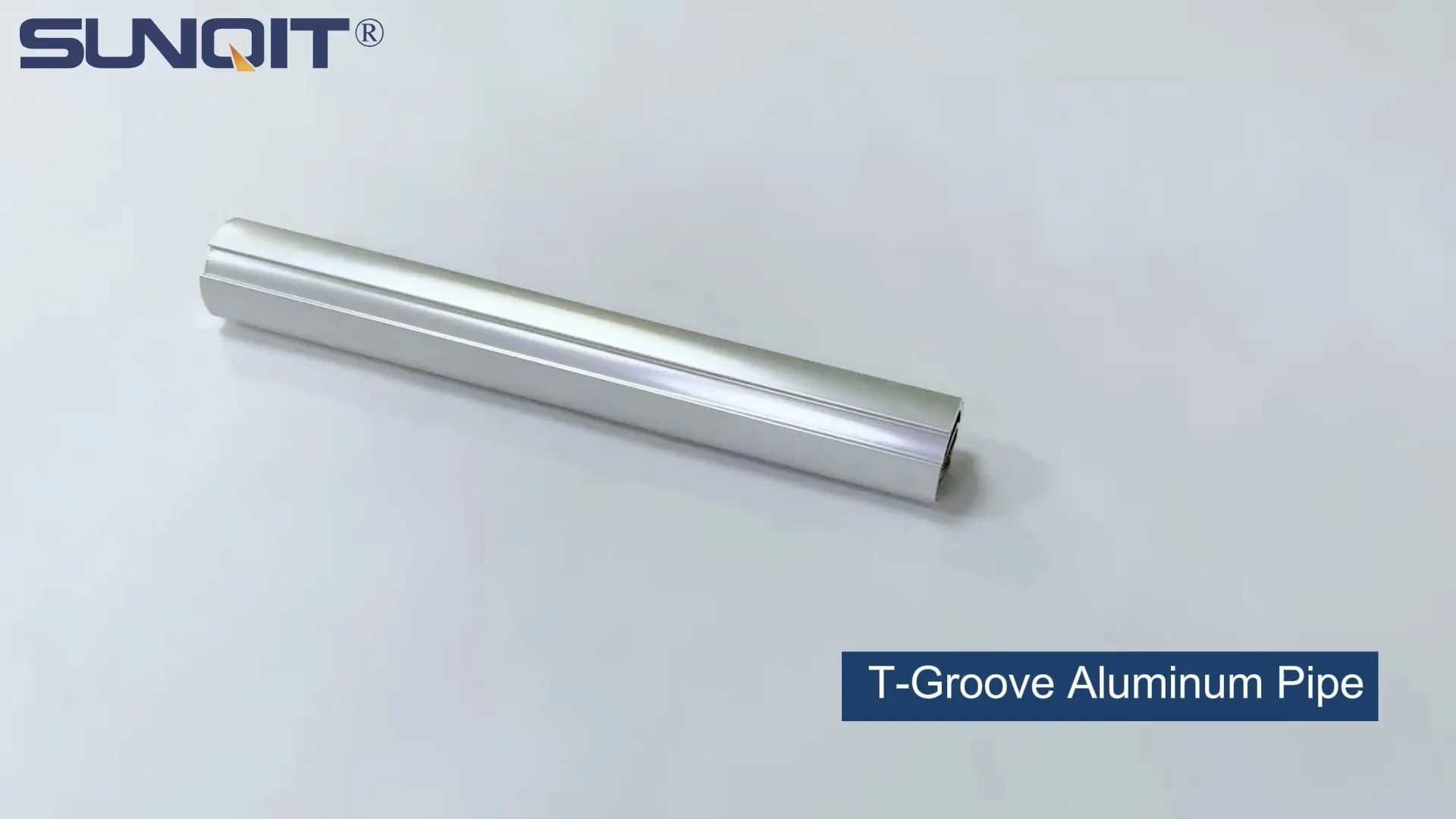
Walk into any modern workshop, manufacturing floor, or even a well-organized garage, and you're likely to spot them: sleek, silver lengths of T-groove aluminum pipe forming the backbone of workbenches, material racks, and conveyor systems. These pipes are the unsung heroes of efficient spaces—durable, lightweight, and infinitely customizable, thanks to their signature T-shaped slots that snap into place with aluminum profile accessories. But even the toughest materials aren't immune to the chaos of daily use. A stray wrench, a sliding toolbox, or a misaligned trolley wheel, and suddenly there it is: a scratch. At first, it might seem like a minor eyesore, but over time, that small blemish can nag at you—especially if you take pride in the look and functionality of your workspace. Worse, deep scratches might even interfere with how well T-slot aluminum pipe accessories fit into the groove, throwing off the precision these systems are known for. The good news? Scratches on T-groove aluminum pipe aren't permanent. With a little patience, the right tools, and a methodical approach, you can restore your pipes to their former glory. Let's dive into how.
Understanding T-Groove Aluminum Pipe: Why It Matters
Before we jump into repair, let's take a moment to appreciate why T-groove aluminum pipe is so widely used. Unlike plain steel or plastic pipes, T-groove (or T-slot) aluminum pipe is designed with a long, narrow channel running along its length—the "T-slot." This slot isn't just for show; it's a gateway to endless customization. Slide in a bracket, bolt on a shelf, or clip a tool holder, and suddenly a simple pipe becomes part of a workbench, a flow rack, or a mobile trolley. It's the backbone of lean systems, where adaptability and efficiency are key.
But here's the thing: aluminum, while strong, has a soft, matte finish that shows scratches more easily than, say, stainless steel. That's because its surface is relatively delicate—think of it like a high-quality car paint job. A light swipe with a rough object might not damage the pipe's structural integrity, but it can leave a visible mark. And if that scratch is in a high-traffic area, like the edge of a workbench or the rail of a material rack, it can start to look worn fast. Deep scratches are another concern: if the groove itself is nicked, it might not grip aluminum pipe accessories as tightly, leading to wobbly shelves or misaligned tools. So repairing scratches isn't just about aesthetics—it's about keeping your T-groove system working as smoothly as the day you installed it.
Types of Scratches: Know What You're Dealing With
Not all scratches are created equal. Before grabbing sandpaper and polish, take a close look at the damage. The repair method depends on how deep and wide the scratch is. Here are the three most common types you'll encounter:
1. Light Surface Scratches
These are the most common and the easiest to fix. Light scratches are shallow—you can barely feel them with your fingertip, and they only affect the top layer of the aluminum's finish. They often look like faint, silvery lines that catch the light when you tilt the pipe. How do they happen? Maybe a dusty cloth was dragged across the surface, or a plastic tool slid off the workbench and grazed the pipe. They're cosmetic, not structural, but they can make your setup look neglected.
2. Medium Scratches
Medium scratches are a step up. You can feel these with your nail—they have a slight "ridge" along the edges. They might be wider than light scratches, and they dig deeper into the aluminum's surface, though not all the way through the metal. Common culprits? Dropping a metal tool (like a pair of pliers) that skids across the pipe, or a trolley wheel that locks up and scrapes as it's moved. These scratches don't usually affect the T-slot's functionality, but they're harder to ignore visually.
3. Deep Gouges
Deep gouges are the worst-case scenario. These are large, noticeable indentations where the aluminum itself is displaced. You can easily feel them with your finger, and in severe cases, they might even distort the shape of the T-slot. How do they happen? Heavy impacts—like a wrench being dropped directly onto the pipe, or a pallet being slammed into a material rack. Deep gouges aren't just ugly; they can interfere with how well accessories like brackets or guides fit into the T-slot. If the groove's edges are nicked, an accessory might not slide smoothly or could even get stuck. These require more intensive repair, but they're still fixable with the right approach.
Pro Tip: To check scratch depth, run your fingernail gently across the scratch. If your nail doesn't catch, it's light. If it catches slightly, it's medium. If your nail sinks into the groove, it's a deep gouge.
Gathering Your Tools: What You'll Need
Repairing scratches on T-groove aluminum pipe doesn't require a fully stocked workshop, but having the right tools will make the process smoother and the results better. Here's a breakdown of what you'll need, organized by task:
| Tool/Item | Purpose | Why It's Important |
|---|---|---|
| Isopropyl alcohol (70%+) | Cleaning the scratch area | Removes grease, dust, and oils that can trap sandpaper grit and make scratches worse. |
| Microfiber cloths (2-3) | Wiping and polishing | Soft and lint-free, so they won't leave behind fibers or scratch the aluminum further. |
| Sandpaper (400-grit, 800-grit, 1200-grit) | Smoothing the scratch | Start coarse (400) to level the scratch, then finer (800, 1200) to blend the area. |
| Aluminum polish (non-abrasive) | Restoring shine | Removes haze left by sanding and brings back the aluminum's natural luster. |
| Aluminum filler (two-part epoxy, e.g., JB Weld for Aluminum) | Filling deep gouges | Bonds to aluminum and can be sanded smooth, rebuilding lost material in deep scratches. |
| Putty knife or plastic spreader | Applying filler | Helps spread filler evenly and remove excess without damaging the pipe. |
| Touch-up paint (aluminum-matched) | Covering discoloration (optional) | For pipes with colored or anodized finishes; ensures the repair blends in. |
| Masking tape | Protecting surrounding areas | Prevents sandpaper or polish from affecting the T-slot or adjacent pipe sections. |
Note:
Avoid using steel wool or abrasive sponges—they're too harsh and can leave more scratches than you started with. Stick to aluminum-specific products when possible; general metal polish might contain chemicals that dull aluminum's finish.

Step-by-Step Repair Guide: From Scratch to Shine
Step 1: Clean the Area Thoroughly
This might seem obvious, but skipping this step is the biggest mistake DIY repairers make. Even a tiny speck of dirt can act like sandpaper when you start sanding, creating new scratches. Here's how to do it right:
First, wipe the scratch and the area around it with a dry microfiber cloth to remove loose dust. Then, dampen a second microfiber cloth with isopropyl alcohol—don't soak it, just enough to make it slightly wet. Gently rub the scratch in small circles, focusing on the damaged area. Let it air dry for 2-3 minutes (alcohol evaporates quickly, so this won't take long). Once dry, give it one more wipe with a clean, dry microfiber cloth to ensure no residue is left behind.
Step 2: Protect the T-Slot and Surroundings
The T-slot is the pipe's most important feature—you don't want to accidentally sand or polish it. Grab a roll of masking tape and carefully cover the T-slot along the length of the scratch. Press the tape firmly to ensure no sandpaper grit seeps underneath. If the scratch is near the edge of the pipe (common on workbench rails), also tape off any adjacent surfaces (like the workbench top) to avoid damaging them.
Step 3: Sanding (For Light to Medium Scratches)
Sanding is where the magic happens—but it's also where you can go wrong if you rush. The goal is to "level" the scratch by removing a tiny layer of aluminum around it, blending the scratch into the surrounding surface. Here's how:
Start with 400-grit sandpaper. Fold it into a small square (about 2x2 inches) so you can grip it firmly. Hold the sandpaper at a 45-degree angle to the scratch, and sand in
straight lines
along the length of the pipe (not circular motions). Why straight lines? Aluminum has a "grain" (visible if you look closely), and sanding with the grain helps avoid creating new, crosswise scratches. Apply light pressure—let the sandpaper do the work. Check the scratch every 10-15 strokes by wiping away dust with a dry cloth. You'll notice the scratch starting to fade as the high spots around it are sanded down.
Once the scratch is barely visible with 400-grit, switch to 800-grit sandpaper. Repeat the process, sanding with the grain, but this time use even lighter pressure. The 800-grit will smooth out the rough marks left by the 400-grit. Finally, for a near-invisible finish, use 1200-grit sandpaper. This ultra-fine grit will polish the area to a smooth, matte sheen. Wipe away all dust with a microfiber cloth when you're done—you should now have a smooth, scratch-free surface (or close to it).
Step 4: Polishing to Restore Shine
Sanding removes scratches, but it also leaves the aluminum looking dull and hazy. Polishing will bring back that signature aluminum shine. Squeeze a small amount of non-abrasive aluminum polish onto a clean microfiber cloth (about the size of a dime). Rub the polish into the sanded area using small, circular motions. Apply moderate pressure—you want the polish to work into the aluminum's pores. Keep rubbing until the polish starts to dry (it will turn from liquid to a powdery haze). Let it sit for 1-2 minutes, then buff the area with a
clean
microfiber cloth (don't reuse the one with polish on it) using fast, circular motions. You'll see the haze lift, revealing a shiny, smooth surface. If the finish still looks uneven, repeat the process with a tiny bit more polish.
Step 5: Filling Deep Gouges (When Sanding Isn't Enough)
For deep gouges—where the aluminum is actually indented—sanding alone won't work. You'll need to fill the gouge with aluminum filler first. Here's how:
Start by cleaning and taping off the area as described in Steps 1-2. Then, mix your two-part aluminum filler according to the manufacturer's instructions (most require mixing equal parts of resin and hardener). Work quickly—filler sets fast (usually 5-10 minutes). Use a putty knife to apply the filler to the gouge, overfilling slightly (it will shrink as it dries). Smooth the filler with the putty knife, feathering the edges to blend it into the surrounding aluminum. Let it cure completely (check the product label—some take 30 minutes, others 24 hours). Once cured, the filler will be hard and sandable.
Now, sand the filled area starting with 400-grit sandpaper, following the same straight-line, with-the-grain method as before. Sand until the filler is level with the pipe's surface—you'll know it's ready when the area feels smooth to the touch. Then switch to 800-grit and 1200-grit, as before, to blend the edges. Finally, polish the area to match the rest of the pipe. Pro tip: If your pipe has a colored or anodized finish, use touch-up paint after polishing to cover any slight discoloration from the filler. Apply the paint with a small brush, let it dry, then buff lightly with 1200-grit sandpaper and polish again for a seamless look.
Step 6: Remove Tape and Inspect
Carefully peel off the masking tape (pull it slowly at a 45-degree angle to avoid lifting any fresh paint or polish). Stand back and inspect your work. Hold the pipe at different angles to catch light—this will reveal any remaining imperfections. If you spot a tiny scratch you missed, repeat the sanding and polishing steps on that small area. If the repair looks good, give the entire pipe a quick wipe with a microfiber cloth to remove any remaining dust or tape residue.

Preventing Future Scratches: Keep Your T-Groove Pipe Looking New
Now that your T-groove aluminum pipe is scratch-free, let's talk about keeping it that way. Prevention is always easier than repair, and a few simple habits can go a long way:
1. Use Aluminum Profile Accessories for Protection
One of the best things about T-slot aluminum pipe is its compatibility with aluminum profile accessories—and many of these accessories can double as scratch protectors. For example, edge guards (plastic or rubber strips that snap into the T-slot) add a buffer between the pipe and tools. Corner protectors (small L-shaped brackets) shield vulnerable corners from impacts. Even something as simple as a rubber mat draped over a workbench rail can prevent scratches from sliding tools. Check with your aluminum pipe supplier—they likely carry a range of protective accessories designed for T-slot systems.
2. Handle Tools and Materials with Care
Most scratches happen when tools or materials are dragged or dropped onto the pipe. Get in the habit of lifting heavy items (like toolboxes or parts bins) instead of sliding them across workbench rails. When moving trolleys or carts, ensure the wheels are clean and aligned—debris stuck in a wheel can act like sandpaper as you roll. And if you're working near T-groove pipes, set tools down gently (we know, easier said than done in a busy workshop, but small changes add up).
3. Regular Cleaning
Dust and grit are silent scratchers. Wipe down your T-groove aluminum pipes with a microfiber cloth and mild soap (or just water) once a week. This removes abrasive particles before they can embed in the surface. For hard-to-reach areas (like the T-slot itself), use a soft-bristled brush (an old toothbrush works!) to dislodge dust, then wipe clean.
4. Apply a Protective Coating (Optional)
For high-traffic areas (like the rails of a conveyor system or a frequently used workbench), consider applying a clear, protective coating designed for aluminum. Products like aluminum wax or clear lacquer can add a thin, invisible layer that resists scratches and makes cleaning easier. Just make sure to clean the pipe thoroughly before applying, and follow the manufacturer's instructions for drying time. Note: Avoid coatings that are thick or sticky, as they might interfere with T-slot aluminum pipe accessories fitting into the groove.
When to Call in the Pros
Most scratches can be fixed with the DIY methods above, but there are times when it's better to seek help. If the scratch is
extremely deep
(more than 1/8 inch) and runs along the T-slot, it might compromise the pipe's ability to hold accessories securely. In this case, contact your aluminum pipe supplier—they may recommend replacing the section of pipe (T-slot systems are modular, so replacement is usually easy). Similarly, if the pipe is bent or dented (not just scratched), structural integrity could be an issue. And if you've tried sanding and polishing but the scratch still stands out (common with colored or anodized finishes), a professional metal refinisher might have access to specialized tools (like buffing wheels or color-matching paint) to get a seamless result.
Final Thoughts: Scratches Happen—But They Don't Have to Stay
T-groove aluminum pipe is built to last, but it's not built to be perfect. Scratches are a natural part of life in a working space, whether it's a busy factory or a home garage. The key is to not let them get you down—and to know that with a little effort, you can make them disappear. By following the steps above—cleaning thoroughly, sanding with care, polishing to a shine, and using aluminum profile accessories to prevent future damage—you'll keep your T-slot system looking sharp and working smoothly for years to come. Remember, the goal isn't just a pretty pipe; it's a functional, efficient space that makes your work easier. And a scratch-free surface? That's just the cherry on top.