- Company Articles
- Products and Technology
- Product knowledge
- Scratch-Resistant 2020 Aluminum Profile End Caps: Protecting Surfaces

Scratch-Resistant 2020 Aluminum Profile End Caps: Protecting Surfaces
Related Product
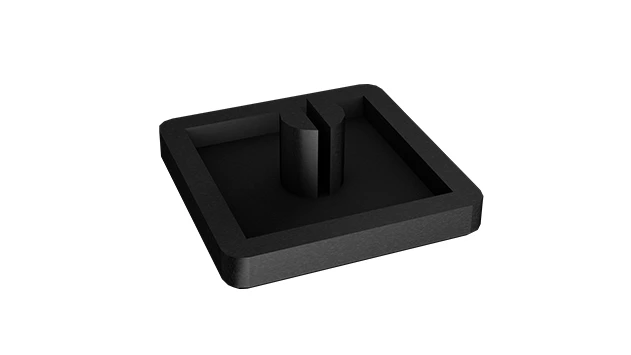
2020 Aluminum Profile End Cap
The aluminum profile end cap adds a finishing touch to your project and closes off profile ends to limit dust and debris buildup, also it can avaid some scratch for material and labor during the assemble work.
The Unsung Heroes of Aluminum Profiles
Walk into any busy workshop, manufacturing plant, or even a modern office, and you'll likely spot aluminum profiles hard at work. They're the backbone of workbenches, material racks, conveyor systems, and lean manufacturing setups—quietly holding everything together with their strength and versatility. But here's the thing: even the sturdiest aluminum extrusion profile has a vulnerable spot. Look closely at the ends of those profiles, and you might notice sharp edges, exposed metal, or worse—scratches marring the surfaces they touch. That's where the 2020 aluminum profile end cap comes in. It's a small accessory, sure, but one that plays a huge role in keeping surfaces smooth, safe, and scratch-free.
Let's be real: no one likes dealing with scratches. Whether it's a workbench top getting nicked by a profile's raw end, a conveyor track scuffing up products as they slide by, or even a simple storage rack leaving marks on walls or floors, those little blemishes add up. They make spaces look unprofessional, they shorten the lifespan of equipment, and they can even create safety hazards—sharp edges from unprotected profiles are no joke. But with a quality end cap, you can wave goodbye to those headaches. These tiny caps slip right onto the ends of aluminum profiles, softening edges, blocking debris, and acting as a buffer between the metal and whatever surface it touches. And when they're scratch-resistant? That's when they truly shine.
What Exactly Is a 2020 Aluminum Profile End Cap?
First, let's get clear on the basics. Aluminum profiles come in all shapes and sizes, each designed for specific jobs. The "2020" in 2020 aluminum profile refers to its dimensions: typically 20mm by 20mm, making it a popular choice for lightweight yet sturdy structures. Think small workbenches, shelving units, or components in lean systems where space and weight matter. Now, the end cap? It's a simple, usually plastic or rubber accessory that's engineered to fit snugly over the open ends of these 2020 profiles. Think of it as a protective cap for your profile's "toes"—keeping them covered and safe.
But not all end caps are created equal. Some are flimsy, made from cheap plastic that cracks or falls off after a few weeks. Others might fit poorly, leaving gaps that let dust, moisture, or debris seep into the profile (which can lead to rust or corrosion over time). The best ones, though—like the scratch-resistant variety we're focusing on—are built to last. They're made from durable materials, designed to stay put even in high-traffic areas, and most importantly, they're tough enough to resist scratches from daily wear and tear.
So why does scratch resistance matter so much here? Let's say you've got a lean system setup with 2020 profiles forming the frame of a material rack. Every time you slide a bin or box onto that rack, the end of the profile (if unprotected) could rub against the bin, leaving a scratch. Over time, those scratches on the bin might weaken it, or the bin might start scratching the rack back. It's a lose-lose. But with a scratch-resistant end cap, that contact is buffered by a smooth, durable surface that can handle the friction without marking up either the profile or the items it interacts with. It's like putting a soft, tough sock over a shoe—no more scuff marks on the floor.

The Secret to Scratch Resistance: Materials Matter
What makes a 2020 aluminum profile end cap scratch-resistant? It all comes down to the materials. Most end caps are made from plastic, but not just any plastic. Manufacturers use specialized blends designed to balance flexibility, durability, and—you guessed it—scratch resistance. Let's break down some of the most common materials you'll find:
- Polypropylene (PP): A go-to for many accessories, PP is lightweight, chemical-resistant, and moderately scratch-resistant. It's a solid all-around choice for low to medium-traffic areas.
- Thermoplastic Elastomer (TPE): TPE is like a hybrid of plastic and rubber—it's flexible, grippy, and has excellent impact resistance. Its soft texture makes it great at absorbing friction, which means fewer scratches on both the cap and the surfaces it touches.
- Nylon: Known for its strength and heat resistance, nylon end caps are tough cookies. They stand up well to heavy use and are less likely to scratch than softer plastics, making them ideal for high-traffic lean system setups.
- PVC: While not as scratch-resistant as TPE or nylon, PVC is affordable and widely available. It works well in dry, low-wear environments where budget is a priority.
But material alone isn't enough. The design of the end cap also plays a role. Look for caps with smooth, rounded edges—sharp corners on the cap itself can cause scratches, even if the material is tough. A snug fit is another must: if the cap wiggles or slips off, the profile's end is exposed again, defeating the purpose. Some manufacturers even add reinforcements or textured surfaces to their caps to enhance scratch resistance further. For example, a cap with a slightly raised lip can act as a first line of defense, taking the brunt of any contact before it reaches the surface below.

Why Scratch-Resistant End Caps Are Non-Negotiable in Lean Systems
Lean manufacturing is all about efficiency—eliminating waste, streamlining processes, and keeping operations running like clockwork. In a lean system, every component has a job, and any hiccup can throw off the whole workflow. That's why aluminum profile accessories like scratch-resistant end caps are so critical here. Let's paint a picture: imagine a busy assembly line with a conveyor system built from 2020 aluminum profiles. Products glide along the conveyor, and at each station, workers grab parts from nearby material racks (also made with 2020 profiles). Now, if those racks have unprotected ends, every time a worker slides a bin back onto the rack, the metal edge might scratch the bin. Over time, those bins get damaged and need replacing—waste. Or maybe the conveyor's profile ends are scuffing the products as they pass by—suddenly, you've got defective items, another form of waste. With scratch-resistant end caps, those issues disappear. The caps protect the bins, the products, and the profiles themselves, reducing waste and keeping the line moving smoothly.
Safety is another big player in lean systems. Exposed aluminum profile ends can be sharp, posing a risk of cuts to workers. A scratch-resistant end cap not only softens those edges but also stays in place even with repeated contact, ensuring the workspace stays safe. And let's not forget aesthetics: a lean system is supposed to look organized and professional. Scratched workbenches, scuffed racks, and damaged walls don't exactly scream "efficiency." End caps keep everything looking clean and well-maintained, which boosts morale and makes a better impression on anyone visiting the facility.
Comparing the Best Scratch-Resistant End Cap Materials
With so many materials to choose from, how do you know which end cap is right for your setup? Let's break it down with a quick comparison. The table below looks at the four most common materials—PP, TPE, Nylon, and PVC—rating them on scratch resistance, durability, cost, and best-use scenarios. This should help you narrow down your options based on your specific needs.
| Material | Scratch Resistance (1-10) | Durability (1-10) | Cost (1=Low, 5=High) | Best For |
|---|---|---|---|---|
| Polypropylene (PP) | 6 | 7 | 2 | Low-traffic workbenches, dry environments |
| Thermoplastic Elastomer (TPE) | 9 | 8 | 3 | Conveyor systems, material racks, high-contact areas |
| Nylon | 8 | 10 | 4 | Heavy-duty lean systems, industrial workshops |
| PVC | 5 | 6 | 1 | Budget setups, low-wear storage racks |
As you can see, TPE and Nylon are the stars when it comes to scratch resistance, with TPE edging out Nylon in that category thanks to its flexible, friction-absorbing texture. Nylon, however, takes the lead in durability—it's tough enough to handle heavy impacts and repeated use without cracking or wearing down. PP and PVC are more budget-friendly but better suited for lighter-duty jobs. So, if you're running a busy lean system with lots of movement and contact, TPE or Nylon is the way to go. For a simple storage rack in a quiet office? PP or PVC might be all you need.
Installing Your 2020 Aluminum Profile End Cap: It's Easier Than You Think
Okay, so you've picked out the perfect scratch-resistant end cap for your 2020 aluminum profile. Now what? Installing it is a breeze—no special tools, no complicated instructions, just a few simple steps. Let's walk through it:
- Clean the profile end: Before installing the cap, wipe the end of the aluminum extrusion profile with a dry cloth to remove any dust, dirt, or debris. A clean surface ensures the cap fits snugly and stays in place.
- Check the fit: Most end caps are designed to be a "press-fit," meaning they slide on with a little pressure. Gently align the cap with the profile's end, making sure the edges line up. If it's a tight fit (which it should be!), don't force it—you could damage the cap. Instead, warm it up slightly with your hands (the heat softens the plastic a bit) or use a rubber mallet to tap it on gently.
- Test for security: Once the cap is on, give it a little tug. It should stay put without wiggling. If it slips off easily, check if the profile is the right size (remember, this is for 2020 profiles!) or if the cap is damaged. A properly installed cap should feel like part of the profile itself.
Pro tip: If you're installing end caps on multiple profiles (like in a workbench or rack), do them all at once. It's quick, and you'll ensure consistency across your setup. Also, keep a few extra caps on hand—they're small, so they're easy to lose, and having spares means you can replace one if it gets damaged without stopping work.
Beyond Scratches: The Hidden Benefits of End Caps
We've talked a lot about scratch resistance, but end caps offer more than just surface protection. Let's dive into some of the other perks that make them a must-have aluminum profile accessory:
- Dust and debris protection: The open ends of aluminum profiles are like tiny magnets for dust, dirt, and even small tools or (parts). An end cap seals off that opening, preventing gunk from building up inside the profile. This is especially important in manufacturing environments where debris can clog up moving parts or contaminate products.
- Moisture resistance: In damp environments (like a warehouse with high humidity or a workshop near a water source), exposed profile ends can rust. A snug end cap acts as a barrier, keeping moisture out and protecting the profile's structural integrity.
- Noise reduction: Ever noticed how metal-on-metal contact makes a loud, annoying clatter? End caps soften those impacts. When a bin hits a capped profile end, or a product slides along a conveyor with capped edges, the noise is muffled—making the workspace quieter and more pleasant.
- Aesthetic appeal: Let's face it—raw aluminum ends look unfinished. End caps give profiles a clean, polished look, making your lean system, workbench, or rack look professional and well-maintained. Many caps even come in different colors (like black, white, or gray), so you can match them to your setup's color scheme.
These benefits add up to one thing: lower maintenance costs. Think about it: fewer scratches mean less need to refinish surfaces or replace damaged equipment. Less debris in profiles means fewer repairs to moving parts. Less rust means longer-lasting profiles. Over time, investing in quality end caps saves you time, money, and headaches—all from a tiny accessory that costs just a few dollars.
How to Spot a Quality Scratch-Resistant End Cap
Not all end caps labeled "scratch-resistant" are created equal. Some are just marketing hype, while others deliver on their promise. So how do you separate the best from the rest? Here are a few key things to look for when shopping for 2020 aluminum profile end caps:
- Material specs: Don't just take the manufacturer's word for it—look for details on the material. TPE and Nylon are good signs, as we saw earlier. Avoid vague terms like "plastic" without specifics.
- Customer reviews: Check what other users are saying. If people mention that the caps "scratch easily" or "wear down quickly," steer clear. Look for reviews that praise durability and scratch resistance, especially from users in similar industries (like manufacturing or lean system setups).
- Warranty: A manufacturer who stands behind their product will offer a warranty. Even a short warranty (like 6 months) is a good sign—if they're confident the cap won't scratch or fail, they're willing to back it up.
- Fit and finish: Hold the cap in your hand (if possible). It should feel sturdy, not flimsy. The edges should be smooth, with no rough spots or burrs. When you press it onto a sample profile, it should fit tightly without gaps.
It's also worth buying from a reputable aluminum profile accessories supplier. Suppliers who specialize in lean system components or aluminum extrusion profiles are more likely to carry high-quality end caps, as they understand the needs of their customers. Avoid generic, no-name caps from discount sites—you might save a few cents upfront, but you'll end up replacing them sooner, costing you more in the long run.
Real-World Results: How End Caps Transformed One Workshop
Let's wrap up with a quick story to drive home just how impactful these little caps can be. A few years back, I worked with a small electronics manufacturing plant that was struggling with scratched workbenches. Their assembly line used 2020 aluminum profiles to build modular workstations, and over time, the exposed ends of those profiles had left countless scratches on the benchtops. Workers were frustrated—no one likes working on a beat-up surface—and the plant manager was tired of replacing benchtop covers every few months. To make matters worse, some of the sharper profile ends had even nicked a few circuit boards, leading to defective products.
We suggested installing scratch-resistant TPE end caps on all their 2020 profiles. At first, the manager was skeptical—"How much difference can a little plastic cap make?"—but they agreed to try it. A week later, I checked in, and the difference was night and day. The workbenches looked cleaner, with no new scratches. The circuit board nicks stopped. And the workers? They mentioned how much nicer it was to slide tools and parts across the bench without that annoying "scratching" sound. Six months later, the benchtops still looked almost new, and the plant had saved hundreds of dollars on replacement covers and defective products. All from a few dollars' worth of end caps.
That's the power of paying attention to the small details. In manufacturing, in lean systems, and in any workspace where aluminum profiles are used, the 2020 aluminum profile end cap isn't just an accessory—it's an investment in efficiency, safety, and longevity. It's proof that sometimes, the best solutions come in the smallest packages.
Final Thoughts: Protect What Matters
At the end of the day, scratch-resistant 2020 aluminum profile end caps are all about protection—protecting your surfaces, your equipment, your products, and even your team. They're a simple, affordable way to add value to your aluminum extrusion profiles and keep your workspace running smoothly. Whether you're setting up a new lean system, upgrading an old workbench, or just looking to reduce maintenance costs, don't overlook these tiny heroes.
So the next time you're working with 2020 aluminum profiles, remember: the ends matter. Give them the protection they deserve with a quality, scratch-resistant end cap. Your surfaces (and your sanity) will thank you.