- Company Articles
- Products and Technology
- Solution
- Sealing Solutions: Why Plastic Pipe End Caps Are Essential for Pipe Protection

Sealing Solutions: Why Plastic Pipe End Caps Are Essential for Pipe Protection
Related Product
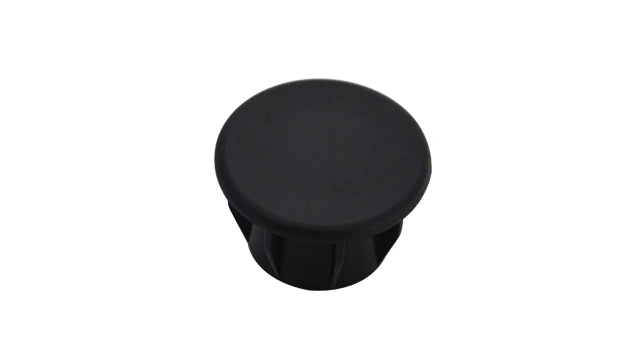
Plastic pipe end cap
Plastic pipe cover, used for 28mm two end cover and protection, to avoid any scratch from sharp metal surface.
Step onto any factory floor, peer into a busy workshop, or even glance at the storage racks in your local hardware store, and you'll see them—pipes. They're the unsung infrastructure holding our industrial world together: forming the frames of lean pipe workbenches, guiding materials along roller tracks, supporting conveyor systems, and stabilizing everything from assembly lines to warehouse shelving. Yet for all their structural importance, there's one tiny component that often gets overlooked, even though it's critical to keeping these pipes functional: the plastic pipe end cap. In this article, we'll explore why these small, unassuming caps aren't just optional add-ons—they're essential safeguards for your equipment, your productivity, and your peace of mind.
First Things First: What Are Plastic Pipe End Caps?
Let's start with the basics. Plastic pipe end caps are precisely what their name suggests: protective covers designed to fit tightly over the exposed ends of pipes. Crafted from resilient plastics like polyethylene (PE), polypropylene (PP), or PVC, they come in an array of sizes, from tiny 0.5-inch caps for delicate tubing to larger diameters for heavy-duty pipes. You might recognize their familiar shapes—some are dome-topped, others flat; some have ridges for a better grip, others are smooth. And yes, those vibrant yellow or understated grey hues you've seen on factory equipment? Those are often plastic end caps, chosen not just for visibility but to coordinate with tools like plastic roller track guide rails, creating a cohesive, professional look in industrial spaces.
What makes them so effective? Their design is brilliantly functional: a slightly tapered body that wedges securely into or over a pipe's end, and a solid top that blocks out unwanted intruders. They're lightweight, easy to install, and surprisingly durable—capable of withstanding impacts, temperature changes, and even mild chemicals. But perhaps their greatest strength is their simplicity: they do one job, and they do it exceptionally well.
Pipes: The Backbone of Modern Industry
To truly grasp why end caps matter, we need to appreciate how integral pipes are to daily operations. Let's take a quick tour of their roles:
Lean Pipe Systems: These modular marvels, built with lightweight yet sturdy lean pipes and joints, are the backbone of lean manufacturing. They form everything from workbenches to material carts, allowing teams to reconfigure workflows in minutes. Walk into any electronics plant, and you'll see lean pipe workbenches customized with tool holders, shelves, and bins—all supported by interconnected pipes.
Aluminum Pipes: Sleeker and more corrosion-resistant than traditional steel, aluminum pipes shine in high-precision environments. Think of a 38 aluminum roller track in a medical device factory, where cleanroom standards demand materials that won't rust or shed particles. Aluminum pipes also excel in outdoor settings, like warehouse racks exposed to rain and humidity.
Roller Tracks: These are the circulatory system of material handling. Whether it's a gravity-fed roller track moving boxes in a warehouse or a powered conveyor in an automotive plant, roller tracks rely on smooth, unobstructed pipes to keep rollers spinning and products flowing. A single clogged or damaged pipe can bring an entire line to a halt.
Workbenches & Storage Racks: The humble workbench, where assembly, repair, and creation happen, often owes its stability to pipes. Similarly, storage racks—whether holding raw materials or finished goods—depend on pipe frames to bear heavy loads. Without strong, intact pipes, these structures wobble, bend, or even collapse.
In short, pipes are everywhere. And every single one of those pipes has an open end that needs protection.

The Hidden Risks of Uncapped Pipes
It's easy to dismiss an open pipe end as a minor issue. After all, it's just a small hole, right? But over time, that "small hole" can lead to big problems. Let's break down the risks:
Debris: The Silent Saboteur
Imagine a lean pipe workbench in a woodworking shop. Sawdust fills the air, settling on every surface—including the open ends of the workbench's support pipes. Over weeks, that sawdust accumulates inside the pipes, compacting into a dense plug. When the workbench is moved or jostled, that plug shifts, weakening the pipe's structural integrity. Suddenly, the once-sturdy workbench sags, tools slide, and precision work becomes impossible. Or consider a roller track in a metal fabrication shop: metal shavings fall into uncapped pipes, jamming the rollers and turning a smooth material flow into a frustrating, stop-and-start process. Debris doesn't just clog pipes—it cripples them.
Moisture: The Corrosion Catalyst
Water and metal are a dangerous duo, and even aluminum isn't immune. An uncapped pipe in a humid environment—say, a food processing plant where floors are constantly hosed down—becomes a magnet for condensation. That moisture seeps inside, reacting with the metal to form rust or oxidation. Over time, the pipe's walls thin, turning a 2.0mm stainless steel pipe into a fragile shell. We once visited a brewery where outdoor storage racks, made with aluminum pipes, had been left uncapped. Within a year, rainwater had corroded the pipes from the inside, causing a rack to collapse and (destroy) hundreds of dollars in inventory. All because of a few missing caps.
Sharp Edges: A Safety Hazard
Cutting pipes to length leaves rough, jagged edges—especially if the cut is made with a hacksaw or basic pipe cutter. An uncapped pipe end is essentially a blade waiting to slice through gloves, clothing, or skin. We've heard countless stories: a technician reaching across a workbench, catching their arm on an uncapped aluminum pipe and requiring stitches; a warehouse worker brushing against a leaning rack, tearing their sleeve and exposing their arm to infection. These injuries aren't just painful—they lead to lost workdays, workers' compensation claims, and damaged morale. Plastic end caps transform those sharp edges into smooth, safe surfaces.
Contamination: A Threat to Quality
In precision industries like pharmaceuticals, electronics, or aerospace, even microscopic contaminants can ruin products. Consider an ESD workstation in a semiconductor factory, where engineers assemble microchips sensitive to dust and static. The aluminum pipes supporting the workstation have open ends, and over time, dust settles inside. When the workstation is adjusted or vibrated, that dust is dislodged, drifting onto the microchips and causing defects. The cost? Thousands of dollars in wasted materials and delayed shipments. Plastic end caps seal off those pipes, keeping contaminants out and quality in.

Why Plastic? The Case for These Caps
You might be wondering: Why plastic? Couldn't metal caps or rubber plugs work just as well? While other materials have their uses, plastic end caps offer a unique combination of benefits that make them ideal for most industrial settings. Let's compare:
| Material | Cost-Effectiveness | Weight | Corrosion Resistance | Impact Resistance | Best For |
|---|---|---|---|---|---|
| Plastic (PE/PVC) | Very high—affordable even in bulk | Lightweight (no added structural strain) | Excellent—impervious to water, oils, and mild chemicals | High—flexible enough to absorb impacts without cracking | General industrial use, lean pipe systems, roller tracks, workbenches, indoor/outdoor racks |
| Metal (Steel/Brass) | Low—expensive, especially for custom sizes | Heavy—can bend pipes or stress joints | Fair—steel rusts; brass resists but is costly | Very high—durable but dents easily | High-temperature environments, heavy machinery (rarely needed for standard pipes) |
| Rubber | Moderate—prone to degradation over time | Lightweight | Good—resists moisture but absorbs oils | Moderate—can tear or perish in UV light | Temporary sealing, low-pressure plumbing (not ideal for industrial pipes) |
Plastic wins hands down for versatility, affordability, and practicality. It's why 9 out of 10 manufacturers we work with choose plastic pipe end caps for their standard pipe protection needs.
Real-World Impact: Where End Caps Make a Difference
Let's zoom in on specific scenarios where plastic pipe end caps prove their value:
Lean Pipe Workbenches: The Heart of Productivity
A lean pipe workbench is more than a table—it's a productivity hub. Whether it's used for electronics assembly, packaging, or quality control, it needs to stay stable, clean, and functional. Uncapped lean pipes here are a disaster waiting to happen. Dust, glue, and small parts fall into the pipes, making the workbench unstable. We recently helped a smartphone manufacturer that was struggling with wobbly workbenches. After inspecting, we found uncapped pipes filled with debris. By adding plastic end caps and cleaning out the pipes, we restored stability, reducing assembly errors by 15% and boosting worker satisfaction. The caps cost less than $200 total—one of the best ROI investments they'd made all year.
Aluminum Roller Tracks: Keeping Materials Moving
Roller tracks are all about efficiency—moving materials from point A to point B with minimal effort. But when dirt, grit, or small parts get into the aluminum pipes that support the rollers, that efficiency disappears. A 40 steel roller track in a distribution center, used to slide packages onto delivery trucks, began jamming after just a few months of use. The culprit? Uncapped pipe ends had let in dirt, which gummed up the rollers. The fix? Plastic end caps. After installation, the rollers spun freely again, cutting loading time by 25%. It's a simple solution with a dramatic impact.
Outdoor Lean Pipe Racks: Weathering the Storm
Many businesses use lean pipe racks outdoors to store tools, pallets, or seasonal inventory. These racks face rain, snow, and UV radiation—all of which can damage uncapped pipes. A landscaping company we worked with had outdoor racks made with 1.5mm PE coated lean pipes. They'd neglected to cap the ends, and within six months, rainwater had seeped in, causing the PE coating to bubble and peel. The pipes began rusting, and the racks became unsafe. By replacing the damaged pipes and adding plastic end caps, they extended the racks' lifespan by an estimated five years—saving thousands in replacement costs.
Choosing the Right Plastic Pipe End Cap
Not all end caps are created equal. To get the best protection, you'll need to choose the right one for your pipes. Here's what to consider:
Size: Measure Twice, Buy Once
Pipes come in standard diameters—1 inch, 0.5 inch, 38mm, 40mm, etc.—but "close enough" isn't good enough when it comes to end caps. A cap that's too small will pop off; one that's too large will fall off or let debris in. Always measure the pipe's outer diameter (OD) with a caliper for accuracy. For example, a 38 aluminum roller track pipe has an OD of 38mm, so you'll need a 38mm cap. If you're unsure, ask your supplier for samples to test before buying in bulk.
Material: Match the Environment
Most plastic end caps are made from PE or PVC, but some applications need specialized materials. For chemical-exposed areas (like factories using solvents), choose PVC caps, which resist corrosion better than PE. For outdoor use, opt for UV-stabilized caps to prevent fading and brittleness. In food-grade settings, look for FDA-approved caps made from food-safe plastics. And for high-temperature environments (up to 120°C), consider heat-resistant polypropylene caps.
Style: Snap-On, Push-Fit, or Threaded?
End caps come in three main styles: snap-on, push-fit, and threaded. Snap-on caps are easy to install and remove—great for pipes you might need to access later (like test tubes or temporary structures). Push-fit caps are pressed into the pipe's interior, creating a tight, permanent seal—ideal for long-term installations. Threaded caps screw onto pipes with threaded ends, offering the most secure seal for high-vibration areas (like near machinery). Choose the style that fits your needs and workflow.
Color: Function Over Fashion
Color might seem like a cosmetic choice, but it can serve a practical purpose. Bright colors like yellow or red make caps easy to spot during inspections, ensuring none are missing. Neutral colors like grey or black blend in with industrial equipment, creating a clean, professional look. Some companies even use color-coding to distinguish between pipe types—yellow for lean pipes, grey for aluminum, etc.—adding an extra layer of organization.
Installation Tips for Maximum Protection
Even the best end cap won't work if it's installed poorly. Follow these tips to ensure a secure, long-lasting seal:
- Clean the pipe end first: Wipe away dirt, grease, or rust with a cloth. A clean surface helps the cap grip better.
- Deburr the edges: Use a deburring tool or sandpaper to smooth sharp edges. Burrs can tear the cap or prevent it from seating properly.
- Press firmly and evenly: For snap-on or push-fit caps, apply steady pressure around the edge to seat it fully. You should feel or hear a "click" when it's in place.
- Check for tightness: After installing, give the cap a gentle tug. It should stay firmly in place. If it slips, try a larger size or a style with a ribbed interior for extra grip.
- Inspect regularly: Add end cap checks to your routine maintenance. Look for cracks, looseness, or discoloration—signs the cap needs replacing.
Case Study: The $20,000 Mistake (and the $100 Fix)
A mid-sized automotive parts manufacturer recently expanded their production line, adding new lean pipe workbenches, aluminum roller tracks, and material racks. Eager to meet a tight deadline, the installation team skipped capping the pipe ends to save time. Six months later, problems began: workbenches wobbled, roller tracks jammed, and a material rack collapsed, damaging $5,000 worth of parts. An inspection revealed the culprit: debris-clogged pipes, corroded from moisture, and weakened structural integrity. The company had to shut down production for three days to clean, repair, and replace damaged pipes—costing $15,000 in lost revenue. The total bill: $20,000. The fix? Plastic pipe end caps, which would have cost less than $100 if installed initially. It's a stark reminder that cutting corners on small components can lead to massive expenses down the line.
Conclusion: Small Caps, Big Results
Plastic pipe end caps are the definition of "small but mighty." They protect your pipes from debris, moisture, and damage; keep your workers safe from sharp edges; and ensure your equipment runs smoothly. Whether you're building a lean pipe workbench, installing aluminum roller tracks, or setting up storage racks, these unassuming caps are an investment in durability, safety, and productivity. They cost pennies on the dollar compared to the repairs, replacements, and downtime they prevent. So the next time you're working with pipes, don't overlook the end caps. Your pipes, your team, and your bottom line will thank you.