- Company Articles
- Products and Technology
- Product knowledge
- Selecting 1.5mm Stainless Steel Pipe for High-Temperature Manufacturing Environments

Selecting 1.5mm Stainless Steel Pipe for High-Temperature Manufacturing Environments
Related Product
1.5mm Stainless Steel Pipe
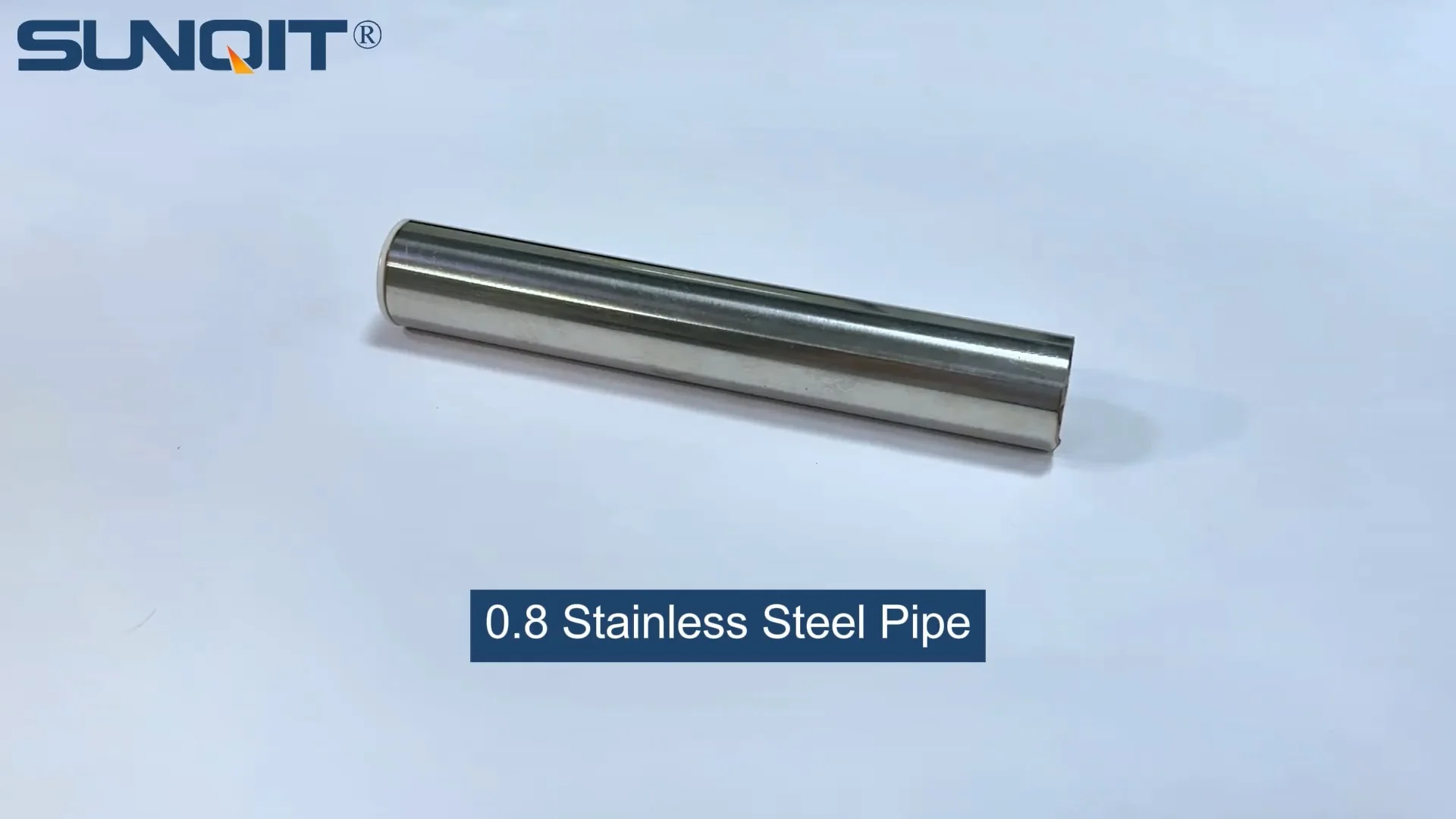
Stainless steel pipe, lean pipe, diameter is 28mm, material is SS201 or SS304, SS201 is normally used in the market. It knows a KARAKURI, KAIZEN material for industrial plant to improve efficiency, save labor cost, standard management.
In the blazing heart of manufacturing facilities—where furnaces roar, molten metals flow, and machinery hums under relentless heat—the difference between seamless production and costly disaster often lies in the materials we choose. For operations managers, plant engineers, and lean manufacturing teams, selecting components that can withstand extreme temperatures isn't just a matter of efficiency; it's the backbone of reliability, safety, and long-term profitability. Among these critical components, the 1.5mm stainless steel pipe has emerged as a unsung hero, balancing strength, durability, and adaptability in some of the toughest industrial settings. Let's dive into why this unassuming pipe deserves a spot at the center of your high-temperature workflow.
The Unforgiving Reality of High-Temperature Manufacturing
Walk into a foundry, a heat treatment facility, or an automotive engine assembly line, and you'll immediately feel the intensity: temperatures can climb from 300°C to over 800°C, with ambient heat radiating off machinery and processes. In these environments, every component is tested—from conveyor belts to workbenches, and especially the pipes that carry fluids, support structures, or guide materials. A pipe that warps under heat, cracks from thermal stress, or succumbs to corrosion isn't just a maintenance headache; it's a ticking time bomb for production delays, safety risks, and ballooning costs.
Consider a typical scenario: a roller track in a foundry, designed to shuttle red-hot castings from the furnace to the cooling area. If the pipe framing that supports the rollers is made of a material like aluminum profile, it might start to soften at 200°C, leading to misalignment, jams, and even collapsed tracks. The result? A halted line, damaged parts, and a team scrambling to replace the failed components—all while deadlines slip and customer orders pile up. High-temperature manufacturing doesn't just demand materials that "work"; it demands materials that endure .
Beyond heat, these environments often throw other curveballs: exposure to chemicals (like coolants or cleaning agents), constant mechanical stress from vibration or heavy loads, and the need for easy cleaning to maintain hygiene (critical in food processing or pharmaceutical manufacturing, where high temperatures are used for sterilization). In short, the "perfect" pipe here must be a multitasker—resistant to heat, corrosion, and wear—without sacrificing flexibility or cost-effectiveness.
Why 1.5mm Thickness? The Sweet Spot of Durability and Practicality
At first glance, pipe thickness might seem like a trivial detail—why 1.5mm, and not 1mm or 2mm? The answer lies in the delicate balance between strength and practicality. A thinner pipe (say, 1mm) might save on weight and cost, but in high temperatures, it's more prone to bending under load or developing stress cracks from thermal expansion. A thicker pipe (2mm or more) adds unnecessary bulk, making it harder to install, heavier to maneuver, and more expensive to source. For most high-temperature applications, 1.5mm hits the mark: thick enough to withstand thermal stress and mechanical pressure, yet lightweight enough to integrate into lean systems like modular workbenches or mobile material racks.
Take, for example, a workbench in a heat treatment facility, where operators inspect parts fresh from the oven. The frame of this workbench needs to support heavy tools, hot components, and constant use—all while staying stable and level. A 1.5mm stainless steel pipe frame provides the rigidity to prevent wobbling, even as temperatures fluctuate, without making the bench too heavy to reposition if workflows change. It's this adaptability that makes 1.5mm a favorite among lean manufacturing teams, who prioritize flexibility as much as durability.

Stainless Steel Grades: Not All Are Created Equal for Heat Resistance
Stainless steel is a broad category, and not every grade will hold up equally in high temperatures. To make the right choice, you need to understand the "alloy recipe" behind the steel—specifically, the chromium, nickel, and other elements that give it its unique properties. Let's break down the most common grades used in high-temperature settings, and why they matter:
| Stainless Steel Grade | Max Recommended Temperature (°C) | Key Alloying Elements | Best For: |
|---|---|---|---|
| 304 | 870°C | 18% chromium, 8% nickel | General high-temperature use (e.g., oven exhaust pipes, warm-air conveyors) |
| 316 | 870°C | 16% chromium, 10% nickel, 2% molybdenum | High humidity or chemical exposure (e.g., marine engine manufacturing, food processing with caustic cleaners) |
| 310S | 1150°C | 25% chromium, 20% nickel | Extreme heat (e.g., foundries, kilns, ceramic production) |
| 430 | 815°C | 17% chromium, no nickel | Lower-cost, moderate heat (e.g., drying ovens, low-stress structural supports) |
For most general high-temperature applications (300°C to 800°C), 304 or 316 stainless steel is the go-to. The chromium in these alloys forms a thin, invisible layer of chromium oxide on the surface, which acts as a barrier against corrosion—even when heated. This layer self-heals if scratched, ensuring long-term protection. For environments exceeding 800°C, like foundries or glass manufacturing, 310S (sometimes called "high-temperature stainless steel") is worth the investment, thanks to its higher nickel and chromium content, which enhances thermal stability.
One common misconception? That "stainless steel" is universally rust-proof. In reality, even 304 can corrode if exposed to salt, acids, or high humidity—hence why 316 (with molybdenum) is preferred in coastal or chemical-heavy settings. When selecting your 1.5mm pipe, always ask your supplier for material certificates (like mill test reports) to verify the grade and ensure it matches your environment's demands.

Beyond Heat: The Hidden Benefits of 1.5mm Stainless Steel Pipe
While heat resistance is the star here, the 1.5mm stainless steel pipe brings other advantages that make it indispensable in lean manufacturing systems. Let's unpack a few:
1. Corrosion Resistance That Lasts: Even in non-extreme temperatures, stainless steel outperforms materials like carbon steel or aluminum profile. In high-temperature environments where condensation or chemical spills are common (think: a conveyor line where hot parts are sprayed with coolant), stainless steel resists rust and pitting, reducing the need for frequent replacements. This isn't just about longevity—it's about consistency. A rust-free pipe frame means less debris falling into products, cleaner workspaces, and fewer quality control issues.
2. Easy Integration with Lean Accessories: The best manufacturing systems are modular, and 1.5mm stainless steel pipe plays well with others. Whether you're building a custom workbench, a material rack, or a roller track, it pairs seamlessly with standard lean pipe accessories: joints, connectors, casters, and brackets. This modularity lets you adapt on the fly—add a shelf to a rack, extend a conveyor, or reconfigure a workbench—without overhauling the entire system. For lean teams, this flexibility is gold; it turns fixed infrastructure into a dynamic tool that evolves with your workflow.
3. Low Maintenance, High Reliability: Unlike wood (which warps), aluminum (which weakens), or plastic (which melts), stainless steel requires minimal upkeep. A quick wipe with a damp cloth removes dust and grime, and it doesn't need painting or coating to stay protected. In high-temperature settings, where maintenance crews are already stretched thin, this "set it and forget it" quality translates to more time focused on production and less on repairs.
From Supplier to Workbench: Choosing the Right Partner
Even the best pipe design falls flat if the supplier cuts corners. When sourcing 1.5mm stainless steel pipe for high-temperature use, partnering with a reputable lean pipe supplier isn't just a preference—it's a necessity. But what should you look for in a supplier? Here's a checklist to guide your decision:
Certifications and Quality Control: A trustworthy supplier will provide documentation for every batch: material test reports (MTRs) confirming the grade, thickness, and mechanical properties of the pipe. Look for ISO 9001 certification, which ensures consistent quality management systems. If your industry has specific standards (e.g., ASME for pressure systems), ask if the supplier complies.
Customization Capabilities: High-temperature applications often demand non-standard lengths, pre-cut pipes, or specialized finishes (like polished surfaces for easy cleaning). A supplier with in-house cutting, bending, or welding services can save you time and reduce waste—no more trimming excess pipe on your factory floor.
Inventory and Lead Times: In manufacturing, downtime is expensive. A supplier with a robust inventory ensures you can get the pipe (and accessories) you need when you need it, without waiting weeks for production. Ask about stock levels for common grades (304, 316) and accessories—this is a telltale sign of a supplier who understands the urgency of industrial timelines.
Technical Expertise: Not all high-temperature environments are the same. A good supplier won't just sell you pipe—they'll help you choose the right grade, thickness, and accessories for your specific use case. Maybe your application needs 316 instead of 304, or a heavier-duty joint for extra stability. A supplier with technical know-how can guide these decisions, turning guesswork into confidence.
Case in point: A mid-sized automotive parts manufacturer recently reached out to a lean pipe supplier with a problem: their existing aluminum profile workbenches in the engine assembly area were warping under the heat of nearby curing ovens, leading to misaligned tools and frequent rework. The supplier recommended switching to 1.5mm 304 stainless steel pipe frames, paired with heat-resistant casters and a steel top. Within a month, the new workbenches were installed—and they've been running flawlessly for over two years, with zero warping or maintenance issues. The takeaway? The right supplier doesn't just deliver products; they deliver solutions.
Case Study: How 1.5mm Stainless Steel Pipe Transformed a Foundry's Workflow
The Challenge:
A large iron foundry in the Midwest was struggling with their roller track system, which transported hot castings (up to 600°C) from the molding line to the cooling station. The original system used carbon steel pipes, which rusted quickly in the humid foundry air and required replacement every 6–8 months. The frequent downtime was costing the foundry $15,000 per shutdown, not to mention the labor hours spent swapping out tracks.
The Solution:
Working with a local lean pipe supplier, the foundry switched to 1.5mm 316 stainless steel pipe for the roller track frames. They paired it with heat-resistant roller track connectors and stainless steel swivel roller balls to ensure smooth movement of the hot castings.
The Results:
Three years later, the stainless steel roller tracks are still in service, with no signs of rust or warping. Downtime for track maintenance has dropped by 90%, saving the foundry over $100,000 annually. The team also reports fewer jams, as the stainless steel frames maintain their alignment even under extreme heat. "We used to dread track replacements," said the plant manager. "Now, we barely think about them."
Final Thoughts: Investing in Reliability, One Pipe at a Time
In the chaos of high-temperature manufacturing, it's easy to overlook the small components that keep the line moving. But as we've explored, the 1.5mm stainless steel pipe is far more than a "small component"—it's a foundation. It's the difference between a workflow that stumbles and one that thrives, between constant repairs and consistent production, between stress and peace of mind.
Whether you're building a workbench, a roller track, or an entire conveyor system, choosing the right pipe starts with understanding your environment: the temperatures, the chemicals, the loads, and the pace of your operation. It ends with partnering with a supplier who doesn't just sell materials but delivers expertise and reliability.
So the next time you walk your factory floor, take a closer look at the pipes supporting your operation. Are they holding you back, or propelling you forward? For high-temperature manufacturing, the answer should be clear: 1.5mm stainless steel pipe isn't just a choice—it's the smart choice.