- Company Articles
- Products and Technology
- Procurement Guidelines
- Selecting Small Iron Corner Codes for Outdoor Lean Systems: Weather Resistance Tips

Selecting Small Iron Corner Codes for Outdoor Lean Systems: Weather Resistance Tips
Related Product
Small Iron Corner Code
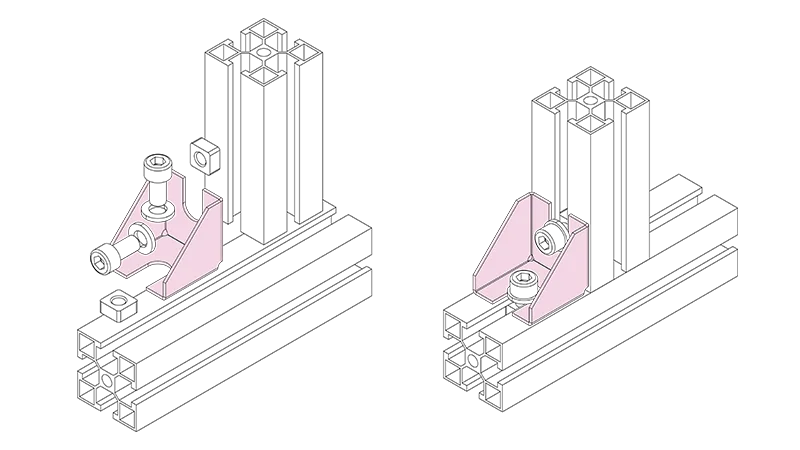
Used for 30 series aluminum profile 90° plane connection
It's a rainy Monday morning at Greenfield Manufacturing, and Maria, the production supervisor, stands staring at the outdoor lean system that once kept their assembly line parts organized. The metal racks, once sturdy and reliable, now lean precariously to one side.,:,,.",",,"'',."
Maria's frustration is familiar to many who manage outdoor lean systems—whether in manufacturing yards, distribution centers, or construction sites. While lean systems are celebrated for their ability to streamline workflows and reduce waste, their performance hinges on often-overlooked components like small iron corner codes. These unassuming metal brackets, which connect structural elements like aluminum profiles and stainless steel pipes, play a critical role in maintaining stability. But when exposed to rain, humidity, UV radiation, or salt air, they become vulnerable to corrosion, weakening the entire system and undermining the very efficiency lean principles aim to achieve.
In this article, we'll dive into the world of small iron corner codes, exploring why weather resistance is non-negotiable for outdoor applications, key factors to consider when selecting them, and practical tips to ensure they stand the test of time. Whether you're setting up a new lean system or upgrading an existing one, understanding how to choose the right corner codes can save you time, money, and headaches down the line.
1. The Role of Small Iron Corner Codes in Lean Systems
Before we tackle weather resistance, let's clarify what small iron corner codes are and why they matter. In lean manufacturing, a lean system relies on modular, flexible structures—think workbenches, material racks, and turnover trolleys—that can be reconfigured to adapt to changing production needs. These structures are typically built using aluminum profiles, stainless steel pipes, or lean tubes, connected by various joints and brackets. Small iron corner codes are the unsung heroes of this setup: they are the brackets that secure perpendicular or angled connections (like the corners of a rack or the joints of a workbench), distributing weight evenly and ensuring the structure remains rigid under load.
Imagine building a bookshelf: the screws and brackets might not be the "star" components, but without them, the shelves would collapse. Similarly, small iron corner codes are the "screws" of a lean system. They prevent lateral movement, resist shear forces, and ensure that even heavy loads—like stacks of raw materials or finished products—don't cause the structure to warp or fail. In outdoor settings, where the system is exposed to the elements 24/7, their role becomes even more critical: a corroded corner code isn't just a maintenance issue; it's a safety hazard that could lead to collapsed racks, damaged inventory, or workplace injuries.
For managers like Maria, the cost of choosing the wrong corner codes goes beyond replacement parts. Downtime while systems are repaired, lost productivity from disorganized workflows, and the risk of non-compliance with safety regulations all add up. That's why selecting weather-resistant small iron corner codes isn't just a "nice-to-have"—it's a strategic decision that directly impacts your bottom line.
2. Why Weather Resistance Matters for Outdoor Lean Systems
Outdoor environments are harsh. Rain, snow, humidity, and UV radiation attack metal components daily, while salt air (in coastal areas) or industrial pollutants (in urban settings) accelerate corrosion. Even moderate climates with seasonal temperature swings can cause materials to expand and contract, weakening coatings and exposing metal to the elements. For small iron corner codes, which are often hidden from view (making early corrosion harder to spot), this exposure can lead to silent failure.
Let's break down the consequences of poor weather resistance:
- Safety Risks: A rusted corner code loses tensile strength, meaning it can snap under load. This puts workers at risk of injury from falling objects or collapsing structures.
- Increased Maintenance Costs: Frequent replacements of corroded corner codes drain budgets. For example, a single outdoor lean system might use 50–100 corner codes; replacing them every 6–12 months adds up quickly.
- Operational Downtime: When a corner code fails, the entire system may need to be shut down for repairs. In a busy production environment, even a few hours of downtime can disrupt schedules and delay orders.
- Reduced System Lifespan: Corrosion spreads. A single rusted corner code can stain adjacent aluminum profiles or stainless steel pipes, leading to widespread damage and the need for full system replacement sooner than expected.
Consider a coastal facility using uncoated iron corner codes: within six months, salt spray would cause visible rust, and within a year, the brackets might weaken to the point of failure. In contrast, a facility using weather-resistant corner codes could see lifespans of 5–10 years or more, with minimal maintenance. The difference in long-term cost is stark.

3. Key Factors to Consider When Selecting Weather-Resistant Small Iron Corner Codes
Choosing the right small iron corner codes for outdoor use requires balancing several factors: material, coating, design, and compatibility with other system components. Let's explore each in detail.
3.1 Material Composition: The Foundation of Weather Resistance
Small iron corner codes are typically made from low-carbon steel (mild steel), which is strong and affordable but prone to rust when unprotected. To enhance weather resistance, manufacturers often treat or alloy the steel with other materials. Here are the most common options:
- Galvanized Iron: Steel coated with a layer of zinc via electroplating (zinc plating) or hot-dip galvanizing. Zinc acts as a sacrificial anode, corroding before the steel does. Hot-dip galvanizing (dipping steel in molten zinc) creates a thicker, more durable coating than electroplating, making it ideal for heavy rain or coastal areas.
- Stainless Steel: An alloy of steel and chromium (at least 10.5%), which forms a passive oxide layer that resists corrosion. While more expensive than galvanized iron, stainless steel (especially grades like 304 or 316) offers superior resistance to salt, humidity, and chemicals. It's a top choice for marine or industrial environments.
- Coated Iron: Steel coated with paints, polymers, or powder coatings. These act as a physical barrier between the steel and the environment. While effective for moderate climates, coatings can chip or wear off over time, exposing the steel underneath.
For most outdoor lean systems, galvanized iron (hot-dip) or stainless steel are the best bets. Galvanized options balance cost and performance, while stainless steel is worth the investment in harsh environments.
3.2 Coating Technology: Adding a Protective Barrier
Even if you choose galvanized or stainless steel, additional coatings can further enhance weather resistance. Here's how different coating technologies stack up:
| Coating Type | Application Method | Weather Resistance | Pros | Cons | Best For |
|---|---|---|---|---|---|
| Zinc Plating (Electroplating) | Electric current deposits zinc onto steel | Moderate (1–2 years in harsh environments) | Affordable, thin coating (ideal for tight spaces) | Thin layer prone to scratching; poor salt resistance | Indoor systems or sheltered outdoor areas |
| Hot-Dip Galvanizing | Steel dipped in molten zinc (450°C) | High (5–10 years in coastal areas) | Thick, durable coating; self-healing if scratched | Thicker coating may interfere with tight fits; higher cost | Heavy rain, humidity, or industrial zones |
| Powder Coating | Dry powder electrostatically applied, then cured | High (5–7 years in moderate climates) | Color options, resistant to UV and chemicals | Prone to chipping; requires pre-treatment (e.g., galvanizing) for best results | Areas with high UV exposure (sunny climates) |
| Epoxy Coating | Liquid epoxy resin applied, then cured | Very High (7–10 years in industrial areas) | Excellent chemical and water resistance | Brittle; can crack under impact or thermal stress | Chemical plants or areas with pollutant exposure |
3.3 Design Features: Preventing Water Trapping and Corrosion
Even the best materials can fail if the corner code's design traps water or debris. When evaluating options, look for these weather-smart design features:
- Drainage Holes: Small holes at the base of the corner code allow rainwater to escape, preventing pooling that accelerates rust.
- Chamfered Edges: Rounded or sloped edges prevent water from collecting in crevices. Sharp corners act as "water traps," so opt for designs with smooth, angled surfaces.
- Sealed Joints: If the corner code has multiple components (e.g., a bracket with a bolt-on plate), ensure joints are sealed with rubber gaskets or silicone to block moisture.
- Minimal Surface Area: A streamlined design with fewer nooks and crannies reduces the area where dirt and moisture can accumulate.
For example, a corner code with a flat, solid base might look sturdy, but water will pool on top, leading to corrosion. A base with a 5° slope and a small drainage hole, however, will shed water quickly, keeping the metal dry.
3.4 Compatibility with Other Components
Small iron corner codes don't work in isolation—they connect to aluminum profiles, stainless steel pipes, and even caster accessories (like the wheels on mobile trolleys). Incompatibility between materials can lead to galvanic corrosion, a process where two dissimilar metals react electrically in the presence of moisture, accelerating rust.
For instance, if you pair an iron corner code with an aluminum profile without a protective barrier, the aluminum will act as an anode and corrode faster. To prevent this:
- Use Insulating Washers: Plastic or rubber washers between the corner code and aluminum profile block electrical current.
- Choose Compatible Coatings: Ensure the corner code's coating (e.g., powder coating) is compatible with the profile's finish to avoid chemical reactions.
- Match Metals Strategically: If using stainless steel corner codes, pair them with stainless steel pipes to minimize galvanic corrosion.
Caster accessories add another layer of complexity: mobile lean systems (like turnover trolleys) have wheels that vibrate during movement, which can loosen corner codes over time. Look for corner codes with reinforced bolt holes or locking mechanisms to maintain tight connections, even with frequent use.
4. Testing and Certification: Ensuring Your Corner Codes Deliver
Don't just take a supplier's word for it—ask for proof of weather resistance. Reputable manufacturers will subject their corner codes to standardized tests to verify performance. Here are the most common certifications and tests to look for:
4.1 Salt Spray Testing (ASTM B117/ISO 9227)
This test exposes corner codes to a mist of saltwater (5% NaCl solution) at 35°C to simulate coastal or road salt environments. The duration of exposure (e.g., 500 hours, 1000 hours) indicates resistance: a corner code that passes 1000 hours with minimal corrosion is far more durable than one that fails at 200 hours. Look for suppliers who provide test reports showing at least 500 hours of resistance for outdoor use.
4.2 Humidity Testing (ASTM D2247)
High humidity (95% relative humidity at 40°C) can cause condensation on metal surfaces, leading to rust. This test measures how well corner codes resist corrosion in humid climates (common in tropical or coastal regions). A passing result should show no visible rust after 1000 hours.
4.3 Cyclic Corrosion Testing (ASTM G85)
This more rigorous test combines salt spray, humidity, and UV exposure to mimic real-world conditions (e.g., rain followed by hot sun). It's especially useful for climates with extreme temperature swings. A corner code that passes 10 cycles (each cycle = 24 hours of salt spray + 24 hours of UV exposure) is likely to perform well in most outdoor settings.
When evaluating suppliers, ask for copies of these test reports. If a supplier can't provide them, it's a red flag—they may be cutting corners on quality.
5. Installation Best Practices to Maximize Weather Resistance
Even the best corner codes will fail if installed incorrectly. Follow these steps to ensure your installation enhances, not hinders, weather resistance:
5.1 Prepare the Surface
Before installing, clean the mating surfaces (aluminum profiles, pipes) with a degreaser to remove oil, dirt, or rust. Any debris trapped between the corner code and profile will hold moisture, accelerating corrosion. For existing systems, sand away any rust on old profiles before attaching new corner codes.
5.2 Use Corrosion-Resistant Fasteners
The bolts, nuts, and washers used to secure corner codes are just as important as the codes themselves. Opt for stainless steel or galvanized fasteners, and avoid mixing metals (e.g., zinc-plated bolts with stainless steel corner codes). Apply anti-seize lubricant to threads to prevent galling (seizing due to friction) and make future disassembly easier.
5.3 Apply Sealant
After tightening the fasteners, apply a bead of silicone sealant around the edges of the corner code where it meets the profile. This blocks water from seeping into gaps and protects the fastener heads from corrosion.
5.4 Avoid Over-Tightening
While it's tempting to crank down on bolts to ensure a tight fit, over-tightening can crack the corner code's coating or warp the metal, creating weak points. Use a torque wrench to follow the manufacturer's recommended torque settings (typically 15–25 Nm for small corner codes).
6. Maintenance Tips to Prolong Lifespan
Weather-resistant corner codes still need care to maximize their lifespan. A little maintenance goes a long way:
6.1 Regular Inspections
Inspect corner codes quarterly for signs of corrosion, loose fasteners, or coating damage. Pay extra attention after storms or extreme weather. Look for:
- Rust spots (even small ones can spread)
- Chipped or peeling coatings
- Loose bolts or gaps between the corner code and profile
6.2 Cleaning
Wash corner codes annually with mild detergent and a soft brush to remove dirt, salt, or industrial grime. Avoid abrasive cleaners, which can scratch coatings. Rinse thoroughly and dry with a cloth to prevent water spots.
6.3 Touch-Up Repairs
If you spot a chipped coating or small rust spot, sand the area lightly, apply a rust converter (to neutralize existing rust), and touch up with matching paint or a zinc-rich primer. This prevents the damage from spreading.
6.4 Lubricate Moving Parts
If your lean system has moving components (like adjustable shelves connected by corner codes), lubricate the joints with a silicone-based lubricant to reduce friction and prevent wear. Avoid oil-based lubricants, which attract dirt.
7. Case Studies: Real-World Success with Weather-Resistant Corner Codes
Case Study 1: Coastal Distribution Center Eliminates Rust with Hot-Dip Galvanized Corner Codes
A distribution center in Miami, Florida, was struggling with rusted corner codes on their outdoor material racks, which were exposed to salt air and frequent rain. They were replacing corner codes every 8–10 months, costing $5,000 annually in parts and labor. After switching to hot-dip galvanized small iron corner codes with drainage holes, they saw dramatic results: after three years, the corner codes showed minimal corrosion, and replacement costs dropped to $500 (for minor touch-ups). "We wish we'd made the switch sooner," said the facility manager. "The upfront cost was higher, but the ROI was clear within the first year."
Case Study 2: Manufacturing Plant Reduces Downtime with Stainless Steel Corner Codes
A automotive parts manufacturer in Detroit, Michigan, had an outdoor lean system used to store heavy steel components. Their previous uncoated iron corner codes would warp and crack in winter (due to freezing rain) and rust in summer (high humidity). This led to monthly downtime for repairs. They upgraded to 304 stainless steel corner codes with powder coating, paired with insulating washers to prevent galvanic corrosion with aluminum profiles. Over two years, downtime related to corner code failure dropped to zero, and the system's load capacity increased by 15% (thanks to the stronger stainless steel). "Our production line runs smoother now," noted the plant engineer. "We no longer worry about the weather derailing our schedules."
8. Conclusion: Investing in Weather Resistance Pays Off
Small iron corner codes may be small in size, but their impact on the performance and longevity of outdoor lean systems is enormous. As Maria learned the hard way, cutting corners on these components leads to higher costs, safety risks, and operational headaches. By prioritizing weather resistance—through material selection, thoughtful design, proper installation, and regular maintenance—you can ensure your lean system remains sturdy, efficient, and cost-effective for years to come.
Remember: the best corner code is one you never have to think about. Whether you choose hot-dip galvanized iron for moderate climates or stainless steel for coastal or industrial zones, investing in quality now will save you from costly repairs later. After all, in lean manufacturing, waste reduction starts with choosing components that stand the test of time—and the weather.