- Company Articles
- Products and Technology
- Procurement Guidelines
- Selecting the Right 40 Roller Track Placon Mount drop High: A Buyer's Checklist

Selecting the Right 40 Roller Track Placon Mount drop High: A Buyer's Checklist
Related Product
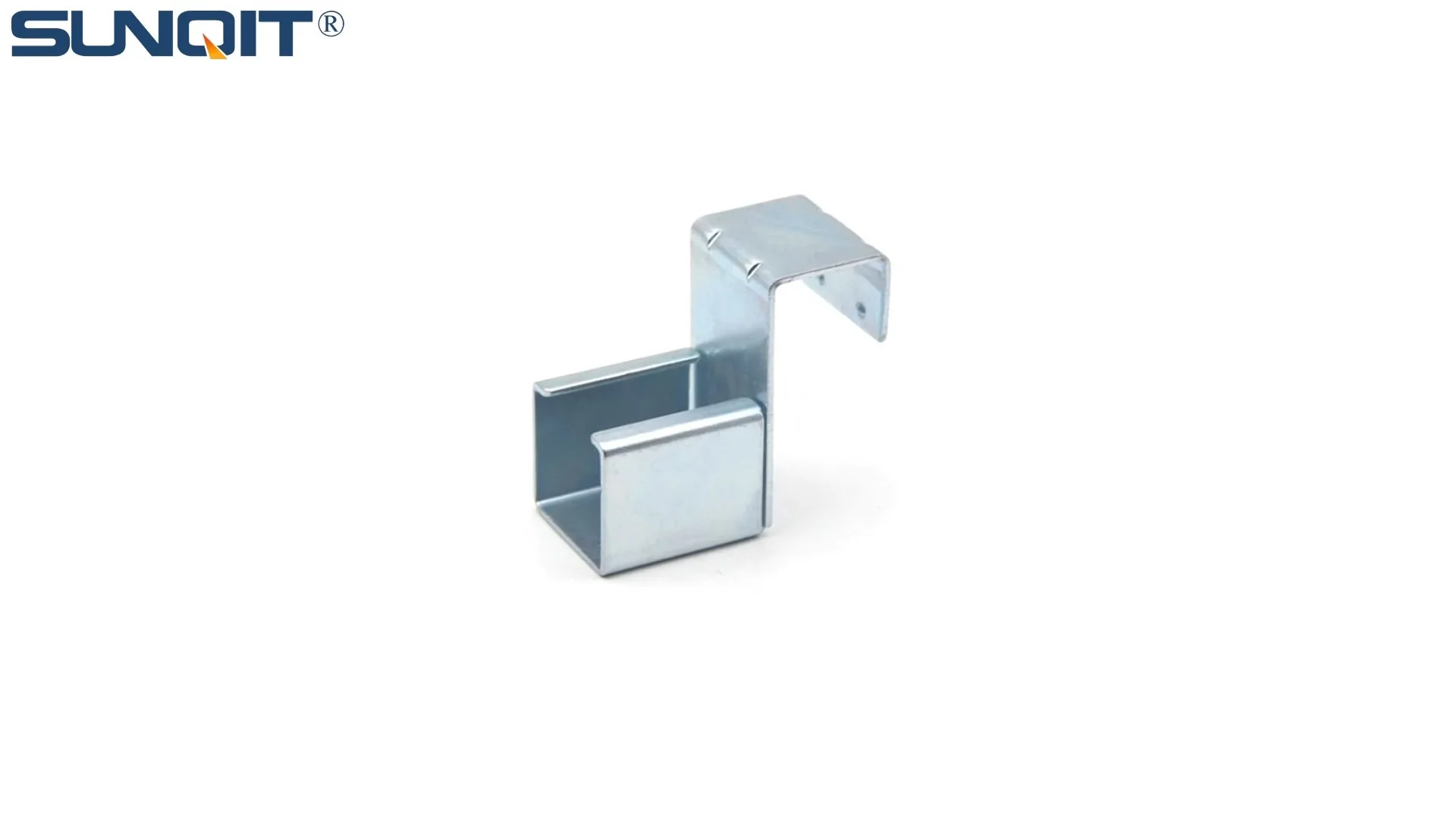
40 Roller Track Placon Mount drop High
Roller track placon mount work as a connector for roller track and pipe or aluminum profile in rack syetem, it is a necessary parts in rack system which widely used in industrial plant and logistic,warehouse storage.
If you've ever stood on the floor of a busy manufacturing plant, you know the heartbeat of production lies in the small, often overlooked components that keep things moving. Conveyors hum, workbenches hold precision tools, and somewhere in that rhythm, roller tracks quietly ensure materials glide from station to station without a hitch. Today, we're zooming in on one such unsung hero: the 40 Roller Track Placon Mount drop High. It might sound like a mouthful, but get this right, and your production line will thank you—with smoother workflows, fewer delays, and a setup that grows with your business. Let's walk through what you need to know to pick the perfect one.
First Things First: What Even Is a 40 Roller Track Placon Mount drop High?
Let's start with the basics. You've probably seen roller tracks before—those metal or aluminum rails with wheels that let boxes, parts, or assemblies slide across a workstation or conveyor. The "40" here refers to the width (in millimeters) of the track, a common size in lean manufacturing setups. Now, "placon mount" is the part that attaches the track to your frame, whether that's a lean pipe system, aluminum profile, or workstation leg. And "drop high"? That's the key detail—it means the mount sits slightly lower than a "flat" version, creating a small vertical drop between the track and the mounting surface. Think of it like choosing between a step stool and a flat table: the drop gives you extra clearance for taller items or helps align with other equipment at different heights.
Why does this matter? Imagine you're running a 3C assembly line, where smartphones move from one station to the next. If your roller track sits too high, it might clash with the height of your ESD workstation, forcing workers to lift components awkwardly (hello, fatigue and slowdowns). A drop high mount solves that by bridging the gap, keeping the flow seamless. It's the kind of detail that seems small until you're dealing with daily bottlenecks.
Quick Tip: If you're not sure whether you need "drop high" or "flat," grab a tape measure! Check the height of your existing workbench, conveyor, or aluminum profile frame. The drop high typically adds 10-15mm of clearance—measure twice, buy once.
5 Key Factors to Nail Before You Buy
Okay, so you get what it is—now how do you choose the right one? Let's break it down into the questions you should be asking (and the answers that matter).
1. What's Your Load? (Spoiler: It's Not Just About Weight)
Every roller track mount has a maximum load rating, but don't just look at the number on the spec sheet. Think about how that weight will be distributed. Are you moving small, heavy parts (like metal brackets) that concentrate weight in one spot? Or lightweight but bulky items (like plastic casings) that spread the load? A mount rated for 50kg might handle 50kg of evenly distributed boxes, but drop 50kg of steel parts in one corner, and you could bend the mount or seize the rollers.
Material matters here, too. Aluminum mounts are lighter and corrosion-resistant (great for cleanrooms or medical device lines), but steel mounts often handle heavier, uneven loads better. Let's compare:
| Material | Best For | Weight Capacity (Typical) | Gotchas |
|---|---|---|---|
| Aluminum | Light to medium loads, clean/damp environments, ESD-sensitive setups | 30-80kg per linear meter | Can dent if hit with heavy impacts |
| Steel (Powder-Coated) | Heavy loads, rough industrial use, high-traffic lines | 80-150kg per linear meter | Heavier to install; needs coating to avoid rust |
2. Does It Play Well With Your Existing Setup?
You wouldn't buy a puzzle piece without checking if it fits the puzzle, right? The same goes for roller track mounts. If your factory runs on aluminum profile—say, 4040 or 3030 series—make sure the mount's bolt holes and slot spacing match. Most suppliers design mounts to fit standard T-slot profiles, but double-check! A mount that needs custom drilling or adapters will eat into your time and budget.
And don't forget the roller track itself! The 40mm width is standard, but some tracks have different wheel spacing or rail thicknesses. A mismatched mount might not grip the track securely, leading to wobbling or even the track sliding out during use. Ask your supplier: "Will this mount work with [brand/model] 40mm roller track?" A good lean solution supplier will either confirm compatibility or suggest a better fit.
3. Environment: Is It Built to Survive Your Floor?
Manufacturing floors aren't all the same. A food packaging plant might be humid; a 3C factory needs ESD protection; a automotive shop could have oil and grease. Your mount needs to keep up.
- Humidity/Corrosion: Aluminum is your friend here—it resists rust better than uncoated steel. If you're in a wet area, look for mounts with anodized finishes.
- Static Electricity: If you're handling electronics (hello, ESD workstation users!), ensure the mount is ESD-safe. Some aluminum mounts come with conductive coatings that dissipate static, protecting sensitive components from zaps.
- Chemicals/Oils: Steel mounts with powder coating or zinc plating stand up better to oils and solvents than plain aluminum.
4. Installation: Can Your Team Actually Set It Up?
Even the best mount is useless if it takes your maintenance team hours to install. Look for features like pre-drilled holes, snap-on brackets, or tool-free adjustments. Some mounts come with built-in levelers—handy if your factory floor isn't perfectly flat (let's be real, few are). And if you're adding it to an existing lean pipe system, check if you need special clamps or can use the same ones you already have for your material rack or workbench.
5. Cost vs. Longevity: When to Splurge (and When to Save)
It's tempting to go for the cheapest option, but think long-term. A budget steel mount might save you $10 today, but if it rusts in 6 months and needs replacing, you've wasted time and money. On the flip side, an over-engineered aluminum mount for a light-duty line is just throwing cash away. The sweet spot? Aim for a mount that's rated 20-30% above your current load needs—leaves room for growth without overpaying.

Matching the Mount to Your Industry: Real-World Examples
Let's make this concrete. Here's how different industries might prioritize the factors above:
3C Assembly: Precision and ESD First
In 3C (computers, communications, consumer electronics), you're moving tiny, delicate parts—circuit boards, microchips, smartphone screens. Loads are light (5-15kg per item), but precision is critical. You need a mount that keeps the track stable (no wobbling!) and is ESD-safe. Aluminum is ideal here—light, corrosion-resistant, and easy to coat for ESD. Pair it with a 40mm aluminum roller track with white or yellow wheels (so you can spot small parts if they fall), and you're golden.
Medical Device Manufacturing: Cleanliness and Compliance
Medical device lines need to meet strict hygiene standards. No rust, no flaking paint, easy to wipe down. Anodized aluminum mounts are a must—they resist bacteria buildup and stand up to frequent cleaning with disinfectants. Loads might be moderate (think: plastic syringes or surgical tool kits), so a mid-range aluminum mount (30-50kg rating) works. And since medical production often involves small batches, look for mounts that are easy to reconfigure—lean manufacturing thrives on flexibility, after all.
Automotive Parts: Heavy-Duty and Rugged
Automotive plants are tough—heavy parts (engine components, metal panels), oil, grease, and constant movement. Here, steel is the way to go. Look for a powder-coated steel mount with a high load rating (80kg+), and make sure the rollers are sealed to keep out debris. You might also want a drop high design to align with conveyor belts that sit lower than your workbenches—no more lifting heavy parts over edges.

Mistakes to Dodge (We've Seen Them All)
Even seasoned buyers slip up. Here's what to watch for:
- Buying Based on Price Alone: A $10 mount might look like a steal, but if it bends after a week, you're replacing it and losing production time. Ask for load test reports—reputable suppliers will have data on how their mounts perform under stress.
- Ignoring Compatibility with Your Lean System: You love your existing lean pipe workbench—don't assume the new mount will fit. Check if the mount's clamp size matches your lean tube diameter (most are 28mm or 30mm). Mixing and matching brands can lead to loose fits and wobbly tracks.
- Forgetting Future Growth: Today, you're moving small parts. Next year, you might scale up to larger assemblies. Buy a mount with a little extra load capacity—you'll thank yourself later.
- Skipping the Supplier Chat: Don't just order online. Call or email the supplier and explain your setup. A good lean solution supplier will ask questions: "What's your daily throughput?" "Do you need to reconfigure the line often?" They might suggest a custom tweak (like reinforced brackets) that makes all the difference.

The Final Checklist: What to Verify Before You Click "Buy"
Ready to make the call? Run through this list to be sure:
- Load rating: Confirmed it handles your worst-case (not average) load, including uneven distribution.
- Material: Matches your environment (aluminum for ESD/clean, steel for heavy/rugged).
- Compatibility: Fits your existing aluminum profile, lean pipe, or workstation (check bolt holes, slot size, clamp diameter).
- Environment: ESD-safe if needed; corrosion-resistant for humidity/oils.
- Installation: Comes with necessary hardware; your team can install it without special tools.
- Supplier: Has good reviews, offers custom support, and provides warranty (at least 1 year).
Wrapping Up: It's About More Than a Mount
At the end of the day, choosing a 40 Roller Track Placon Mount drop High isn't just about buying a piece of hardware. It's about investing in the flow of your production line—the rhythm that keeps workers efficient, reduces waste, and helps your business stay competitive. Get it right, and you'll barely notice the mount is there (which is the point!). Get it wrong, and it becomes the bottleneck everyone complains about in meetings.
So take your time, measure twice, ask your supplier the tough questions, and don't forget to think about how your needs might change. After all, lean manufacturing is about continuous improvement—and your roller track mount should be able to improve right along with you.