- Company Articles
- Products and Technology
- Product knowledge
- Service Life of 38 Aluminum Roller Track Black with Side Guide: What to Expect

Service Life of 38 Aluminum Roller Track Black with Side Guide: What to Expect
Related Product
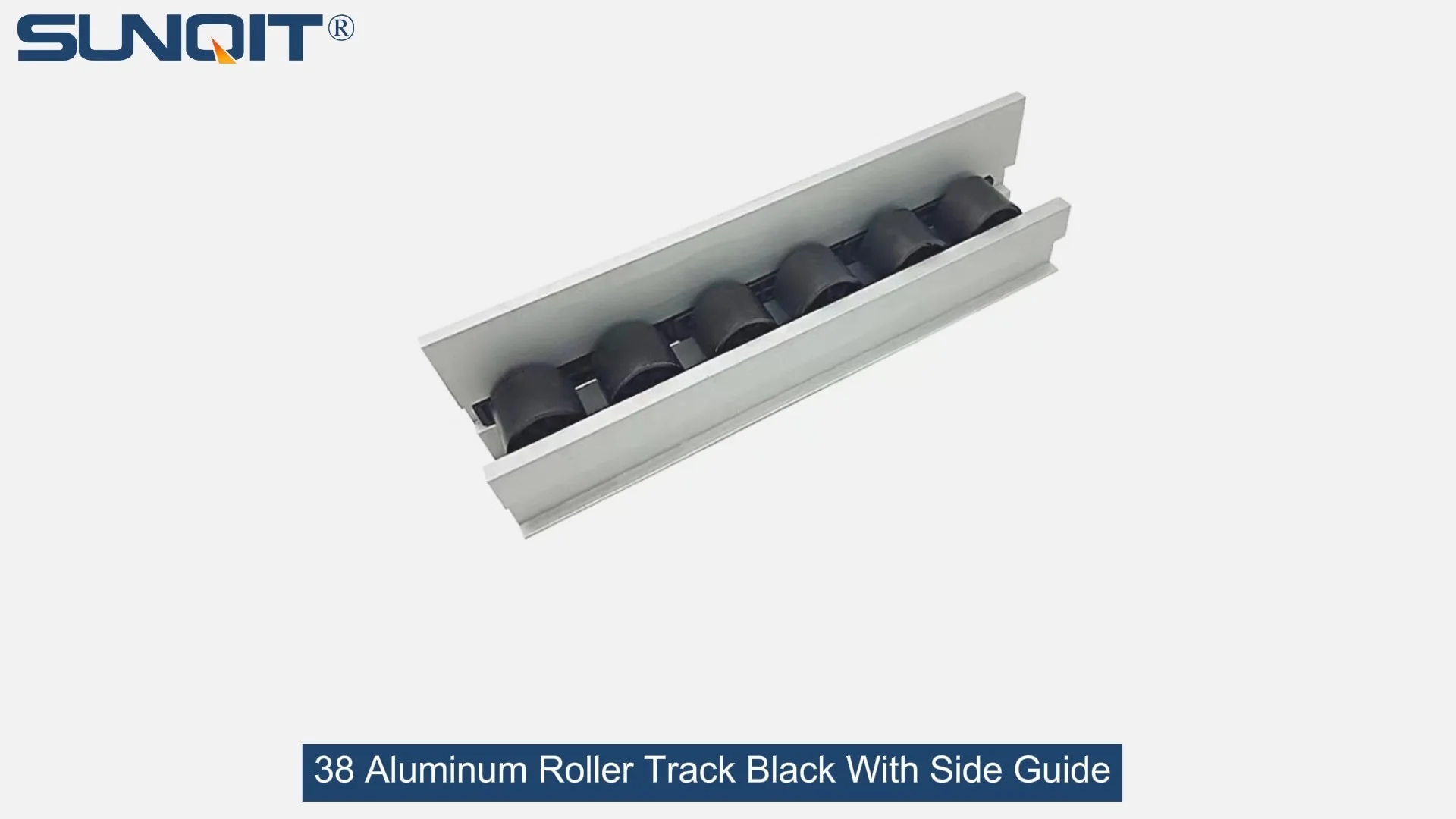
38 Aluminum Roller Track Black with Side Guide
Heavy duty roller tracks, aluminum frame with plastic wheel, one side with guide keeps goods and materials on the track to prevent bin move to other direction.Aluminum frame makes the rail ani-corrision when the environment are humid.
Service Life of 38 Aluminum Roller Track Black with Side Guide: What to Expect
Introduction: Why This Roller Track Matters
If you're in manufacturing, warehousing, or any industry that relies on smooth material flow, you know how critical every component of your setup is. The 38 Aluminum Roller Track Black with Side Guide is one of those unsung heroes—quietly working behind the scenes to move parts, boxes, and products from point A to point B without a hitch. Whether it's part of a flow rack in your warehouse, a conveyor line in your assembly plant, or a lean pipe workbench in your 3C production area, this track plays a key role in keeping your operations efficient. But how long can you expect it to last? That's exactly what we're going to dive into today.
This track isn't just a piece of metal; it's a building block of modern lean systems. It's designed to be flexible, durable, and easy to integrate into various workflows—from small workshops to large-scale factories. But like any tool, its lifespan depends on how you use it, maintain it, and set it up. Let's break down all the factors that influence its service life and what you can do to make it last as long as possible.
Key Factors That Shape Service Life
1. Material Quality: The Foundation of Durability
First things first—what's this track made of, and why does it matter? The 38 Aluminum Roller Track Black with Side Guide is crafted from high-grade 6063 aluminum alloy, which strikes the perfect balance between strength and weight. Aluminum is naturally resistant to rust, but the black anodized coating adds an extra layer of protection against corrosion, scratches, and daily wear. This is especially important if you're using the track in environments with humidity (like some storage areas) or frequent contact with parts (like in 3C assembly lines).
Then there are the side guides. Most of the time, these are made from durable ABS plastic (think the yellow or grey guide rails you might have seen) that's designed to reduce friction as items slide along the track. A cheap side guide might crack or wear down quickly, but the ones paired with this aluminum track are built to withstand repeated contact without deforming. They also help keep items aligned, preventing them from falling off the track and causing damage.
Let's not forget the rollers. Depending on the specific model, the rollers could be made of galvanized steel or high-quality nylon. Steel rollers are great for heavy loads (up to 30 kg per linear meter), while nylon rollers are quieter and better for lighter items (like small 3C components). Either way, the rollers are precision-engineered to spin smoothly, which minimizes stress on the track itself and ensures consistent performance over time.
2. Usage Conditions: How You Use It Makes All the Difference
You could have the best-made track in the world, but if you misuse it, its lifespan will plummet. Let's break down the key usage factors:
- Load Capacity: Every roller track has a maximum load it can handle. For the 38 Aluminum model, this is typically between 20-30 kg per linear meter (always check the manufacturer's specs for exact numbers). Exceeding this limit will bend the aluminum track or cause the rollers to wear out prematurely. For example, if you're moving heavy boxes of automotive parts, you need to distribute the weight evenly across multiple track sections to avoid overloading any single part.
- Frequency of Use: A track used 24/7 in a busy conveyor system will wear out faster than one used only a few hours a day in a small workshop. Continuous use means more friction on the rollers and more stress on the connections. If you're using the track in a high-volume environment, you'll need to do more frequent maintenance to keep it in shape.
- Environmental Factors: Dust, moisture, and temperature extremes can all take a toll. Dust and debris can get stuck in the rollers, causing them to jam or spin unevenly. Moisture can lead to corrosion (even with the black coating), especially if the track is exposed to water or high humidity. Temperature extremes—like very hot or cold environments—can cause the aluminum to expand or contract, leading to warping over time. This is why tracks used in clean rooms (like medical device manufacturing) tend to last longer than those used in dusty warehouses.
- Handling Practices: How you place items on the track matters too. Dropping heavy items onto the track can dent the aluminum or crack the side guides. Pushing items too hard can cause excessive friction, leading to faster wear on the rollers. Training your team to handle items gently and place them correctly on the track can go a long way in extending its lifespan.
3. Installation Quality: Get It Right From the Start
Even the best track won't last long if it's installed poorly. Proper installation means aligning the track correctly so that items slide smoothly without getting stuck. It also means using the right accessories—like roller track placon mounts (for attaching the track to aluminum profiles) or roller track connectors (to join multiple sections of track together). Using the wrong accessories can lead to loose connections, which cause the track to wobble or even break over time.
For example, if you're installing this track as part of a flow rack, you need to make sure each section is level and securely attached to the rack's frame. A wobbly flow rack will put uneven stress on the track, leading to premature wear. Similarly, if you're using it in a conveyor system, the track must be aligned with the rest of the conveyor to avoid jams and excessive friction. Misalignment can cause items to get stuck, which not only slows down your workflow but also damages the track.
Another important installation tip: use the right tools. Over-tightening screws can strip the aluminum or crack the connectors, while under-tightening can lead to loose parts. Always follow the manufacturer's installation instructions and use the recommended tools to ensure a secure, stable setup.
4. Maintenance Practices: Small Efforts Go a Long Way
Maintenance is probably the most underrated factor when it comes to extending the service life of any piece of equipment—and this roller track is no exception. Let's talk about the simple steps you can take to keep your track in top shape:
- Regular Cleaning: Dust and debris are the enemy of roller tracks. A quick wipe-down with a dry cloth every week (or more often if the environment is dusty) will remove any buildup and keep the rollers spinning smoothly. For stubborn debris, you can use a soft brush or a damp cloth (make sure to dry the track thoroughly afterward to prevent corrosion).
- Lubrication: Rollers need to spin freely to minimize friction. Every month or so, apply a small amount of light oil (like silicone oil) to the roller bearings. Avoid heavy grease—this can attract more dust and debris, which will cause more harm than good. Make sure to wipe off any excess oil to prevent it from getting on the items you're moving.
- Inspections: Take a few minutes every month to check for signs of wear. Are the side guides cracked or worn down? Are the rollers spinning properly, or do they feel stiff? Are any connectors loose or damaged? Catching these issues early can prevent bigger problems later. For example, replacing a worn side guide now is much cheaper than replacing the entire track later.
- Replacement of Worn Parts: When a roller or side guide starts to wear out, replace it immediately. Using compatible aluminum profile accessories (like the ones designed for this track) ensures that the replacement parts fit perfectly and don't cause additional stress. Don't try to use generic parts—they might not fit correctly and could damage the track.
- Seasonal Maintenance: If you're using the track in an environment with seasonal changes (like high humidity in summer), do a deeper cleaning and inspection at the start of each season. This will help you catch any issues caused by the changing weather and keep the track in good shape.
Typical Service Life Expectations: What You Can Anticipate
So, how long does this track actually last? It depends on all the factors we've discussed, but here's a general breakdown based on common usage scenarios:
| Usage Scenario | Expected Service Life (Years) | Key Influencing Factors | Recommended Maintenance Frequency |
|---|---|---|---|
| Light Use (Small Workshops, 3C Assembly for Small Parts) | 7-10 | Low load (5-10 kg/m), infrequent use (4-6 hours/day), clean environment | Weekly cleaning + monthly inspections + quarterly lubrication |
| Medium Use (Warehouse Flow Racks, Medical Device Conveyors) | 5-7 | Moderate load (15-20 kg/m), daily use (8-10 hours), controlled environment | Daily cleaning (light) + weekly inspections + monthly lubrication + bi-annual deep cleaning |
| Heavy Use (Automotive Conveyors, High-Volume Warehouses) | 3-5 | Heavy load (25-30 kg/m), continuous use (24/7), dusty/humid environment | Daily cleaning (thorough) + weekly inspections + bi-weekly lubrication + quarterly part replacements (rollers/side guides) |
| Extreme Use (Mining, Construction Material Handling) | 1-3 | Very heavy load (30+ kg/m), rough handling, harsh environment | Daily cleaning + daily inspections + weekly lubrication + monthly part replacements |
It's important to note that these are just estimates. If you take excellent care of your track (regular maintenance, proper installation, no overloading), you might even exceed these numbers. For example, a medical device manufacturer we worked with reported that their 38 Aluminum Roller Track Black with Side Guide lasted 11 years—all because they kept the environment clean and followed a strict maintenance schedule. On the other hand, a warehouse that neglected maintenance saw their tracks fail in just 2 years.
Pro Tips to Extend the Service Life of Your Roller Track
Want to get the most out of your 38 Aluminum Roller Track Black with Side Guide? Here are some pro tips to help you extend its lifespan:
1. Know Your Load Limits and Stick to Them
This is the most important tip. Always check the manufacturer's load capacity guidelines before using the track. If you're unsure, start with a lower load and gradually increase it until you find the sweet spot. Overloading is one of the fastest ways to damage the track—don't take the risk.
2. Use Compatible Accessories
When replacing parts or installing the track, always use accessories that are designed specifically for this model. For example, using the right roller track placon mount or connector ensures that the track is securely attached and doesn't wobble. Using generic parts might save you a few bucks now, but it will cost you more in the long run when the track breaks.
3. Invest in a Custom Lean Solution
If you're using this track as part of a larger system (like a flow rack or conveyor), consider investing in a custom lean solution. A well-designed lean system will optimize the way you use the track, reducing unnecessary stress and wear. For example, a lean solution for 3C assembly might include a flow rack that's tailored to the size of your parts, so you don't have to force items onto the track. This not only extends the track's lifespan but also improves your overall workflow efficiency.
4. Train Your Team Properly
Make sure everyone who uses the track knows how to handle it properly. Teach them to avoid dropping heavy items onto the track, to not push items too hard, and to report any signs of wear immediately. A little training can prevent a lot of damage. You can even create a simple maintenance checklist for your team to follow—this will ensure that no steps are missed.
5. Keep the Environment Clean
If possible, keep the area around the track clean. Use dust collectors or air filters to reduce debris buildup. If you're using the track in a warehouse, make sure to sweep or vacuum the area regularly. A clean environment will not only extend the track's lifespan but also improve the quality of your products (especially if you're in a clean room industry).
Real-World Stories: How Others Have Maximized Their Track's Lifespan
Let's take a look at some real-world examples to see how these factors play out in practice:
Story 1: 3C Assembly Line in Shenzhen
A Shenzhen-based 3C assembly company uses the 38 Aluminum Roller Track Black with Side Guide in their flow rack system for moving phone components. They have a team that checks the tracks every week—wiping them down, lubricating the rollers, and tightening any loose connectors. They also strictly adhere to the load limits, never putting more than 15 kg per linear meter on the track.
The result? Their tracks have been in use for 7 years now, and they're still going strong. The only parts they've had to replace are a few side guides (which wore out after 5 years) and some rollers (every 3 years). This is a perfect example of how regular maintenance and proper usage can extend the track's lifespan.
Story 2: Medical Device Manufacturer in Guangzhou
A Guangzhou-based medical device manufacturer uses this track in their conveyor system for sterile parts. The environment is a clean room—no dust, no humidity, and controlled temperature. They do a monthly inspection—checking the rollers, side guides, and connections—and replace any worn parts immediately. They also lubricate the rollers every two months.
Their tracks have been in use for 10 years, and they haven't had to replace any major components. The only thing they do is wipe down the track every day to keep it clean. This shows how a clean environment and light usage can lead to an exceptionally long service life.
Story 3: Automotive Parts Warehouse in Dongguan
A Dongguan-based automotive parts warehouse uses this track in their heavy-duty conveyor system. The loads are heavy (25 kg per linear meter), and the system runs 24/7. They have a strict maintenance schedule: daily cleaning, weekly inspections, monthly lubrication, and bi-annual replacement of rollers and side guides.
Their tracks have lasted 5 years so far. While this is on the lower end of the spectrum, it's still impressive considering the heavy usage. The warehouse manager says that without the regular maintenance, the tracks would have lasted only 2 years. This story highlights the importance of maintenance in high-volume environments.
Story 4: Small Workshop in Hangzhou
A small workshop in Hangzhou uses this track in their lean pipe workbench for assembling small mechanical parts. They use the track only 4 hours a day, 5 days a week. They do a monthly cleaning and inspection, and they've never overloaded the track.
Their track has been in use for 9 years, and it's still in perfect condition. They haven't had to replace any parts yet. This shows how light usage and proper care can lead to an extremely long lifespan.
Conclusion: Making the Most of Your Roller Track
The 38 Aluminum Roller Track Black with Side Guide is a durable, reliable component that can serve your manufacturing or warehousing needs for years—if you take care of it. By understanding the factors that affect its service life (material quality, usage conditions, installation, maintenance) and following the tips we've outlined, you can maximize its lifespan and get the most value out of your investment.
Remember: this track isn't just a piece of metal—it's part of your overall workflow. Whether you're using it in a flow rack, a conveyor system, or a lean pipe workbench, it plays a key role in keeping your operations efficient. So take the time to maintain it, use it properly, and invest in the right accessories. Your bottom line will thank you.
If you're looking for more information on how to integrate this track into your lean system, or if you need custom solutions for your industry (like 3C assembly or medical devices), be sure to check out reputable suppliers who specialize in lean pipe systems and aluminum profile accessories. They can help you design a setup that's tailored to your needs and ensures your track lasts as long as possible.