- Company Articles
- Products and Technology
- Solution
- Shop Floor Improvement: T-Groove Aluminum Pipe in 5S & Kaizen Practices

Shop Floor Improvement: T-Groove Aluminum Pipe in 5S & Kaizen Practices
Related Product
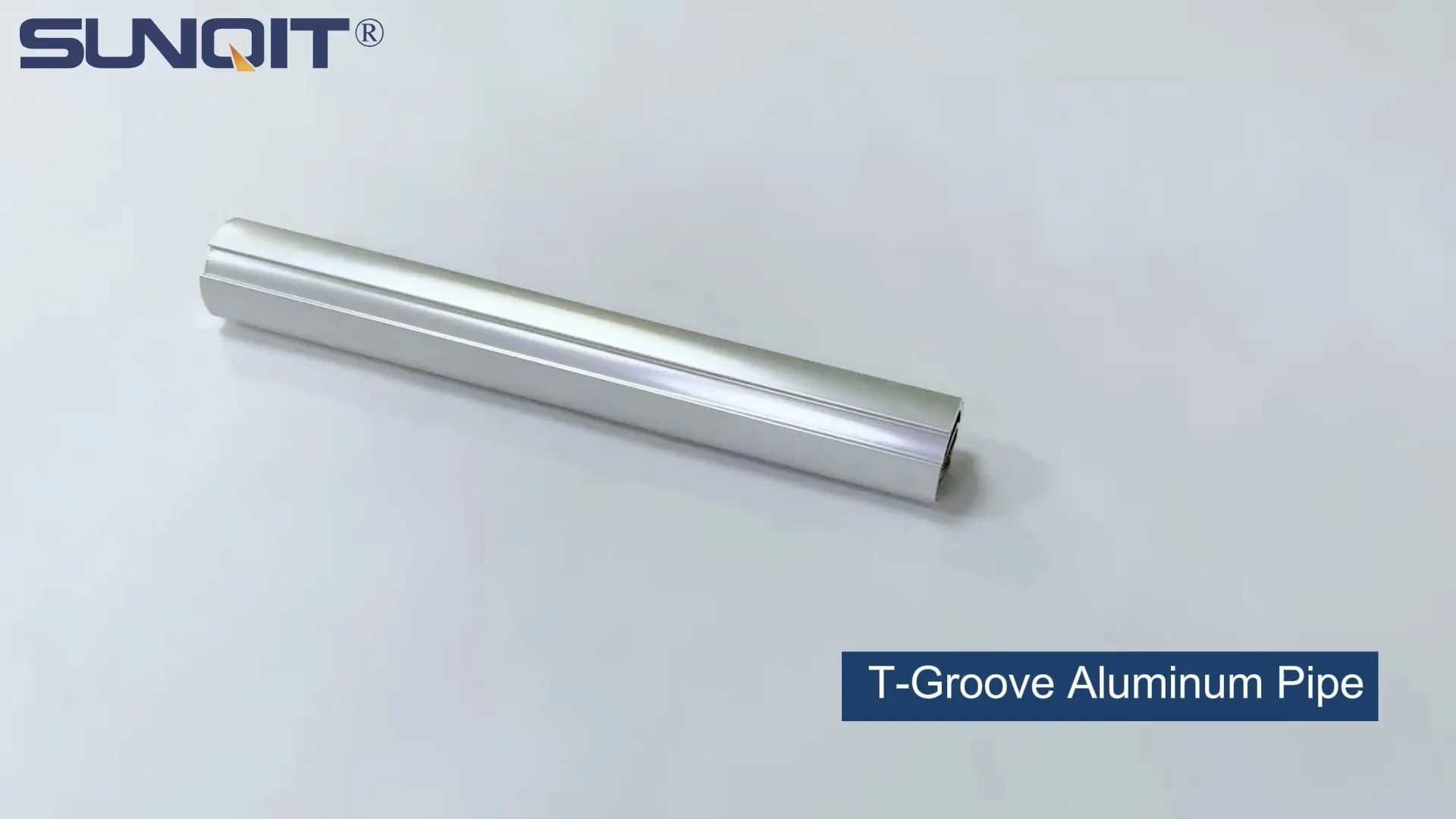
T-Groove Aluminum Pipe
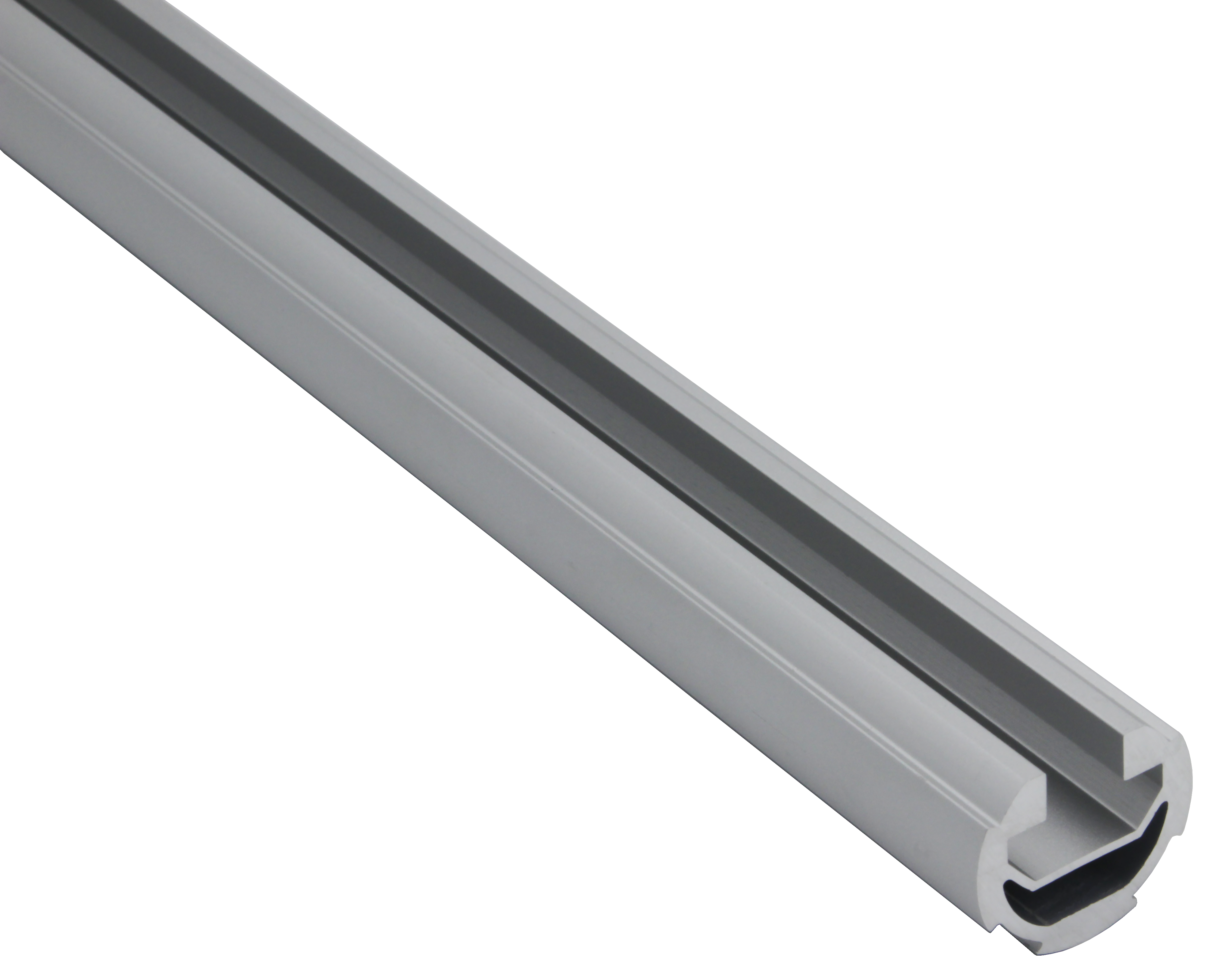
The aluminum pipe opening 10mm is installed into the T-shaped slider, which can be installed with casters or other matching functional parts. The groove can be used for positioning and is used for the track of the roller.
Walk into any manufacturing facility, and you'll quickly spot the difference between a shop floor that's thriving and one that's just surviving. The thriving ones hum with purpose—tools are where they should be, materials glide smoothly from station to station, and teams move with focus, not frustration. The others? They're bogged down by clutter, wasted motion, and constant firefighting. What's the secret? More often than not, it's the intentional use of 5S and Kaizen practices, paired with the right tools to make those practices stick. And in today's fast-paced factories, one tool stands out for turning chaos into consistency: T-Groove Aluminum Pipe.
If you're new to 5S (Sort, Set in Order, Shine, Standardize, Sustain) or Kaizen (continuous improvement), think of them as the backbone of a well-run shop. 5S lays the groundwork for organization and efficiency, while Kaizen keeps things evolving—because even the best systems need tweaks as demands change. But here's the catch: without the right hardware, these practices can feel like empty buzzwords. That's where T-Groove Aluminum Pipe comes in. Lightweight yet surprisingly strong, modular enough to adapt in hours, and durable enough to last years, it's the unsung hero that turns 5S and Kaizen from theory into daily reality. Let's dive into how this simple but versatile tool transforms shop floors, one improvement at a time.
Why 5S and Kaizen Matter—And Why Tools Make or Break Them
Before we get into the nuts and bolts of T-Groove Aluminum Pipe, let's make sure we're on the same page about why 5S and Kaizen are non-negotiable for shop floor success. 5S isn't just about "cleaning up"—it's a systematic way to eliminate waste. Sort (Seiri) cuts through the clutter by keeping only what's necessary. Set in Order (Seiton) ensures everything has a home, so no one wastes time hunting for tools. Shine (Seiso) keeps equipment and workspaces clean, preventing breakdowns and defects. Standardize (Seiketsu) locks in those good habits, so every workstation works the same way. Sustain (Shitsuke) makes it stick, turning one-time improvements into permanent culture.
Kaizen, meanwhile, is the engine that keeps 5S from growing stale. It's about small, daily improvements driven by the people who actually do the work. A line operator noticing a bottleneck, a team lead suggesting a better tool arrangement—these are Kaizen in action. But here's the problem: traditional shop floor setups (think rigid wooden shelves, fixed steel workbenches, or custom-welded racks) fight against this. They're hard to modify, expensive to replace, and slow to adapt. When employees can't easily adjust their workspace to fit new 5S steps or Kaizen ideas, frustration sets in, and practices fade. That's why the right tools—flexible, affordable, and user-friendly—are critical.
T-Groove Aluminum Pipe: The Flexible Foundation for Improvement
So, what exactly is T-Groove Aluminum Pipe? At its core, it's a lightweight aluminum tube with a T-shaped groove running along its length. That groove isn't just a design quirk—it's a superpower. It lets you attach accessories (like brackets, shelves, or roller tracks) quickly, without drilling or welding. Pair it with aluminum profile accessories—joints, clamps, feet—and you've got a modular system that can be built, taken apart, and rebuilt in hours, not weeks. Unlike heavy steel pipes or flimsy plastic, aluminum is strong enough to hold tools, materials, and even heavy workbenches, but light enough that a single person can reconfigure a setup.
But why aluminum? For starters, it's rust-resistant, so it holds up in messy shop environments where spills or moisture are common. It's also easy to clean—no more scrubbing grime out of welded corners or porous wood. And because it's extruded (shaped by forcing molten aluminum through a die), it's consistent. Every pipe, every joint, every bracket fits together perfectly, which matters when you're trying to standardize workspaces across a factory. Add in the fact that aluminum profiles come in a range of sizes and finishes, and you've got a tool that adapts to almost any shop floor need—from simple tool racks to complex conveyor systems.
5S in Action: How T-Groove Aluminum Pipe Transforms Each Step
Let's walk through each 5S principle and see how T-Groove Aluminum Pipe turns abstract ideas into tangible results. We'll use a hypothetical (but realistic) scenario: a small electronics assembly line struggling with clutter, slow material flow, and inconsistent workstations. Sound familiar? Let's call them "Acme Electronics" to make it concrete.
1. Sort (Seiri): Cut the Clutter, Keep What Counts
Acme's first 5S step was Sort: separating "needed" from "not needed" on the shop floor. Their problem? Old tools, broken fixtures, and leftover materials had piled up on shelves and workbenches for years. Employees didn't want to throw things away ("What if we need it someday?"), so clutter grew. To fix this, they used T-Groove Aluminum Pipe to build temporary sorting stations. Simple racks made from basic aluminum tubes and internal rotary aluminum joints let teams categorize items: "Keep" (used daily), "Store" (used monthly), "Discard" (broken or obsolete).
The magic here was visibility. Unlike closed wooden cabinets, the open design of the aluminum racks made it easy to see what was in each category. Employees could quickly spot duplicates (three identical screwdrivers, anyone?) or items that hadn't been touched in months. Plus, since the racks were modular, they could add or remove shelves as sorting progressed. By the end, Acme had cleared 30% of their floor space—and more importantly, employees felt empowered to keep only what they truly needed. No more wading through junk to find the right part.
2. Set in Order (Seiton): Everything Has a Home—And Stays There
With clutter gone, Acme moved to Set in Order: giving every tool, part, and material a specific, labeled place. The goal? "A place for everything, and everything in its place." But their old setup made this impossible. Tools were scattered across workbenches, and materials were stacked haphazardly on the floor. Enter T-Groove Aluminum Pipe and aluminum profile workbenches.
Acme replaced their rickety wooden workbenches with new ones built from aluminum profiles. These workbenches (similar to the "workbench E (single deck-without caster)" in their supplier catalog) had T-Groove pipes along the edges, so they could attach tool holders, bins, and even small roller tracks for parts. Each workstation got a custom layout: soldering irons hung from brackets, screws and washers sat in labeled bins clipped to the T-Groove, and glided along roller tracks from one station to the next. For larger materials, they built material racks using aluminum profiles—specifically, a "material rack B (3 row and 3 floor)" design—with each shelf labeled for a specific component. No more guessing where things go.
But the real win? The roller tracks. Acme added plastic roller track guide rails (yellow for incoming materials, grey for outgoing) along the assembly line. These rails, attached to aluminum profiles, let materials slide smoothly without lifting—reducing strain on employees and cutting down on dropped parts. Even better, the roller track connectors made it easy to adjust the angle or length of the rails if a new product required a different flow path. Within a week, employees were reporting 20% less time spent searching for tools or moving materials. That's Set in Order, powered by T-Groove.
3. Shine (Seiso): Cleanliness That's Easy to Maintain
Shine is about keeping workspaces clean, not just for appearance, but to spot problems early (like oil leaks or worn parts). Acme's old steel workbenches and wooden shelves were magnets for grime. Welded corners trapped dirt, and porous wood absorbed spills, making deep cleaning a monthly chore. With their new aluminum profile workbenches and T-Groove racks, cleaning became a daily 5-minute task.
Aluminum's smooth surface wipes clean with a damp cloth—no scrubbing required. The T-Groove itself? A quick pass with a brush or compressed air clears out dust or debris. Even the roller tracks were easy to maintain: the plastic roller track guide rails had removable rollers, so employees could pop them out, wipe them down, and pop them back in. No more waiting for maintenance to deep-clean custom equipment. Plus, because the workspace was now organized (thanks to Sort and Set in Order), there was less clutter to move around during cleaning. Acme's team started looking forward to Shine time—it was no longer a hassle, just a quick way to start the day with a fresh, functional workspace.
4. Standardize (Seiketsu): Consistency Across the Shop Floor
Standardization is where 5S moves from "nice to have" to "must have." It ensures that every workstation works the same way, so training new employees is easier, and quality stays consistent. But Acme struggled with this before—each team had built their own "workarounds" with whatever materials they could find, leading to 10 different ways to assemble the same part. T-Groove Aluminum Pipe changed that by making standardization affordable and achievable.
Acme's production manager worked with teams to design a "golden workstation"—the ideal layout for their most common tasks. Using aluminum profiles, T-Groove pipes, and standardized accessories (like aluminum guide rail A and B for consistent material paths), they replicated this setup across the line. Each workbench had the same tool holders in the same positions, the same roller track angles, and the same labeled bins. Even the height of the workbenches was standardized using adjustable aluminum feet, so employees of different heights could work comfortably without strain.
Because the T-Groove system was modular, they didn't have to replace everything at once. They started with one line, refined the golden workstation based on team feedback, then rolled it out to others. Employees noticed the difference immediately—new hires were productive in days, not weeks, and quality defects dropped because everyone was following the same, optimized process. Standardization, once a distant goal, was now a reality.
5. Sustain (Shitsuke): Keeping Improvements Alive
Sustain is the hardest part of 5S. It's about making good habits stick, even when deadlines loom or new challenges pop up. Acme had tried 5S before, but old systems fell apart because they were too rigid. If a team needed to adjust a shelf or add a tool holder, they had to wait for maintenance to weld or drill—by which time, they'd gone back to old habits. T-Groove Aluminum Pipe changed this by putting control in the hands of employees.
Need to add a new bin to a workstation? Grab a T-Groove clamp and clip it on. Want to shorten a roller track to fit a new part? Loosen a few joints, adjust the pipe, and tighten—done in 10 minutes. Acme even kept a "5S supply cart" stocked with extra aluminum pipes, joints, and accessories, so teams could make tweaks on the spot. This empowerment meant employees took ownership of their workspace. They weren't just following rules—they were improving them. When a Kaizen suggestion came in ("Can we angle the roller track to reduce bending?"), the team could test it the same day. If it worked, they standardized it; if not, they adjusted and tried again. Sustain wasn't about "keeping things the same"—it was about keeping things better , and T-Groove made that possible.

Kaizen and T-Groove: Small Changes, Big Results
Kaizen thrives on small, frequent improvements, and T-Groove Aluminum Pipe is the perfect partner for this. Let's look at a real example from Acme. A line operator noticed that employees were lifting small circuit boards from a bin to the assembly table—a repetitive motion that was leading to sore shoulders. She suggested adding a "mini aluminum roller track" from the bin to the table, so boards could slide instead of being lifted. Normally, this would require a maintenance request, a custom metal bracket, and a week of waiting. With T-Groove, the team did it in an hour.
They grabbed a few basic aluminum tubes, internal straight aluminum joints, and a mini aluminum roller track (yellow, to match their existing system). They clamped the track to the bin and the table, adjusted the angle with a few joints, and tested it. The boards slid smoothly—no more lifting. The team was so proud of their idea that they presented it at the next Kaizen meeting, and soon, mini roller tracks were added to all similar workstations. That's Kaizen in action: employee-driven, fast to implement, and immediately impactful.
Another example: Acme's shipping department was using static shelves for boxes, leading to employees bending to reach the bottom shelf. A Kaizen team suggested converting the shelves to a "flow rack" using T-Groove pipes and swivel roller balls (1 inch, stainless steel). They built a sloped rack where boxes would roll forward as the front one was taken, keeping the next box at waist height. The total cost? A few aluminum pipes, roller balls, and joints—less than $200. The result? A 40% reduction in bending injuries and faster order picking. Small change, big difference—made possible by T-Groove's flexibility.

Traditional vs. T-Groove: A Clear Choice for Shop Floors
Still not convinced T-Groove Aluminum Pipe is worth the switch? Let's compare it to traditional shop floor setups. The table below breaks down key factors that matter most to manufacturers:
| Aspect | Traditional Setups (Wood/Steel/Welded) | T-Groove Aluminum Pipe System |
|---|---|---|
| Flexibility | Low: Fixed design; hard to modify without tools/welders. | High: Modular; reconfigure in hours with basic tools. |
| Durability | Mixed: Steel rusts, wood warps, welds weaken over time. | High: Aluminum resists rust; joints and accessories are wear-resistant. |
| Setup Time | High: Custom builds take days/weeks; require skilled labor. | Low: Assemble in hours; no special skills needed. |
| Cost Over Time | High: Frequent replacements; expensive modifications. | Low: Reusable components; adapt to new needs instead of replacing. |
| Employee Engagement | Low: Employees can't modify; frustration with rigid setups. | High: Empowers employees to improve their workspace; boosts ownership. |
The data speaks for itself. Traditional setups lock you into one way of working, while T-Groove grows with your 5S and Kaizen efforts. It's not just a tool—it's an investment in a more efficient, adaptable, and engaged workforce.
Final Thoughts: T-Groove Aluminum Pipe—More Than Pipes and Joints
At the end of the day, T-Groove Aluminum Pipe isn't just about pipes, joints, or roller tracks. It's about giving your team the power to turn 5S and Kaizen from concepts into daily habits. It's about replacing frustration with focus, waste with efficiency, and stagnation with continuous improvement. Acme Electronics is just one example—factories around the world are using T-Groove to transform their shop floors, one aluminum profile, one roller track, one workbench at a time.
So, if you're ready to take your 5S and Kaizen practices to the next level, start small. Pick one workstation, one pain point, and build a T-Groove solution for it. Watch how quickly employees adapt, how easily improvements stick, and how momentum builds. Before long, you'll be wondering how you ever ran your shop without it. After all, a better shop floor isn't about working harder—it's about working smarter. And with T-Groove Aluminum Pipe, smart has never been so simple.