- Company Articles
- Products and Technology
- Installation And Maintenance
- Signs It's Time to replace Your Aluminum Guide Rail A: Wear Indicators

Signs It's Time to replace Your Aluminum Guide Rail A: Wear Indicators
Related Product
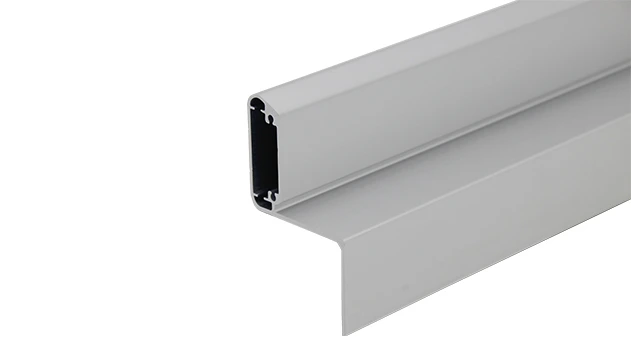
Aluminum Guide Rail A
The aluminum guide rails hold the transport goods securely on the roller track. For installation, the guide rails are simply pushed over the roller tracks.To protect sensitive products.
In the bustling world of manufacturing, where every second counts and precision is non-negotiable, certain components quietly carry the weight of seamless operations. Aluminum Guide Rail A is one such workhorse—unassuming yet critical, it's the backbone of material flow in assembly lines, warehouses, and production cells across industries like 3C assembly, medical device manufacturing, and automotive parts production. These rails keep roller tracks gliding, workbenches organized, and lean systems operating at peak efficiency. But like any hardworking tool, they don't last forever. Ignoring the signs of wear isn't just a matter of equipment longevity; it's about protecting your team's productivity, product quality, and bottom line. Let's dive into the telltale indicators that your Aluminum Guide Rail A is ready for a replacement—and why acting early matters.
The Unsung Hero: What Makes Aluminum Guide Rail A Indispensable?
Think about your production floor. When parts glide smoothly from one workstation to the next, when tools stay aligned on your workbench, when roller tracks move inventory without hitches—chances are, Aluminum Guide Rail A is behind that harmony. This unassuming aluminum extrusion profile is engineered to withstand constant friction, support heavy loads, and maintain precision even in high-paced environments. It's the reason your lean system lives up to its name: minimizing waste, maximizing flow, and keeping operations in rhythm. But here's the thing—its reliability can make it easy to overlook. Over time, the very demands that make it essential also take a toll. Let's break down how to spot when this silent performer needs a helping hand.
5 Critical Wear Indicators You Can't Afford to Miss
Wear and tear doesn't happen overnight, but it does happen predictably. By learning to recognize these five signs, you'll move from reactive fixes to proactive maintenance—saving time, money, and headaches down the line.
1. Visible Surface Damage: Scratches, Dents, and Deformation
Run your hand along the length of the rail (with gloves, of course). What do you feel? Minor surface scuffs are normal, but deep scratches—especially those that catch your fingernail—or dents that alter the rail's straight edge are red flags. These imperfections disrupt the smooth movement of roller tracks or sliding components. For example, a 1mm dent might seem tiny, but when a plastic roller track guide rail glides over it hundreds of times a day, it creates micro-jolts that wear down both the rail and the rollers. Over time, this leads to uneven material flow, increased noise, and even jams that bring your line to a halt.
2. Roller Stickiness or "Jumpiness" During Movement
Next time you're on the floor, stand beside a section of Aluminum Guide Rail A and watch the rollers in action. They should move with a consistent, almost silent glide. If you notice hesitation—rollers sticking for a split second before lurching forward—or hear a "clicking" sound as they pass over certain spots, it's time to investigate. This often happens when the rail's surface has developed uneven wear patterns or tiny grooves from repeated friction. Imagine trying to push a cart over a bumpy road versus a smooth highway—your rollers feel the same difference. This "jumpiness" doesn't just slow things down; it strains the entire lean pipe system, from the caster wheels on your turnover trolley to the joints holding the rail in place.
3. Loose Connections or Misalignment
Aluminum Guide Rail A rarely works alone. It's connected to aluminum profiles, roller track placon mounts, or end supports—all part of a carefully calibrated system. If you notice the rail has shifted slightly, creating a gap between it and adjacent components, or if the mounting brackets feel wobbly when gently shaken, don't brush it off. Loose connections often stem from worn mounting holes (stripped threads from repeated adjustments) or warped rail ends. Even a 2-degree misalignment can cause materials to slide off track or put extra pressure on one side of the rail, accelerating wear. In 3C assembly lines, where precision is measured in millimeters, this misalignment can lead to faulty part placements and costly rework.
4. Corrosion or Discoloration
Take a close look at the rail's finish. Aluminum is naturally resistant to rust, but in humid environments (like some medical device facilities) or areas with chemical exposure, you might spot white, powdery oxidation or dark, pitted spots. This isn't just a cosmetic issue—corrosion weakens the rail's structural integrity. A rail with pitted corrosion might look stable, but under load, those pits can turn into cracks. In cleanroom settings, corrosion particles can even contaminate products, violating strict quality standards. If you work in food packaging or medical equipment manufacturing, this isn't just a maintenance problem—it's a compliance risk.
5. Unexplained Drops in Production Speed
Sometimes the most obvious sign isn't visible at first glance. If your team has noticed that tasks that used to take 10 minutes now take 12, or if bottlenecks keep forming at the same workstation, worn Aluminum Guide Rail A could be the culprit. When a rail is compromised, operators unconsciously slow down to prevent jams or correct misaligned materials. Over a full shift, those extra seconds add up to hours of lost productivity. One electronics manufacturer we worked with (let's call them Company X) thought their slowdown was due to staff fatigue—until they replaced their 3-year-old Aluminum Guide Rail A. Almost immediately, their assembly line speed picked back up by 15%—no new hires, no process overhauls, just addressing a hidden wear issue.

The Cost of Waiting: Why Delaying Replacement Hurts More Than It Helps
It's tempting to put off replacing a "still working" rail. After all, budgets are tight, and downtime feels like the bigger enemy. But here's the truth: waiting costs more. A worn rail doesn't just stay worn—it causes a ripple effect. Worn rollers, strained joints, and misaligned workbenches all follow. What starts as a $200 rail replacement can balloon into a $2,000 repair bill when other components fail. Worse, unplanned downtime from a sudden rail collapse? That could cost thousands in missed deadlines and rushed overtime. In lean manufacturing, the goal is to eliminate waste—and unnecessary repair costs and downtime are some of the biggest wastes of all.

Your 5-Minute Inspection Checklist
You don't need to be an engineer to check your Aluminum Guide Rail A. Try this quick routine during your next shift change:
| Indicator | How to Check | Action If Spotted |
|---|---|---|
| Surface scratches/dents | Run gloved hand along rail; use a straightedge to check for dents | replace if scratches are >0.5mm deep or dents distort straightness |
| Roller movement issues | Slide a roller along the rail; listen for clicks/jumps | Clean rail first (debris can cause stickiness); if problem persists, replace |
| Loose connections | Gently shake rail at mounting points; check for gaps between rail and brackets | Tighten brackets first; if holes are stripped, replace rail and brackets |
| Corrosion | Inspect for white oxidation or pitting; focus on humid/chemical-exposed areas | replace immediately if corrosion covers >10% of surface area |
| Production slowdowns | Compare current workstation times to 3-month averages | Inspect rail as a potential cause; replace if other issues are ruled out |
Choosing the Right Replacement: Why Quality Matters
When it's time to replace, not all Aluminum Guide Rail A options are created equal. Look for these features to ensure your new rail lasts longer and performs better:
- Precision-Engineered Aluminum Extrusion : A rail with consistent wall thickness and smooth edges reduces roller wear. Cheap rails often have uneven extrusion, leading to the same problems you're replacing.
- Compatible Accessories : Ensure the rail works with your existing roller track placon mounts, aluminum profile connectors, and end supports. Mismatched parts cause early failure—look for systems designed as a complete lean solution.
- Surface Treatment : Anodized or powder-coated finishes add extra protection against corrosion, especially in tough environments. For ESD-sensitive workstations (like electronics assembly), look for conductive coatings to prevent static damage.
- Lean Design Principles : The best rails are built for easy installation and adjustment, aligning with the "sustainable improvement" mindset of lean systems. No one wants to spend hours wrestling with a rail that's hard to mount—time better spent on actual production.
Wrapping Up: Your Rail, Your Line, Your Success
Aluminum Guide Rail A might not be the flashiest part of your production line, but it's one of the most vital. By learning to spot these wear indicators, you're not just maintaining equipment—you're protecting your team's efficiency, your product quality, and your bottom line. Remember, lean manufacturing isn't about perfection; it's about progress. And sometimes, progress starts with something as simple as replacing a worn rail before it becomes a problem.
So next time you're on the floor, take a minute to check your Aluminum Guide Rail A. Run your hand along it. Watch the rollers. Listen to the rhythm of your line. Your future self—and your production numbers—will thank you.