- Company Articles
- Products and Technology
- Product knowledge
- Single-Row vs. Double-Row 60 Steel Roller Track Small Wheels: Selection Tips

Single-Row vs. Double-Row 60 Steel Roller Track Small Wheels: Selection Tips
Related Product
60 Steel Roller Track Small Wheel
Modular system roller tracks aluminum gravity roller tracks are an excellent solution for transporting materials within industrial environments, warehouses and distribution centres.
In the fast-paced world of manufacturing, warehousing, and logistics, every small detail of your material handling system can make a huge difference in efficiency, cost, and product quality. Whether you're moving tiny 3C components down an assembly line or heavy automotive parts through a warehouse, the roller track you choose acts as the silent backbone of your workflow. Among the most versatile options available today are the 60 steel roller track small wheels—compact, durable, and designed to handle a wide range of tasks. But here's the catch: should you go for single-row or double-row wheels? This question often stumps operations managers and engineers alike, as both options have distinct strengths and weaknesses that align with different needs. In this article, we'll dive deep into the differences between single-row and double-row 60 steel roller track small wheels, provide a head-to-head comparison, and share actionable tips to help you make the right choice for your business.
What Are 60 Steel Roller Track Small Wheels?
Before we jump into the single-row vs. double-row debate, let's first understand what these components are and why they're so widely used. The term "60 steel roller track small wheels" refers to a type of material handling track where the main structure is made of steel, the track width is typically 60mm (a standard size for many industrial applications), and the rolling elements are small-diameter wheels (usually between 20mm and 30mm). These tracks are a staple in lean manufacturing environments, as they enable smooth, continuous movement of items—reducing manual labor and minimizing the risk of product damage.
Steel is the material of choice here for several reasons: it's highly durable, resistant to wear and tear, and can withstand heavy use over long periods. The small wheels are designed to reduce friction, allowing items to glide easily along the track with minimal force. This makes them ideal for use in flow racks, conveyors, and lean workstations—all key components of modern material handling systems. Whether you're looking to optimize your assembly line or streamline your warehouse picking process, these tracks are a reliable option to consider.
Single-Row 60 Steel Roller Track Small Wheels: Features & Use Cases
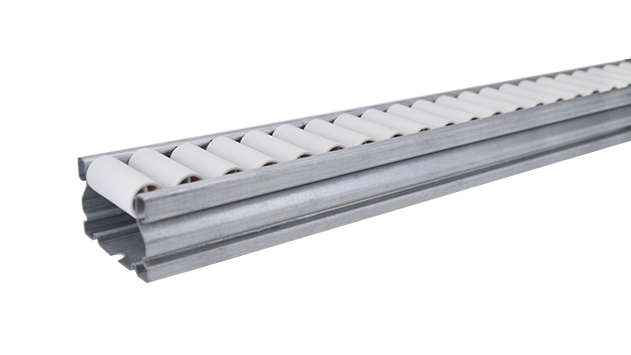
Single-row 6O steel roller track small wheels consist of a single line of small wheels mounted along the length of the track. This design is simple, compact, and cost-effective—making it a popular choice for many small to medium-sized businesses. Let's break down its key features:
Key Features:
- Space Efficiency: The single-row design has a narrow profile, making it perfect for tight spaces—like small lean workstations or narrow aisles in warehouses.
- Low Friction: With fewer wheels in contact with the load, single-row tracks offer lower friction, allowing lightweight items to glide smoothly with minimal effort.
- Cost-Effective: Since there are fewer components (only one row of wheels), single-row tracks are more affordable upfront than their double-row counterparts.
- Easy Maintenance: Fewer parts mean less time and effort spent on maintenance—ideal for businesses with limited maintenance resources.
Pros:
- Perfect for lightweight items (up to 60 kg per linear meter).
- Fits into tight spaces where double-row tracks can't.
- Lower initial investment.
- Smooth glide for small, uniform loads.
Cons:
- Limited load capacity, unsuitable for heavy items.
- Less stable for uneven loads, increasing risk of tipping.
- Not ideal for high-volume workflows that demand continuous heavy use.
Ideal Use Cases:
- 3C Assembly Lines: Moving small components like circuit boards, phone screens, or battery packs.
- Packaging Departments: Transporting lightweight packaging materials (e.g., boxes, envelopes).
- Low-Volume Warehouses: Picking and sorting small items like electronics accessories or stationery.
- Office Supplies Storage: Organizing and retrieving lightweight office items in storage rooms.
Double-Row 60 Steel Roller Track Small Wheels: Features & Use Cases
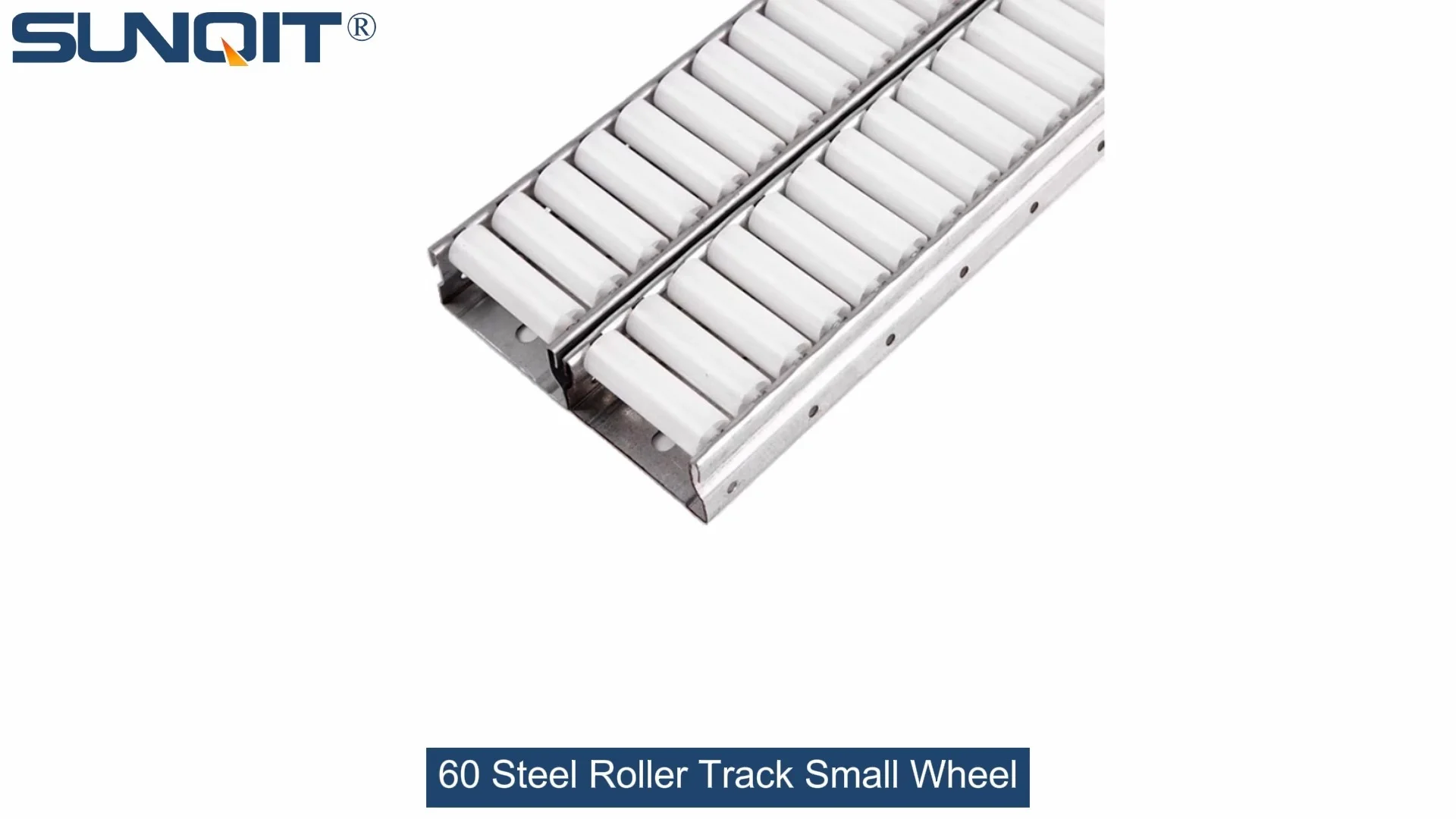
Double-row 60 steel roller track small wheels feature two parallel lines of small wheels mounted along the track. This design is built for strength and stability—making it the go-to choice for businesses dealing with heavier loads or high-volume workflows. Let's explore its key attributes:
Key Features:
- High Load Capacity: The double-row design distributes the weight of the load across two sets of wheels, allowing it to handle much heavier items than single-row tracks.
- Enhanced Stability: Two rows of wheels provide better support for uneven or bulky loads, reducing the risk of tipping or product damage.
- Durability: With more wheels, the track can withstand continuous heavy use—making it suitable for high-volume manufacturing lines.
- Versatility: Can handle a wider range of items, from medium-weight parts to heavier components.
Pros:
- High load capacity (up to 180 kg per linear meter).
- Excellent stability for uneven or bulky loads.
- Suitable for high-volume workflows (continuous use).
- Longer lifespan under heavy use.
Cons:
- Wider profile—takes up more space than single-row tracks.
- Slightly higher friction (due to more wheels in contact with the load).
- Higher upfront cost (more components).
- Requires more maintenance (two rows of wheels to inspect and clean).
Ideal Use Cases:
- Automotive Manufacturing: Moving heavy parts like engine components or brake pads along assembly lines.
- Medical Device Production: Transporting sterile instrument kits or heavy medical equipment parts.
- High-Volume Warehouses: Storing and picking bulk items like automotive parts or industrial supplies.
- Logistics Centers: Sorting and moving medium to heavy packages (e.g., boxes of appliances or tools).

Single-Row vs. Double-Row: Head-to-Head Comparison
| Factor | Single-Row 60 Steel Roller Track | Double-Row 60 Steel Roller Track |
|---|---|---|
| Load Capacity | Light: 30–60 kg per linear meter | Medium: 80–180 kg per linear meter |
| Stability | Good for small, uniform loads | Excellent for large, uneven loads |
| Space Efficiency | High—fits tight spaces (narrow profile) | Lower—requires more lateral space |
| Friction Level | Low—smooth glide for light items | Moderate—stable for heavier loads |
| Maintenance Effort | Low—fewer parts to inspect/clean | Moderate—two rows to maintain |
| Upfront Cost | Affordable—lower component count | Higher—more components (two rows of wheels) |
| Ideal Workflow | Low-volume, light-item handling | High-volume, heavy-item handling |
| Best For | 3C components, packaging materials, small parts | Automotive parts, medical devices, bulk items |
Critical Selection Tips: How to Choose the Right Track
Choosing between single-row and double-row 60 steel roller track small wheels isn't a one-size-fits-all decision. To make the best choice for your business, you need to consider several key factors. Here's a step-by-step guide to help you:
1. Calculate Your Load Requirements:
First and foremost, you need to know the weight of the heaviest item that will pass through the track. This includes not just the item itself but also any additional stress (like sudden stops or impacts). For example, if your heaviest item is 40 kg, a single-row track is sufficient. But if you're moving items that weigh 100 kg or more, a double-row track is the safer choice. Remember to account for future growth—if you plan to expand your operations and handle heavier items, investing in a double-row track now can save you money later.
2. Analyze Your Workflow Speed & Volume:
How fast do items move through your system? And how many items do you handle per hour? Single-row tracks are ideal for slow, precise workflows (like assembling small 3C components), where speed isn't the top priority. Double-row tracks, on the other hand, are better suited for high-speed, high-volume workflows (like sorting packages in a logistics center), as they can handle continuous use without breaking down.
3. Evaluate Space Constraints:
Do you have limited space in your facility? If yes, a single-row track is the way to go—its narrow profile fits into tight spaces like small lean workstations or narrow aisles. Double-row tracks require more lateral space, so make sure you have enough room before investing in them. Measure your available space carefully and consider how the track will fit into your existing layout.
4. Consider Maintenance Needs:
How much time and resources can you allocate to maintenance? Single-row tracks are easier to maintain—you only need to inspect and clean one row of wheels. Double-row tracks require more effort, as you have to check both rows for wear and tear. If you have a small maintenance team or limited time, a single-row track is a more practical choice.
5. Check Compatibility With Existing Systems:
Will the track integrate with your existing material handling system? For example, if you already have flow racks or conveyors that use 60mm tracks, both single-row and double-row tracks should be compatible—but you need to check the mounting hardware and overall dimensions. A reliable roller track supplier can help you verify compatibility and ensure a seamless integration.
6. Look at Long-Term Value:
While single-row tracks are cheaper upfront, they may not be the best long-term investment if you plan to handle heavier items in the future. Double-row tracks cost more now but offer higher load capacity and durability—reducing the need for replacements and repairs down the line. Consider the total cost of ownership (TCO) rather than just the initial price tag.
Real-World Applications: Single-Row vs. Double-Row in Action
To better understand how these tracks are used in real-world scenarios, let's look at a few examples from different industries:
Example 1: 3C Assembly Line
A leading 3C manufacturer uses single-row 60 steel roller track small wheels in its assembly line for smartphones. The track moves small components like circuit boards and battery packs from one station to another. The single-row design fits perfectly into the tight spaces of the lean workstation, and the low friction allows workers to move components easily—reducing fatigue and increasing productivity. Since the components are lightweight (under 50 kg), the single-row track is more than sufficient for their needs.
Example 2: Automotive Parts Warehouse
An automotive parts warehouse uses double-row 60 steel roller track small wheels in its flow racks to store and pick heavy engine components. The double-row design can handle the weight of the components (up to 150 kg per linear meter) and provides excellent stability—preventing the parts from tipping over. The high-volume workflow (hundreds of parts per hour) requires a track that can withstand continuous use, and the double-row track delivers on that front.
Example 3: Medical Device Production
A medical device company uses double-row tracks in its production line for sterile instrument kits. The kits are heavy (around 100 kg) and need to be handled with care to maintain sterility. The double-row track provides the stability needed to move the kits smoothly without damage, and the durable steel construction ensures that the track can withstand the strict cleaning protocols required in medical environments.
Common Mistakes to Avoid When Choosing Roller Tracks
Choosing the wrong roller track can lead to inefficiencies, product damage, and unnecessary costs. Here are some common mistakes to avoid:
1. Choosing Based on Cost Alone:
Many businesses opt for single-row tracks because they're cheaper—only to find out later that they can't handle the load. This leads to frequent breakdowns and costly replacements. Always prioritize your load requirements over upfront cost.
2. Ignoring Load Distribution:
Even if the total load is within the track's capacity, uneven distribution can cause problems. For example, a single-row track may struggle with an item that has a heavy end—leading to tipping or damage. Double-row tracks are better suited for uneven loads, as they distribute weight over more wheels.
3. Not Checking Compatibility:
Buying a track that doesn't fit into your existing system is a waste of time and money. Always verify compatibility with your flow racks, conveyors, or workstations before making a purchase. A good roller track supplier will help you with this.
4. Overlooking Maintenance Needs:
Some businesses forget to factor in maintenance when choosing a track. Double-row tracks require more maintenance, so if you don't have the resources to keep them in good shape, you may end up with frequent breakdowns. Choose a track that aligns with your maintenance capabilities.
5. Forgetting Future Growth:
Your business may grow, and your material handling needs may change. If you plan to handle heavier items in the future, investing in a double-row track now is a smarter choice than replacing a single-row track later.
How to Source Quality 60 Steel Roller Track Small Wheels
Once you've decided between single-row and double-row tracks, the next step is to find a reliable supplier. The quality of your roller track directly impacts the efficiency of your workflow—so it's important to choose a supplier that offers high-quality products and excellent customer support. Here are some tips to help you find the right roller track supplier:
1. Look for Industry Experience:
Choose a supplier with years of experience in the material handling industry. An experienced supplier will understand your needs and can provide valuable advice on which track is best for your application. They'll also have a proven track record of delivering high-quality products.
2. Check Product Quality:
Ask about the material used for the track and wheels. The steel should be thick enough to withstand heavy use, and the wheels should be made of durable materials (like hardened steel) to resist wear. A good supplier will provide test reports and certifications to prove the quality of their products.
3. Evaluate Customer Support:
Does the supplier offer after-sales support? For example, do they provide installation guidance or repair services? A supplier that stands behind their products will offer excellent customer support—helping you resolve any issues quickly and efficiently.
4. Consider Customization Options:
If you have unique needs (like custom lengths or mounting hardware), look for a supplier that offers customization. This ensures that the track fits perfectly into your existing system and meets your specific requirements.
5. Compare Prices:
While price shouldn't be the only factor, it's important to compare prices from different suppliers to get the best value. However, don't compromise on quality for a lower price—cheaper tracks may end up costing you more in the long run due to frequent breakdowns.
Conclusion
Choosing between single-row and double-row 60 steel roller track small wheels is a critical decision that can impact your business's efficiency and bottom line. Single-row tracks are ideal for lightweight items, tight spaces, and low-volume workflows—offering cost savings and easy maintenance. Double-row tracks are better suited for heavier items, high-volume workflows, and uneven loads—providing stability and durability. By considering your load requirements, space constraints, maintenance needs, and long-term goals, you can make an informed choice that aligns with your business's needs.
Remember, the right roller track is more than just a component—it's an investment in your business's future. By working with a trusted roller track supplier and following the tips outlined in this article, you can optimize your material handling system and achieve greater efficiency in your operations. Whether you're in the 3C industry, automotive manufacturing, or warehousing, the right track will help you streamline your workflow and stay ahead of the competition.