- Company Articles
- Products and Technology
- Solution
- Single Side Aluminum Pipe and Lean Principles: A Comprehensive Guide

Single Side Aluminum Pipe and Lean Principles: A Comprehensive Guide
Related Product
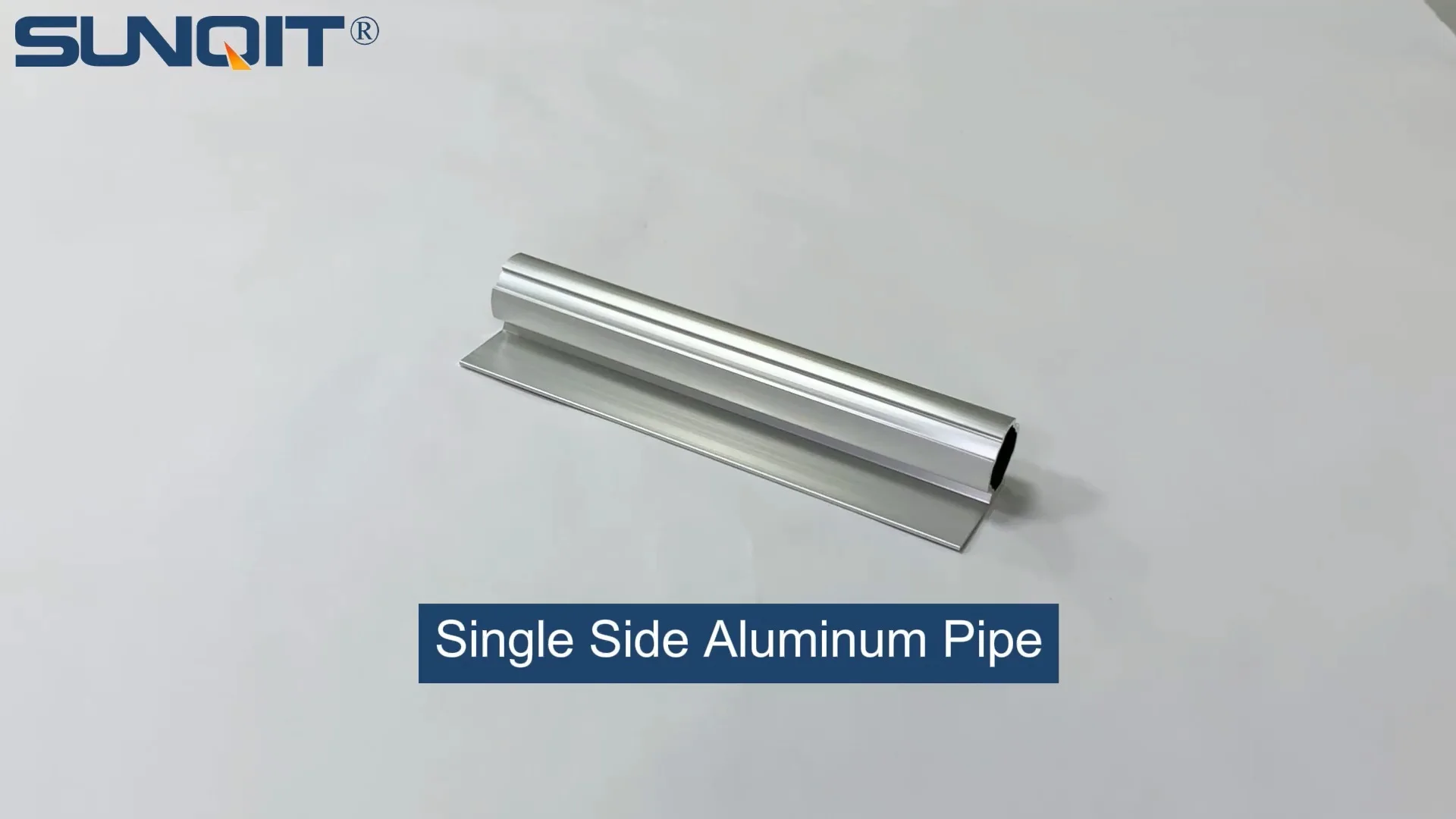
Single Side Aluminum Pipe
The single-sided plane can be installed with a back-mounted material box, and can also be used as a sidewall or partition.
Walk into any busy manufacturing facility, and you'll likely witness a familiar dance: workers rushing to fetch tools, parts awkward corners, and assembly lines grinding to a halt because a workstation isn't quite right. These aren't just minor inconveniences—they're silent drains on productivity, morale, and profits. In a world where every second counts, lean principles have become the north star for businesses aiming to eliminate waste and streamline workflows. But here's the truth: even the best lean strategies falter without the right tools. Enter the unsung hero of modern manufacturing setups: the single side aluminum pipe . This unassuming component, paired with aluminum profiles and modular accessories, is redefining how teams build flexible, efficient workspaces that grow with their needs. Let's dive into how this dynamic duo—single side aluminum pipe and lean thinking—can transform chaos into clarity, one workstation at a time.
Why Lean Principles Matter More Than Ever
Before we unpack the magic of aluminum pipes, let's ground ourselves in why lean matters. At its core, lean isn't just a buzzword—it's a mindset centered on respect for people and continuous improvement . Developed by Toyota in the mid-20th century, lean principles were born from the need to do more with less: less time, less space, less waste. Today, in an era of short product lifecycles and ever-shifting customer demands, that need has never been greater.
Think about it: traditional manufacturing setups are often rigid. A steel workbench bolted to the floor might work for one product, but when the next project comes along—with different dimensions, tools, or team sizes—you're stuck. Workers adapt by jury-rigging solutions (hello, duct tape and makeshift shelves), but that's not improvement—that's survival. Lean flips the script by asking: What if our workspaces could evolve as quickly as our goals?
The answer lies in flexibility. Lean systems demand setups that can be reconfigured in hours, not weeks. They require materials that are lightweight enough for a single worker to adjust but sturdy enough to handle daily use. And they need components that don't just serve one purpose but can be repurposed, reused, and recycled. This is where single side aluminum pipe steps in.
Single Side Aluminum Pipe: The Building Block of Flexible Lean Systems
So, what exactly is a single side aluminum pipe? At first glance, it might look like any other metal tube, but its design is deliberate. Unlike clunky steel pipes or even traditional PE-coated lean pipes, single side aluminum pipes are engineered for modularity . They're typically made from high-grade aluminum alloy, which gives them a winning combo of strength and lightness—think: strong enough to support heavy tools, but light enough that two workers can rearrange a flow rack without calling in the maintenance crew.
But the real genius is in the details. These pipes often feature T-slot designs (hence the term T-groove aluminum pipe ), which allow accessories like brackets, shelves, and connectors to slide into place and lock securely—no welding, no drilling, no hassle. Imagine building a workbench where you can add a tool holder on Monday, a laptop shelf on Wednesday, and reposition the entire setup by Friday to accommodate a new assembly process. That's the flexibility aluminum pipes deliver.
Let's talk materials for a second. Traditional lean systems sometimes rely on steel pipes, which are durable but heavy and prone to rust in humid environments. PE-coated lean pipes (plastic-covered steel) solve some rust issues but lack the rigidity needed for heavy-duty tasks. Aluminum? It's naturally corrosion-resistant, so it holds up in factories with moisture or chemicals. It's also non-magnetic and non-sparking, making it safe for sensitive industries like electronics manufacturing. And here's a bonus for the eco-conscious: aluminum is 100% recyclable, aligning with lean's "perfection" principle of minimizing environmental impact.

From Pipes to Productivity: How Aluminum Profiles Power Lean Workflows
Single side aluminum pipes don't work alone—they're part of a larger ecosystem of aluminum profiles and accessories. Think of aluminum profiles as the "bones" of your workspace, with pipes as the "joints" that connect them. Together, they form everything from workbenches and flow racks to conveyors and material trolleys. Let's break down three key applications where this system shines:
1. Workbenches: Where the Magic (and the Assembly) Happens
A workbench is more than just a table—it's a worker's second home. A poorly designed bench forces awkward postures, wastes time hunting for tools, and can even lead to injuries. Aluminum profile workbenches fix this by putting customization front and center. Need a bench that's 36 inches high for assembly and 42 inches for packing? Adjust the legs with adjustable leveling feet (no tools required). Want to add a pegboard for tools on one side and a bin for scrap on the other? Slide in brackets and secure them with T-slot bolts. Even better, when your team grows or your product line changes, you can expand the bench by adding more aluminum pipes and profiles—no need to buy a whole new setup.
Take the example of a small electronics manufacturer I visited last year. Their old workbenches were static wooden tables with tools scattered in drawers. Workers spent 15 minutes each morning just organizing their stations. After switching to aluminum profile workbenches with modular tool holders, overhead racks, and integrated ESD (electrostatic discharge) mats, that prep time dropped to 2 minutes. "It's like having a workstation that knows exactly what I need, when I need it," one assembler told me. Productivity spiked by 20% in the first month alone.
2. Flow Racks: Keeping Materials Moving (Without the Fuss)
In lean terms, flow is everything. Materials should glide from storage to assembly to shipping without bottlenecks. That's where flow racks come in—and aluminum pipes make them smarter. Traditional flow racks often use steel rollers, which are heavy and hard to adjust. Aluminum flow racks, by contrast, use lightweight roller tracks and swivel roller balls that can be tilted, extended, or shortened to match the size of your parts. Need to switch from small circuit boards to larger engine components? Just reposition the aluminum guide rails and add a few extra rollers. The result? Parts slide smoothly to the picker, reducing bending and reaching (goodbye, back pain!), and stock levels stay visible, so you never run out of critical components.
A automotive parts supplier I worked with once had a problem: their steel flow racks were so heavy that rearranging them required a forklift and a team of three. When they switched to aluminum, two workers could reconfigure an entire rack in under an hour. They also added plastic roller track guide rails in bright yellow, making it easier for pickers to spot which bin belongs to which order. Errors dropped by 15%, and the warehouse manager joked, "I haven't heard a single complaint about 'heavy lifting' since we made the switch."
3. Conveyors: Moving Parts, Not People
No lean setup is complete without a reliable way to move materials between stations. Conveyors are the backbone of this process, but traditional belt or chain conveyors are often one-size-fits-all. Aluminum pipe conveyors change the game with their modular design. Using aluminum profiles as the frame and lightweight roller conveyors or belt conveyors , you can build a system that bends around corners, adjusts in height, or even splits into multiple lanes—all without calling in a contractor. Need to add a section for quality control? Snap on a new aluminum frame. Slow down the flow for delicate parts? Swap out the standard rollers for softer, rubber-coated ones. It's adaptability at its finest.

Aluminum vs. the Rest: A Quick Comparison
Still on the fence about aluminum? Let's put it head-to-head with other common materials. The table below breaks down how single side aluminum pipes stack up against steel, PE-coated lean pipes, and traditional wood in key categories:
| Feature | Single Side Aluminum Pipe | Steel Pipe | PE-Coated Lean Pipe | Wooden Workbench |
|---|---|---|---|---|
| Weight | Lightweight (easy to reconfigure) | Heavy (requires equipment to move) | Moderate (heavier than aluminum) | Heavy (fixed, hard to adjust) |
| Durability | High (corrosion-resistant, scratch-proof) | High (prone to rust without coating) | Moderate (plastic coating can chip) | Low (dents, warps with moisture) |
| Flexibility | Excellent (modular, reconfigurable in hours) | Poor (welded joints, hard to modify) | Good (clamps allow some adjustments) | None (fixed structure) |
| Cost (Long-Term) | High upfront, low over time (reusable, durable) | Moderate upfront, high maintenance (rust, replacement) | Low upfront, moderate over time (coating replacement) | Low upfront, high over time (frequent replacement) |
| Eco-Friendliness | Excellent (100% recyclable, low energy to produce) | Good (recyclable, but high energy to mine) | Poor (plastic coating hard to recycle) | Depends (sustainable wood sources, but not recyclable) |
The verdict? Aluminum might cost a bit more upfront, but its flexibility and durability make it a smart investment. When you factor in how often you'll reuse it, how little maintenance it needs, and how much time it saves your team, it pays for itself in months.

Accessories: The Glue That Holds It All Together
A single side aluminum pipe is only as good as the accessories that accompany it. Think of them as the "secret sauce" that turns pipes and profiles into fully functional workspaces. Here are a few must-haves:
- Aluminum Joints & Connectors: These are the unsung heroes of modularity. From 90° aluminum pipe joints for corners to parallel aluminum joints for extending shelves, these connectors lock into T-slots with a simple turn of a bolt. No welding, no drilling—just click and go.
- Casters & Wheels: Want a workstation that moves? Add caster wheels with brakes to your aluminum workbench or trolley. Look for heavy-duty casters with swivel locks to keep things stable when in use.
- Leveling Feet: Uneven floors? No problem. Adjustable leveling feet screw into the bottom of aluminum profiles, ensuring your workbench or rack stays steady—critical for precision tasks like electronics assembly.
- Workbench Tops: Aluminum profiles need a sturdy surface. Options range from aluminum honeycomb panels (lightweight and strong) to ESD mats (for static-sensitive work) and even wooden tops for a warmer feel.
- Tool Holders & Bins: Keep tools within arm's reach with modular holders that clip onto aluminum pipes. Turnover trolleys and bins with aluminum frames are perfect for transporting parts between stations.
The best part? Most suppliers offer kits with all these accessories, so you don't have to hunt for compatible parts. It's like building with Legos—everything clicks together, and the possibilities are endless.
Choosing a Supplier: More Than Just a Vendor
You've decided to invest in aluminum pipe systems—now what? Choosing the right lean pipe supplier (or aluminum profile supplier) is just as important as the products themselves. Here's what to look for:
1. Quality Over Price
It's tempting to go for the cheapest aluminum pipes, but thin-walled or low-grade aluminum will bend, warp, or break under stress. Ask suppliers for material certifications (like ISO 9001) and test reports on load capacity. A good supplier will happily share this info—transparency is a sign of confidence in their products.
2. Range of Accessories
A supplier with a limited accessory lineup will limit your creativity. Look for companies that offer everything from basic joints to specialized parts like aluminum guide rails or stainless steel swivel roller balls . The more options you have, the more tailored your setup will be.
3. Technical Support
Even the most modular systems can feel overwhelming at first. A great supplier won't just sell you parts—they'll help you design your workspace. Do they offer CAD drawings or 3D models? Can their team answer questions about load limits or assembly? A supplier that acts as a partner will save you time and headaches.
4. Lead Times & Reliability
There's nothing worse than waiting weeks for a critical part to arrive. Ask about average lead times, and check reviews to see if other customers mention delays. A reliable supplier will keep stock of popular items and communicate proactively if there's a hold-up.
The Future of Lean: Where Aluminum Pipes and Technology Collide
Lean principles have been around for decades, but they're far from static. As Industry 4.0 takes hold—with smart factories, IoT sensors, and AI-driven analytics—aluminum pipe systems are evolving too. Imagine a workbench with built-in sensors that track tool usage and send alerts when supplies run low. Or a flow rack that adjusts its roller speed based on real-time production data. It's not science fiction—aluminum profiles, with their T-slot designs, are the perfect platform for integrating tech. Add a sensor bracket here, a data port there, and suddenly your humble workstation becomes a hub of smart manufacturing.
Sustainability is also front and center. As companies aim for net-zero goals, aluminum's recyclability becomes even more valuable. Some suppliers are now offering "closed-loop" programs, where old aluminum pipes are collected, recycled, and turned into new profiles—closing the loop on waste. It's lean's "perfection" principle in action, proving that efficiency and eco-friendliness can go hand in hand.
Final Thoughts: Lean Isn't Just a System—It's a Mindset
At the end of the day, single side aluminum pipes and aluminum profiles aren't just tools—they're enablers. They enable your team to think differently about workspaces: to see them not as fixed structures, but as living, breathing systems that adapt to their needs. They turn "we can't" into "we can reconfigure." They turn wasted time into focused productivity. And most importantly, they put the power of improvement back into the hands of the people who use the space every day.
So, whether you're a small workshop looking to streamline assembly or a large manufacturer aiming to scale, remember this: lean isn't about perfection on day one. It's about progress. And with single side aluminum pipes by your side, that progress will be faster, smoother, and a whole lot less stressful. Your team deserves a workspace that works for them—and with aluminum and lean, you can build it.