- Company Articles
- Products and Technology
- Procurement Guidelines
- Single Side Aluminum Pipe Buying Guide: Key Specifications to Consider

Single Side Aluminum Pipe Buying Guide: Key Specifications to Consider
Related Product
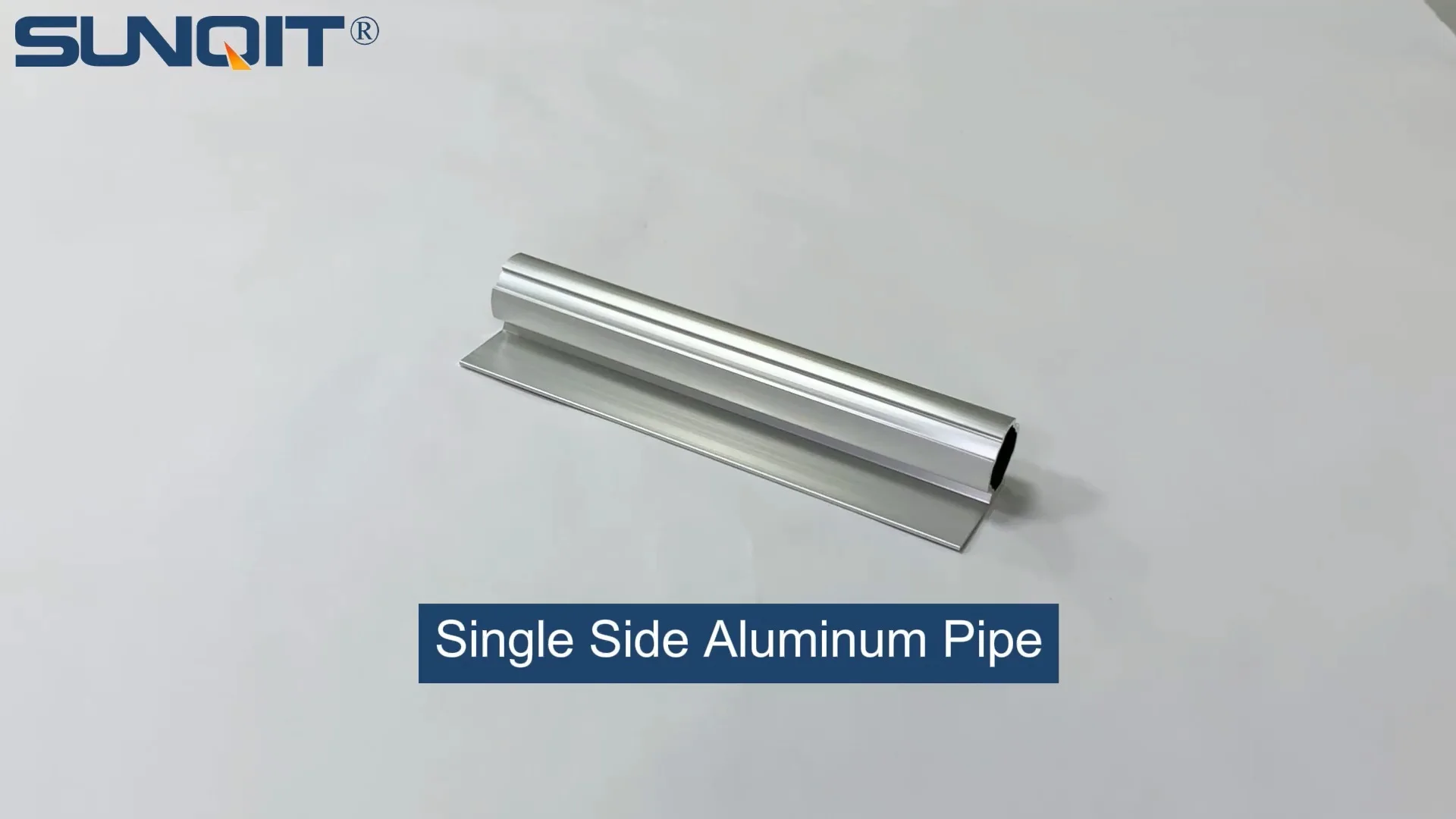
Single Side Aluminum Pipe
The single-sided plane can be installed with a back-mounted material box, and can also be used as a sidewall or partition.
Introduction: Why Single Side Aluminum Pipe Matters in Modern Operations
In today's fast-paced manufacturing, warehousing, and retail environments, the right tools and materials can make or break efficiency. Whether you're setting up a production line, organizing a warehouse, or building custom workstations, the structural components you choose play a critical role in daily operations. Among these, single side aluminum pipe has emerged as a go-to solution for its unique blend of durability, flexibility, and cost-effectiveness. Unlike traditional steel pipes or even standard aluminum tubes, single side aluminum pipe is designed with a specific profile that simplifies assembly, reduces weight, and enhances compatibility with a wide range of accessories—making it a favorite for lean system setups and modular projects.
If you've ever walked through a well-organized factory floor or a sleek retail display, chances are you've seen single side aluminum pipe in action. It's the backbone of workbenches that withstand daily tool use, the framework of flow racks that keep materials moving, and the structure behind mobile trolleys that glide smoothly across warehouse floors. But with so many options on the market—different grades, thicknesses, and finishes—how do you know which single side aluminum pipe is right for your project? This guide is here to break down the key specifications you need to consider, ensuring you make a purchase that aligns with your goals, budget, and long-term needs.
Whether you're a small business owner outfitting your first workshop or a procurement manager sourcing materials for a large-scale operation, understanding the nuances of single side aluminum pipe will save you time, money, and frustration. Let's dive into the details that matter most.
Key Specification 1: Material Grade—The Foundation of Strength and Performance
When it comes to aluminum pipes, not all grades are created equal. The material grade determines everything from tensile strength to corrosion resistance, and choosing the right one starts with understanding your project's demands. For single side aluminum pipe, two grades dominate the market: 6061 and 6063. Let's break down what makes each unique and when to prioritize one over the other.
6061 Aluminum: The Workhorse for Heavy-Duty Applications
6061 is often called the "all-purpose" aluminum grade, and for good reason. Alloyed with magnesium and silicon, it offers an impressive balance of strength, weldability, and machinability. With a tensile strength of around 310 MPa (megapascals) and a yield strength of 276 MPa, it's significantly stronger than many other aluminum alloys—making it ideal for applications where load-bearing capacity is non-negotiable. Think industrial workbenches that support heavy machinery, material racks in warehouses storing bulk goods, or conveyor systems moving products around a factory.
Another advantage of 6061 is its excellent corrosion resistance, especially when anodized. This makes it suitable for environments with high humidity, such as food processing facilities or outdoor storage areas. However, this strength comes with a trade-off: 6061 is slightly heavier than 6063, and its rigidity can make it less flexible for projects requiring intricate bends or custom shapes.
6063 Aluminum: The Aesthetic and Flexible Choice
If your project prioritizes a smooth finish, malleability, or lighter weight, 6063 aluminum is likely the better fit. Also alloyed with magnesium and silicon but in different proportions, 6063 has a lower tensile strength (around 186 MPa) and yield strength (145 MPa) compared to 6061, but it shines in other areas. Its fine grain structure results in a smoother surface, which is perfect for applications where appearance matters—like retail displays, office partitions, or custom workstations in client-facing spaces.
6063 is also more ductile, making it easier to extrude into complex shapes (hence its popularity in aluminum extrusion profile manufacturing). This flexibility is why it's often used for modular systems, where pipes need to connect with various aluminum pipe accessories like joints, brackets, or casters. It's also lighter than 6061, which can reduce overall project weight—an important factor for mobile structures like hand trolleys or temporary event setups.
| Property | 6061 Aluminum | 6063 Aluminum |
|---|---|---|
| Tensile Strength | 310 MPa | 186 MPa |
| Yield Strength | 276 MPa | 145 MPa |
| Surface Finish | Good, but slightly grainy | Excellent, smooth |
| Best For | Heavy loads, corrosion-prone environments | Aesthetic projects, modular systems, light-to-medium loads |
Pro Tip: If you're unsure which grade to choose, ask yourself: "What's the maximum weight this structure will need to support, and how important is appearance?" For most factory or warehouse setups, 6061 is a safe bet. For retail, offices, or lightweight modular systems, 6063 will likely serve you better.

Key Specification 2: Wall Thickness—Balancing Strength and Weight
Once you've settled on a material grade, the next critical specification to evaluate is wall thickness. This seemingly small detail directly impacts the pipe's load capacity, durability, and even cost. Single side aluminum pipe is available in a range of thicknesses, typically from 0.8mm to 2.0mm, and choosing the right one depends on how you plan to use the pipe.
Understanding Thickness Options and Their Uses
Let's start with the basics: the thicker the wall, the stronger the pipe—up to a point. A 2.0mm wall thickness will resist bending and warping under heavy loads far better than a 0.8mm pipe, but it will also add weight and cost. Here's how to match thickness to your needs:
- 0.8mm–1.0mm: These ultra-thin walls are best for lightweight, temporary, or low-load applications. Think display racks in retail stores holding small products, lightweight shelving for office supplies, or custom frames for trade show booths. They're easy to cut, transport, and assemble, but avoid using them for anything that bears significant weight.
- 1.2mm–1.5mm: The sweet spot for most general-purpose projects. This thickness offers a good balance of strength and weight, making it suitable for workbenches in home workshops, mobile trolleys for moving tools, or small material racks in warehouses. Many lean system setups use 1.5mm single side aluminum pipe for their modular workstations, as it can handle daily use without becoming too cumbersome.
- 2.0mm: Reserved for heavy-duty applications. If you're building a production line workbench that will support machinery weighing hundreds of pounds, a material rack storing metal parts, or a conveyor system for industrial goods, 2.0mm is the way to go. Just keep in mind: thicker walls mean the pipe will be heavier, so you'll need sturdier aluminum pipe accessories (like brackets and casters) to support the extra weight.
One common mistake buyers make is overestimating their needs. A 2.0mm pipe might seem "safer," but if your project only requires light to medium loads, you'll end up paying more and dealing with unnecessary weight. On the flip side, skimping on thickness to save money can lead to bent pipes, collapsed structures, or even safety hazards down the line. When in doubt, consult with your supplier or engineer to calculate the expected load and choose accordingly.

Key Specification 3: Surface Treatment—Protecting and Enhancing Your Pipe
Aluminum is naturally resistant to corrosion thanks to its oxide layer, but surface treatments can enhance this protection, improve aesthetics, or add functional properties like static resistance. When shopping for single side aluminum pipe, you'll encounter three main surface treatments: anodized, powder-coated, and mill finish. Each has its own advantages, and the right choice depends on your environment and priorities.
Anodized Finish: Durable and Corrosion-Resistant
Anodizing is an electrochemical process that the aluminum's natural oxide layer, creating a hard, porous surface that can be dyed or left natural. This treatment is prized for its durability—anodized single side aluminum pipe resists scratches, chipping, and corrosion far better than untreated aluminum. It's also low-maintenance: a simple wipe with a damp cloth is usually enough to keep it clean. For industrial settings, food processing facilities, or outdoor use, anodized finishes are a top choice.
Anodized pipes are available in natural silver, black, or even custom colors, though dyed options may cost more. Keep in mind: while anodizing improves corrosion resistance, it doesn't make the pipe impervious to harsh chemicals. If your environment involves exposure to acids or alkalis, you may need additional protective coatings.
Powder-Coated Finish: Colorful and Customizable
Powder coating involves applying a dry powder to the pipe's surface and curing it under heat, creating a thick, even layer. This treatment is popular for projects where color coding or aesthetics matter. Warehouses might use red pipes for hazard zones, blue for tool storage, or green for eco-friendly product lines. Retailers often opt for powder-coated pipes in brand colors to create cohesive displays.
Powder-coated finishes are also durable, with good resistance to impact and UV rays, making them suitable for indoor and outdoor use. However, they can chip if the pipe is bent or struck hard, and repairs to chipped areas are more noticeable than with anodized finishes. They're also slightly thicker than anodized layers, which can affect compatibility with tight-fitting aluminum pipe accessories—so double-check measurements if you're using precision joints.
Mill Finish: The Budget-Friendly Basic
Mill finish is the "as-manufactured" surface of the pipe, with no additional treatment beyond the extrusion process. It has a raw, matte appearance and is the most affordable option. Mill finish single side aluminum pipe is ideal for indoor projects where appearance isn't a priority, such as temporary structures, internal support frames, or applications where the pipe will be covered by panels or other materials.
The downside? Mill finish offers minimal corrosion resistance, so it's not recommended for humid or outdoor environments. It also scratches easily, which can make the pipe look worn over time. If you choose mill finish, consider applying a clear sealant to extend its lifespan, especially if it will be exposed to moisture.

Key Specification 4: Compatibility with Aluminum Pipe Accessories
Even the strongest, most well-finished single side aluminum pipe won't be useful if it doesn't work with the accessories you need to build your structure. From joints and brackets to casters and connectors, aluminum pipe accessories are the glue that holds modular systems together. Ensuring compatibility is critical to avoiding assembly delays, weak connections, or costly replacements down the line.
Understanding T-Slots and Profile Design
Single side aluminum pipe gets its name from its unique profile: one side features a T-slot (a long, narrow groove) that allows for easy attachment of accessories. This T-slot design is what makes the pipe so versatile—you can slide brackets, shelves, or tool holders into the slot and secure them with bolts or clips, no welding required. However, not all T-slots are the same. The width and depth of the slot can vary by manufacturer, and accessories are designed to fit specific slot sizes.
Before purchasing, check the T-slot dimensions (usually listed as width x depth, e.g., 8mm x 10mm) and ensure your chosen aluminum pipe accessories are compatible. A common mistake is assuming all T-slot accessories are universal—they're not. A bracket designed for a 10mm slot will be too loose in an 8mm slot, leading to wobbly connections, while a 12mm bracket won't fit at all.
Matching Joints and Connectors to Your Project
Joints and connectors are essential for building frames, shelves, or workbenches with single side aluminum pipe. They come in various styles, including 90-degree elbows, T-joints, corner brackets, and swivel connectors, each designed for specific angles and load capacities. When selecting joints, consider both the pipe's diameter and wall thickness—heavier pipes require sturdier joints to prevent bending at the connection points.
For example, if you're using 2.0mm wall thickness pipe to build a heavy-duty workbench, opt for cast aluminum joints with reinforced corners. For lighter 1.0mm pipes in a retail display, plastic or die-cast zinc joints may be sufficient and more cost-effective. Also, check if the joints are designed for single side pipes specifically—some accessories are made for standard round pipes or double-sided T-slot profiles and won't fit properly.
Expert Insight: When in doubt, buy a small "test kit" with one pipe and a few accessories before placing a large order. Assemble a simple frame to check for fit, stability, and ease of use. This small investment can save you from receiving a shipment of incompatible parts that delay your project.
Key Specification 5: Length and Tolerance—Precision Matters in Assembly
The final specifications to consider are length and tolerance. While length might seem straightforward—just measure how long you need the pipe to be—there's more to it than that. Tolerance, or the allowable deviation from the specified length, is equally important, especially for projects requiring precise fits or alignment with aluminum extrusion profile components.
Choosing Length: Standard vs. Custom Cuts
Single side aluminum pipe is typically sold in standard lengths, such as 2 meters, 3 meters, or 6 meters, depending on the supplier. Standard lengths are more cost-effective and readily available, making them ideal for large projects where you can cut the pipe to size on-site. However, if you need multiple pipes of the exact same length (e.g., for shelving with uniform spacing), custom-cut pipes may save time and reduce waste from cutting errors.
Keep in mind: custom cuts often come with a premium, and lead times may be longer. If you're working with a tight deadline, standard lengths plus a good pipe cutter might be the better option. Also, consider transportation—6-meter pipes can be difficult to fit in small vehicles, so factor in delivery costs if you can't pick them up yourself.
Tolerance: Why "Close Enough" Isn't Always Good Enough
Tolerance refers to how much the actual length of the pipe can vary from the ordered length. For example, a pipe ordered as 2000mm with a tolerance of ±1mm could measure anywhere from 1999mm to 2001mm. While this might seem trivial, small variations can add up when assembling large structures. Imagine building a shelf with 10 pipes—if each is 1mm shorter than expected, the total length could be 10mm too short, leaving gaps or misaligned T-slots that make attaching accessories difficult.
Most suppliers list tolerance on their product pages, usually ranging from ±0.5mm to ±2mm for standard lengths. For precision projects like automated conveyor systems or custom workbenches with tight-fitting panels, opt for the smallest tolerance available (±0.5mm to ±1mm). For general use like storage racks, a larger tolerance (±2mm) is usually acceptable.
Common Applications of Single Side Aluminum Pipe
Now that we've covered the key specifications, let's explore how single side aluminum pipe is used in real-world scenarios. Its versatility makes it a staple in several industries, often paired with aluminum profile and lean pipe and accessories to create custom solutions.
Manufacturing and Production Lines
In manufacturing, efficiency is king, and single side aluminum pipe shines in this environment. Factories use it to build modular workstations, where T-slots allow for easy attachment of tools, bins, and monitors. Production lines often incorporate flow racks made with single side aluminum pipe and roller track accessories, allowing materials to glide smoothly from one station to the next. The pipe's lightweight nature also makes it easy to reconfigure workstations as production needs change—no need for welding or heavy machinery.
Warehousing and Material Handling
Warehouses rely on single side aluminum pipe for everything from pallet racks and shelving to mobile trolleys. Its strength (especially with 1.5mm–2.0mm walls) allows it to support heavy loads, while its modularity lets managers adjust storage layouts seasonally. Many warehouses also use the pipe to build picking stations, where T-slots hold barcode scanners, label printers, and bins for sorted items. When paired with casters, single side aluminum pipe trolleys become indispensable for moving goods across the warehouse floor—light enough for workers to push, sturdy enough to handle daily use.
Retail and Display
Retailers love single side aluminum pipe for its customizable appearance and affordability. Branded displays, pop-up shops, and in-store product racks are often built with powder-coated or anodized pipe in brand colors. The T-slot design makes it easy to add hooks, shelves, or signage, and the lightweight structure is simple to assemble and disassemble for promotions or store remodels. Even small businesses use single side aluminum pipe to create unique shelving that stands out from generic retail fixtures.
How to Choose the Right Supplier
With so many suppliers offering single side aluminum pipe, finding a reliable one can be challenging. Here are a few tips to ensure you partner with a supplier that delivers quality products and support:
- Check Certifications: Look for suppliers whose aluminum meets industry standards, such as ISO 9001 for quality management or RoHS compliance for environmental safety. This ensures the pipe is manufactured to consistent quality levels.
- Ask About Customization: If you need custom lengths, finishes, or even unique profiles, choose a supplier with in-house extrusion and cutting capabilities. This reduces lead times and ensures better quality control.
- Evaluate Customer Service: A good supplier should be willing to answer technical questions, provide samples, and offer guidance on specifications. Avoid suppliers that rush you or are vague about product details—this is a red flag for poor quality.
- Read Reviews and Ask for References: Look for customer reviews online or ask the supplier for references from similar businesses. This can give you insight into their reliability, delivery times, and after-sales support.
Conclusion: Making the Right Choice for Your Project
Single side aluminum pipe is more than just a structural component—it's a building block for efficiency, flexibility, and innovation. By focusing on material grade, wall thickness, surface treatment, compatibility with aluminum pipe accessories, and length tolerance, you can select a pipe that meets your project's unique needs. Whether you're setting up a factory workbench, organizing a warehouse, or designing a retail display, the right single side aluminum pipe will provide the strength, durability, and versatility to keep your operations running smoothly for years to come.
Remember: investing time in understanding these specifications now will save you from costly mistakes later. Don't hesitate to ask suppliers questions, request samples, or consult with engineers if you're unsure about a particular detail. With the right pipe and accessories, you'll be well on your way to building a solution that works as hard as you do.