- Company Articles
- Products and Technology
- Product knowledge
- Single Side Aluminum Pipe: Enabling Rapid Prototyping in Manufacturing

Single Side Aluminum Pipe: Enabling Rapid Prototyping in Manufacturing
Related Product
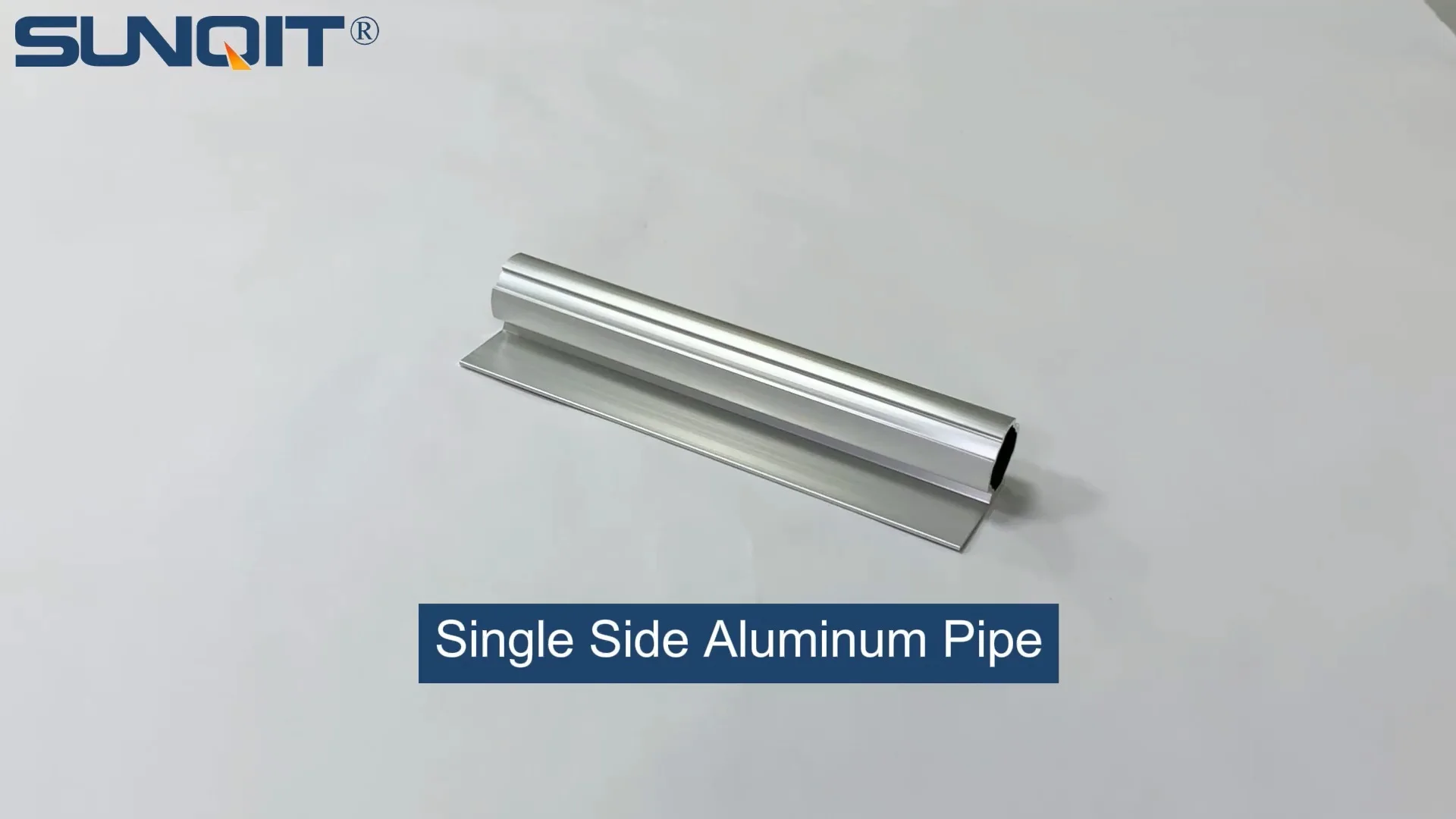
Single Side Aluminum Pipe
The single-sided plane can be installed with a back-mounted material box, and can also be used as a sidewall or partition.
How a humble component is transforming how teams design, test, and iterate on the factory floor
In the fast-paced world of manufacturing, the ability to prototype quickly isn't just a luxury—it's a competitive necessity. Whether you're designing a new assembly line workbench, a material handling rack, or a custom production cell, the time between ideation and physical testing can make or break a project. Yet for decades, prototyping in manufacturing has been bogged down by rigid materials, cumbersome tools, and inflexible systems. Enter the single side aluminum pipe: a deceptively simple component that's quietly revolutionizing how teams build, test, and refine their ideas.
This isn't just another industrial part. Single side aluminum pipe—paired with compatible aluminum profiles, lean pipe system components, and modular accessories—offers a level of flexibility and speed that traditional materials like steel or wood can't match. It's the difference between spending weeks waiting for custom metal fabrication and having a functional prototype assembled in hours. It's the solution to the frustration of reworking a design because a welded joint can't be adjusted. And for manufacturers looking to stay agile in an era of rapid change, it's become an indispensable tool.
What Exactly Is Single Side Aluminum Pipe?
Before diving into its impact, let's start with the basics. Single side aluminum pipe is a lightweight, extruded aluminum tube characterized by a specialized groove or channel running along one side—hence the "single side" designation. This groove isn't just a design quirk; it's the key to its versatility. It allows for quick attachment of accessories like brackets, clamps, and connectors without the need for drilling, welding, or heavy tools. Unlike solid steel pipes, which are heavy and hard to modify, or generic aluminum tubes lacking this integrated channel, single side aluminum pipe is engineered for modularity.
Most single side aluminum pipes are made from high-grade aluminum alloy, striking a balance between strength and weight. They're typically available in standard diameters (often 28mm or 30mm) and lengths, but can be easily cut to size with basic tools. The real magic, though, lies in how they interact with other components. When combined with aluminum extrusion profiles—another staple of modern manufacturing—they form a system that's as easy to reconfigure as it is to assemble. Imagine building with a set of giant, industrial-grade Erector blocks: each piece connects intuitively, and nothing is permanent until you want it to be.
Why Traditional Prototyping Materials Fall Short
To appreciate the value of single side aluminum pipe, it helps to understand the limitations of the materials that came before it. For years, manufacturers relied on three primary options for prototyping:
- Wood: Cheap and easy to cut, but weak, prone to warping, and not durable enough for repeated testing. A wooden prototype might work for a one-off visualization, but it won't stand up to the wear and tear of a factory environment.
- Steel: Strong and durable, but heavy, expensive, and requires specialized tools (welders, grinders) to modify. Once a steel frame is welded, changing its dimensions means starting over—a costly and time-consuming process.
- Generic Plastic or PVC Pipes: Lightweight and affordable, but lacking the structural integrity needed for industrial applications. They bend under load, degrade in harsh environments, and offer limited attachment options.
The result? Prototyping became a bottleneck. Engineers would sketch a design, send it to the fabrication shop, wait days (or weeks) for parts, assemble a rigid prototype, test it, realize a flaw, and repeat the cycle. By the time a design was finalized, market conditions might have shifted, or competitors might have already launched a similar solution.
Single side aluminum pipe was born to solve this pain point. It's not just a material—it's a mindset shift toward "fail fast, iterate faster."

The Core Benefits of Single Side Aluminum Pipe for Rapid Prototyping
What makes single side aluminum pipe so effective for rapid prototyping? Let's break down its key advantages:
Lightweight, Yet Surprisingly Strong
Aluminum is inherently lighter than steel—about one-third the weight—making single side aluminum pipe easy to handle, transport, and reposition during prototyping. This is a game-changer for small teams or workshops without heavy lifting equipment. A single engineer can carry a 2-meter length of pipe with one hand, whereas a steel pipe of the same size would require two people and a dolly.
Don't let the weight fool you, though. Modern aluminum alloys (often 6063-T5, a common grade for industrial profiles) offer impressive strength-to-weight ratios. A properly assembled structure using single side aluminum pipe can support hundreds of pounds—more than enough for most prototyping needs, from workbench surfaces to light-duty material racks.
Tool-Free Assembly (Mostly)
Remember the frustration of hunting for a wrench or drill to assemble a prototype? Single side aluminum pipe eliminates that. Thanks to its integrated groove and compatible connectors (like internal rotary aluminum joints or aluminum pipe clamps), most assemblies can be put together with just a hex key or even by hand. No welding, no drilling, no specialized training required.
This tool-free design cuts assembly time from days to hours. A team can go from a CAD drawing to a standing prototype in a morning, leaving plenty of time for testing and adjustments the same day. And when adjustments are needed? Simply loosen a connector, reposition the pipe, and tighten—no cutting or re-fabrication required.
Modularity That Encourages Experimentation
Prototyping is all about iteration, and iteration requires flexibility. Single side aluminum pipe's modular nature turns every prototype into a living, breathing design. Need to raise a workbench surface by 6 inches? Swap out a shorter pipe for a longer one. Want to add a shelf to a material rack? Clip on a bracket and slide in a crossbar. Even radical redesigns—like converting a linear flow rack into a U-shaped workstation—are possible by reusing the same pipes and connectors.
This modularity also reduces waste. Unlike wood or steel, which often end up in the scrap bin after a prototype is obsolete, single side aluminum pipe can be disassembled and repurposed for future projects. It's a sustainable choice that aligns with lean manufacturing principles—minimizing waste while maximizing resource efficiency.
Compatibility with Aluminum Profiles and Lean Systems
Single side aluminum pipe doesn't work in isolation. It's part of a larger ecosystem of modular components, including aluminum extrusion profiles, lean pipe system joints, and workbench accessories. This compatibility means teams aren't limited to pipe-only structures; they can integrate flat aluminum profile panels for work surfaces, roller tracks for material flow, or casters for mobility—all using the same basic connection system.
For example, a prototype assembly workbench might combine single side aluminum pipe for the frame, a 4040 aluminum extrusion profile for the tabletop frame, and a lightweight aluminum honeycomb panel for the work surface. Add a few swivel roller balls to the edge for easy part transfer, and you've got a functional, testable workstation—all without custom fabrication.

Comparing Traditional Materials to Single Side Aluminum Pipe
Still skeptical? Let's put it to the test. Below is a comparison of single side aluminum pipe with traditional prototyping materials across key metrics:
| Metric | Single Side Aluminum Pipe | Steel Pipe | Wood | Generic PVC Pipe |
|---|---|---|---|---|
| Weight (per meter, 30mm diameter) | ~0.8 kg | ~2.5 kg | ~1.2 kg (pine) | ~0.4 kg |
| Assembly Time (basic frame) | 1–2 hours | 8–10 hours (including welding) | 3–4 hours (cutting, drilling, screwing) | 2–3 hours (gluing, clamping) |
| Reconfigurability | High (tool-free adjustments) | Low (welded joints require cutting) | Medium (screws can strip; wood weakens with rework) | Low (glued joints are permanent) |
| Load Capacity (horizontal span, 1m) | Up to 150 kg | Up to 300 kg | Up to 50 kg (pine, unsupported) | Up to 20 kg |
| Cost (per meter, including basic connectors) | Medium ($15–$25) | High ($30–$45, plus welding costs) | Low ($5–$10, plus tools) | Low ($8–$12) |
| Durability (for prototyping use) | High (resists dents, corrosion) | High (but heavy and prone to rust without coating) | Low (scratches, warps, splinters) | Low (bends, cracks, UV degradation) |
The data speaks for itself. Single side aluminum pipe strikes a sweet spot between weight, strength, cost, and reconfigurability—making it uniquely suited for rapid prototyping. It's not the cheapest option upfront, but when you factor in time saved, reduced waste, and the ability to iterate quickly, it's often the most cost-effective choice in the long run.
Case Study: How a Small Electronics Manufacturer Cut Prototyping Time by 75%
To see single side aluminum pipe in action, let's look at a real-world example. PrecisionTech, a mid-sized electronics manufacturer in the Midwest, was struggling to keep up with demand for custom assembly workbenches. Their clients—mostly medical device and aerospace companies—needed specialized workstations with ESD (electrostatic discharge) protection, integrated tool storage, and adjustable heights. Prototyping each design was a nightmare.
"We'd spend two weeks just on the initial prototype," says Maria Gonzalez, PrecisionTech's lead manufacturing engineer. "Our old process involved CAD drawings, sending specs to a local metal shop, waiting for steel frames to be welded, then assembling the workbench with plywood tops and ESD mats. If the client wanted to adjust the height by an inch, we'd have to start over. It was frustrating for us and expensive for the client."
In 2023, the team switched to single side aluminum pipe and aluminum extrusion profiles. Today, their process looks very different: Gonzalez's team sketches the design in the morning, assembles a prototype using single side aluminum pipe, ESD workbench components, and aluminum profile accessories by lunch, and tests it with the client that afternoon. Adjustments are made on the spot—no more waiting for the metal shop.
"Last month, a client wanted to add a third shelf to a workstation prototype," Gonzalez recalls. "With steel, that would have meant re-welding the frame. With aluminum pipe? We loosened two connectors, added a crossbar, and had it done in 10 minutes. The client was blown away." Since adopting the system, PrecisionTech has reduced prototyping time from 14 days to 3 days on average, cut material waste by 40%, and increased client satisfaction scores by 25%.

Integrating Single Side Aluminum Pipe with Lean Pipe Systems and Aluminum Profiles
Single side aluminum pipe doesn't work in a vacuum. Its true power emerges when combined with other modular components, particularly lean pipe systems and aluminum extrusion profiles. Let's explore how these elements come together to create a comprehensive prototyping ecosystem.
Lean Pipe Systems: The Foundation of Flexibility
Lean pipe systems—originally developed for lean manufacturing—are built around the idea of eliminating waste and improving workflow. They use standardized pipes, joints, and accessories to create custom structures like workbenches, flow racks, and material trolleys. Single side aluminum pipe fits seamlessly into this ecosystem, offering a lighter, more corrosion-resistant alternative to traditional steel lean pipes.
For prototyping, this means access to a vast library of off-the-shelf accessories: casters for mobility, roller tracks for material flow, brackets for tool storage, and even ESD-safe components for sensitive electronics assembly. A lean pipe system with single side aluminum pipe isn't just for prototyping, either—many manufacturers find that their aluminum prototypes are durable enough to be used as temporary production tools, bridging the gap between testing and full-scale deployment.
Aluminum Extrusion Profiles: Adding Strength and Functionality
Aluminum extrusion profiles—like the popular 4040 or 3030 series—are extruded aluminum shapes with T-slots running along their length, designed for quick attachment of accessories. When paired with single side aluminum pipe, they add rigidity and functionality to prototypes. For example:
- Workbench Tops: A flat aluminum extrusion profile (like a 4080 EU standard profile) can serve as a sturdy base for an ESD workbench top, with single side aluminum pipe forming the frame.
- Material Racks: Vertical aluminum profiles provide structural support, while horizontal single side aluminum pipes with roller tracks create a smooth flow for bins or totes.
- Guard Rails: Single side aluminum pipe can be connected to aluminum profiles to create safety barriers or machine enclosures, with quick-release connectors for easy access during maintenance.
The beauty of this integration is that both single side aluminum pipe and aluminum profiles use compatible connectors. A single set of tools and accessories can build everything from a small parts bin to a full production cell—no need for specialized components.
Choosing the Right Single Side Aluminum Pipe and Accessories
Not all single side aluminum pipes are created equal. To maximize your prototyping efficiency, it's important to select the right products for your needs. Here are key factors to consider:
Pipe Diameter and Wall Thickness
Single side aluminum pipes are available in various diameters, with 28mm and 30mm being the most common for industrial use. Larger diameters (e.g., 40mm) offer more strength but add weight, while smaller diameters are lighter but better suited for light-duty applications. Wall thickness typically ranges from 1.0mm to 2.0mm; thicker walls increase strength but reduce flexibility in cutting and shaping.
Connector Compatibility
Ensure the pipe's groove or channel is compatible with your chosen connectors. Internal rotary aluminum joints, for example, are designed to fit specific pipe diameters and groove styles. Mixing and matching brands can lead to loose connections or stripped components—stick to a single supplier or verify compatibility before purchasing.
Accessories for Your Use Case
Don't overlook the importance of accessories. For prototyping workbenches, consider ESD-safe components like conductive casters or static-dissipative pipe sleeves. For material handling, roller tracks and swivel roller balls can turn a basic frame into a functional flow rack. And for mobility, heavy-duty casters with brakes ensure prototypes can be moved safely around the shop floor.
Supplier Support
Finally, choose a supplier that offers technical support and a wide range of compatible components. A good supplier will provide CAD models for design, assembly guides, and even custom cutting services. This is especially important for teams new to aluminum pipe systems—having access to expert advice can save hours of trial and error.
The Future of Rapid Prototyping: Where Single Side Aluminum Pipe Fits In
As manufacturing continues to evolve—driven by trends like customization, sustainability, and Industry 4.0—the demand for faster, more flexible prototyping tools will only grow. Single side aluminum pipe is well-positioned to play a central role in this future, for several reasons:
Sustainability and Circular Manufacturing
Manufacturers are under increasing pressure to reduce waste and carbon footprints. Single side aluminum pipe aligns with this goal by enabling reuse and recycling. Aluminum is 100% recyclable with no loss of quality, and modular designs mean components can be repurposed across projects. Unlike steel, which requires energy-intensive welding and painting, aluminum pipe systems generate minimal waste during assembly.
Integration with Digital Tools
The rise of 3D modeling, augmented reality (AR), and digital twins is transforming prototyping. Single side aluminum pipe systems are already compatible with CAD software, allowing teams to design in 3D and then assemble using pre-cut pipes and connectors. Looking ahead, AR tools could overlay digital designs onto physical workspaces, guiding engineers to assemble prototypes with pinpoint accuracy—all using the same modular aluminum components.
Small-Batch and Custom Manufacturing
Mass production is giving way to smaller, more specialized production runs. Single side aluminum pipe's flexibility makes it ideal for building custom tools and workstations for these niche applications. A manufacturer producing 500 custom medical devices doesn't need a fully automated production line—they need a flexible workbench that can be adjusted for each device variant. Single side aluminum pipe delivers that adaptability.
Final Thoughts: It's Time to Rethink Prototyping
Single side aluminum pipe may not be the most glamorous innovation in manufacturing, but it's one of the most impactful. It's a tool that empowers engineers to turn ideas into reality faster than ever before, to experiment without fear of waste, and to collaborate more effectively with clients and colleagues. It's a testament to the power of simplicity in a world that often overcomplicates things.
For manufacturers still relying on steel, wood, or generic plastic pipes for prototyping, the message is clear: the future of rapid prototyping is modular, lightweight, and adaptable. It's time to leave behind the frustration of rigid materials and embrace a system that works with you, not against you. Whether you're a small workshop or a large industrial firm, single side aluminum pipe—paired with aluminum profiles, lean pipe system components, and a mindset of iteration—can transform how you build, test, and innovate.
After all, in manufacturing, the race isn't to the finish line—it's to the next prototype. And with single side aluminum pipe, you'll be crossing that finish line faster than ever.