- Company Articles
- Products and Technology
- Product knowledge
- Single Side Aluminum Pipe for Automated Production Lines: Integration Tips

Single Side Aluminum Pipe for Automated Production Lines: Integration Tips
Related Product
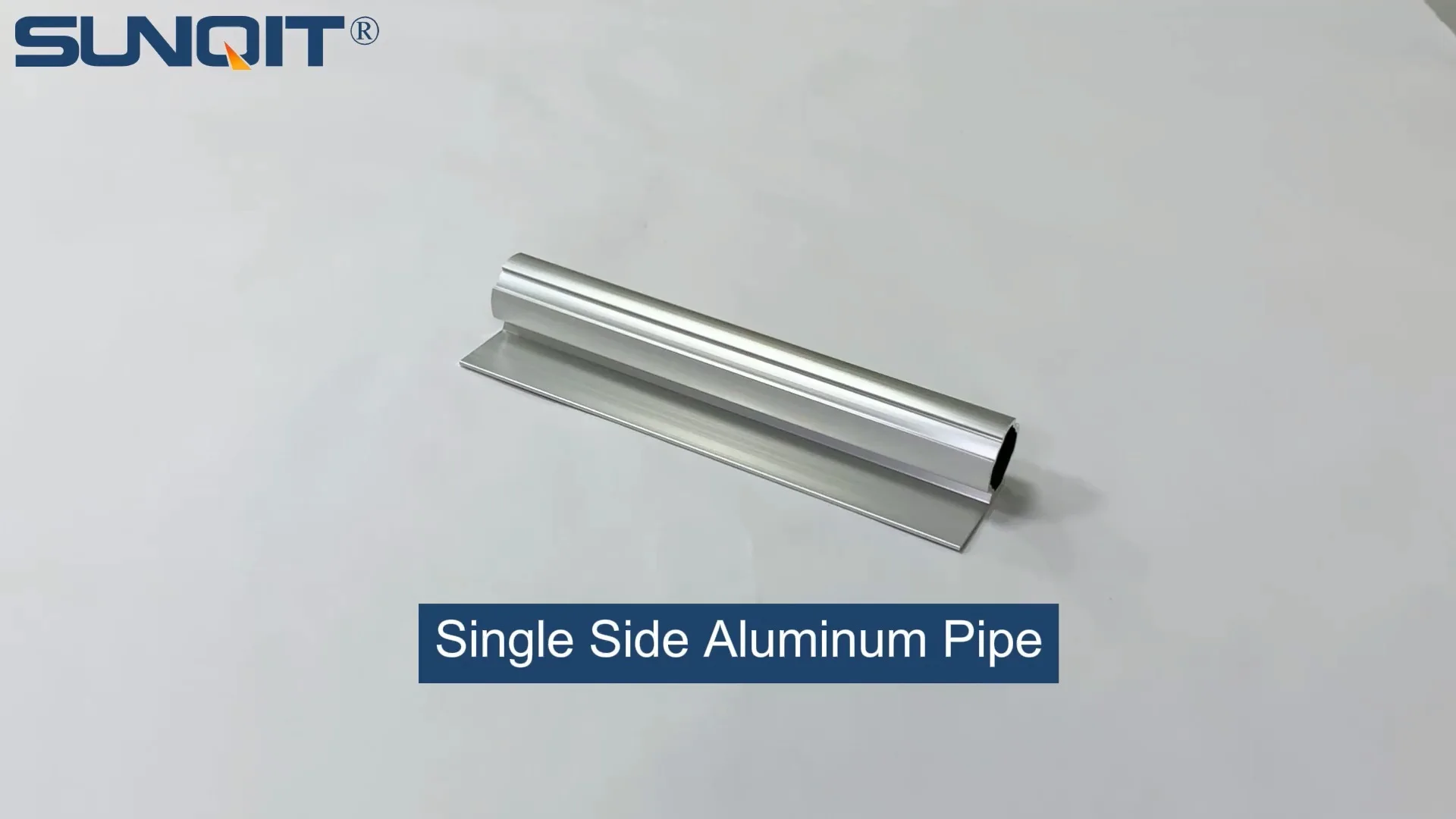
Single Side Aluminum Pipe
The single-sided plane can be installed with a back-mounted material box, and can also be used as a sidewall or partition.
Introduction: The Unsung Hero of Modern Manufacturing Flexibility
Walk into any thriving automated production facility today, and you'll notice a quiet revolution unfolding on the factory floor. Gone are the days of rigid, bolted-down structures that take weeks to reconfigure. Instead, there's a new star in town: single side aluminum pipe. This unassuming component has quietly become the backbone of adaptable, efficient production lines, enabling manufacturers to pivot quickly, reduce waste, and keep pace with the ever-changing demands of the market.
But what makes single side aluminum pipe so special? And how can you seamlessly integrate it into your existing automated systems to unlock its full potential? In this guide, we'll dive deep into the world of single side aluminum pipe, exploring its unique benefits, breaking down actionable integration tips, and sharing real-world insights to help you transform your production line from static to dynamic. Whether you're a seasoned plant manager looking to optimize workflows or a startup manufacturer building your first automated setup, this article will equip you with the knowledge to make single side aluminum pipe work for you.
Understanding Single Side Aluminum Pipe: More Than Just a "Pipe"
Let's start with the basics: What exactly is single side aluminum pipe? At first glance, it might look like any other metal tube, but a closer inspection reveals its clever design. Unlike traditional pipes, single side aluminum pipe features a specialized T-slot along one side—a simple yet genius addition that transforms it from a passive structural element into a versatile building block. This slot allows for quick attachment of accessories, from brackets and connectors to roller tracks and workbench surfaces, without the need for welding, drilling, or complex tools. It's modularity at its finest.
But the magic doesn't stop there. Single side aluminum pipe is crafted from high-grade aluminum, striking the perfect balance between strength and weight. Aluminum's natural resistance to corrosion means it holds up in harsh factory environments, from dusty assembly areas to humidity-controlled electronics labs. And because it's lightweight, even large structures built with single side aluminum pipe can be moved or reconfigured by a small team, reducing downtime during line changes. Compare that to steel pipes, which are heavy, prone to rust, and require heavy machinery to adjust—suddenly, the appeal becomes clear.
Another key advantage is its compatibility with a vast ecosystem of aluminum profile accessories. From internal rotary joints that allow for 360-degree adjustments to plastic roller track guide rails that ensure smooth material flow, the right accessories turn single side aluminum pipe into a customizable solution for almost any production need. This compatibility is what makes it such a powerful tool for lean system implementation: it lets you build exactly what you need, when you need it, without overcomplicating the process.

Integration Tip #1: Start with Workflow Analysis—Map Before You Build
Before you order a single length of pipe or accessory, take a step back and analyze your workflow. Integration success starts with understanding how your production line currently operates and where inefficiencies lie. Are materials getting stuck at a bottleneck? Is your workbench height causing operator fatigue? Do you need to reconfigure the line monthly to accommodate new products? These questions will guide your single side aluminum pipe design and ensure it solves real problems, not just adds another layer of complexity.
Start by mapping your current workflow in detail. Walk the line from the moment raw materials enter the facility to when finished products exit. Note the path of each component, the time it spends at each station, and any points where delays commonly occur. For example, if you notice that operators are constantly bending to reach parts on a low shelf, that's a sign your material racks could benefit from height-adjustable single side aluminum pipe structures. Or if a conveyor belt frequently jams because the alignment is off, integrating roller track with single side aluminum pipe might provide the flexibility to fine-tune angles and heights on the fly.
Once you've identified pain points, sketch out your ideal workflow. How would you rearrange stations to minimize movement? Where could gravity-fed roller tracks replace manual material handling? What workbench features—like built-in tool holders or ESD protection—would make operators more efficient? Use this vision to create a rough layout of your single side aluminum pipe structures. Remember, the goal is to build a system that adapts to your workflow, not the other way around. A little upfront planning can save you from costly rework later.

Integration Tip #2: Choose the Right Accessories—Don't Skimp on Quality
You've mapped your workflow and designed a layout—now it's time to select the accessories that will bring your single side aluminum pipe system to life. This step is critical: even the best pipe will underperform if paired with low-quality or ill-suited accessories. The market is flooded with options, so focus on two key criteria: compatibility and durability.
First, compatibility. Not all aluminum profile accessories are created equal. Ensure that the accessories you choose—whether joints, brackets, or roller track—are specifically designed for single side aluminum pipe. Mismatched components can lead to loose connections, wobbling structures, or even safety hazards. Look for accessories with standardized T-slot fittings that slide easily into the pipe's slot and lock securely with a simple turn of a knob or bolt. Reputable suppliers will clearly list compatibility information, so don't hesitate to ask for specs if you're unsure.
Durability is equally important. In an automated production line, accessories take a beating—roller tracks endure constant material movement, casters bear the weight of heavy workbenches, and joints are adjusted repeatedly during reconfigurations. Opt for accessories made from high-strength materials: aluminum or steel joints instead of plastic, reinforced roller track guide rails, and casters with shock-absorbing rubber wheels. It might be tempting to cut costs with cheaper options, but replacing worn-out accessories every few months will end up costing more in downtime and replacements than investing in quality upfront.
Let's take roller track as an example. If your line involves moving small electronic components, a lightweight plastic roller track with yellow guide rails might be sufficient. But for heavier items like automotive parts, you'll need a sturdier steel roller track with black ESD wheels to prevent static buildup. By matching the accessory to the task, you ensure smooth operation and longevity—two cornerstones of a lean system.

Integration Tip #3: Build with Ergonomics in Mind—Happy Operators = Better Output
Automation often focuses on machines, but let's not forget the human element. Your production line is only as efficient as the people running it, and single side aluminum pipe offers a unique opportunity to design workspaces that prioritize operator comfort and safety. Ergonomics isn't just a buzzword—it's a proven way to reduce fatigue, lower injury rates, and boost productivity. Here's how to leverage single side aluminum pipe to create ergonomic work environments.
Start with workbench height. The average workbench is set at a one-size-fits-all 36 inches, but that's far from ideal for everyone. With single side aluminum pipe, you can build adjustable-height workbenches that cater to operators of different statures. Use internal rotary aluminum joints to connect the legs, allowing for easy height adjustments with a wrench. Pair this with anti-fatigue mats and footrests, and you'll notice a immediate difference in operator energy levels during long shifts.
Next, think about material accessibility. How often do operators have to reach across the workbench or bend down to grab parts? Use single side aluminum pipe to build material racks that position components at eye level and within arm's reach. For example, a three-row, three-floor material rack B (a common configuration with single side aluminum pipe) can hold bins of parts vertically, reducing the need for stretching or bending. Add roller track to the shelves, and parts glide forward as the front bin is emptied—no more digging to the back of the rack.
Lighting is another often-overlooked ergonomic factor. Poorly lit workstations strain eyes and increase errors. Single side aluminum pipe makes it easy to mount LED light strips above workbenches using simple brackets. Position the lights to eliminate shadows on the work surface, and choose adjustable brightness settings to accommodate different tasks—brighter for detailed assembly work, softer for packaging or inspection.
Finally, consider mobility. Not all work needs to be done at a fixed station. Single side aluminum pipe workbenches can be fitted with high-quality casters, allowing operators to move their workspace to where the action is—whether that's alongside a conveyor for quick part transfers or near a quality control station for inspections. Lockable casters ensure stability when the workstation is in use, while smooth-rolling wheels make repositioning a breeze. It's flexibility that puts operators in control.
Integration Tip #4: Test, Iterate, and Optimize—The Lean Way
You've designed your system, selected your accessories, and built your first single side aluminum pipe structure—now what? The work isn't over yet. True lean system implementation requires continuous improvement, and that starts with testing your new setup, gathering feedback, and making adjustments. Rushing to full-scale deployment without validation is a common mistake that can lead to unforeseen issues, from workflow bottlenecks to safety concerns.
Start with a pilot test. Choose a small section of your production line—maybe a single workbench or a short roller track segment—and run it with a small team of operators for a week or two. Observe how the system performs in real conditions: Are parts flowing smoothly through the roller track? Is the workbench stable enough for heavy tools? Do operators find the layout intuitive, or are they taking unnecessary steps? Take detailed notes, and encourage operators to share their thoughts—they're the ones using the system daily, and their insights are invaluable.
Don't be afraid to iterate based on feedback. If operators report that a material rack is too deep to reach the back bins, adjust the depth using shorter lengths of single side aluminum pipe. If a roller track is jamming because the angle is too steep, use adjustable joints to tilt it slightly. The beauty of single side aluminum pipe is that changes are quick and low-cost—no need to tear down the entire structure and start over. This agility is what makes it such a powerful tool for lean manufacturing: you can experiment, learn, and refine without derailing production.
Once the pilot is successful, scale gradually. Roll out the system to adjacent sections of the line, continuing to gather feedback and make tweaks. Monitor key metrics like throughput, downtime, and operator satisfaction to ensure the new setup is delivering the expected improvements. Over time, you'll build a production line that's not just efficient, but evolving —one that adapts as your products, processes, and team needs change.
Real-World Results: How One Manufacturer Transformed Their Line
To bring these tips to life, let's look at a real example: a mid-sized electronics manufacturer specializing in smartphone components. Before integrating single side aluminum pipe, their production line was a patchwork of fixed steel workbenches and manual material carts. Changing over to a new product model took 48 hours of downtime, as workers used welding torches and drills to reconfigure stations. Operator fatigue was high due to poorly positioned material racks, and the line frequently experienced bottlenecks at the conveyor-to-workbench transfer points.
The team started by mapping their workflow and identified three key pain points: slow changeovers, operator discomfort, and material flow delays. They decided to pilot a single side aluminum pipe system, focusing first on their assembly workbenches and adjacent roller tracks. They chose height-adjustable workbenches with ESD protection (critical for electronics) and paired them with gravity-fed roller tracks to move components from the conveyor to the workbench.
The results were striking. After two weeks of testing, changeover time dropped from 48 hours to just 4 hours—thanks to the modular design of the single side aluminum pipe workbenches, which could be reconfigured with basic tools. Operator-reported fatigue decreased by 35%, as adjustable heights and better material positioning reduced bending and stretching. And the roller tracks eliminated bottlenecks, increasing throughput by 15% in the pilot area alone.
Encouraged by these results, the manufacturer scaled the system to their entire production line. Today, they estimate saving over 200 hours of downtime annually and have seen a 20% reduction in workplace injuries. Best of all, they've become more responsive to customer demands—what once took weeks to adjust now takes days, giving them a competitive edge in a fast-paced market.
Comparing Single Side Aluminum Pipe to Traditional Materials
| Feature | Single Side Aluminum Pipe | Steel Pipe | Wooden Workbenches/Racks |
|---|---|---|---|
| Weight | Lightweight (easy to move/reconfigure) | Heavy (requires machinery for adjustments) | Moderate (prone to warping over time) |
| Installation Time | Fast (no welding/drilling; modular accessories) | Slow (requires welding, cutting, and painting) | Moderate (cutting and assembly with screws/nails) |
| Flexibility | High (easily reconfigured with new accessories) | Low (permanent once welded; hard to modify) | Low (fixed structure; modifications damage wood) |
| Durability | High (corrosion-resistant aluminum; long lifespan) | Moderate (prone to rust without regular maintenance) | Low (scratches, water damage, and wear over time) |
| Cost (Long-Term) | Moderate upfront, low over time (reusable, low maintenance) | Low upfront, high over time (maintenance, replacement costs) | Low upfront, high over time (frequent replacement needed) |
| Ergonomics | Highly adjustable (height, angle, and layout customization) | Fixed (limited adjustability) | Limited (fixed height; no modular accessories) |
Conclusion: Building a Future-Proof Production Line
Single side aluminum pipe is more than just a trend in manufacturing—it's a paradigm shift. It represents a move away from rigid, one-size-fits-all production systems toward flexible, human-centered workspaces that adapt to change, not resist it. By integrating single side aluminum pipe into your automated production line, you're not just investing in a component; you're investing in agility, efficiency, and the long-term success of your business.
Remember, the key to successful integration lies in careful planning, thoughtful accessory selection, a focus on ergonomics, and a commitment to continuous improvement. Start small, test rigorously, and listen to your team—they'll guide you toward the solutions that work best for your unique workflow. And as you build, keep an eye on the future: the modular nature of single side aluminum pipe means your system can grow and evolve with your business, whether you're adding new product lines, scaling production, or shifting to new manufacturing techniques.
In a world where change is the only constant, single side aluminum pipe isn't just a tool—it's your competitive advantage. So grab that first length of pipe, gather your team, and start building. The future of manufacturing is flexible, and it starts with you.