- Company Articles
- Products and Technology
- Product knowledge
- Single Side Aluminum Pipe in Computer Peripheral Assembly: Precision & Flexibility

Single Side Aluminum Pipe in Computer Peripheral Assembly: Precision & Flexibility
Related Product
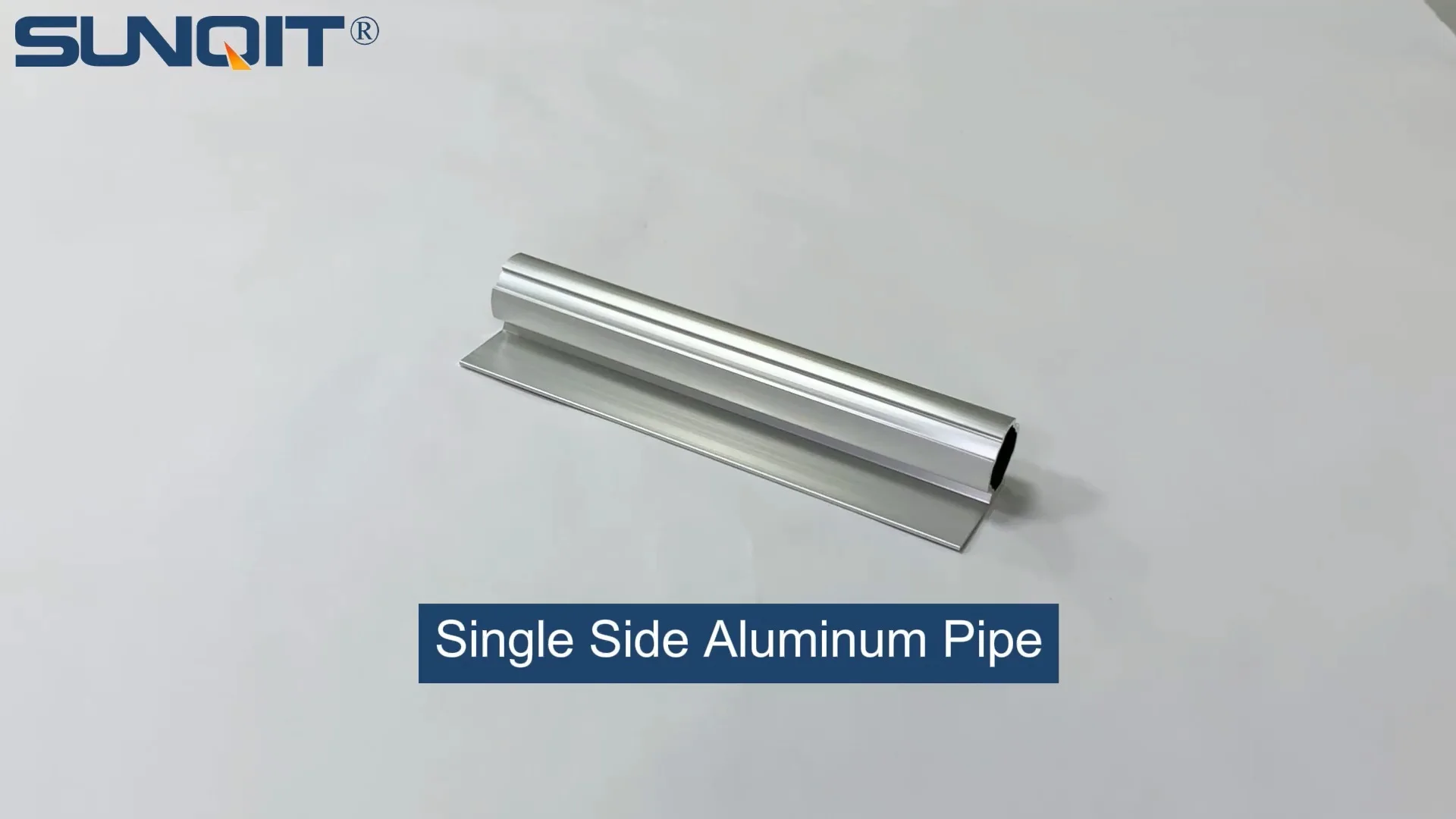
Single Side Aluminum Pipe
The single-sided plane can be installed with a back-mounted material box, and can also be used as a sidewall or partition.
Walk into any computer peripheral assembly plant, and you'll be met with a symphony of motion: workers carefully placing tiny circuit boards into keyboard frames, robotic arms transferring mouse sensors onto conveyor belts, and teams racing to meet deadlines for the latest wireless headsets. In this fast-paced world, where product cycles shrink and customization demands grow, the difference between a smooth operation and a bottleneck often comes down to one thing: the infrastructure that holds it all together. Enter single side aluminum pipe—a quiet hero transforming how manufacturers build, adapt, and optimize their assembly lines. More than just a metal tube, it's a bridge between precision (the non-negotiable for assembling delicate components) and flexibility (the key to staying ahead in a market that never stands still). Let's dive into how this unassuming tool is redefining efficiency in computer peripheral assembly.
The Hidden Challenge in Peripheral Assembly: Why Infrastructure Matters
Computer peripherals—think keyboards, mice, printers, and webcams—might seem simple compared to a laptop or smartphone, but their assembly is a masterclass in precision. A single keyboard, for example, can have over 100 components: keycaps, switches, PCBs, backlighting LEDs, and housing parts, each no bigger than a fingernail. Misalign a switch by even a millimeter, and the key might stick; a loose connection in a mouse sensor could render the device unresponsive. For manufacturers, this means every step of the process—from storing parts to assembling them—needs to be rock-solid reliable.
But here's the catch: today's consumers want options. They want RGB-backlit keyboards with customizable layouts, ergonomic mice with swappable weights, and printers that handle both photo paper and labels. To keep up, assembly lines can't stay static. One week, they might be churning out 1,000 standard wireless mice; the next, they need to retool for a limited-edition gaming mouse with extra buttons. Traditional infrastructure—think fixed steel workbenches, welded material racks, and rigid conveyor systems—simply can't keep pace. They're heavy, hard to modify, and often require specialized tools or even contractors to reconfigure. The result? Downtime, increased labor costs, and missed opportunities to pivot quickly.
This is where single side aluminum pipe enters the picture. Designed with modularity and precision in mind, it's built to address both the "must-have" (accuracy) and "nice-to-have" (adaptability) of modern assembly. Let's break down why it's become a go-to for manufacturers worldwide.
What Is Single Side Aluminum Pipe, Anyway? A Closer Look at the Design
At first glance, single side aluminum pipe looks like any other metal tube—but a closer inspection reveals its genius. Unlike standard pipes, it features a single, continuous T-slot running along one side (hence "single side"). This slot isn't just a design quirk; it's a gateway to endless customization. Using specialized aluminum profile accessories—like brackets, clamps, and connectors—workers can attach everything from tool holders and part bins to roller tracks and monitor mounts directly to the pipe, no welding or drilling required. The pipe itself is made from high-grade aluminum alloy, which strikes the perfect balance between strength and weight: it's light enough to be maneuvered by a single person but sturdy enough to support heavy workbenches or loaded material racks.
But what really sets it apart is its compatibility with a vast ecosystem of components. Whether you need a 90° aluminum profile connector to build a right-angle corner on a workbench, a roller track placon mount to attach a conveyor system, or a caster wheel to make a setup mobile, there's an accessory designed to snap into that T-slot. This modularity means that instead of replacing an entire workbench when needs change, you can simply swap out a few parts—saving time, money, and resources.
Compare this to older alternatives: Steel pipes are strong but rust-prone and require welding to modify. Plastic pipes are lightweight but lack the rigidity needed for precision work. Single side aluminum pipe, by contrast, offers the best of all worlds: corrosion resistance (critical in factory environments where dust and moisture are common), ease of modification, and the structural integrity to keep components aligned—even during long production runs.

Precision: The Foundation of Flawless Peripheral Assembly
In computer peripheral assembly, precision isn't just a buzzword—it's the difference between a product that works and one that gets returned. Let's take keyboard assembly as an example. Each key switch must align perfectly with its corresponding hole in the keyboard frame; if it's off by even 0.5mm, the keycap won't sit flush, leading to a "sticky" or unresponsive key. To prevent this, the workbench where the switches are installed must be rock-steady. A wobbly surface could cause the operator's hand to slip, misaligning the switch and ruining the unit.
Single side aluminum pipe solves this problem through its tight, consistent connections. When using aluminum profile accessories like the 90° aluminum profile connector, the joint between two pipes locks into place with minimal play—often less than 0.1mm of movement. This stability ensures that workbenches remain level and rigid, even when operators apply pressure during assembly. For added precision, many setups integrate aluminum honeycomb panels as work surfaces. These panels are lightweight but incredibly stiff, providing a flat, vibration-resistant platform for delicate tasks like soldering tiny PCB components or aligning LED strips in a webcam.
Material handling is another area where precision shines. Roller tracks, which transport parts from one station to the next, must glide smoothly to prevent jostling delicate components. Single side aluminum pipe serves as the backbone for these tracks, with roller track placon mounts securing the track to the pipe at precise intervals. The result? A conveyor system that moves parts at a steady, predictable pace—no sudden jerks or stops that could damage sensitive electronics. In fact, manufacturers report a 20-30% reduction in part defects after switching to aluminum-based roller tracks, thanks to this improved stability.
Even the smallest accessories play a role in precision. Take the aluminum profile rubber strip, for instance. When attached to the edges of a workbench, this strip cushions parts as they're placed down, preventing scratches on plastic housings or dents in metal components. It's a small detail, but in an industry where (appearance) matters as much as functionality, it's critical.

Flexibility: Adapting to the Speed of Modern Manufacturing
If precision is the foundation, flexibility is the roof that lets the assembly line grow and change. In 2023, a leading peripheral manufacturer faced a challenge: they needed to switch their production line from standard mice to a new ergonomic model with a curved design. With traditional steel workbenches, this would have required days of downtime to disassemble and rebuild the line. Instead, using single side aluminum pipe, their team completed the reconfiguration in under 8 hours.
How? By leveraging the pipe's modular design. The existing workbenches were built using aluminum pipe and accessories, so workers simply unscrewed the old part bins and tool holders, repositioned the pipes using parallel aluminum joint a connectors to widen the work surface, and added new holders designed for the ergonomic mouse components. Even the roller tracks were adjusted: by swapping out a few roller track placon mount brackets, the team changed the track's angle to better suit the new assembly (process). No welding, no heavy lifting—just a few hand tools and a team working together.
This flexibility extends beyond major reconfigurations. Day-to-day adjustments are just as easy. Need to raise a monitor arm by 2 inches to reduce operator strain? Loosen the clamp on the aluminum pipe, slide it up, and tighten. Want to add a second shelf to a material rack to store extra keycaps? Attach two 90° aluminum profile connectors and a length of pipe—done. This adaptability means that assembly lines can evolve with minimal disruption, whether it's accommodating a new product, improving ergonomics, or scaling up production for a holiday rush.
Mobile setups are another flexibility win. By adding caster wheels to the base of an aluminum pipe workbench, manufacturers can create movable stations that can be wheeled to where they're needed most. For example, during peak production times, a spare workbench can be rolled into place to add an extra assembly station; during slower periods, it can be stored away to free up floor space. This "on-demand" infrastructure is a game-changer for small to mid-sized factories where space is at a premium.

Real-World Impact: Case Studies from the Factory Floor
To truly understand the value of single side aluminum pipe, let's look at how it's transformed operations for two different manufacturers.
Case Study 1: A Mid-Sized Keyboard Manufacturer
This company was struggling with two issues: high defect rates due to unstable workbenches and long changeover times between product models. Their old setup used wooden workbenches with nailed-on shelves and steel pipe material racks that were impossible to modify. After switching to single side aluminum pipe workbenches and roller tracks, they saw immediate results. Defect rates dropped by 28%—attributed to the stable, level work surfaces and smoother material flow. Changeover times between keyboard models fell from 16 hours to just 4 hours, as workers could quickly reconfigure tool holders and part bins using aluminum profile accessories. The company estimates that the new setup paid for itself within 6 months through reduced labor costs and fewer defective units.
Case Study 2: A Large-Scale Printer Assembly Plant
This manufacturer needed a way to handle the heavy, bulky components of printers (like paper trays and ink cartridge holders) while still maintaining flexibility. They opted for a system built around single side aluminum pipe and aluminum honeycomb panels. The honeycomb panels provided a lightweight but strong surface for assembling large printer bodies, while the aluminum pipe frame supported heavy-duty roller tracks for moving components. By adding caster wheels to some workbenches, they created mobile "assembly cells" that could be rearranged based on production needs. During a recent product launch, they were able to scale up production by 40% in just two weeks by adding extra cells—something that would have taken months with their old fixed infrastructure.
Both cases highlight a common theme: single side aluminum pipe isn't just a tool—it's a strategic asset that helps manufacturers stay competitive in a rapidly changing market.
Comparing the Options: Why Single Side Aluminum Pipe Beats the Alternatives
Still not convinced? Let's put single side aluminum pipe head-to-head with traditional infrastructure options in a side-by-side comparison:
| Feature | Traditional Steel Pipe | Wooden Workbenches | Single Side Aluminum Pipe |
|---|---|---|---|
| Precision | High strength but prone to welding inconsistencies; joints may loosen over time. | Prone to warping from moisture; uneven surfaces affect component alignment. | Tight, consistent joints (0.1mm play or less); stable work surfaces reduce defects. |
| Flexibility | Requires welding to modify; time-consuming and costly to reconfigure. | Fixed design; cannot be modified without rebuilding. | Tool-free adjustments using aluminum profile accessories; reconfigurable in hours. |
| Durability | Strong but rusts in humid environments; heavy, leading to floor damage over time. | Scratches easily; absorbs moisture and rots; short lifespan (2-3 years). | Corrosion-resistant aluminum alloy; lightweight but sturdy; lifespan of 10+ years. |
| Cost | Low upfront cost but high long-term maintenance (repairs, repainting, replacement). | Low upfront cost but frequent replacement needed; hidden costs in defects. | Higher upfront cost but minimal maintenance; ROI within 6-12 months for most plants. |
| Ease of Use | Requires skilled welders; heavy, hard to maneuver. | Simple to build but not adjustable; difficult to clean. | Assembled by regular workers with basic tools; easy to clean and sanitize. |
As the table shows, single side aluminum pipe outperforms traditional options in nearly every category—especially when considering long-term value. While the upfront cost may be higher, the savings in downtime, defects, and maintenance quickly offset the investment.
Choosing the Right Setup: Tips for Manufacturers
Ready to make the switch? Here are a few tips to ensure you get the most out of single side aluminum pipe:
- Start with a needs assessment. Map out your current assembly and identify pain points (e.g., "changeover takes too long," "workbenches are wobbly"). This will help you prioritize which areas to upgrade first.
- Invest in quality accessories. The pipe is only as good as the aluminum profile accessories you pair with it. Opt for high-grade connectors and brackets from reputable suppliers to ensure tight, durable connections.
- Train your team. While aluminum pipe setups are easy to use, take the time to train workers on how to properly assemble and adjust components. A little knowledge goes a long way in preventing mistakes and maximizing flexibility.
- Plan for growth. Design your initial setup with future expansion in mind. Leave extra space in your material racks, use modular components, and choose caster wheels for workbenches that might need to be moved later.
By following these steps, you'll create an infrastructure that not only meets your current needs but can adapt as your business grows.
Conclusion: Building the Future of Peripheral Assembly, One Pipe at a Time
Computer peripheral assembly is a world of tiny details and big demands. To thrive, manufacturers need tools that can keep up—tools that offer the precision to build flawless products and the flexibility to adapt to changing markets. Single side aluminum pipe, with its modular design, sturdy construction, and endless customization options, delivers on both fronts. It's more than just a replacement for old workbenches or material racks; it's a foundation for innovation.
As we've seen, the impact is clear: lower defect rates, faster changeovers, happier workers (thanks to ergonomic, adjustable setups), and a bottom line that benefits from reduced downtime and maintenance costs. In an industry where every second and every cent counts, single side aluminum pipe isn't just a smart choice—it's the only choice for manufacturers who want to stay ahead.
So the next time you type on your keyboard or click your mouse, take a moment to appreciate the unsung hero behind it: the single side aluminum pipe that helped bring it to life. It may not be as flashy as the latest wireless technology, but without it, that peripheral in your hand might not work half as well—or exist at all.