- Company Articles
- Products and Technology
- Product knowledge
- Single Side Aluminum Pipe in Medical Device Manufacturing: Hygiene & Flexibility Focus

Single Side Aluminum Pipe in Medical Device Manufacturing: Hygiene & Flexibility Focus
Related Product
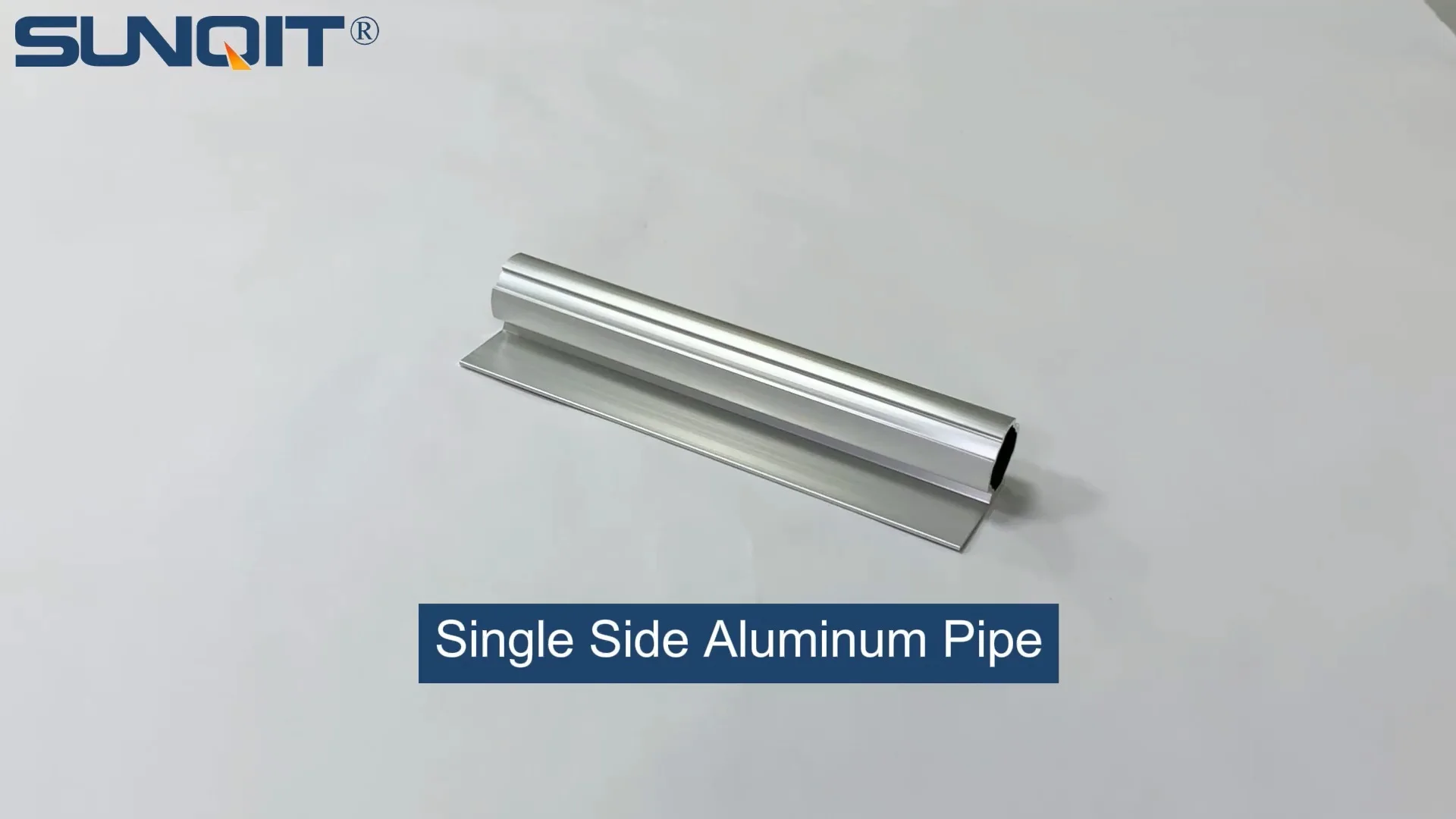
Single Side Aluminum Pipe
The single-sided plane can be installed with a back-mounted material box, and can also be used as a sidewall or partition.
In the world of medical device manufacturing, precision isn't just a goal—it's a necessity. Every tool, every surface, and every process must adhere to stringent standards to ensure patient safety, regulatory compliance, and operational efficiency. Yet, behind the scenes of sterile cleanrooms and automated assembly lines lies a less talked-about challenge: building production environments that balance two seemingly conflicting demands: uncompromising hygiene and the ability to adapt to ever-changing manufacturing needs. Enter single side aluminum pipe—a material that's quietly revolutionizing how medical device manufacturers design their workspaces, streamline workflows, and maintain the pristine conditions critical to life-saving products.
The Hidden Workhorse of Medical Manufacturing: Why Material Matters
Medical device manufacturing isn't just about making tools—it's about making tools that save lives. From surgical instruments to diagnostic equipment, every product must meet rigorous standards set by organizations like the FDA, ISO, and CE. But here's the catch: the very environments that produce these devices are under constant scrutiny, too. Floors, walls, workbenches, and material handling systems all become potential sources of contamination if not designed with hygiene in mind. At the same time, manufacturers face pressure to innovate quickly—launching new products, scaling production, or reconfiguring lines to meet sudden demand shifts. Traditional materials like stainless steel or coated steel pipes, while durable, often fall short here: they're heavy, hard to reconfigure, and can harbor bacteria in tiny crevices or chipped coatings. This is where single side aluminum pipe steps in, offering a middle ground that doesn't force manufacturers to choose between cleanliness and adaptability.
What Is Single Side Aluminum Pipe, Anyway?
Before diving into its benefits, let's clarify what single side aluminum pipe is. Unlike solid aluminum rods or traditional round pipes, single side aluminum pipe is engineered with a unique profile: one flat side (the "single side") and a curved or rounded opposite side. This flat surface is key—it provides a stable, secure mounting point for accessories like brackets, shelves, or workbench tops, while the curved side maintains structural integrity and a smooth, easy-to-clean finish. Think of it as a modular building block: lightweight, strong, and designed to work with a range of aluminum profile accessories, from internal rotary joints that allow for 360-degree adjustments to caster wheels that turn static setups into mobile workstations. It's part of a broader family of aluminum lean pipe solutions, which have gained popularity in industries where flexibility and hygiene are non-negotiable.

Hygiene First: Why Medical Manufacturing Can't Compromise on Cleanliness
In medical device manufacturing, "clean" isn't just a buzzword—it's a legal requirement. The FDA's Current Good Manufacturing Practices (cGMP) mandate that all production surfaces be "easily cleanable and sanitizable," with no cracks, gaps, or porous materials that could trap microorganisms. Even a single bacterial colony on a workbench could contaminate a batch of syringes or surgical tools, leading to product recalls, patient harm, or regulatory fines. Single side aluminum pipe addresses these concerns in three critical ways:
1. Non-Porous, Smooth Surfaces That Resist Bacteria
Aluminum, by nature, is non-porous—unlike wood or even some coated steel pipes, it doesn't have tiny pores that can trap dirt, dust, or moisture. The flat side of single side aluminum pipe is machined to a smooth finish, eliminating crevices where bacteria might hide. This makes it far easier to wipe down with disinfectants or sanitize with alcohol, bleach, or even steam cleaning (common in medical facilities). Compare this to traditional lean pipes with PE coatings: over time, these coatings can chip or peel, creating micro-grooves that become breeding grounds for pathogens. With aluminum, there's no coating to wear off—just a solid, seamless surface that stands up to daily cleaning protocols.
2. Corrosion Resistance for Long-Term Cleanliness
Medical facilities often use aggressive cleaning agents to kill tough pathogens like MRSA or E. coli. These chemicals can corrode steel over time, leading to rust spots that not only look unprofessional but also create new hiding places for bacteria. Aluminum, however, forms a natural oxide layer when exposed to air—a thin, protective film that prevents rust and corrosion. This means single side aluminum pipe can withstand daily exposure to harsh disinfectants without degrading, ensuring that surfaces remain smooth and cleanable for years, not just months.
3. Minimal Joints and Gaps to Simplify Cleaning
Traditional workbenches or material racks often require welding or complex bolted joints, which create gaps where dirt and debris can accumulate. Single side aluminum pipe, by contrast, uses precision-engineered aluminum profile accessories like internal rotary aluminum joints or snap-on brackets. These accessories connect seamlessly to the pipe's flat side, creating tight, uniform joints with minimal gaps. For example, a workbench built with single side aluminum pipe might use a combination of T-slot brackets and end caps to cover any exposed edges, leaving no place for dust or liquid to pool. This not only speeds up cleaning time but also reduces the risk of cross-contamination between shifts or product lines.

Flexibility: Adapting to the Ever-Changing Medical Manufacturing Landscape
While hygiene is non-negotiable, medical device manufacturers can't afford to be stuck with static production setups. Consider this: a company might produce 10,000 units of a standard IV catheter one month, then need to shift to a new, larger catheter design the next—or scale up production to meet a sudden surge in demand during a public health crisis. Traditional steel workbenches or fixed material racks can't keep up; reconfiguring them often requires cutting, welding, or even replacing entire systems, which is time-consuming and costly. Single side aluminum pipe, however, is built for adaptability. Here's how:
1. Modular Design That Lets You Build, Break Down, and Rebuild
Single side aluminum pipe systems are designed around a "building block" philosophy. Pipes, joints, shelves, and accessories are all interchangeable, meaning you can assemble a workbench in the morning, take it apart in the afternoon, and reassemble it as a material rack by evening—no special tools required. For example, a manufacturer producing pacemaker components might use a single side aluminum pipe frame with adjustable shelves to hold delicate parts. If they switch to producing insulin pumps, they can simply remove the shelves, add a roller track (using aluminum guide rails and placon mounts), and transform the same frame into a flow rack for moving completed pumps to packaging. This modularity cuts down on downtime and reduces the need to invest in new equipment for every product change.
2. Lightweight Construction for Easy Mobility
Aluminum is significantly lighter than steel—about one-third the weight for the same strength. This makes single side aluminum pipe setups easy to move, even without heavy machinery. Add a set of caster wheels (another aluminum profile accessory), and a workbench or trolley can be rolled across the factory floor to support a new assembly line or space for equipment maintenance. In cleanroom environments, where workers often wear bulky protective gear, this lightweight design reduces physical strain and improves ergonomics. Imagine a team of technicians repositioning a 50kg aluminum workbench versus a 150kg steel one—fewer injuries, faster setup, and less disruption to production.
3. Compatibility with Lean Systems for Waste Reduction
Lean manufacturing principles—focused on eliminating waste, optimizing flow, and continuous improvement—are the backbone of efficient medical device production. Single side aluminum pipe aligns perfectly with these principles by enabling "just-in-time" customization. For instance, a lean system might call for a "U-shaped" assembly line to minimize worker movement. With single side aluminum pipe, manufacturers can quickly adjust the layout of workbenches, conveyors, and material racks to create this U-shape, reducing the time workers spend walking between stations. Similarly, aluminum flow racks (built with roller tracks and swivel roller balls) can be positioned to deliver parts directly to the assembly line, cutting down on inventory waste and ensuring components are always within reach. This integration with lean systems not only boosts productivity but also supports compliance with cGMP by standardizing workflows and reducing human error.

Single Side Aluminum Pipe vs. Alternatives: A Practical Comparison
To truly understand the value of single side aluminum pipe, it helps to see how it stacks up against other common materials in medical manufacturing. Below is a comparison table highlighting key factors like hygiene, flexibility, cost, and durability:
| Material | Hygiene Rating | Flexibility | Weight (per meter) | Cost (Relative) | Best For |
|---|---|---|---|---|---|
| Single Side Aluminum Pipe | High (non-porous, easy to clean) | Excellent (modular, reconfigurable) | ~1.2 kg | Moderate | Dynamic production lines, cleanrooms, lean systems |
| Stainless Steel Pipe | High (similar to aluminum) | Low (heavy, hard to reconfigure) | ~3.5 kg | High | Static, high-heat environments |
| PE-Coated Lean Pipe | Low (coating can chip, trap bacteria) | Good (modular but less durable) | ~1.0 kg | Low | Budget-focused, non-critical environments |
| Wooden Workbench Tops | Low (porous, hard to sanitize) | Very Low (fixed, non-reconfigurable) | ~4.0 kg (per 1m² top) | Low | Non-medical, low-regulation industries |
As the table shows, single side aluminum pipe strikes a balance that's hard to beat: it matches stainless steel's hygiene credentials while offering the flexibility of traditional lean pipes—all at a moderate cost. For medical device manufacturers, this means they don't have to overspend on stainless steel for static setups or compromise on cleanliness with cheaper, coated options.
Real-World Impact: How One Manufacturer Transformed Production with Single Side Aluminum Pipe
To put these benefits into perspective, let's look at a hypothetical (but realistic) case study of a mid-sized medical device company, MediTech Innovations, that specializes in surgical staplers. Before adopting single side aluminum pipe, MediTech faced two major challenges: slow changeover times between product models and high cleaning costs due to frequent contamination risks on their steel workbenches.
The Old Setup: Steel Workbenches and Static Racks
MediTech's assembly line relied on heavy steel workbenches bolted to the floor, with fixed shelving units for storing stapler components. When the company needed to switch from producing their standard 30mm stapler to a new 45mm model, the process took 48 hours: workers had to disassemble the steel shelves, reposition the workbenches (requiring a forklift), and re-weld brackets to hold new tooling. Additionally, the steel surfaces were prone to rust spots despite regular cleaning, leading to monthly quality control checks that took 8 hours and cost $2,000 in labor.
The Switch to Single Side Aluminum Pipe
In 2023, MediTech invested in a single side aluminum pipe system, replacing their steel workbenches with modular setups using aluminum lean pipe, aluminum profile accessories (including internal rotary joints and adjustable shelves), and mobile carts with caster wheels. The results were immediate:
- Faster Changeovers: Switching between stapler models now takes 2 hours instead of 48. Workers use hex keys to loosen joints, reposition shelves, and add new tooling mounts—no welding or heavy machinery needed.
- Lower Cleaning Costs: The smooth aluminum surfaces require 50% less time to sanitize, and rust spots are a thing of the past. Monthly quality checks now take 2 hours, saving $1,500 in labor annually.
- Improved Ergonomics: Mobile aluminum workbenches (on caster wheels) allow workers to adjust their stations to their height, reducing back strain and cutting down on workplace injuries by 30%.
- Scalability: When MediTech landed a contract to produce 50,000 staplers for a global health initiative, they expanded their assembly line by 30% in one week by adding new aluminum pipe sections and accessories—no need to purchase entirely new workbenches.
Technical Specifications: What to Look for in Single Side Aluminum Pipe
Not all single side aluminum pipes are created equal. When selecting a system for medical device manufacturing, there are a few key specifications to keep in mind:
1. Material Grade and Thickness
Look for pipes made from 6061-T6 aluminum alloy—the industry standard for strength and corrosion resistance. The wall thickness should be at least 1.2mm to support typical medical manufacturing loads (e.g., 50-75 kg per linear meter for workbenches). Thinner pipes may bend under heavy tooling, while thicker ones add unnecessary weight.
2. Surface Finish
A "mill finish" (natural aluminum) is sufficient for most cleanrooms, but some manufacturers opt for anodized finishes for extra scratch resistance. Avoid painted finishes, as they can chip and introduce contaminants.
3. Compatibility with Accessories
Ensure the pipe works with standard aluminum profile accessories like T-slot brackets, end caps, and internal rotary joints. This ensures you can easily source replacement parts or expand your system later.
4. Load Capacity
Check the manufacturer's load ratings for both static (e.g., workbenches) and dynamic (e.g., mobile carts) applications. For medical device assembly, aim for a minimum static load capacity of 100 kg per workbench section.
The Future of Medical Manufacturing: Where Single Side Aluminum Pipe Fits In
As medical device manufacturing continues to evolve—with trends like automation, personalized medicine, and stricter regulatory oversight—single side aluminum pipe is poised to play an even bigger role. Here's what to watch for:
1. Integration with Smart Manufacturing
The rise of Industry 4.0 is bringing sensors, IoT devices, and real-time data tracking to factory floors. Single side aluminum pipe's modular design makes it easy to mount smart tools like barcode scanners, RFID readers, or environmental monitors (for tracking temperature and humidity in cleanrooms) directly onto workbenches or material racks. For example, a manufacturer could attach a sensor to an aluminum flow rack to alert workers when stock levels of a critical component are low, reducing downtime and improving inventory management.
2. Sustainability and Recyclability
Aluminum is 100% recyclable, with no loss of quality during recycling. As more medical device companies prioritize sustainability (to meet ESG goals or customer demands), single side aluminum pipe offers an eco-friendly alternative to disposable or hard-to-recycle materials. At the end of its lifecycle, an aluminum workbench can be melted down and repurposed into new pipes, reducing waste and carbon footprints.
3. Customization for Specialized Applications
As medical devices become more complex (e.g., miniaturized implants, AI-powered diagnostics), manufacturers will need more specialized production setups. Single side aluminum pipe suppliers are already offering custom profiles—like pipes with built-in cable management channels or antimicrobial coatings—to meet these needs. Imagine a workbench designed specifically for assembling microelectrodes, with aluminum guide rails that precisely position tiny components and integrated cable trays to keep sensitive wiring organized and protected.
Conclusion: More Than Just Pipes—Building a Foundation for Medical Innovation
Single side aluminum pipe may not be the most glamorous technology in medical device manufacturing, but it's undoubtedly one of the most impactful. By addressing the dual challenges of hygiene and flexibility, it empowers manufacturers to build production environments that are both compliant and adaptable—environments where cleanrooms stay clean, changeovers happen in hours instead of days, and workers can focus on what matters most: creating life-saving devices. As MediTech's example shows, the benefits go beyond the factory floor: reduced costs, improved safety, and the ability to innovate faster. In an industry where every second and every detail counts, single side aluminum pipe isn't just a tool—it's a foundation for the future of medical manufacturing.