- Company Articles
- Products and Technology
- Product knowledge
- Single Side Aluminum Pipe Inspection Tables: Stable Solutions for Quality Control

Single Side Aluminum Pipe Inspection Tables: Stable Solutions for Quality Control
Related Product
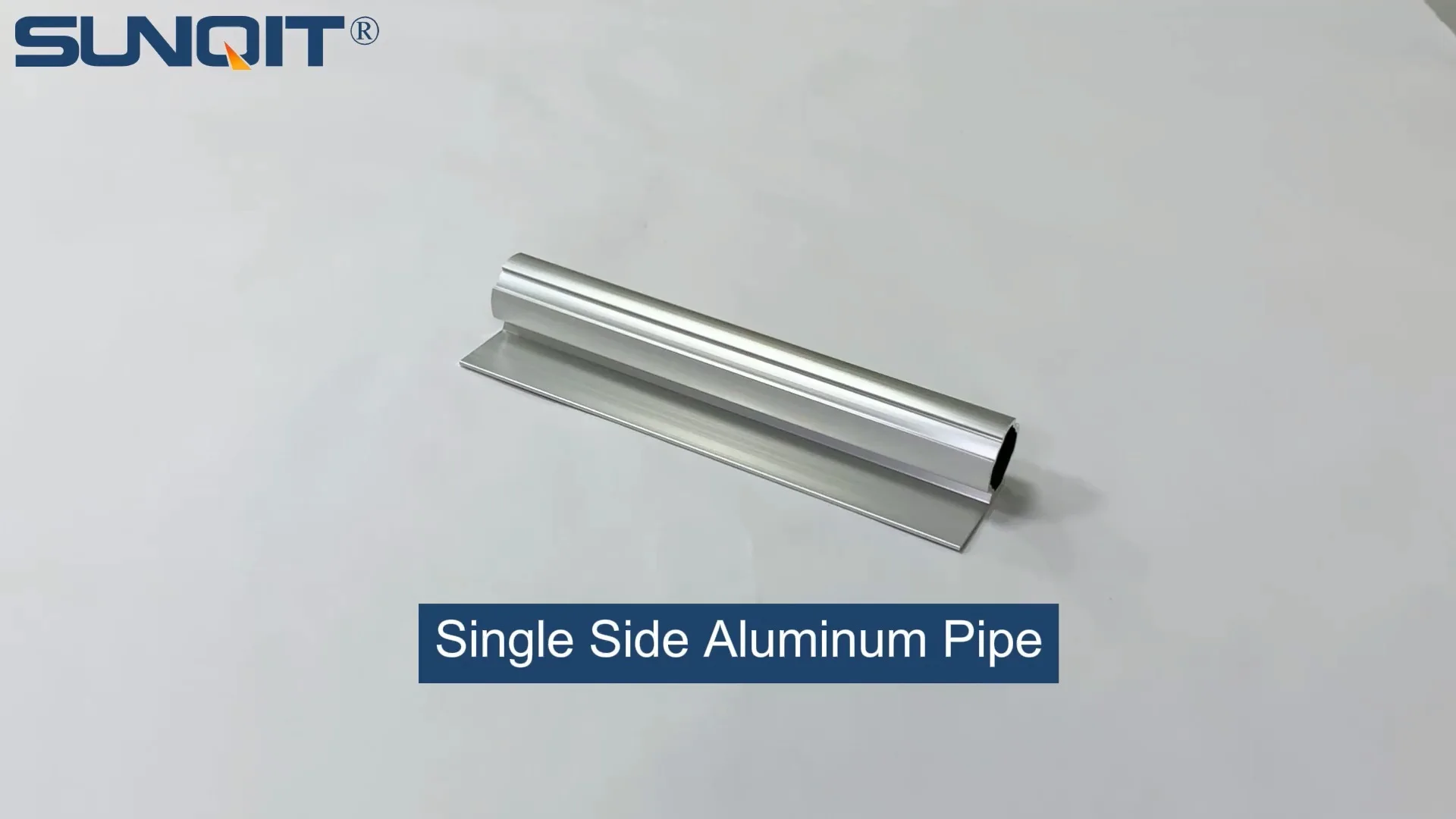
Single Side Aluminum Pipe
The single-sided plane can be installed with a back-mounted material box, and can also be used as a sidewall or partition.
In the fast-paced world of manufacturing, where every component matters and precision is non-negotiable, quality control (QC) stations are the unsung heroes. These are the spots where products are put to the test—measured, examined, and validated before they make their way to customers. But here's the thing: not all inspection stations are created equal. Walk into many factories, and you'll find QC tables that feel like afterthoughts—rickety wooden workbenches, wobbly metal frames, or surfaces cluttered with tools that never seem to stay organized. Over time, these subpar setups don't just slow down inspectors; they risk compromising the very quality they're supposed to protect.
That's where the single side aluminum pipe inspection table comes in. Built with durability, flexibility, and functionality in mind, this piece of equipment is more than just a table—it's a foundation for reliable, efficient quality control. In this article, we'll dive into what makes these tables stand out, break down their key components (like aluminum lean pipe and roller track), and explore why they're becoming a go-to choice for manufacturers who refuse to cut corners on QC.
Why Traditional Inspection Tables Fall Short
Before we jump into the solution, let's talk about the problem. Traditional inspection tables often fail in three critical areas: stability, adaptability, and durability.
First, stability . A wobbly table is a QC inspector's worst nightmare. When you're measuring parts to the nearest millimeter or examining tiny defects, even a slight shake can throw off readings. Many older tables use flimsy materials—think thin steel pipes or particleboard tops—that warp over time or loosen at the joints. Add in the weight of inspection tools, magnifying glasses, or heavy parts, and suddenly that "stable" workbench starts to feel more like a seesaw.
Second, adaptability . Manufacturing lines evolve. New products come in, part sizes change, and workflows get reimagined. A rigid inspection table—one that's bolted to the floor or made with fixed dimensions—can't keep up. If your team needs to adjust the height for ergonomics, add a shelf for tools, or integrate a roller track to move parts more smoothly, a traditional table often forces you to start from scratch: buying a new table, modifying the old one with jury-rigged solutions, or wasting hours on custom fabrication.
Third, durability . Inspection stations are high-traffic zones. Parts are placed, moved, and sometimes dropped. Chemicals from cleaning agents or oils from machinery can spill. Over time, wood tops stain and warp; uncoated steel rusts; plastic surfaces scratch. A table that looks solid on day one might start showing wear within months, leading to frequent replacements and hidden costs.
These issues aren't just inconveniences—they directly impact your bottom line. Unstable tables lead to measurement errors and rework. Rigid setups slow down workflow adjustments. Frequent replacements drain budgets. So, what's the alternative?
Introducing the Single Side Aluminum Pipe Inspection Table
Single side aluminum pipe inspection tables are designed to address exactly these pain points. At their core, they're modular workstations built using aluminum lean pipe (a lightweight, high-strength aluminum alloy tube) and a range of aluminum profile accessories—think joints, brackets, and clamps—that let you customize the table to your exact needs. The "single side" refers to the structure: one side of the table is typically open or features a simplified frame, making it easy to load/unload parts or integrate with adjacent workstations (like conveyor belts or material racks).
But what really sets these tables apart is their blend of strength and flexibility. Aluminum lean pipe, for starters, is a game-changer. Unlike traditional steel pipes, it's corrosion-resistant, so it holds up in humid or oily environments. It's also lightweight—making assembly and reconfiguration a one-person job—yet surprisingly strong. Pair that with aluminum profile accessories, which snap or bolt together without welding, and you get a table that's both sturdy and adaptable. Need to raise the height by 6 inches? Swap out the leg joints. Want to add a roller track to slide parts across the table? Attach it with a few brackets. No welding, no heavy tools, no downtime.
Let's break down the key components that make these tables tick, starting with the star of the show: aluminum lean pipe.

Key Component 1: Aluminum Lean Pipe – The Backbone of Stability
Aluminum lean pipe isn't just any tube. It's engineered for industrial use, typically made from 6063-T5 aluminum alloy—a material prized for its perfect balance of strength, lightweight, and corrosion resistance. Here's why it's the ideal choice for inspection tables:
Strength Without the Bulk
At first glance, aluminum might seem "weaker" than steel, but don't let its light weight fool you. A 2.0mm thick aluminum lean pipe can easily support 50-80 kg per linear meter, depending on the frame design. That's more than enough for most inspection tasks, whether you're placing a 20kg toolbox, a batch of metal components, or a heavy inspection microscope on top. And because it's lightweight, the entire table frame is easier to move (if needed) and less likely to damage floors compared to a steel alternative.
Corrosion Resistance for Longevity
Manufacturing floors are messy places. Oils, coolants, cleaning agents, and even humidity can take a toll on metal. Steel pipes rust; iron frames corrode. Aluminum lean pipe, however, forms a natural oxide layer when exposed to air, acting as a built-in shield against rust and corrosion. This means your inspection table will look and perform like new for years, even in harsh environments—no need for constant repainting or replacements.
Consistency in Manufacturing
Quality control thrives on consistency, and aluminum lean pipe delivers. Unlike steel pipes, which can have uneven diameters or surface imperfections, aluminum lean pipe is extruded to precise tolerances. This ensures that every pipe fits perfectly with aluminum profile accessories (like joints and clamps), creating a tight, wobble-free connection. No more gaps between pipes and joints that lead to instability over time.
Most suppliers offer aluminum lean pipe in standard diameters—common options include 28mm, 30mm, or 38mm—to fit a wide range of accessories. For single side inspection tables, 38mm aluminum lean pipe is a popular choice: it offers a good balance of strength and maneuverability, making it easy to assemble into frames of various heights (typically 750-900mm, the ergonomic sweet spot for standing workstations).

Key Component 2: Aluminum Profile Accessories – The Secret to Customization
Aluminum lean pipe is strong, but it's the aluminum profile accessories that turn a bunch of tubes into a functional, customizable inspection table. These small but mighty parts—joints, brackets, clamps, and feet—are designed to work seamlessly with aluminum lean pipe, letting you build, modify, and expand your table without welding or specialized tools. Let's take a closer look at the most essential ones:
Joints: The Building Blocks of Flexibility
Joints are where the magic happens. They connect aluminum lean pipes at various angles (90°, 45°, 135°, etc.) and allow for quick assembly and disassembly. Common types include:
- 90° internal rotation aluminum joint : Perfect for corner connections (e.g., table legs to side rails). The "internal rotation" feature lets you (fine-tune) the angle slightly during assembly, ensuring a perfectly square frame.
- Parallel aluminum joint : Used to connect two parallel pipes (e.g., reinforcing crossbars under the workbench top). They keep pipes aligned and evenly spaced, adding rigidity to the frame.
- Flanged foot joint : Attaches to the bottom of table legs, providing a stable base that distributes weight evenly. Many come with adjustable feet, letting you level the table on uneven floors—critical for precision inspection work.
The best part? These joints are typically secured with hex bolts or set screws, so if you need to reconfigure the table (e.g., shorten the length, add a shelf), you can simply loosen the bolts, adjust the pipes, and retighten. No cutting, no welding, no waiting for a fabricator.
Brackets and Clamps: Adding Functionality
Aluminum profile accessories like brackets and clamps let you add extra features to your inspection table. For example:
- Shelf brackets : Attach to the side of the frame to add a lower shelf for storing tools, paperwork, or spare parts.
- Tool rail clamps : Mount a metal rail along the back of the table to hang tools (screwdrivers, calipers, flashlights) within easy reach, keeping the work surface clutter-free.
- Panel brackets : Secure a pegboard or whiteboard to the frame for notes, checklists, or hanging small tools.
These accessories transform a basic table into a tailored workspace. And because they're standardized, you can mix and match parts from different suppliers (as long as they use the same pipe diameter) to create exactly what you need.

Key Component 3: Roller Track – Streamlining Material Flow
Inspection tables aren't just about placing parts—they're about moving them efficiently, too. That's where roller track comes in. Roller track (sometimes called "flow track") is a series of small wheels or rollers mounted on a rail, designed to let materials glide smoothly across the table surface. For single side inspection tables, integrating roller track can cut down on manual handling, reduce operator fatigue, and speed up the inspection process.
There are dozens of roller track options, but two of the most common for inspection tables are aluminum roller track and steel roller track. Let's compare them in the table below:
| Roller Track Type | Material | Typical Wheel Diameter | Load Capacity (per meter) | Best For | Color Options |
|---|---|---|---|---|---|
| 38 Aluminum Roller Track | Aluminum frame, plastic/nylon wheels | 25mm (1 inch) | 30-50 kg | Light to medium parts (electronics, small mechanical components) | Yellow, black (ESD-safe), white, grey |
| 40 Steel Roller Track | Steel frame, steel/nylon wheels | 30mm (1.2 inches) | 80-120 kg | Heavy parts (metal castings, automotive components) | Black, yellow, green |
| Mini Aluminum Roller Track | Aluminum frame, small plastic wheels | 12mm (0.5 inches) | 10-20 kg | Tiny parts (circuit boards, precision instruments) | Yellow, black |
For single side inspection tables, 38 aluminum roller track is often the sweet spot. It's lightweight, corrosion-resistant (thanks to the aluminum frame), and the plastic/nylon wheels are gentle enough to avoid scratching delicate parts. Plus, many 38mm aluminum roller tracks come with ESD-safe black wheels—critical for electronics manufacturing, where static electricity can damage sensitive components.
Installing roller track on your inspection table is a breeze, thanks to aluminum profile accessories like "roller track placon mount for aluminum profile flat." These brackets attach directly to the aluminum lean pipe frame, letting you mount the track along the edge of the workbench. You can even angle the track slightly downward to use gravity to move parts—no pushing required!
Why Single Side Design Matters for Inspection Workflows
So far, we've focused on components, but the "single side" aspect of these tables is just as important. Unlike a "double side" table (which has frames on both sides), a single side design leaves one long edge open. This might seem like a small detail, but it transforms how inspectors work:
Easier Loading/Unloading from One Side
Imagine you're inspecting parts that come off a conveyor belt. With a single side table, the open edge can be positioned right next to the conveyor, letting you slide parts directly onto the workbench (or roller track) without reaching over a frame. This reduces awkward movements and speeds up the process—no more walking around the table to grab parts from the other side.
Space-Saving for Tight QC Areas
Many factories have limited space for QC stations, especially if they're integrated into production lines. A single side table has a slimmer profile (since there's no frame on one side), making it easier to fit into tight gaps between machines or along walls. This is a game-changer for facilities where every square meter counts.
Better Collaboration
Sometimes, inspections require two people: one to hold the part, another to measure. The open side lets a second inspector stand across from the main operator, working together without crowding the table. Traditional double side tables often have frames that get in the way, forcing teams to huddle on one side.
Real-World Applications: Where Single Side Aluminum Pipe Inspection Tables Shine
These tables aren't just theoretical—they're making a difference in factories across industries. Let's look at a few examples:
Electronics Manufacturing
In electronics plants, inspecting circuit boards or small components requires precision and ESD safety. A single side inspection table with 38 aluminum roller track (black ESD wheels) and an aluminum honeycomb workbench top (which dissipates static) is ideal. Operators can slide circuit boards along the roller track, use built-in tool rails to keep ESD-safe tweezers and magnifying glasses handy, and trust the stable aluminum frame to prevent vibrations that could misalign measurements.
Automotive Parts Production
Automotive suppliers often inspect heavy parts like gears, brackets, or engine components. Here, a single side table with 40 steel roller track (to handle the weight) and a thick aluminum workbench top (resistant to scratches from metal parts) works best. The open side can be paired with a turnover trolley, letting inspectors unload parts directly onto the roller track and slide them into position for measurement.
Medical Device Assembly
Medical devices demand the highest levels of cleanliness and precision. Aluminum lean pipe's corrosion resistance makes it easy to sanitize (just wipe down with disinfectant), while aluminum profile accessories let teams add shelves for sterile tools or mounting brackets for inspection cameras. The single side design ensures easy access for operators in cleanroom gowns, reducing the risk of contamination from awkward movements.
How to Choose the Right Single Side Aluminum Pipe Inspection Table
Not all single side aluminum pipe inspection tables are the same. To find the perfect fit for your needs, ask yourself these questions:
1. What's the Maximum Load You'll Place on the Table?
Start with the heaviest item that will go on the table—whether it's a tool, a batch of parts, or equipment. This determines the thickness of the aluminum lean pipe (1.5mm for light loads, 2.0mm+ for heavy loads) and the type of roller track (aluminum vs. steel).
2. Do You Need ESD Protection?
If you're working with electronics or sensitive components, look for ESD-safe options: black ESD wheels on the roller track, an ESD workbench top (like a conductive aluminum honeycomb panel), or ESD grounding accessories.
3. How Much Space Do You Have?
Measure your available space, including height (if there are overhead constraints). Standard table widths are 600-1200mm, but aluminum lean pipe's modularity means you can customize the length and depth to fit your area.
4. Will You Need to Reconfigure the Table Later?
If your workflows change often, prioritize suppliers that offer a wide range of aluminum profile accessories (joints, brackets, clamps). This ensures you can modify the table without buying a whole new one.
Maintenance Tips to Keep Your Table Performing Like New
An aluminum lean pipe inspection table is built to last, but a little maintenance goes a long way:
- Clean the aluminum frame regularly : Wipe down pipes and accessories with a damp cloth to remove oil, dust, or debris. Avoid harsh chemicals that can damage the aluminum's oxide layer.
- Lubricate roller track wheels : Every 3-6 months, apply a small amount of silicone lubricant to roller track wheels to keep them rolling smoothly. This prevents squeaking and reduces wear.
- Tighten joints annually : Over time, vibration can loosen bolts on joints. A quick check with a hex key once a year will keep the frame stable.
- replace worn accessories : If a joint cracks or a roller wheel wears out, replace it immediately. Most aluminum profile accessories are inexpensive and easy to swap—no need to replace the entire table.
Conclusion: Investing in Stability for Better Quality Control
Quality control is the backbone of manufacturing success, and your inspection table is the backbone of your QC process. A single side aluminum pipe inspection table—with its aluminum lean pipe frame, customizable aluminum profile accessories, and smooth roller track—isn't just a piece of furniture. It's an investment in accuracy, efficiency, and durability.
By choosing a table that's stable enough for precision work, flexible enough to adapt to change, and durable enough to withstand the chaos of the factory floor, you're not just making inspectors' lives easier—you're ensuring that every product that leaves your facility meets the high standards your customers expect.
So, the next time you walk past your QC station, take a closer look. Is your current table holding you back? Or is it time to upgrade to a solution that works as hard as your team does?