- Company Articles
- Products and Technology
- Product knowledge
- Single Side Aluminum Pipe Load Testing: Safe Weight Limits for Assembly Workbenches

Single Side Aluminum Pipe Load Testing: Safe Weight Limits for Assembly Workbenches
Related Product
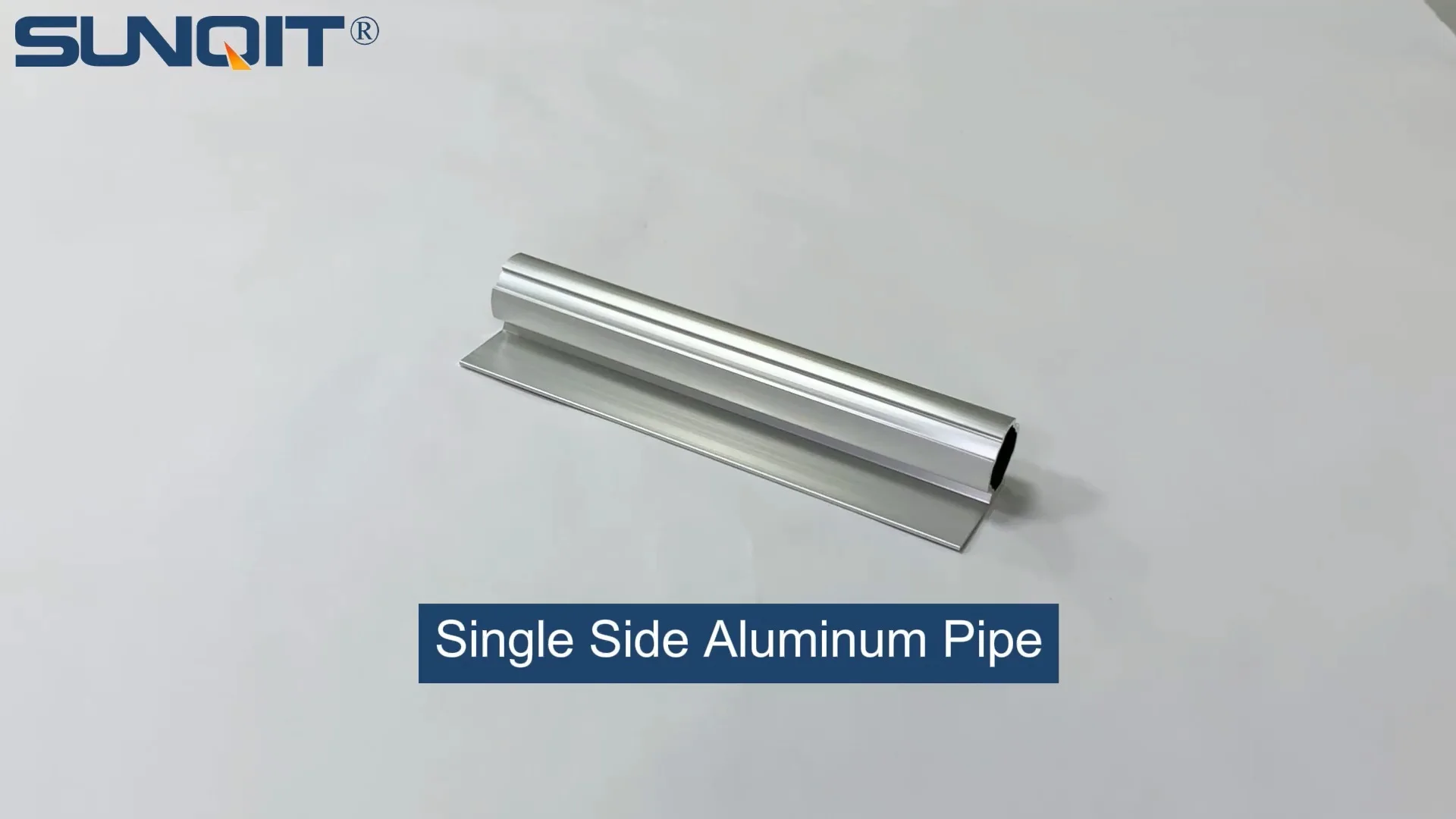
Single Side Aluminum Pipe
The single-sided plane can be installed with a back-mounted material box, and can also be used as a sidewall or partition.
Walk into any busy manufacturing plant, electronics assembly shop, or DIY workshop, and you'll likely spot the unsung hero of productivity: the assembly workbench. It's where ideas take shape, components come together, and products are built—one careful step at a time. But behind that sturdy surface lies a critical question: How much weight can it really handle? For workbenches built with single side aluminum pipes, this isn't just a matter of curiosity; it's a cornerstone of safety, efficiency, and long-term reliability.
If you've ever wondered why some workbenches wobble under a few tools while others stand firm under heavy machinery, the answer often lies in the quality of materials and, crucially, how well they've been tested for load capacity. Single side aluminum pipes have become a go-to choice for modern workbenches thanks to their lightweight strength, corrosion resistance, and versatility. But even the best materials need rigorous testing to ensure they meet the demands of real-world use. In this article, we'll dive deep into the world of single side aluminum pipe load testing, exploring why it matters, how it's done, and what safe weight limits you should keep in mind for your assembly workbench.
What Are Single Side Aluminum Pipes, Anyway?
Before we jump into load testing, let's make sure we're all on the same page about what single side aluminum pipes are and why they're so popular in workbench design. Unlike traditional steel pipes, which can be heavy and prone to rust, aluminum pipes offer a winning combination of durability and flexibility. "Single side" refers to their design—typically featuring a T-slot or groove along one side, which allows for easy attachment of accessories like brackets, shelves, and tool holders. This makes them ideal for customizing workbenches to fit specific tasks, whether you're assembling circuit boards, packing products, or repairing equipment.
You might also hear them called "aluminum lean pipes," a nod to their roots in lean manufacturing principles—where minimizing waste and maximizing efficiency are key. These pipes are often paired with aluminum profile accessories like joints, connectors, and end caps, which snap or bolt into place without the need for welding. This modularity is a game-changer: if your workflow changes, you can reconfigure the workbench in minutes, no special tools required. But here's the catch: all that customization means the load capacity depends on more than just the pipe itself—it's a team effort between the pipe, its thickness, the joints, and how everything is assembled.
Why Load Testing Isn't Optional
Imagine this: You've just set up a brand-new assembly workbench using single side aluminum pipes. It looks sturdy, and the supplier says it can handle 500 pounds. So you pile on your tools, a heavy vise, and a batch of metal components—only to hear a worrying creak. The next thing you know, the bench is tilting, and your equipment is crashing to the floor. Not only could this damage your tools or products, but it could also injure someone nearby. That's why load testing isn't just a "nice-to-have"—it's a critical step in ensuring safety.
Load testing is the process of applying controlled weights to a structure (in this case, a workbench made with single side aluminum pipes) to measure how much weight it can support before deforming, bending, or failing. It's like giving the workbench a stress test to see if it lives up to its promises. Without this testing, you're essentially guessing at its limits—and guesswork in manufacturing is a risky business. Beyond safety, load testing also protects your bottom line: a workbench that collapses can lead to downtime, costly repairs, and even legal liability if someone gets hurt. On the flip side, a properly tested workbench gives you peace of mind, letting you focus on the task at hand instead of worrying about whether your setup will hold.
Regulatory standards play a role here, too. Depending on your industry, there may be strict guidelines for workplace safety—like OSHA regulations in the U.S. or CE marking in the EU—that require equipment to meet specific load-bearing criteria. Skipping load testing could put you out of compliance, leading to fines or shutdowns. Even if you're a small workshop or hobbyist, investing in load-tested components is a smart move. After all, no one wants to rebuild a workbench (or worse, clean up a mess) because they underestimated its limits.

The Nuts and Bolts of Load Testing: How It's Done
Load testing single side aluminum pipes for workbenches isn't as simple as stacking weights until something breaks (though that's part of it, in a controlled way). It's a systematic process that involves careful planning, specialized equipment, and attention to detail. Let's break down the steps:
1. Preparation: Setting the Stage
First, the testing team needs to replicate real-world conditions as closely as possible. That means assembling a test workbench using the same single side aluminum pipes, joints, and accessories that would be used in a actual workshop. If the workbench will have a wooden or metal top, that's included too. The height, width, and depth should match the intended design—after all, a taller workbench will behave differently under load than a shorter one. The team also records key details: pipe diameter (common sizes are 20mm, 30mm, or 40mm), wall thickness (usually 1.2mm to 2.0mm for workbench use), and the type of aluminum alloy (6061 and 6063 are popular for their strength and weldability).
2. Applying the Load: Slow and Steady Wins the Race
Next comes the fun part (for engineers, at least): applying the weight. Load testing machines, like hydraulic presses or motorized weight stacks, are used to apply force gradually. Why gradually? Because sudden impacts can cause the pipe to fail prematurely, giving an inaccurate reading of its true load capacity. The goal is to simulate how weight is typically placed on a workbench—tools set down gently, components stacked over time, not dropped from a height.
The load is applied at different points on the workbench surface: the center (where weight is often concentrated), near the edges (where stress can be higher), and even off-center (to mimic uneven loading, like a heavy tool placed on one corner). Sensors and gauges measure how much the pipe bends (deflection) and whether any permanent deformation occurs. A little bending is normal—aluminum is flexible, after all—but if the pipe doesn't spring back to its original shape once the weight is removed, that's a red flag. That permanent bend means the pipe has reached its yield point, and exceeding it could lead to failure.
3. Recording and Analyzing Data
Throughout the test, every detail is logged: the amount of weight applied, the degree of deflection, and any signs of stress (like creaking, cracking, or bending). Engineers look for two key numbers: the "working load limit" (WLL) and the "ultimate load capacity." The WLL is the maximum weight the workbench can safely handle on a daily basis, usually set at 25% to 50% of the ultimate load capacity (this safety margin prevents wear and tear from constant use). The ultimate load capacity is the point at which the pipe or joints fail—either by bending beyond repair, snapping, or the joints coming loose.
For example, if a single side aluminum pipe with a 30mm diameter and 1.5mm wall thickness has an ultimate load capacity of 800 pounds, the WLL might be set at 400 pounds. That way, even if someone accidentally overloads the bench occasionally, there's a buffer to prevent catastrophic failure. It's like how elevators are rated for a certain number of people, but the cables can actually hold much more—safety first.

Key Factors That Affect Load Capacity
Load testing gives us hard numbers, but it's important to remember that a workbench's safe weight limit isn't just about the pipe itself. Several factors can influence how much weight it can handle, even if the pipes are identical. Let's break down the biggest players:
Pipe Diameter and Wall Thickness
This one is pretty straightforward: bigger is stronger (up to a point). A 40mm diameter pipe will generally support more weight than a 20mm pipe, assuming the same wall thickness. Similarly, a pipe with a 2.0mm wall is sturdier than one with a 1.2mm wall. Think of it like a drinking straw versus a garden hose—thicker walls and larger diameters resist bending better. For most assembly workbenches, a 30mm diameter pipe with a 1.5mm wall is a sweet spot, offering enough strength for tools and components without adding unnecessary weight.
Joint Quality and Installation
Even the strongest pipe is only as good as the joints holding it together. Aluminum profile accessories like connectors, T-joints, and corner brackets must be made from high-quality materials and installed correctly. A loose joint can cause the workbench to wobble, reducing its effective load capacity. That's why load testing includes checking how well the joints hold up under stress—if a joint slips or breaks before the pipe does, it's a sign that the accessories need to be upgraded. Look for joints made from die-cast aluminum or steel, with secure locking mechanisms (like set screws or bolts) that won't loosen over time.
Workbench Height and Span
Ever noticed that a long, unsupported board bends more than a short one? The same principle applies to workbenches. The distance between the legs (the span) has a big impact on load capacity. A workbench that's 6 feet long with legs only at the ends will sag more under weight than one with a center support or legs spaced every 2 feet. Height matters too: taller workbenches have a higher center of gravity, making them more prone to tipping if the load is uneven. When designing your workbench, keep spans short and add supports where needed—your back (and your tools) will thank you.
Environmental Factors
You might not think about it, but where you use the workbench can affect its load capacity. In hot environments, aluminum becomes slightly more flexible, which could reduce its strength temporarily. In cold environments, it becomes a bit more brittle. While these changes are small for most indoor workshops, they're worth considering if you're working in extreme conditions. Moisture can also play a role: if the aluminum profile accessories are made from low-quality materials, rust or corrosion could weaken them over time, even if the pipes themselves are corrosion-resistant.

Real-World Load Limits: What to Expect
So, after all this testing, what safe weight limits can you expect for a workbench made with single side aluminum pipes? The answer depends on the factors we just discussed, but here's a general guide based on common pipe specifications. Remember, these are working load limits (WLL), not ultimate capacities—always check with your supplier for exact numbers, as materials and manufacturing can vary.
| Single Side Aluminum Pipe Specifications | Typical Working Load Limit (WLL) | Best For |
|---|---|---|
| 20mm diameter, 1.2mm wall thickness | 150–250 lbs (68–113 kg) | Light-duty workbenches: small tools, electronics assembly, hobby projects |
| 30mm diameter, 1.5mm wall thickness | 300–500 lbs (136–227 kg) | Medium-duty workbenches: power tools, parts bins, moderate assembly tasks |
| 40mm diameter, 2.0mm wall thickness | 600–800 lbs (272–363 kg) | Heavy-duty workbenches: machinery, welding, large components |
| 30mm diameter, 2.0mm wall thickness (with center support) | 500–700 lbs (227–318 kg) | Medium-heavy tasks with added stability (e.g., bench vises, heavy tool storage) |
These numbers are a starting point, but always err on the side of caution. If you're unsure, round down or add extra supports. For example, if your workbench needs to hold a 400-pound machine, choose a pipe with a WLL of at least 500 pounds to give yourself a buffer. And remember: these limits assume even loading. If you're placing all the weight on one corner, the effective capacity drops—so distribute heavy items as evenly as possible.
Choosing the Right Aluminum Profile Accessories
We've talked a lot about the pipes, but let's not forget the unsung heroes of workbench stability: aluminum profile accessories. These small but mighty components—joints, brackets, casters, and end caps—can make or break your workbench's load capacity. Here's what to look for:
Joints and Connectors
Opt for joints made from high-strength aluminum or steel, with precision machining to ensure a tight fit. Avoid plastic joints for heavy-duty use—they can flex or crack under stress. Look for features like reinforced corners or locking bolts that prevent slippage. For example, 90-degree aluminum profile connectors with set screws that bite into the pipe's T-slot will hold better than friction-fit joints.
Casters (If You Need Mobility)
If your workbench needs to roll, choose casters with a load rating that matches (or exceeds) the workbench's WLL. For a 500-pound workbench, casters rated for 150 pounds each (4 casters x 150 lbs = 600 lbs total) will give you a safety margin. Locking casters are a must to prevent movement when you're working—nothing is more frustrating than a workbench that rolls mid-task.
End Caps and Protectors
While they might seem like an afterthought, end caps do more than just make the pipe look finished. They prevent debris from getting inside the pipe, which can weaken it over time, and protect against sharp edges. For load-bearing pipes, metal end caps are better than plastic—they add a little extra reinforcement at the ends, where stress can concentrate.
Common Mistakes to Avoid
Even with the best materials and testing, mistakes in setup or use can reduce your workbench's load capacity. Here are a few pitfalls to steer clear of:
- Overloading "Just This Once": It's tempting to pile on extra weight when you're in a hurry, but repeated overloading weakens the pipes and joints over time. Think of it like stretching a rubber band—do it enough, and it'll snap.
- Poor Assembly: Skipping steps during setup (like tightening bolts all the way or using the wrong size joints) can lead to wobbly, unstable workbenches. Take the time to follow the instructions—your future self will appreciate it.
- Ignoring Wear and Tear: Aluminum pipes are durable, but they're not indestructible. Check for dents, cracks, or loose joints regularly. A small bend today could turn into a big problem tomorrow.
- Using the Wrong Accessories: Mixing and matching parts from different suppliers might save a few bucks, but if the joints aren't designed for your specific pipe size, they won't hold properly. Stick to compatible aluminum profile accessories.
Final Thoughts: Safety Starts with Testing
At the end of the day, a workbench is more than just a table—it's a foundation for your work. Whether you're running a factory or tinkering in your garage, knowing the safe weight limits of your single side aluminum pipe workbench is essential for protecting yourself, your tools, and your productivity. Load testing isn't just a box to check—it's a commitment to quality and safety.
So, the next time you're setting up a new workbench or evaluating an existing one, take a moment to think about the pipes, the joints, and how they've been tested. Ask your supplier for load test reports, check the specifications, and don't be afraid to invest in quality aluminum lean pipes and accessories. Your workbench is where you build your business, your projects, and your skills—make sure it's built to last.
After all, in the world of manufacturing and DIY, the strongest workbenches aren't just made of aluminum—they're built on a foundation of knowledge, testing, and care. And that's a load worth carrying.