- Company Articles
- Products and Technology
- Product knowledge
- Single Side Aluminum Pipe Material Racks: Organizing Medical Supplies Efficiently

Single Side Aluminum Pipe Material Racks: Organizing Medical Supplies Efficiently
Related Product
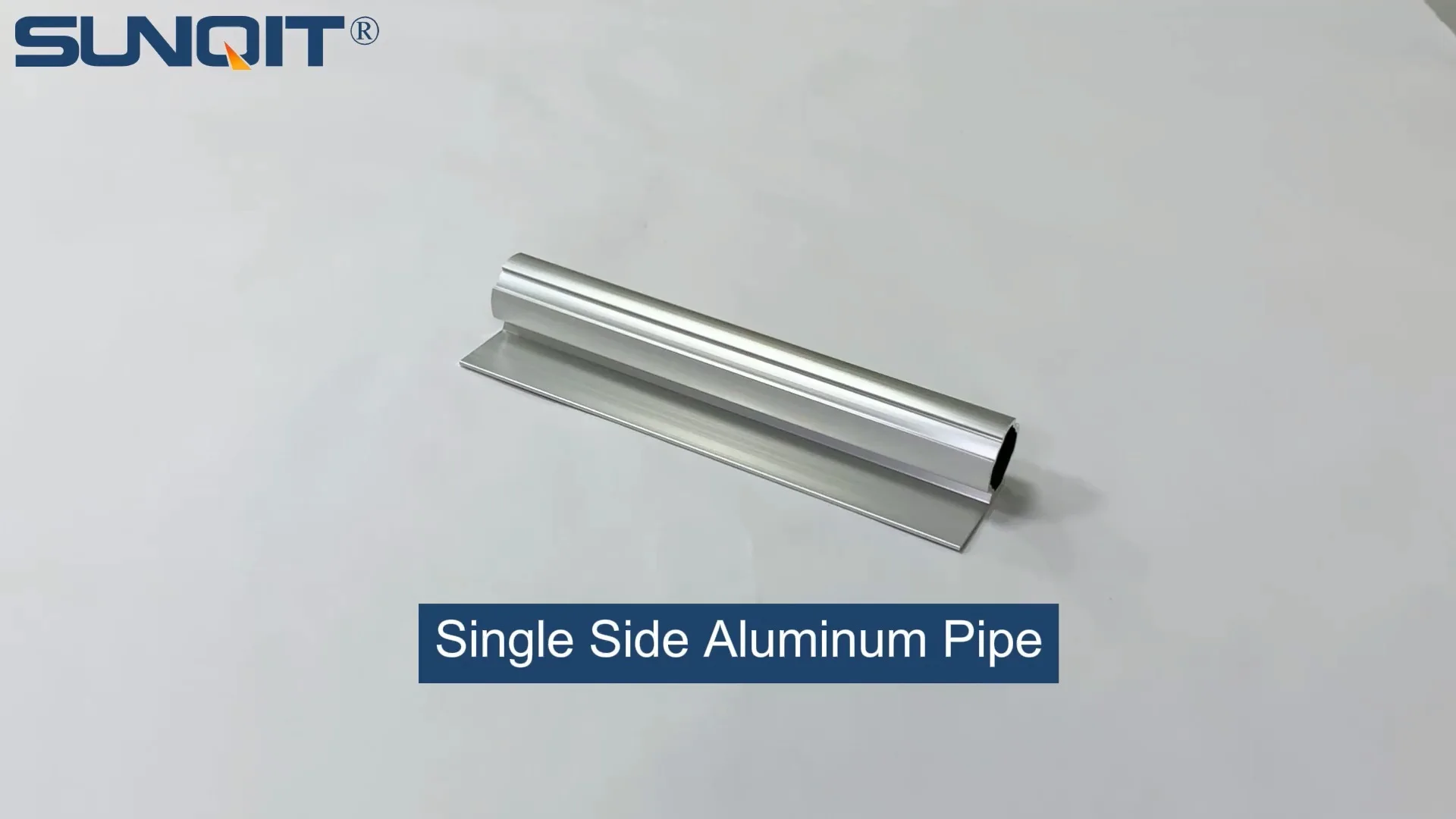
Single Side Aluminum Pipe
The single-sided plane can be installed with a back-mounted material box, and can also be used as a sidewall or partition.
The Heartbeat of Healthcare – Why Organized Medical Supplies Matter
Imagine walking into a busy hospital emergency room. The lights are bright, the air hums with the chatter of nurses and doctors, and every second counts. A paramedic rushes in with a patient, and the team springs into action. "We need bandages, sterile gloves, and a trauma kit—stat!" someone calls out. Now, picture the supply closet down the hall: shelves overflowing with boxes, expired meds tucked behind new ones, and gloves scattered in three different bins. The nurse assigned to grab supplies fumbles, heart racing, as precious seconds tick by. This isn't just a hypothetical scenario; it's a daily reality in far too many healthcare settings.
Medical supplies are the unsung heroes of healthcare. They're the bandages that stop bleeding, the syringes that deliver life-saving drugs, and the PPE that protects caregivers and patients alike. But when these supplies are disorganized, the consequences ripple far beyond frustration. They lead to delayed care, wasted resources, and even compromised patient safety. That's where the right storage solutions come in—and single side aluminum pipe material racks are emerging as a quiet revolution in how healthcare facilities keep their most critical tools in order.
The Hidden Cost of Disorganization in Medical Storage
Let's start with the numbers, because they tell a clear story. A 2023 study by the Healthcare Supply Chain Association found that disorganized storage costs U.S. hospitals an average of $12,000 per year per department in wasted supplies alone. Expired medications, damaged equipment from overcrowded shelves, and duplicate orders because staff can't find what they need—these add up fast. But the real cost isn't just financial. When a nurse spends 15 minutes hunting for a specific size of catheter instead of attending to a patient, that's a cost in care quality.
In smaller clinics and private practices, the problem often feels even more acute. With limited space, storage rooms become catch-alls: a shelf for vaccines here, a bin for medical records there, and a pile of extra masks "just in case" on the floor. Dr. Maya Patel, a family physician in a rural clinic, recalls a particularly stressful day: "We had a flu outbreak, and I needed to vaccinate 20 patients. I went to get the flu shots, and the box was missing. Turns out, they'd been shoved behind a stack of bandage boxes during a quick cleanup. By the time we found them, three patients had left to get to work. That's three people who might now get sick—all because we couldn't find a box."
The root of the problem? Many healthcare facilities still rely on generic metal shelves or plastic bins that weren't designed with the unique needs of medical supplies in mind. These solutions lack flexibility—they can't adapt to changing inventory, and they don't make it easy to sort items by expiration date, size, or urgency. Enter single side aluminum pipe material racks: a storage system built for the chaos of healthcare, designed to bring order without sacrificing adaptability.

Enter Single Side Aluminum Pipe Material Racks: A Game-Changer
What Are Single Side Aluminum Pipe Material Racks?
At first glance, you might mistake them for any other shelving unit. But look closer, and you'll see the difference. Single side aluminum pipe material racks are built using lightweight yet sturdy aluminum lean pipe—think of it as the backbone of the system—connected by simple, durable joints. Unlike traditional steel shelves, which are fixed and heavy, these racks are modular. That means you can adjust the height of shelves, add extra tiers, or even reconfigure the entire unit if your storage needs change. And because they're single-sided, they fit perfectly against walls, making them ideal for tight spaces like clinic supply closets or hospital pharmacy corners.
But what really sets them apart is their focus on accessibility. The open design means you can see every item at a glance, no more digging through the back of a deep shelf. And with options like flow rack attachments—sloped shelves that let supplies "flow" forward as the front ones are used—you'll always grab the oldest items first, cutting down on expired meds and wasted supplies. It's like having a built-in first-in, first-out (FIFO) system, which is critical in healthcare where expiration dates can mean the difference between safe and unsafe care.
The Role of Aluminum Lean Pipe in Durability and Flexibility
Aluminum lean pipe is the secret sauce here. Unlike steel, aluminum is resistant to rust and corrosion—essential in environments where cleaning with harsh disinfectants is a daily ritual. Think about a dental office, where surfaces are wiped down with alcohol multiple times a day. Steel shelves might start to chip or rust over time, but aluminum holds up, maintaining its strength and appearance for years. And because it's lightweight, you don't need a team of people to move or reconfigure the racks. A single nurse or clinic manager can adjust a shelf height in minutes, no tools required.
Take, for example, a pediatric clinic that sees a surge in patients during cold and flu season. In the summer, they might use their single side aluminum rack to store allergy meds and sunscreen samples. But when winter hits, they need more space for cough syrup, thermometers, and flu tests. With aluminum lean pipe, they can easily add two more shelves to the rack, or even swap out a flat shelf for a flow rack to keep those high-demand items front and center. It's flexibility that grows with your needs, not against them.
Customization with Aluminum Pipe Accessories
No two healthcare facilities are the same, and neither are their storage needs. That's where aluminum pipe accessories come in, turning a basic rack into a tailored solution. Need to store small items like syringes or cotton swabs? Add plastic bins with dividers that snap onto the aluminum frame. Have larger items, like IV fluid bags or bulky trauma kits? Use heavy-duty hooks or adjustable brackets to hang them securely. Even labels are easier—magnetic strips or clip-on tags attach directly to the aluminum pipes, so you can update them as supplies change without leaving sticky residue.
One of the most popular accessories is the workbench attachment. Imagine a small pharmacy where the staff mixes compounds or prepares medication packets. Instead of having a separate worktable and storage shelf, they can attach a flat workbench top to their single side aluminum rack. Now, everything they need—from pill bottles to scales—is within arm's reach, cutting down on time spent walking back and forth. It's a small change, but it adds up to hours saved over a week.

How These Racks Transform Medical Supply Management
Let's take a step back and look at the big picture. How exactly do single side aluminum pipe material racks change the game for healthcare facilities? Let's break it down with real-world examples.
Streamlining Workflow with Flow Rack Integration
The emergency room scenario we imagined earlier? It could have a very different ending with a flow rack. Flow racks use gravity to move supplies forward, so when a nurse takes the last box of gloves from the front of the shelf, the next box slides down automatically. No more reaching to the back, no more forgotten supplies. A 2022 case study from a large urban hospital found that adding flow rack attachments to their single side aluminum racks reduced time spent retrieving supplies by 40% in the ER. That's 40% more time nurses could spend with patients instead of hunting for gloves or bandages.
In a hospital pharmacy, flow racks are a lifesaver for managing medications. Pharmacists can load the back of the flow rack with new pill bottles and the front with older ones, ensuring that prescriptions are always filled with the earliest expirations. This not only reduces waste but also minimizes the risk of accidentally dispensing an expired drug—a mistake that could have serious legal and ethical consequences.
Enhancing Accessibility: From Storage to Workbench
Many single side aluminum pipe racks come with optional workbench attachments, turning storage into a functional workspace. Picture a surgical center where nurses prep instruments before procedures. Instead of carrying instruments from a storage room to a separate worktable, they can have everything they need on a workbench attached to their aluminum rack. The top shelf holds sterilized tools, the middle shelf has cleaning supplies, and the bottom shelf stores extra instrument trays. It's a one-stop shop that cuts down on steps and keeps the area organized.
Dr. Rajiv Mehta, an orthopedic surgeon, swears by this setup in his clinic. "Before we installed the aluminum rack with a workbench, prepping for surgery meant running back and forth between the storage closet and the prep area. Now, everything is right there. I can grab a scalpel, lay it out on the workbench, and move on to the next tool—no wasted steps. It's made our team faster and less stressed, which translates to better care for our patients."

Comparing Storage Solutions: Why Aluminum Pipe Racks Stand Out
Still not convinced? Let's put single side aluminum pipe material racks head-to-head with some common alternatives. The table below breaks down how they stack up against traditional steel shelves, plastic bin systems, and even double-sided aluminum racks in key areas like cost, flexibility, and suitability for healthcare settings.
| Storage Solution | Material | Flexibility (Adjustable Shelves?) | Durability (Resistant to Disinfectants?) | Space Efficiency (Good for Tight Areas?) | Best For |
|---|---|---|---|---|---|
| Single Side Aluminum Pipe Rack | Aluminum lean pipe | Yes – fully modular, no tools needed | Yes – rust/corrosion-resistant | Excellent – fits against walls | Clinics, ER supply closets, pharmacies |
| Traditional Steel Shelves | Steel | Limited – fixed or bolted adjustments | No – prone to rust with frequent cleaning | Poor – heavy, hard to move | Warehouses, non-sterile storage |
| Plastic Bin Systems | Plastic | Yes – bins can be rearranged | Yes – but bins crack over time | Good – stackable, but messy if overfilled | Small offices, non-critical supplies |
| Double-Sided Aluminum Racks | Aluminum lean pipe | Yes – same modular design | Yes – same durability as single-sided | Poor – needs center space, hard to access from both sides in tight areas | Large pharmacies, hospital supply rooms with open floor space |
| Material Rack B (3 Row and 3 Floor) | Aluminum/steel hybrid | Limited – fixed rows/floors | Yes – but heavier than single-sided | Fair – good for high-volume storage, but bulkier | Large hospitals with steady supply needs |
As you can see, single side aluminum pipe racks excel in the areas that matter most to healthcare: flexibility, durability, and space efficiency. While Material Rack B (3 row and 3 floor) is a solid choice for high-volume storage, its fixed rows and bulk make it less ideal for smaller, dynamic spaces like a rural clinic or a busy ER closet. The single-sided aluminum rack, on the other hand, adapts to your needs, not the other way around.
Material Rack B (3 Row and 3 Floor): A Closer Look at a Clinic Favorite
While we're on the topic of alternatives, let's shine a spotlight on Material Rack B (3 row and 3 floor). This rack is a popular choice in larger healthcare facilities, thanks to its ability to hold a high volume of supplies. With three rows and three floors, it's designed for organization by category—think top row for PPE, middle for medications, and bottom for bulky items like blankets or IV poles. But unlike single side aluminum racks, its rows and floors are fixed, meaning you can't easily adjust shelf heights if you need to store taller items later.
For example, a large hospital maternity ward might use Material Rack B to store supplies for labor and delivery: gowns on the top floor, gloves and masks in the middle, and birthing balls on the bottom. Since their supply needs are relatively consistent, the fixed design works well. But a small urgent care center that sees a mix of injuries, illnesses, and seasonal surges? They'd likely find the rigidity frustrating. One month, they need space for back-to-school physical forms; the next, for flu vaccines. Single side aluminum racks let them pivot quickly, without having to buy a whole new storage unit.
Beyond Storage: Supporting Sterility and Safety
In healthcare, sterility isn't optional—it's a matter of life and death. Single side aluminum pipe material racks are designed with this in mind. The smooth, non-porous surface of aluminum lean pipe is easy to wipe down with disinfectants, leaving no cracks or crevices for bacteria to hide. Unlike wooden shelves, which can absorb spills and harbor germs, or plastic bins that scratch and trap dirt, aluminum stays clean with minimal effort.
Take a veterinary clinic, for example, where exam rooms are cleaned between every patient. The clinic's single side aluminum rack holds syringes, bandages, and flea treatments. After each appointment, the vet tech simply sprays the rack with a veterinary-grade disinfectant and wipes it down. No scrubbing, no worrying about missed spots—just a quick, thorough clean that keeps both animals and staff safe.
Weight capacity is another safety consideration. Healthcare supplies can be surprisingly heavy: a case of IV fluid bags, for instance, weighs around 30 pounds. Single side aluminum pipe racks are tested to hold up to 200 pounds per shelf, depending on the model, so you never have to worry about shelves bending or collapsing under the load. And because the joints lock securely, there's no risk of shelves shifting or items falling—critical in a busy environment where carts and people are constantly moving around.
Setting Up Your Own Single Side Aluminum Pipe Material Rack: Tips for Success
Ready to bring the benefits of single side aluminum pipe material racks to your healthcare facility? Here's how to get started:
Assessing Your Space and Needs
First, take stock of your current storage area. Measure the available wall space—remember, single side racks fit best against walls, so note the height, width, and any obstacles like outlets or vents. Then, list out your most common supplies: are they small (like syringes) or large (like oxygen tanks)? Do you need to prioritize FIFO (expiration dates) or quick access? This will help you decide on features like flow racks, workbench attachments, or extra-deep shelves.
Don't forget to think about future needs. A clinic planning to expand its services next year might want to invest in a rack that can grow with them—maybe start with a 4-foot unit now, and add extensions later. Aluminum lean pipe makes this easy; most suppliers sell additional pipes and joints separately, so you won't have to replace the entire rack.
Choosing the Right Accessories
Aluminum pipe accessories are where you can really tailor the rack to your needs. Here are a few must-haves for healthcare settings:
- Flow rack attachments: For meds, gloves, or any supplies with expiration dates.
- Label holders: Clear, reusable labels mean you'll always know where everything is—even when new staff are training.
- Bin dividers: Perfect for small items like band-aids or tongue depressors, keeping them sorted and easy to grab.
- Locking casters (optional): If you need to move the rack occasionally (e.g., for deep cleaning), add locking casters to the base. Just unlock, roll, and lock back into place.
Installation Best Practices
Installing a single side aluminum pipe rack is surprisingly simple—no need to hire a professional. Most kits come with easy-to-follow instructions and all the parts you need: pipes, joints, shelves, and even a small wrench for tightening joints. Start by laying out the parts on the floor to visualize the design, then snap the joints onto the pipes and secure the shelves. In less than an hour, you'll have a fully functional storage system.
Pro tip: Involve your team in the setup. Nurses, pharmacists, and clinic staff are the ones who use the supplies daily, so they'll have great insights into what should go where. Maybe the night shift nurses need frequently used items at eye level, while the day shift prefers them lower for quick access. By collaborating, you'll create a system that works for everyone, not just the person who ordered the rack.
Conclusion: Investing in Efficiency, One Rack at a Time
At the end of the day, single side aluminum pipe material racks are more than just shelves. They're an investment in efficiency, safety, and the people who keep healthcare running. When supplies are organized, staff can focus on what matters most: caring for patients. When expiration dates are managed, resources are saved, and budgets stretch further. And when storage is flexible, healthcare facilities can adapt to whatever comes their way—whether it's a pandemic, a seasonal surge, or a new service line.
So, the next time you walk into a healthcare facility, take a peek inside the supply closet. If you see neat, accessible shelves with everything in its place, chances are you're looking at single side aluminum pipe material racks hard at work. They might not get the same attention as doctors or nurses, but they're quietly keeping the heartbeat of healthcare strong—one organized supply at a time.