- Company Articles
- Products and Technology
- Solution
- Single Side Aluminum Pipe Turnover Carts: Maneuverable Solutions for Factory Floors

Single Side Aluminum Pipe Turnover Carts: Maneuverable Solutions for Factory Floors
Related Product
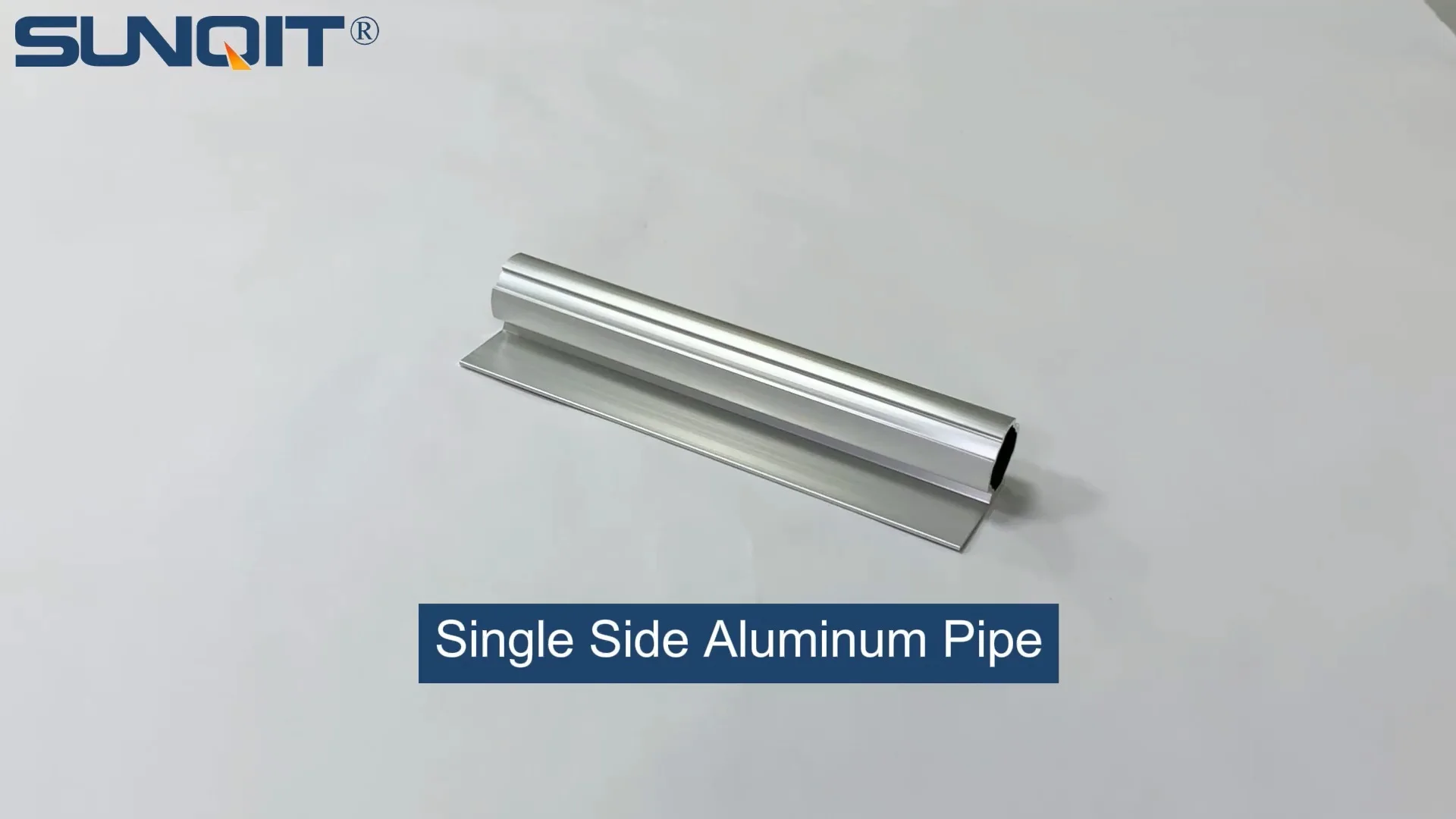
Single Side Aluminum Pipe
The single-sided plane can be installed with a back-mounted material box, and can also be used as a sidewall or partition.
Walk through any manufacturing plant, and you'll notice the constant hum of activity—workers moving parts, machines churning out components, and materials flowing from one station to the next. In the middle of this organized chaos, material handling often becomes the unsung hero (or villain) of daily operations. A clunky, unsteady cart can slow down production, create bottlenecks, and even lead to workplace injuries. That's where single side aluminum pipe turnover carts step in—not just as tools, but as silent partners in keeping the workflow smooth and the team productive.
These carts, built with lightweight yet durable aluminum lean pipe and a modular design, are redefining how factories handle materials. They're not just "carts" in the traditional sense; they're adaptable, ergonomic, and designed to fit seamlessly into the rhythm of a busy production floor. Whether you're moving small parts, heavy components, or bulk materials, a well-designed single side aluminum pipe turnover cart can turn a tedious task into a quick, efficient step in the process.
The Problem with Traditional Material Handling: Why Carts Matter More Than You Think
Before diving into what makes aluminum pipe turnover carts special, let's talk about the status quo. Many factories still rely on old, heavy steel carts or even plastic bins dragged across the floor. These solutions come with a laundry list of issues:
- Weight and Maneuverability: Steel carts are sturdy, but their weight makes them hard to push, especially when loaded. A worker struggling to navigate a tight corner with a heavy cart isn't just slow—they're at risk of straining their back or losing control, leading to spills or collisions.
- Durability vs. Corrosion: Steel rusts, especially in factories with moisture, oil, or chemicals. A rusted cart isn't just an eyesore; it can contaminate materials or weaken structural integrity over time.
- Lack of Customization: One-size-fits-all carts rarely fit anyone well. A cart that's too tall forces workers to bend awkwardly; one that's too short means constant stooping. Without adjustability, every trip becomes a compromise.
- Maintenance Headaches: Welded steel carts are hard to repair. If a wheel breaks or a shelf bends, you're often stuck replacing the entire cart instead of a single part.
These issues don't just affect productivity—they impact morale. When workers spend more energy fighting with equipment than focusing on their tasks, frustration builds, and small inefficiencies add up to big delays by the end of the day.
Enter Single Side Aluminum Pipe Turnover Carts: Built for the Way Factories Actually Work
Single side aluminum pipe turnover carts address these pain points head-on, thanks to their core material: aluminum lean pipe. Unlike steel, aluminum is lightweight (about 1/3 the weight of steel) but surprisingly strong, making it perfect for carts that need to carry heavy loads without being a burden to push. But the benefits don't stop there—let's break down what makes these carts a game-changer.
What is Aluminum Lean Pipe?
Aluminum lean pipe (also called "lean tube") is a hollow aluminum alloy tube, often anodized or coated to resist corrosion. It's designed to work with modular aluminum pipe accessories like joints, brackets, and casters, allowing for endless customization. Think of it as building blocks for material handling—you can adjust the height, add shelves, or modify the structure to fit your exact needs, without welding or heavy tools.
Aluminum lean pipe (also called "lean tube") is a hollow aluminum alloy tube, often anodized or coated to resist corrosion. It's designed to work with modular aluminum pipe accessories like joints, brackets, and casters, allowing for endless customization. Think of it as building blocks for material handling—you can adjust the height, add shelves, or modify the structure to fit your exact needs, without welding or heavy tools.
1. Lightweight but Strong: The Best of Both Worlds
Aluminum's biggest advantage is its strength-to-weight ratio. A single side aluminum pipe cart can carry up to 300 lbs (or more, depending on the design) but weighs so little that even a fully loaded cart can be pushed with one hand. This isn't just about speed—it's about safety. Workers are less likely to strain muscles or lose control, and in busy areas, a lighter cart means less risk of damage if it bumps into equipment or another worker.
Take, for example, a electronics assembly line where workers move small circuit boards between stations. A traditional steel cart might weigh 40 lbs empty; add 50 lbs of parts, and you're pushing 90 lbs. An aluminum pipe cart, by contrast, might weigh 15 lbs empty—so even with parts, it's only 65 lbs. That difference? It adds up to fewer breaks, less fatigue, and more trips completed per hour.
2. Modular by Design: Customize Without the Fuss
Here's where aluminum pipe accessories shine. These carts are built using a system of tubes and joints, meaning you can tweak them on the fly. Need an extra shelf for smaller parts? Snap on a few aluminum pipe clamps and a panel. Want to lower the height to reduce bending? Swap out the vertical pipes for shorter ones. Even the casters can be upgraded—lockable wheels for stability on inclines, or swivel casters for tight corners.
This modularity also future-proofs your investment. As your production needs change—maybe you start manufacturing larger parts, or need to comply with new ergonomic standards—you don't need to buy new carts. Just reconfigure the existing ones with new aluminum pipe accessories. It's a cost-saver in the long run and keeps your equipment aligned with your workflow, not the other way around.
3. Corrosion-Resistant: Built to Last in Tough Environments
Factories are messy places. Oil drips, chemical spills from cleaning, and even humidity can take a toll on equipment. Aluminum's natural resistance to corrosion means these carts stay looking (and functioning) like new for years longer than steel alternatives. Many aluminum lean pipes are also anodized—a process that adds a protective layer to the surface, making them even more resistant to scratches and wear.
| Feature | Traditional Steel Cart | Single Side Aluminum Pipe Turnover Cart |
|---|---|---|
| Weight (Empty, 3ft x 2ft Cart) | 40-50 lbs | 15-25 lbs |
| Corrosion Resistance | Poor—rusts with moisture/chemicals | Excellent—anodized aluminum resists rust |
| Customization | Limited—welded structure hard to modify | High—modular aluminum pipe accessories allow easy tweaks |
| Maintenance | High—difficult to repair; often needs full replacement | Low—replaceable parts (casters, joints, shelves) |
| Ergonomics | Fixed height/size; may cause bending/straining | Adjustable height/shelves; designed for worker comfort |

How Single Side Aluminum Pipe Turnover Carts Fit Into a Lean System
If your factory follows lean manufacturing principles—focused on eliminating waste, optimizing flow, and continuous improvement—single side aluminum pipe turnover carts are more than tools; they're enablers. Here's how they align with lean goals:
1. Eliminating Waste (Muda)
Lean identifies "transportation waste" as any unnecessary movement of materials. A poorly designed cart turns every trip into waste—time spent struggling with maneuverability, extra steps to avoid obstacles, or delays from breakdowns. Aluminum pipe carts, with their smooth-rolling casters and lightweight frames , cut down on this waste. Workers spend less time moving materials and more time adding value.
Even better, their modular design reduces "inventory waste." Instead of stockpiling different carts for different tasks, one aluminum pipe cart can be reconfigured for multiple uses—no need to store extra equipment that sits idle most of the time.
2. Optimizing Flow (Heijunka)
In lean systems, smooth material flow is key to avoiding bottlenecks. Single side aluminum pipe turnover carts keep materials moving at the pace of production. For example, a cart designed with sloped shelves or roller tracks (using roller track and accessories ) lets parts slide easily from the cart to the workstation—no more lifting or reaching. This "flow rack"-like functionality ensures materials arrive exactly when needed, reducing wait times and keeping the line moving.
3. Continuous Improvement (Kaizen)
Lean isn't static—it's about constant small improvements. Aluminum pipe carts thrive here. Since they're easy to modify, workers can suggest tweaks (e.g., "Add a side rail to prevent parts from falling off") and see changes implemented quickly. This empowers teams to take ownership of their workspace and drives ongoing efficiency gains.

Real-World Impact: A Day in the Life with Aluminum Pipe Turnover Carts
Let's paint a picture of how these carts transform daily operations. Meet Maria, a line worker at a automotive parts factory. A year ago, her team used old steel carts to move brake components from storage to the assembly line. The carts were heavy, rusted in spots , and the fixed shelves meant she had to bend down every time to grab parts from the bottom shelf. "By lunch, my back would ache so bad I could barely focus," she recalls. "And if the cart hit a bump, parts would slide off the top—then we'd spend 10 minutes picking them up."
Then Maria's plant switched to single side aluminum pipe turnover carts. "The first time I pushed one, I almost fell over—it was so light!" she laughs. The team customized the carts with adjustable shelves: the bottom shelf was raised to knee height, so no more bending, and the top shelf had a lip to keep parts from sliding. They even added swivel casters with brakes, so the cart stayed put while Maria unloaded parts.
The result? "I can move twice as many parts in half the time," Maria says. "And my back? No more pain. The cart feels like an extension of my workbench, not a hassle. Plus, when we started making a new larger brake caliper, we just added a taller vertical pipe and a new shelf—no need to buy a whole new cart."
Maria's story isn't unique. Factories across industries—electronics, pharmaceuticals, food processing—are seeing similar results: reduced handling time, fewer injuries, and happier teams. When equipment works with workers, everyone wins.

Choosing the Right Aluminum Pipe Turnover Cart: What to Look For
Not all aluminum pipe carts are created equal. To get the most out of your investment, keep these factors in mind:
1. Load Capacity
Start with the basics: how much weight do you need to carry? Most single side carts handle 200-500 lbs, but heavier-duty models (with thicker aluminum pipe) can go higher. Don't overbuy— a cart rated for 1000 lbs will be heavier and pricier than you need if you're moving 100 lbs loads.
Casters make or break maneuverability. Look for sealed bearings to keep out dust and debris , and choose the right type for your floor: soft rubber wheels for concrete to reduce noise, or hard plastic for smooth surfaces like tile. If you're using the cart on inclines or near edges, lockable casters are a must for safety.
3. Material Thickness and Joint Strength
Aluminum pipe thickness matters. Thicker pipes (1.5mm+ walls) are stronger but slightly heavier; thinner pipes (1.0mm) are lighter for lighter loads. Joints should feel sturdy—wobbly joints mean a wobbly cart. Look for aluminum pipe joints with secure locking mechanisms, not flimsy plastic clips.
A good cart is only as good as its supplier. Choose a lean system supplier that offers not just carts, but replacement aluminum pipe accessories (casters, joints, shelves) and customization help. Ask: Can they design a cart for your specific task? Do they offer warranties on parts? A supplier who understands your workflow will help you get the right cart the first time.
Conclusion: More Than a Cart—A Partner in Productivity
Single side aluminum pipe turnover carts are quiet revolutionaries. They don't have flashy features or complex technology, but they solve a fundamental problem: making material handling easier, safer, and more efficient. By combining lightweight aluminum lean pipe, modular accessories, and a focus on worker ergonomics, these carts transform a daily chore into a seamless part of the production process.
Whether you're looking to reduce waste in a lean system, cut down on workplace injuries, or simply make your team's day a little easier, investing in quality aluminum pipe turnover carts is a decision that pays off—in productivity , morale , and long-term cost savings. After all, in manufacturing, the smallest improvements often lead to the biggest results.
So the next time you walk through your factory floor, take a look at the carts. Are they holding your team back, or helping them thrive? With single side aluminum pipe turnover carts, the answer can be the latter—one smooth roll at a time.