- Company Articles
- Products and Technology
- Product knowledge
- Single Side Aluminum Pipe vs Galvanized Steel: Which Offers Better Longevity?

Single Side Aluminum Pipe vs Galvanized Steel: Which Offers Better Longevity?
Related Product
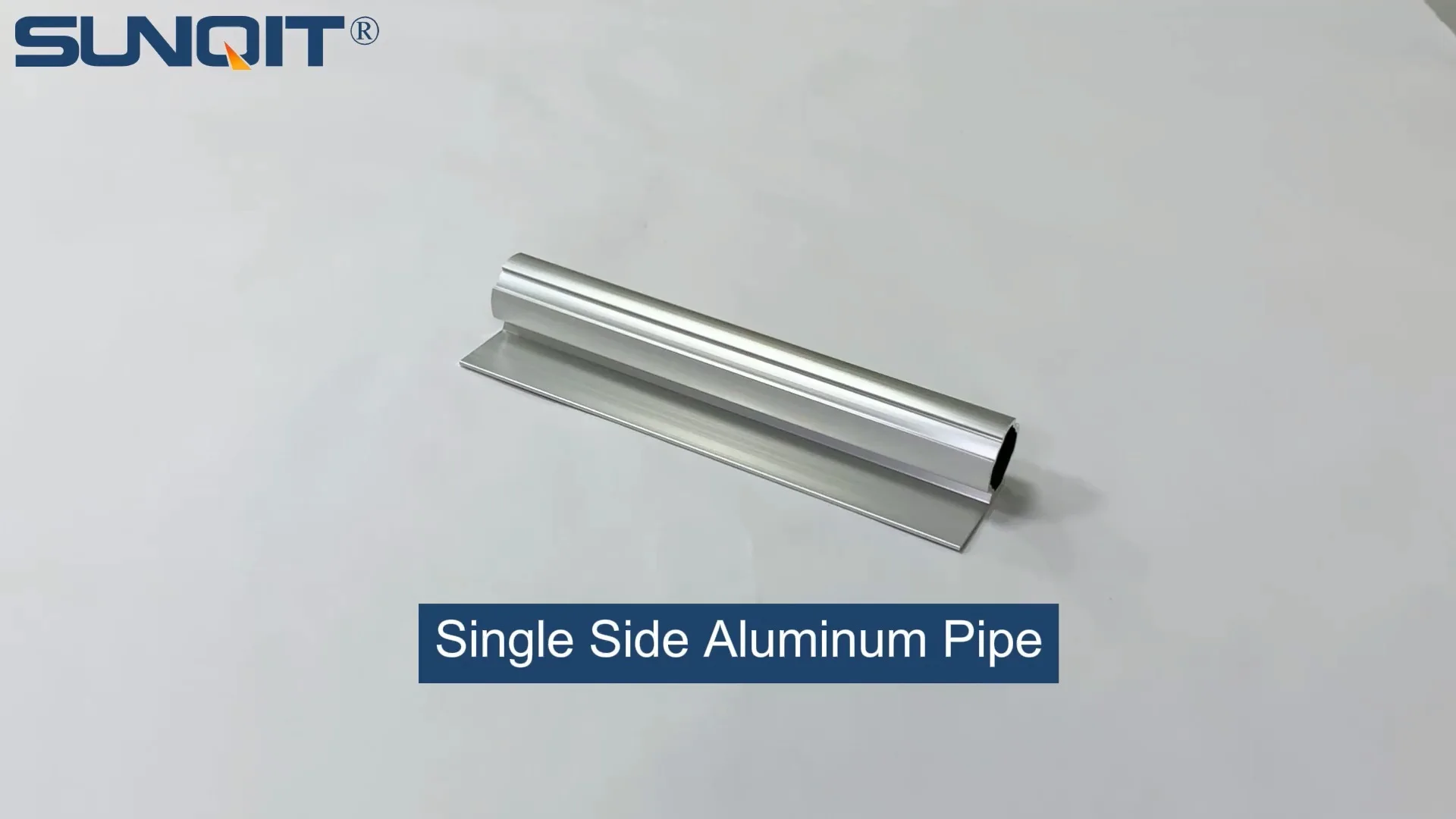
Single Side Aluminum Pipe
The single-sided plane can be installed with a back-mounted material box, and can also be used as a sidewall or partition.
In the world of manufacturing, warehousing, and industrial design, the choice of materials can make or break operational efficiency. Every component, from the smallest joint to the largest workbench, plays a role in how smoothly a facility runs—and how long it can keep running without costly interruptions. Today, we're diving into a critical comparison that many facility managers and lean system designers face: single side aluminum pipe versus galvanized steel. Both are staples in constructing lean pipe systems, workbenches, flow racks, and conveyor setups, but when it comes to longevity—the ability to withstand time, wear, and the elements—one might have a clear edge. Let's unpack the details, from material composition to real-world performance, to help you decide which option best fits your needs.
Understanding the Contenders: What Are Single Side Aluminum Pipes and Galvanized Steel Pipes?
Before we pit them against each other, let's get to know each material individually. What exactly is a single side aluminum pipe, and how does it differ from the galvanized steel pipes you might already be familiar with?
Single Side Aluminum Pipe : As the name suggests, this pipe is made primarily from aluminum, a lightweight, silver-white metal known for its malleability and resistance to corrosion. The "single side" designation often refers to a specialized coating or treatment applied to one side of the pipe, though in many cases, it describes a design where one surface is optimized for specific uses—like attaching accessories or withstanding friction. These pipes are typically extruded, meaning they're formed by pushing molten aluminum through a die to create a uniform shape, resulting in consistent thickness and strength. They're often used in lean pipe systems, where flexibility and adaptability are key, and they pair well with aluminum pipe accessories like joints, clamps, and brackets, which are designed to complement the pipe's properties.
Galvanized Steel Pipe : Steel, an alloy of iron and carbon, is already prized for its strength and durability. Galvanized steel takes that a step further by adding a protective zinc coating. This coating is applied through either hot-dip galvanizing (submerging the steel in molten zinc) or electroplating (using an electric current to bond zinc to the surface). The goal? To shield the underlying steel from rust and corrosion. Galvanized steel pipes have been a go-to in construction, plumbing, and industrial settings for decades, valued for their rigidity and ability to handle heavy loads.
The Science Behind Longevity: Composition and Manufacturing
Longevity starts at the molecular level. Let's break down how the composition and manufacturing processes of single side aluminum and galvanized steel pipes influence their lifespan.
Single Side Aluminum Pipe: Nature's Protector Aluminum's secret weapon is its natural ability to resist corrosion. When exposed to oxygen, aluminum forms a thin, invisible layer of aluminum oxide (Al₂O₃) on its surface. This layer is incredibly stable and self-healing—if scratched, it quickly reforms, preventing further oxidation. For single side aluminum pipes, manufacturers often enhance this natural protection with additional treatments, like anodizing (electrochemically thickening the oxide layer) or powder coating, especially on the "single side" optimized for wear. The extrusion process also ensures the pipe has no weak points, as the material is continuous and free from seams that could trap moisture or debris.
Aluminum pipes are also often alloyed with small amounts of other metals, like magnesium or silicon, to boost strength without sacrificing flexibility. For example, 6061 aluminum, a common alloy in industrial pipes, contains magnesium and silicon, making it both strong and easy to machine—ideal for customizing with aluminum pipe accessories.
Galvanized Steel Pipe: A Sacrificial Shield Galvanized steel relies on zinc's properties for protection. Zinc is more reactive than iron, so when the pipe is exposed to moisture or chemicals, the zinc coating corrodes first (a process called "sacrificial protection"), leaving the steel intact. However, this protection is only as good as the coating. Hot-dipped galvanized pipes have a thicker zinc layer (typically 85-100 microns) compared to electroplated ones (5-25 microns), making them more durable. But even the thickest coating can be compromised: scratches, dents, or welding can expose the steel underneath, creating a weak spot for rust to take hold. Unlike aluminum's self-healing oxide layer, once the zinc is damaged, the steel is vulnerable unless the coating is repaired.

Durability Showdown: How Each Material Stands Up to Wear and Tear
Longevity isn't just about resisting corrosion—it's about handling the daily grind. Let's look at how single side aluminum and galvanized steel pipes hold up under mechanical stress, impact, and friction.
Mechanical Strength: Steel vs. Aluminum Galvanized steel is undeniably stronger than aluminum in terms of raw tensile strength. A typical galvanized steel pipe can withstand around 40,000-50,000 psi (pounds per square inch) of tensile force, while aluminum pipes average 10,000-20,000 psi. This makes steel a better choice for applications with extremely heavy loads, like supporting large machinery or structural beams. However, aluminum's strength-to-weight ratio is superior. Aluminum pipes weigh about 1/3 as much as steel pipes of the same size, meaning they can support significant loads without adding unnecessary weight to a structure. In lean pipe systems, where adaptability and ease of reconfiguration are important, this lightweight nature reduces strain on joints and makes adjustments simpler—no need for heavy equipment to move sections around.
Impact Resistance: Bending vs. Breaking Steel is rigid, which can be a double-edged sword. It resists bending under pressure, but if the force is too great, it can crack or snap. Aluminum, being more malleable, bends rather than breaks. In a busy warehouse, where pipes might get bumped by forklifts or hit by falling tools, aluminum's ability to deform without shattering can extend its lifespan. A bent aluminum pipe can often be straightened or repurposed, while a cracked steel pipe usually needs replacement.
Friction and Wear: The Role of Surface Treatments Both materials can wear down over time from friction, especially in applications like conveyor systems or roller tracks where parts slide or roll over the pipe surface. Single side aluminum pipes often address this with specialized surface treatments on their "working side"—for example, a hard-anodized finish that's more scratch-resistant than bare aluminum. Galvanized steel's zinc coating, while tough, can wear thin in high-friction areas, exposing the steel beneath. Over time, this can lead to rust spots where the coating has worn away, requiring sanding and repainting to prevent further damage.

Corrosion Resistance: A Critical Factor in Longevity
Corrosion is the silent killer of metal pipes. Let's put single side aluminum and galvanized steel to the test in some of the harshest environments.
| Environment | Single Side Aluminum Pipe | Galvanized Steel Pipe |
|---|---|---|
| Humid/Wet Conditions (e.g., food processing plants) | Excellent. Aluminum oxide layer prevents rust; no water trapped in seams. | Good, but zinc coating can degrade over time. Risk of rust if coating is damaged. |
| Chemical Exposure (e.g., cleaning agents, oils) | Very good. Resistant to most industrial chemicals; anodized coatings enhance protection. | Fair. Acids and strong alkalis can dissolve zinc coating, exposing steel. |
| Coastal/High-Salt Areas | Excellent. Saltwater doesn't penetrate aluminum oxide layer. | Poor. Salt accelerates zinc corrosion; steel may rust within 5-10 years. |
| Indoor, Low-Moisture (e.g., dry warehouses) | Excellent. Minimal corrosion risk; lifespan of 20+ years. | Excellent. Zinc coating holds up well; lifespan of 15-20 years. |
The Verdict on Corrosion In most environments, single side aluminum pipe outperforms galvanized steel in corrosion resistance. Its self-healing oxide layer and lack of iron (the main component in rust) make it nearly impervious to rust, even in wet or salty conditions. Galvanized steel, while corrosion-resistant in dry or moderately humid settings, struggles in high-moisture or chemical-rich environments. For example, a galvanized steel pipe in a coastal warehouse might start showing rust spots after 5 years, while an aluminum pipe in the same location could last 25+ years with minimal signs of wear.

Maintenance Matters: Keeping Your Pipes in Top Shape
Even the most durable materials need some care. Let's compare the maintenance requirements of single side aluminum and galvanized steel pipes.
Single Side Aluminum Pipe: Low Effort, High Reward Aluminum pipes are the "set it and forget it" option. Routine maintenance is minimal: a quick wipe with a damp cloth to remove dust or debris is usually enough. Unlike steel, there's no need for rust removal, painting, or coating touch-ups. Aluminum pipe accessories, such as anodized joints or plastic clamps, are also corrosion-resistant, so the entire system stays in sync. If a pipe does get scratched, the oxide layer reforms on its own—no need for special treatments. This low maintenance not only saves time but also reduces downtime, as there's no need to shut down operations for repairs.
Galvanized Steel Pipe: More Hands-On Galvanized steel requires more attention. Over time, the zinc coating can chip or wear thin, especially at connection points or in high-traffic areas. When this happens, the exposed steel must be treated immediately: sanded to remove rust, primed, and repainted with zinc-rich paint to prevent further corrosion. In humid environments, regular inspections are a must to catch rust early. Even with proper care, the average galvanized steel pipe may need coating touch-ups every 2-3 years, adding to long-term maintenance costs.
Real-World Applications: Where Each Material Shines
To understand longevity in practice, let's look at how these materials perform in common industrial settings, particularly within lean pipe systems.
Lean Pipe Systems: Flexibility Meets Longevity Lean pipe systems—used for workbenches, flow racks, and material handling carts—demand both durability and adaptability. Single side aluminum pipes excel here. Their lightweight nature makes it easy to reconfigure the system as production needs change, while their corrosion resistance ensures the system stays functional for years. For example, a car parts manufacturer in Michigan switched from galvanized steel to single side aluminum lean pipe workbenches and reported a 40% reduction in maintenance costs over five years. The aluminum workbenches withstood the humid summers and salty winters without a hint of rust, and aluminum pipe accessories like adjustable joints held up perfectly, requiring no replacements.
Galvanized steel is still used in lean systems where extreme weight capacity is needed, such as heavy machinery supports. However, in most cases, aluminum's strength-to-weight ratio and low maintenance make it a better long-term investment, even for moderately heavy loads.
Food and Beverage Industry: Hygiene and Moisture Resistance In food processing plants, where moisture, cleaning chemicals, and strict hygiene standards are the norm, single side aluminum pipes are the clear choice. Their corrosion resistance prevents bacterial growth in crevices, and their smooth surface is easy to sanitize. Galvanized steel, on the other hand, can trap moisture in seams or under chipped coatings, creating breeding grounds for bacteria—making it a risky option for food-safe environments.
Coastal Warehouses: Battling Salt Air For warehouses near the coast, salt-laden air is a constant threat to metal structures. A distribution center in Miami replaced its galvanized steel flow racks with single side aluminum ones after just 8 years, when the steel racks began rusting through. The aluminum racks, installed over a decade ago, still look brand-new, with no signs of corrosion. The switch paid for itself in reduced replacement costs and fewer product losses due to rust-contaminated goods.
Cost Over Time: Initial Investment vs. Long-Term Savings
It's true: single side aluminum pipes often have a higher initial cost than galvanized steel. Aluminum is generally more expensive per linear foot, and aluminum pipe accessories may cost slightly more than their steel counterparts. However, longevity and maintenance costs tell a different story.
Let's crunch the numbers for a hypothetical 20-foot lean pipe workbench:
| Cost Factor | Single Side Aluminum Pipe | Galvanized Steel Pipe |
|---|---|---|
| Initial Pipe Cost (20ft) | $120 | $80 |
| Accessories (joints, clamps) | $80 | $60 |
| Installation | $50 (lighter, easier to handle) | $70 (heavier, requires more labor) |
| Annual Maintenance | $10 (occasional cleaning) | $50 (inspections, rust treatment, painting) |
| Expected Lifespan | 25+ years | 10-15 years |
| Total Cost Over 15 Years | $120 + $80 + $50 + ($10 x 15) = $300 | $80 + $60 + $70 + ($50 x 15) = $960 (plus replacement cost of $210 after 15 years) |
Over 15 years, the galvanized steel workbench ends up costing more than three times as much as the aluminum one, even with the higher initial investment. This gap widens in harsh environments, where steel may need replacement sooner.
Environmental Impact: Sustainability in Material Choices
Longevity isn't just about lifespan—it's also about sustainability. Aluminum is infinitely recyclable, meaning old pipes can be melted down and reused without losing quality. Recycling aluminum uses just 5% of the energy required to produce new aluminum, making it an eco-friendly choice. Galvanized steel is also recyclable, but the zinc coating complicates the process, and recycling steel requires more energy than recycling aluminum. Additionally, aluminum's longer lifespan means fewer replacements, reducing the overall environmental footprint.
Expert Insights: What Industry Professionals Prefer
We spoke with three industry experts to get their take on single side aluminum vs. galvanized steel:
John Martinez, Plant Manager at a Automotive Parts Facility : "We switched to single side aluminum lean pipe systems five years ago, and I wish we'd done it sooner. The galvanized steel racks we used to have needed constant painting, and in our humid plant, rust was a never-ending battle. Now, the aluminum racks look brand-new, and we haven't spent a dime on maintenance. It's a no-brainer for longevity."
Sarah Chen, Lean System Designer : "For clients in coastal areas or food processing, I always recommend aluminum. The corrosion resistance alone justifies the upfront cost. Galvanized steel is still an option for indoor, dry applications with low traffic, but aluminum's versatility and low maintenance make it the better long-term investment in most cases."
Mike Torres, Facilities Engineer : "We use both materials, but aluminum is our go-to for anything that might see moisture. Our galvanized steel pipes in the outdoor storage area last about 8 years before needing replacement, while the aluminum pipes we installed at the same time are still going strong. The math speaks for itself."
Conclusion: Making the Right Choice for Your Needs
When it comes to longevity, single side aluminum pipe consistently outperforms galvanized steel. Its natural corrosion resistance, low maintenance requirements, lightweight strength, and long lifespan make it the superior choice for most industrial applications—especially within lean pipe systems, where durability and adaptability are key. While galvanized steel may have a lower initial cost, its higher maintenance needs and shorter lifespan make it more expensive over time.
If you're working in a dry, indoor environment with minimal traffic, galvanized steel could still be a viable option. But for most facilities—whether you're dealing with humidity, chemicals, coastal air, or just want a low-maintenance system that lasts—single side aluminum pipe is the clear winner. Pair it with high-quality aluminum pipe accessories, and you'll have a system that stands the test of time, saving you money and hassle for years to come.