- Company Articles
- Products and Technology
- Product knowledge
- Single Side Aluminum Pipe vs Plastic Pipes: Durability Comparison for Lean Systems

Single Side Aluminum Pipe vs Plastic Pipes: Durability Comparison for Lean Systems
Related Product
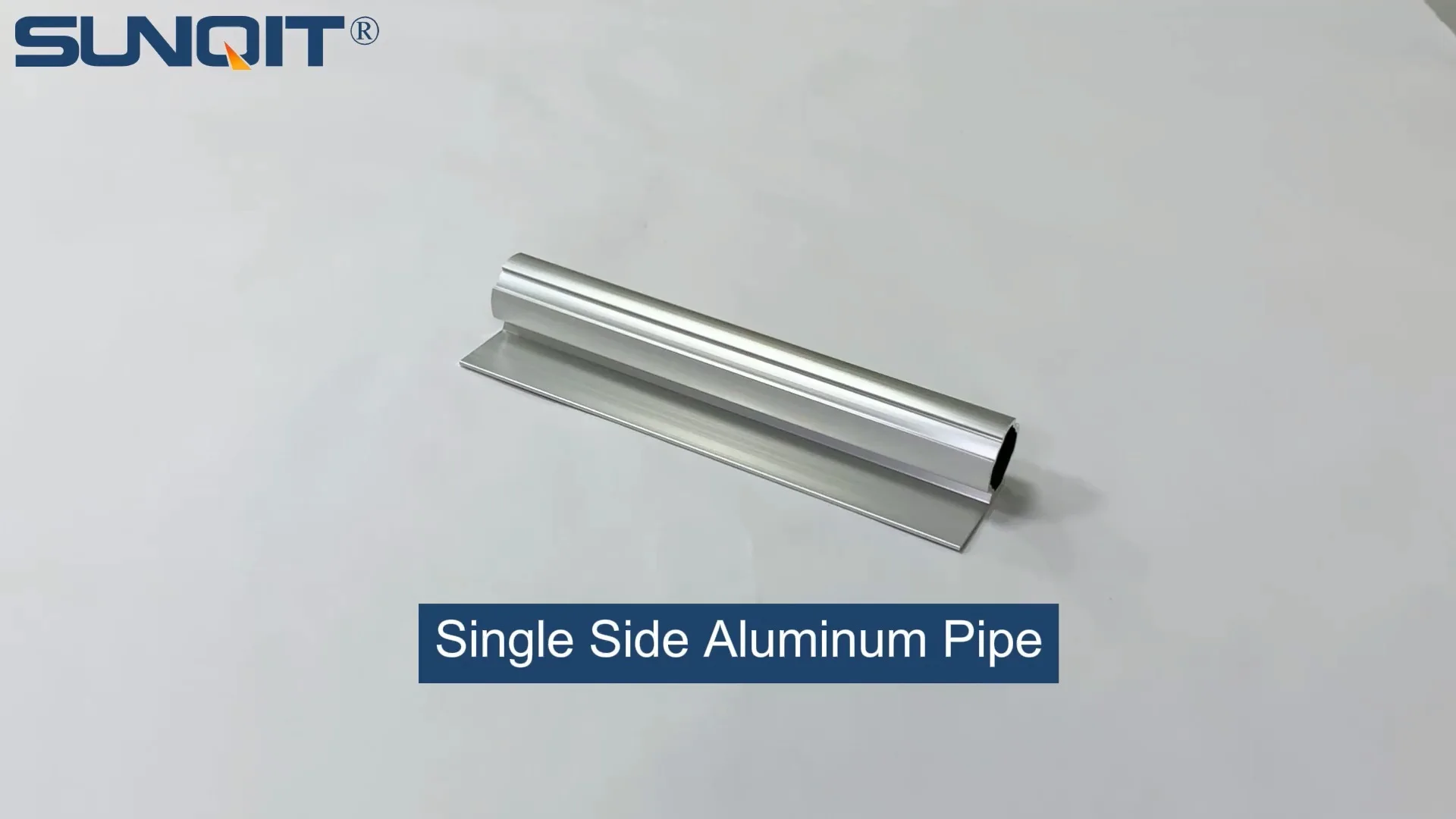
Single Side Aluminum Pipe
The single-sided plane can be installed with a back-mounted material box, and can also be used as a sidewall or partition.
If you've ever walked through a manufacturing floor, warehouse, or assembly line, you've probably noticed the unsung heroes keeping everything moving: the pipes, racks, and workbenches that form the backbone of material handling. In lean manufacturing, where efficiency, waste reduction, and continuous improvement are king, every component matters. And when it comes to building those critical structures—like lean pipe workbenches , flow racks, or conveyor systems—the choice between materials can make or break your operation's productivity. Today, we're diving deep into two popular options: single side aluminum pipe and plastic pipes. Which one holds up better over time? Which delivers the durability your lean system needs to thrive? Let's find out.
Why Durability Matters in Lean Systems
Lean systems are all about minimizing waste—whether that's time, materials, or downtime. When your material handling equipment fails, it's not just a broken pipe or a wobbly rack; it's production delays, missed deadlines, and frustrated teams. Imagine a flow rack in your assembly line that starts sagging under the weight of components, or a workbench that bends when you place heavy tools on it. Suddenly, your "lean" process grinds to a halt as you scramble to repair or replace parts. That's why durability isn't just a "nice-to-have"—it's the foundation of a reliable, efficient operation.
But durability isn't one-size-fits-all. It depends on your environment: Do you work with chemicals? Is the floor always damp? How much weight do your racks need to hold? And of course, there's the question of cost. Plastic pipes might seem cheaper upfront, but if they need replacing every year, are they really the better deal? On the flip side, aluminum might cost more initially, but if it lasts a decade, the math shifts. Today, we're putting single side aluminum pipe and plastic pipes head-to-head on the durability scale to help you make the right call for your lean system .
What Is Single Side Aluminum Pipe?
First, let's get to know single side aluminum pipe. You might have heard it called "aluminum lean pipe" or "t-slot aluminum pipe"—and for good reason. It's a lightweight yet sturdy material made from aluminum alloy, designed specifically for modular lean manufacturing setups. The "single side" refers to its unique profile: one side features a T-shaped slot that allows for easy attachment of accessories like brackets, connectors, and shelves. This design makes it incredibly versatile—you can build everything from simple workbenches to complex material racks without welding or heavy tools.
Aluminum's natural properties give it a head start in durability. It's corrosion-resistant (thanks to a thin oxide layer that forms on its surface), lightweight (so it's easy to install and reconfigure), and surprisingly strong for its weight. Manufacturers often treat it with anodization or powder coating to boost its wear resistance, making it even tougher against scratches, dents, and daily use. Whether you're using it in a dry warehouse or a slightly humid production area, single side aluminum pipe is built to stand up to the demands of a busy lean environment.

What Are Plastic Pipes in Lean Systems?
Plastic pipes, on the other hand, are a familiar sight in many lean setups—especially those just starting out or working with lighter loads. They're typically made from materials like PVC (polyvinyl chloride), PP (polypropylene), or ABS (acrylonitrile butadiene styrene). Like aluminum pipes, they're modular, using plastic joints and connectors to build structures like racks, trolleys, and workbenches. Their main selling points? Low upfront cost and ease of use. Plastic pipes are lightweight, flexible, and require minimal tools to assemble—no need for drills or heavy lifting equipment.
But here's the catch: not all plastic pipes are created equal. Some are reinforced with fiberglass for extra strength, while others are basic, thin-walled tubes. In lean systems, they're often used for light-duty applications—think small parts storage, temporary workstations, or environments where corrosion (from water or mild chemicals) is a concern. However, their durability can vary drastically based on the type of plastic, wall thickness, and how they're used. Over time, exposure to sunlight, heat, or heavy loads can take a toll, leading to cracks, warping, or even breakage.

Durability Showdown: Single Side Aluminum Pipe vs. Plastic Pipes
Now, let's get to the heart of the matter: how do these two materials stack up when it comes to durability? We'll break it down by key factors that matter most in a lean system.
1. Strength and Load Capacity
In any material handling setup, the ability to support weight without bending or breaking is non-negotiable. Let's start with single side aluminum pipe. Thanks to its metal composition and rigid profile, it boasts impressive tensile and compressive strength. A standard 28mm single side aluminum pipe can typically support static loads of 150-200 kg per linear meter—more than enough for heavy tools, bulk components, or stacked materials on a lean pipe workbench or flow rack. Even under dynamic loads (like when materials are sliding down a roller track), it maintains its shape and stability.
Plastic pipes, by contrast, struggle with heavy loads. PVC pipes, for example, have a much lower tensile strength (around 40-50 MPa, compared to aluminum's 60-80 MPa for alloys like 6063). A typical plastic pipe might only support 50-80 kg per linear meter before starting to sag. Over time, this sagging can get worse, leading to misaligned racks or unstable workbenches. If you're using plastic pipes for anything heavier than small parts or lightweight tools, you're risking failure—especially if the load is constant.
2. Wear and Tear Resistance
Lean systems are busy places. Pipes get bumped by forklifts, scraped by tools, and rubbed against by moving materials. How do aluminum and plastic hold up? Single side aluminum pipe, especially when anodized or powder-coated, is highly scratch and abrasion-resistant. The metal surface can take daily wear without showing signs of damage, and even if it does get a scratch, it won't compromise the pipe's structural integrity. The T-slot design also protects the slot from debris, ensuring accessories stay securely attached over time.
Plastic pipes are more prone to wear. Their smooth, non-metallic surface scratches easily—even from something as simple as dragging a box across a rack. These scratches can weaken the pipe over time, making it more susceptible to cracking. Some plastic pipes also "creep" under constant stress, meaning they slowly deform over months of use. If you've ever noticed a plastic rack that's slightly bent or a workbench that's no longer level, creep is likely the culprit.
3. Corrosion Resistance
Corrosion is the enemy of durability, especially in environments with moisture, chemicals, or humidity. Single side aluminum pipe has a built-in defense: aluminum oxide. When exposed to air, aluminum forms a thin, protective oxide layer that prevents further corrosion. This makes it ideal for use in damp warehouses, food processing plants (where washdowns are common), or even outdoor lean setups. For extra protection, many manufacturers offer aluminum pipes with additional coatings (like epoxy) for highly corrosive environments.
Plastic pipes are also corrosion-resistant—at first glance. PVC and PP don't rust, and they hold up well against water and mild chemicals. But here's the problem: UV exposure. Sunlight breaks down plastic over time, causing it to become brittle and crack (a process called "photooxidation"). Even indoor plastic pipes can degrade if they're near windows or bright lights. Additionally, some industrial chemicals (like strong solvents) can eat away at plastic, weakening it from the inside out. Aluminum, on the other hand, laughs off UV rays and most chemicals—making it the more reliable choice for long-term corrosion resistance.
4. Temperature Resistance
Manufacturing floors can get hot—really hot. Whether it's from machinery, ovens, or just summer heat, extreme temperatures can test a material's limits. Single side aluminum pipe handles heat like a champ. It has a melting point of around 660°C and retains its strength even at high operating temperatures (up to 150°C for short periods). In cold environments, it doesn't become brittle—aluminum remains ductile down to -40°C, so you won't have to worry about it shattering if accidentally hit in a freezing warehouse.
Plastic pipes are temperature-sensitive. PVC starts to soften at around 80°C—common in factories with heat-generating equipment. At higher temperatures, it can warp or even melt. In cold weather, plastic becomes rigid and brittle, making it prone to cracking on impact. If your lean system operates in a temperature-fluctuating environment, plastic pipes are a risky bet. One hot day or cold snap could spell disaster.
5. Impact Resistance
Accidents happen. A pallet jack backs into a rack, a tool slips off a workbench, or a box falls onto a pipe. How do aluminum and plastic react? Aluminum is ductile, meaning it bends rather than breaks. A moderate impact might dent it, but the pipe will still hold its structural integrity. You can often bend it back into shape or replace just the damaged section without rebuilding the entire structure.
Plastic pipes are brittle—especially if they're old or have been exposed to UV light. A hard impact can cause them to crack or shatter completely. Once a plastic pipe cracks, it's useless; you can't repair it—you have to replace the entire section. This not only costs money but also downtime as you disassemble and rebuild part of your lean system.
6. Longevity
Durability isn't just about withstanding the day-to-day—it's about how long the material lasts. Single side aluminum pipe has a lifespan of 10-15 years in most industrial environments. With proper maintenance (occasional cleaning, checking connectors), it can even last 20 years or more. Many lean system suppliers offer warranties of 5-10 years on aluminum pipe systems, a testament to their longevity.
Plastic pipes, unfortunately, have a much shorter lifespan. On average, they last 3-5 years before showing significant signs of wear (cracking, warping, sagging). In harsh environments (high heat, UV exposure, heavy loads), this can drop to 2-3 years. That means more frequent replacements, more downtime, and higher long-term costs—even if the upfront price is lower.
Comparison Table: Durability Factors
| Durability Factor | Single Side Aluminum Pipe | Plastic Pipes | Winner |
|---|---|---|---|
| Static Load Capacity (per linear meter) | 150-200 kg | 50-80 kg | Aluminum |
| Wear Resistance | High (scratch/abrasion-resistant) | Low (easily scratched, prone to creep) | Aluminum |
| Corrosion Resistance | Excellent (oxide layer + optional coatings) | Good (but degrades in UV/chemicals) | Aluminum |
| Temperature Range | -40°C to 150°C (retains strength) | -10°C to 80°C (softens/melts above 80°C) | Aluminum |
| Impact Resistance | Ductile (bends, doesn't shatter) | Brittle (cracks/shatters on impact) | Aluminum |
| Expected Lifespan | 10-15+ years | 3-5 years | Aluminum |

Real-World Applications: Case Studies
Numbers and specs tell part of the story, but real-world examples show how durability plays out in actual lean systems. Let's look at two case studies from manufacturers who made the switch from plastic to single side aluminum pipe.
Case Study 1: Automotive Parts Manufacturer
A mid-sized automotive parts manufacturer was using plastic pipes to build flow racks for engine components. Within two years, they noticed several issues: the racks were sagging under the weight of metal parts, plastic joints were cracking, and pipes near windows were becoming brittle from sunlight. They were replacing 20% of their plastic pipe structures annually, costing $15,000 in materials and downtime.
They switched to single side aluminum pipe for their flow racks and lean pipe workbenches . Five years later, the aluminum structures show no signs of sagging, corrosion, or wear. They've only needed to replace a few connectors (due to normal wear), totaling $800. Productivity improved too—no more delays from collapsed racks, and workers report the aluminum workbenches feel sturdier, reducing errors from unstable surfaces.
Case Study 2: Electronics Assembly Plant
An electronics plant used plastic pipes for static-sensitive workstations (ESD workbenches). They chose plastic for its low cost and assumed it would handle the light loads of circuit boards and small tools. However, after a year, the plastic pipes near the soldering stations started warping from the heat, causing the workbenches to tilt. Static control also deteriorated as the plastic aged, leading to more component failures.
Switching to aluminum pipes with ESD coatings solved both problems. The aluminum withstood the soldering heat, and the ESD coating remained effective over time. Three years later, the workstations are still level, and static-related defects dropped by 30%. The plant estimates the aluminum investment paid for itself in 18 months through reduced defects and maintenance.
Cost-Effectiveness: Beyond the Upfront Price Tag
We get it—plastic pipes are cheaper upfront. A 3-meter plastic pipe might cost $10-$15, while a single side aluminum pipe of the same length could be $30-$40. But durability affects long-term cost, and here's where aluminum shines. Let's do the math for a small lean system with 50 meters of pipe:
- Plastic Pipes: Initial cost = 50m x $12 = $600. Replacement every 3 years = $600 x 4 replacements (over 12 years) = $2,400. Total cost over 12 years: $2,400 + labor for replacements ($500/year x 12 years = $6,000) = $8,400.
- Single Side Aluminum Pipes: Initial cost = 50m x $35 = $1,750. Replacement every 15 years (so no replacement needed in 12 years). Labor for maintenance (minimal) = $500 total over 12 years. Total cost over 12 years: $1,750 + $500 = $2,250.
That's a savings of over $6,000 with aluminum over 12 years. When you factor in downtime from replacements, lost productivity, and potential damage to materials from failed plastic structures, the gap grows even wider. Aluminum isn't just more durable—it's more cost-effective in the long run.
Environmental Impact: Durability = Sustainability
In today's world, sustainability matters. Durable materials reduce waste, and single side aluminum pipe is a eco-friendly choice. Aluminum is 100% recyclable, and recycling it uses 95% less energy than producing new aluminum. Even at the end of its long lifespan, your aluminum pipes can be melted down and turned into new products—no waste sent to landfills.
Plastic pipes, by contrast, are rarely recycled in industrial settings. Most end up in landfills, where they take centuries to decompose. Even "recyclable" plastics like PVC are difficult to process and often downcycled into lower-quality products. Frequent replacements mean more plastic waste, making plastic pipes a less sustainable option for environmentally conscious lean system suppliers and manufacturers.
Choosing the Right Pipe for Your Lean System
So, when should you choose single side aluminum pipe, and when might plastic work? If your lean system involves heavy loads, high temperatures, constant use, or long-term reliability, aluminum is the clear winner. It's the best choice for lean pipe workbenches , flow racks, conveyor systems, and any structure that's critical to your operation.
Plastic pipes might work for temporary setups, very light loads (like small parts storage), or short-term projects where upfront cost is the only concern. But even then, ask yourself: Is saving $100 now worth risking a $1,000 production delay later? For most lean systems, the answer is no.
Conclusion: Durability Drives Lean Success
In the world of lean manufacturing, every component should add value—not create waste. Single side aluminum pipe delivers on durability, reliability, and long-term cost-effectiveness, making it the backbone of successful lean systems. Plastic pipes, while cheap upfront, fail to stand up to the demands of daily use, leading to downtime, replacements, and frustration.
When you invest in single side aluminum pipe, you're investing in your team's productivity, your product's quality, and your company's bottom line. It's not just a pipe—it's a foundation for lean success. So, the next time you're building or upgrading your lean system , choose durability. Choose aluminum.