- Company Articles
- Products and Technology
- Product knowledge
- Single Side Aluminum Pipe with Internal Rotational Joints: Boosting Assembly Flexibility

Single Side Aluminum Pipe with Internal Rotational Joints: Boosting Assembly Flexibility
Related Product
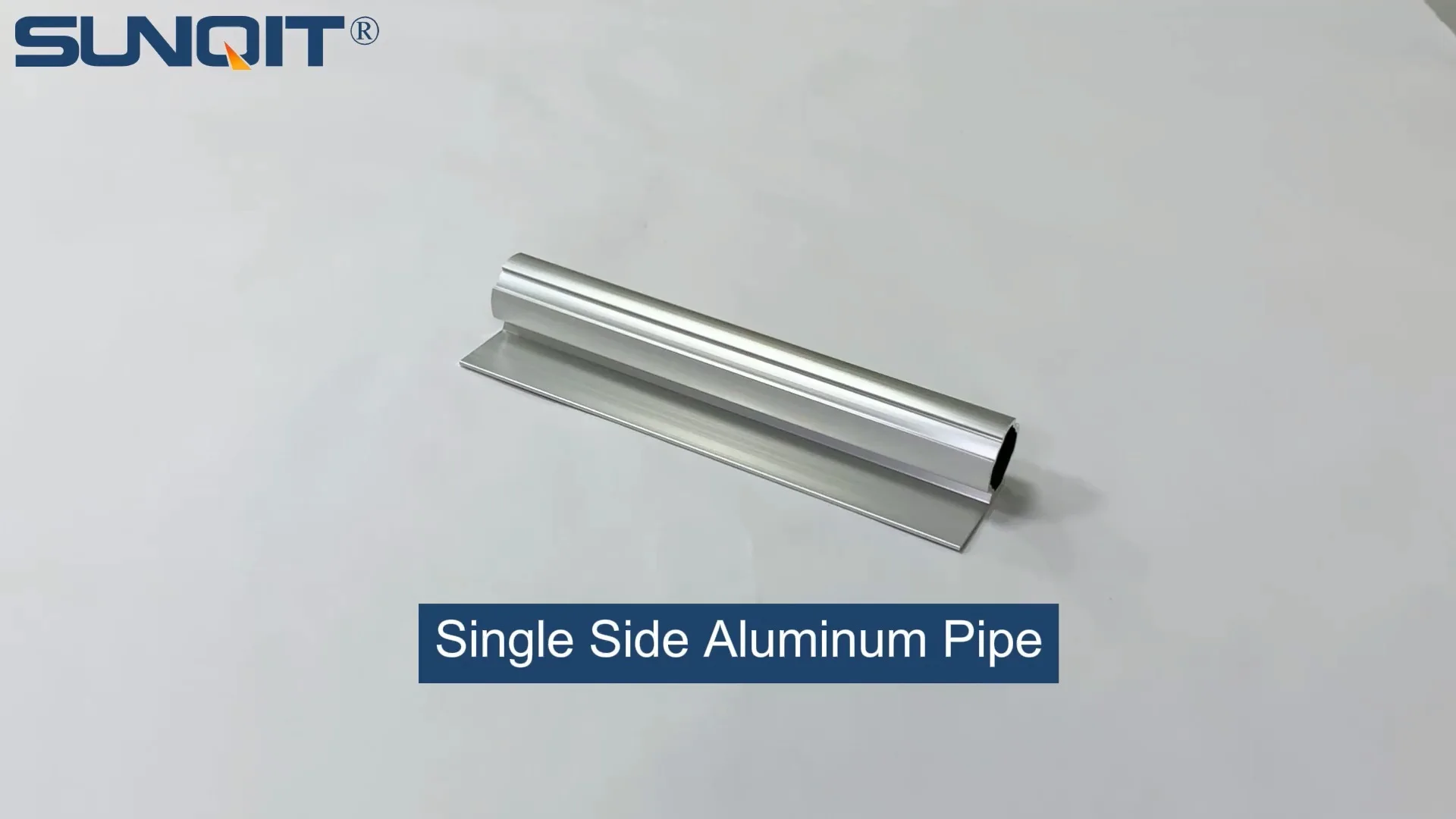
Single Side Aluminum Pipe
The single-sided plane can be installed with a back-mounted material box, and can also be used as a sidewall or partition.
In today's fast-paced manufacturing world, where production lines shift from one product to another in weeks (or even days), rigidity is the enemy. Picture this: a small electronics factory that just landed a contract for a new smartphone model. Their old assembly line, built with welded steel frames and fixed workbenches, takes three days to reconfigure. By the time they're ready, a competitor has already ramped up production. Sound familiar? For many manufacturers, the struggle to adapt quickly isn't just about keeping up—it's about staying in business. That's where flexible assembly systems come in, and at the heart of this revolution lies a deceptively simple tool: the single side aluminum pipe paired with internal rotational joints.
This isn't just about pipes and joints, though. It's about giving teams the power to shape their workspace around their needs, not the other way around. Whether you're running a lean system on a tight factory floor or setting up a modular workbench in a startup workshop, the right tools can turn chaos into clarity. Let's dive into how single side aluminum pipes with internal rotational joints are changing the game, one adjustable workbench and reconfigurable rack at a time.
What Are Single Side Aluminum Pipes and Internal Rotational Joints, Anyway?
Let's start with the basics. Single side aluminum pipes are exactly what they sound like: lightweight, durable tubes made from high-grade aluminum, designed with a focus on versatility. Unlike traditional steel pipes, they're easy to handle—you won't need a team of to move them around—and they resist corrosion, which is a big win in environments where moisture or chemicals are present. But what really makes them stand out is how they pair with internal rotational joints.
Internal rotational joints are the unsung heroes here. These small, precision-engineered components connect the aluminum pipes, but with a twist: they rotate. Not just a little nudge, either—we're talking smooth, 360-degree movement that lets you adjust angles, heights, and configurations on the fly. Think of them as the "elbows" of your assembly system, but ones that never lock into place permanently. Need to tilt a workbench surface for better ergonomics? Rotate the joint. Want to reposition a material rack to feed parts to a new machine? Twist the pipe, lock it in, and you're done. No welding, no drilling, no waiting for maintenance crews.
And let's not forget the accessories. Aluminum profile accessories like casters, roller tracks, and end caps turn these pipes into full-fledged systems. A single side aluminum pipe isn't just a pipe—it's the backbone of a workbench, a material rack, or even a mobile trolley, all rolled into one. That's the beauty of modular design: you start with the basics and build up as your needs change.
The Problem with "Set It and Forget It" Assembly Systems
For decades, manufacturing relied on rigid setups. You built a workbench once, bolted it to the floor, and that was it. If a new product came along that needed a taller surface or a wider workspace, you either lived with inefficiencies or spent thousands on a new setup. It was like buying a suit that only fits one occasion—great for that wedding, but useless when you need to dress for a job interview.
Take, for example, a traditional steel workbench. It's sturdy, sure, but try adjusting its height. You'd need a wrench, maybe a cutting tool, and half a day of downtime. By the time you're done, your team has fallen behind on production targets. And if you need to move it? Good luck—those steel frames weigh a ton, even empty. Then there are the material racks. Fixed shelving might work for one product line, but if your next product has taller components, suddenly you're wasting vertical space or cramming parts where they don't fit, leading to jams and delays.
Even plastic systems, while lighter, often lack the durability needed for heavy-duty manufacturing. They bend under weight, crack in extreme temperatures, and their joints wear out quickly with frequent adjustments. So what's the alternative? Enter the single side aluminum pipe with internal rotational joints—a system built for change.

How This System Boosts Flexibility (and Why That Matters)
Flexibility isn't just a buzzword here—it's measurable. Let's break down the ways single side aluminum pipes and internal rotational joints make assembly lines smarter, faster, and more adaptable.
1. Tool-Free Adjustments: Time Is Money
Imagine a scenario: your team needs to reconfigure a workbench to accommodate a new component that's 6 inches taller than the last. With a traditional setup, that might involve unbolting the entire frame, sawing the legs, and re-welding them. That's a full day's work, minimum. With internal rotational joints? Loosen a few knobs, rotate the aluminum pipes to the new height, tighten them back up, and you're ready in 15 minutes. That's 7.75 hours of saved time—time your team can spend building products instead of rebuilding workbenches.
Internal rotational joints are designed for quick changes. Their locking mechanisms are intuitive—even a new hire can figure them out in minutes. No special training, no fancy tools. Just a simple twist and click, and your setup is good to go. This isn't just about speed, either. It's about empowering your team to solve problems on the spot. If a worker notices that a material rack is causing them to stretch awkwardly, they can adjust it themselves, right then and there. No waiting for a supervisor or maintenance request. That kind of autonomy boosts morale, too—people feel valued when they can shape their workspace to work better for them.
2. Modular Design: Build What You Need, When You Need It
Modularity is the name of the game. Single side aluminum pipes and internal rotational joints are like building blocks for adults. Need a small workbench for prototype assembly? Connect a few pipes with joints, add a tabletop, and you're done. Six months later, when you scale up production, add more pipes to widen the surface or stack on a second level for storage. No need to buy a whole new bench—just expand the one you have.
This modularity shines in lean system environments, where waste reduction is key. Instead of stockpiling extra workbenches "just in case," you can repurpose existing components. A material rack that's no longer needed for one line can be disassembled and rebuilt as a trolley for another. Aluminum is lightweight, so even full disassembly takes just a couple of people and a dolly. It's sustainability in action—less waste, less cost, and less clutter on your factory floor.
3. Durability That Keeps Up with Your Workload
You might be thinking: "If it's lightweight, it must be flimsy." Not with aluminum. High-grade aluminum lean pipe is surprisingly strong—strong enough to support heavy tools, bins of parts, and even small machinery. And because it's corrosion-resistant, it holds up in environments with moisture, oils, or chemicals—no rust, no degradation, no need for frequent replacements.
Internal rotational joints are built to last, too. Made from hardened aluminum or steel, their rotating mechanisms are designed for thousands of adjustments without wearing out. Compare that to plastic joints, which can crack after just a few twists. Even the accessories, like caster wheels and roller tracks, are built for heavy use. A well-maintained aluminum system can last a decade or more, making it a smart long-term investment.

Real-World Impact: How One Factory Cut Downtime by 60%
Let's put this into perspective with a real example (names changed for privacy). PrecisionTech, a mid-sized electronics manufacturer, was struggling with frequent product changes. Their old assembly line used steel workbenches and fixed material racks, and reconfiguring for new phone models took 48 hours of downtime—time they couldn't afford in a market where competitors launched new devices every quarter.
They decided to switch to single side aluminum pipes with internal rotational joints. The first test? Reconfiguring three workbenches and two material racks for a new smartphone model. With the old system, this would have meant: unbolting the steel frames, cutting and welding new supports, repainting to prevent rust, and testing stability. Total time: 2 days, with a team of three maintenance workers.
With the new aluminum system? Two workers, no special tools, and just 4 hours. They adjusted the workbench heights using internal rotational joints, repositioned the material racks by rotating the pipes, and added roller tracks to speed up part feeding. The result? Downtime dropped from 48 hours to 4, and production targets were met ahead of schedule. Six months later, PrecisionTech had expanded the system to cover their entire assembly floor, and they reported a 25% increase in on-time deliveries and a 15% reduction in worker fatigue (thanks to ergonomic adjustments made possible by the rotating joints).
This isn't an isolated case. From automotive parts suppliers to medical device manufacturers, companies are seeing similar results. Flexibility isn't just about adapting to change—it's about turning change into a competitive advantage.

Traditional vs. Aluminum: A Side-by-Side Comparison
| Feature | Traditional Steel Systems | Single Side Aluminum Pipe with Internal Rotational Joints |
|---|---|---|
| Setup/Reconfiguration Time | 2–3 days (requires welding/drilling) | 1–4 hours (tool-free adjustments) |
| Weight (per 6ft section) | 30–40 lbs (hard to move) | 8–12 lbs (easy to handle) |
| Durability | High, but prone to rust | High, corrosion-resistant |
| Flexibility | Fixed (limited adjustments) | Unlimited (360° rotations, modular design) |
| Cost Over Time | High (frequent replacements, downtime) | Low (long lifespan, repurposable components) |
| Ergonomics | Poor (fixed heights/angles) | Excellent (adjustable for worker comfort) |
Accessories That Take Flexibility to the Next Level
A single side aluminum pipe is powerful on its own, but it's the accessories that turn it into a complete solution. Let's explore some of the most game-changing add-ons:
Caster Wheels: Mobility When You Need It
Add casters to your aluminum frame, and suddenly your workbench becomes a mobile workstation. Need to move it closer to a machine? Lock the brakes, push, and you're there. Casters with brakes keep everything stable during use, and heavy-duty options can handle loads up to 500 lbs. It's perfect for teams that need to reposition workstations throughout the day.
Roller Tracks: Smooth Material Flow
Roller tracks attach to aluminum pipes to create gravity-fed material racks. Parts glide smoothly from upper shelves to lower ones, reducing the need for workers to bend or reach. They're ideal for lean systems, where minimizing movement equals maximizing efficiency. Plus, with internal rotational joints, you can angle the tracks for faster or slower flow—no more jams from parts moving too quickly or bottlenecks from moving too slowly.
Aluminum Profile Accessories: The Finishing Touches
From end caps that protect pipe edges to brackets that hold tools, aluminum profile accessories add functionality without bulk. Need to mount a monitor on your workbench? Use a bracket. Want to organize small parts? Add a pegboard panel. These accessories are designed to fit seamlessly with single side aluminum pipes, so you never have to worry about compatibility issues.
Why Aluminum? The Material That Checks All the Boxes
Aluminum isn't just lightweight—it's the perfect material for flexible assembly systems. Here's why:
- Strength-to-Weight Ratio: Aluminum is 1/3 the weight of steel but still strong enough for heavy loads. This makes assembly and reconfiguration a breeze, even for small teams.
- Corrosion Resistance: Unlike steel, aluminum doesn't rust. It forms a natural oxide layer that protects against moisture, chemicals, and UV rays—ideal for factories, warehouses, and even outdoor use.
- Recyclability: Aluminum is 100% recyclable, making it an eco-friendly choice. When you're done with a component, you can melt it down and reuse it—no waste, no guilt.
- Precision: Aluminum extrusion profile is manufactured to tight tolerances, ensuring that pipes and joints fit together perfectly every time. No wobbling, no gaps, just a stable system.
Compare that to steel, which is heavy and prone to rust, or plastic, which lacks strength. Aluminum hits the sweet spot between durability, flexibility, and cost, making it the obvious choice for modern manufacturing.
Getting Started: How to Implement Single Side Aluminum Pipes in Your Facility
Ready to make the switch? Here's a step-by-step guide to getting started:
1. Assess Your Needs
Start by mapping your current workflow. What are your biggest pain points? Is it reconfiguration time? Lack of mobility? Ergonomic issues? Jot down what works and what doesn't, then think about how a flexible system could solve those problems.
2. Start Small, Then Scale
You don't have to overhaul your entire facility at once. Start with one workbench or material rack. Test it, see how your team adapts, and make adjustments before expanding. This minimizes risk and helps you learn the ropes without disrupting production.
3. Train Your Team
The beauty of aluminum systems is their simplicity, but a quick training session goes a long way. Show your team how to adjust internal rotational joints, attach accessories, and safely move mobile setups. Empower them to make small adjustments on their own—they'll take ownership and find even more ways to improve the system.
4. Partner with a Reputable Supplier
Not all aluminum pipes and joints are created equal. Look for a supplier that specializes in lean system components, offers custom design help, and provides responsive customer support. A good supplier will help you choose the right pipes, joints, and accessories for your needs, ensuring your system works as hard as your team does.
Final Thoughts: Flexibility as Your Competitive Edge
In manufacturing, the only constant is change. Products evolve, customer demands shift, and new technologies emerge. To keep up, you need tools that evolve with you. Single side aluminum pipes with internal rotational joints aren't just tools—they're a mindset. They say, "We're ready for whatever comes next."
From reducing downtime to improving ergonomics, from cutting costs to boosting morale, the benefits are clear. PrecisionTech isn't an anomaly—they're a preview of what's possible when you build your workspace around flexibility. So why stick with a system that holds you back? It's time to let go of rigidity and embrace a setup that moves as fast as your business does.
After all, in a world where adaptability is everything, the most flexible factory isn't just the most efficient—it's the one that wins.