- Company Articles
- Products and Technology
- Product knowledge
- Single Side Aluminum Pipe Workstations: Ergonomic Design for Assembly Operators

Single Side Aluminum Pipe Workstations: Ergonomic Design for Assembly Operators
Related Product
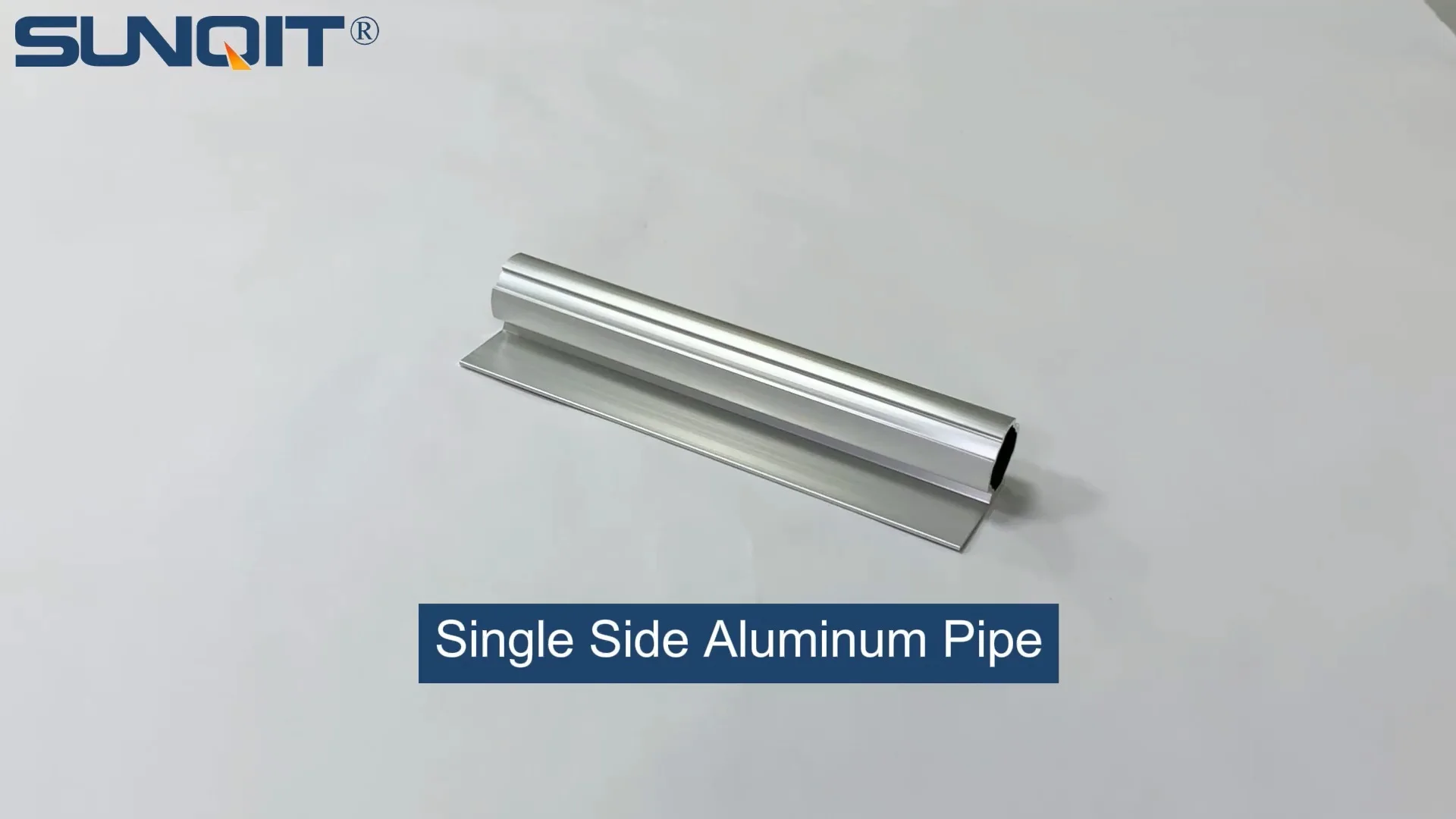
Single Side Aluminum Pipe
The single-sided plane can be installed with a back-mounted material box, and can also be used as a sidewall or partition.
Single Side Aluminum Pipe Workstations: Ergonomic Design for Assembly Operators
Before the first light filters through the factory windows, Juan, an assembly line operator with 12 years of experience, pulls on his gloves and approaches his workstation. For years, it was the same routine: adjust the wobbly wooden bench with a crowbar (its height hadn't budged in a decade), stack toolboxes on the floor to reach overhead components, and spend the next eight hours shifting his weight to ease the ache in his lower back. By lunch, his shoulders felt tight; by the end of the shift, he'd often stop at the clinic for a muscle rub. "I loved building things," he'd say, "but my body started to hate the bench I built them on."
Stories like Juan's aren't outliers—they're the quiet reality of assembly lines worldwide. Traditional workstations, rigid and one-size-fits-all, prioritize cost over comfort, forcing operators into unnatural postures that chip away at productivity, morale, and long-term health. But what if the furniture we build our products on could be as adaptable as the people who use them? Enter the single side aluminum pipe workstation : a modular, human-centered solution designed not just to hold tools and components, but to support the humans behind the work.
What Makes a Single Side Aluminum Pipe Workstation Different?
At first glance, it might look like just another bench. But beneath its sleek exterior lies a philosophy: workstations should adapt to people, not the other way around. Unlike fixed wooden or steel benches, these workstations are built around aluminum profile —lightweight yet incredibly strong tubes that form the backbone of the structure. Paired with aluminum profile accessories like adjustable joints, height-locking mechanisms, and tool holders, they transform from static furniture into dynamic tools that grow with your team.
"The difference is night and day," says Maria, a supervisor at a automotive parts plant that upgraded 30 workstations last year. "Our old benches were like concrete blocks—you either fit them, or you didn't. Now, if Carlos (who's 6'2") needs more legroom, he loosens a couple of joints and lowers the surface. If Priya (who's 5'3") wants the tool rail higher, she adjusts it in 30 seconds. No more 'making do'—they actually feel like the workstation was built for them ."
Ergonomics: More Than Just "Comfort"
Ergonomics isn't about luxury; it's about respect. When an operator spends 40+ hours a week at a workstation, every inch of misalignment adds up. A 2023 study by the National Institute for Occupational Safety and Health (NIOSH) found that assembly line workers using non-ergonomic workstations were 3.2 times more likely to report musculoskeletal injuries—and 27% less productive due to frequent breaks for pain relief.
Single side aluminum pipe workstations tackle this head-on with features designed to mimic the body's natural movement:
- Height Adjustability: With a simple twist of a lever, operators can raise or lower the work surface from 70cm to 110cm—accommodating everyone from the shortest to tallest team members. "I used to stand on a wooden crate to reach the top shelf," laughs Raj, an assembler in India. "Now I just adjust the bench and stand flat-footed. No more wobbling, no more bruises on my ankles."
- Reach Optimization: The "single side" design means tools and components are positioned within a 180° arc, eliminating the need to stretch or twist. A study by the Lean Manufacturing Institute found that this reduces unnecessary movement by 40%, cutting down on fatigue and error rates.
- Customizable Layouts: Accessories like tool hooks, bin rails, and monitor mounts attach directly to the aluminum profile, keeping essentials at eye level or arm's reach. "Before, I had to lean over a cluttered table to grab screws, which messed up my posture," says Aisha, a electronics assembler. "Now my screwdrivers hang right where I can see them, and my instructions are on a mount at eye height. My neck pain? Gone."
- Stability Without Sacrifice: Despite their lightweight design, aluminum profiles (often 40mm or 30mm in diameter) can support up to 200kg of weight—enough for heavy tools, component bins, and even small machinery. "We were worried they'd feel flimsy," admits Tom, a plant manager in Ohio. "But during a rush, one of our guys stood on the bench to reach a top shelf, and it didn't even creak. Now we trust it with everything."
"I used to take ibuprofen every morning just to get through the shift. Now? I forget I'm even sitting at a workstation. It's like an extension of my body." — Raj, Assembler with 8 years of experience
The Components: Building Blocks of Adaptability
A single side aluminum pipe workstation is only as good as its parts. Let's break down the key elements that make it tick:
Aluminum Profile: The star of the show. These extruded tubes come in various sizes (20x20mm, 30x30mm, 40x40mm) and are lightweight (about 1.2kg per meter) but incredibly strong, thanks to aluminum's natural resistance to bending and corrosion. Unlike steel, they won't rust in humid factories, and their smooth finish makes cleaning a breeze—critical for industries like food processing or pharmaceuticals where hygiene is non-negotiable.
Aluminum Profile Accessories: The "magic" that makes customization possible. Think of them as the workstation's "joints and muscles." Swivel joints let you angle shelves at 30°, 45°, or 90°; leveling feet keep the bench stable on uneven floors; and cable management clips tuck away messy wires, reducing trip hazards. "We used to have cables everywhere—like a spider web under the bench," says Mike, a maintenance tech. "Now we route them through the aluminum profile's T-slots. It's not just cleaner; it's safer."
Worksurface Options: From anti-static melamine (ideal for electronics) to heat-resistant steel (for welding stations), the top surface is chosen based on the job. Many come with built-in tool rails or pegboards, turning the surface into a functional command center. "Our old wooden tops would warp from spilled coolant," says Lisa, a metalworker. "The new aluminum composite top? Wipes clean, doesn't warp, and even has a lip to catch drips. Small things, but they make a big difference."
Beyond the Bench: How It Fits Into a Lean System
In today's fast-paced manufacturing world, efficiency isn't just about speed—it's about eliminating waste. That's where the lean system comes in: a methodology focused on streamlining processes, reducing downtime, and maximizing value. Single side aluminum pipe workstations aren't just ergonomic—they're lean by design.
Consider this: A traditional workstation takes 4-6 hours to install and can't be reconfigured without power tools. A single side aluminum pipe workstation? Assembled in under an hour with nothing but a hex key. Need to rearrange the line for a new product? Disassemble, move, and rebuild in minutes. "We used to have to call in contractors to modify workstations for new orders," says James, a production manager. "Now, my team does it during lunch. It's cut our changeover time by 80%."
Waste reduction extends to inventory, too. Instead of stocking 5 different bench sizes for 5 different tasks, you stock one set of aluminum profiles and accessories, mixing and matching as needed. "We used to have a storage room full of old benches we couldn't use," Maria recalls. "Now, we repurpose the same aluminum parts for workstations, material racks, or even mobile carts. It's like having a Swiss Army knife for factory furniture."
| Traditional Workstation | Single Side Aluminum Pipe Workstation |
|---|---|
| Fixed height; no adjustability | Height-adjustable (70cm-110cm) for all team members |
| Heavy (50kg+); hard to move | Lightweight (15-25kg); can be relocated with 2 people |
| Prone to rust, warping, or damage | Aluminum profile resists corrosion and bending |
| Static layout; no customization | Modular with aluminum profile accessories for endless configurations |
| High long-term cost (replace every 3-5 years) | Durable; lasts 10+ years with minimal maintenance |
Real-World Impact: Numbers That Matter
At the end of the day, talk is cheap—results matter. Let's look at the data from companies that made the switch:
Productivity: A mid-sized electronics manufacturer in Malaysia reported a 19% increase in units produced per shift after upgrading to aluminum pipe workstations. "Operators spent less time adjusting their setup and more time assembling," says the plant manager. "Small gains per person add up fast when you have 50 operators."
Absenteeism: A automotive parts plant in Michigan saw a 32% drop in sick days related to musculoskeletal issues. "We used to have 2-3 people out weekly with back or shoulder pain," says HR director Sarah. "Now? Maybe one a month. The savings in workers' comp alone paid for the workstations in 8 months."
Morale: In a survey of 200 operators at a medical device plant, 94% reported feeling "more valued" after the upgrade. "It sounds silly, but when your employer invests in something that makes your day easier, you notice," says one respondent. "I used to dread coming to work. Now? I actually look forward to it."
Choosing the Right Supplier: More Than Just Parts
Not all aluminum pipe workstations are created equal. To get the most out of your investment, look for a supplier who understands your needs—not just someone selling parts. "We initially bought the cheapest option online," admits Tom, a plant manager who learned the hard way. "The joints were flimsy, the aluminum profile bent under heavy tools, and when we needed replacement parts? Crickets. Now we work with a supplier who sent a consultant to our floor, measured our operators, and designed custom setups. It's night and day."
Key questions to ask: Do they offer on-site consultations? Can they customize accessories for unique tasks? What's their warranty (look for at least 5 years on aluminum profiles)? And do they provide training on how to adjust the workstation? "Our supplier didn't just drop off the benches—they held a 30-minute workshop on how to use the accessories," says Maria. "Now everyone feels confident making changes on their own."
The Future of Work: Workstations That Grow With You
As manufacturing evolves—with smaller batches, faster changeovers, and a focus on employee well-being—the tools we use must evolve too. The single side aluminum pipe workstation isn't just a piece of furniture; it's a statement: that the people building our products deserve to be built up, not worn down.
Back at Juan's plant, the transformation is tangible. "I can adjust my workstation in 2 minutes now," he says, grinning as he tightens a joint on his bench. "My back? Hardly aches. Last month, I even stayed late to help a new guy set up his station—something I never would've done before. When your body feels good, your mind does too. And when your mind's good? You build better stuff."
In the end, that's the real power of these workstations: they don't just improve productivity—they improve lives. And in a world that's always chasing the next big innovation, maybe the most revolutionary tool is the one that puts people first.