- Company Articles
- Products and Technology
- Product knowledge
- Size Customization of T Slot Aluminum Pipe: Tailored to Your Needs

Size Customization of T Slot Aluminum Pipe: Tailored to Your Needs
Related Product
T Slot Aluminum Pipe
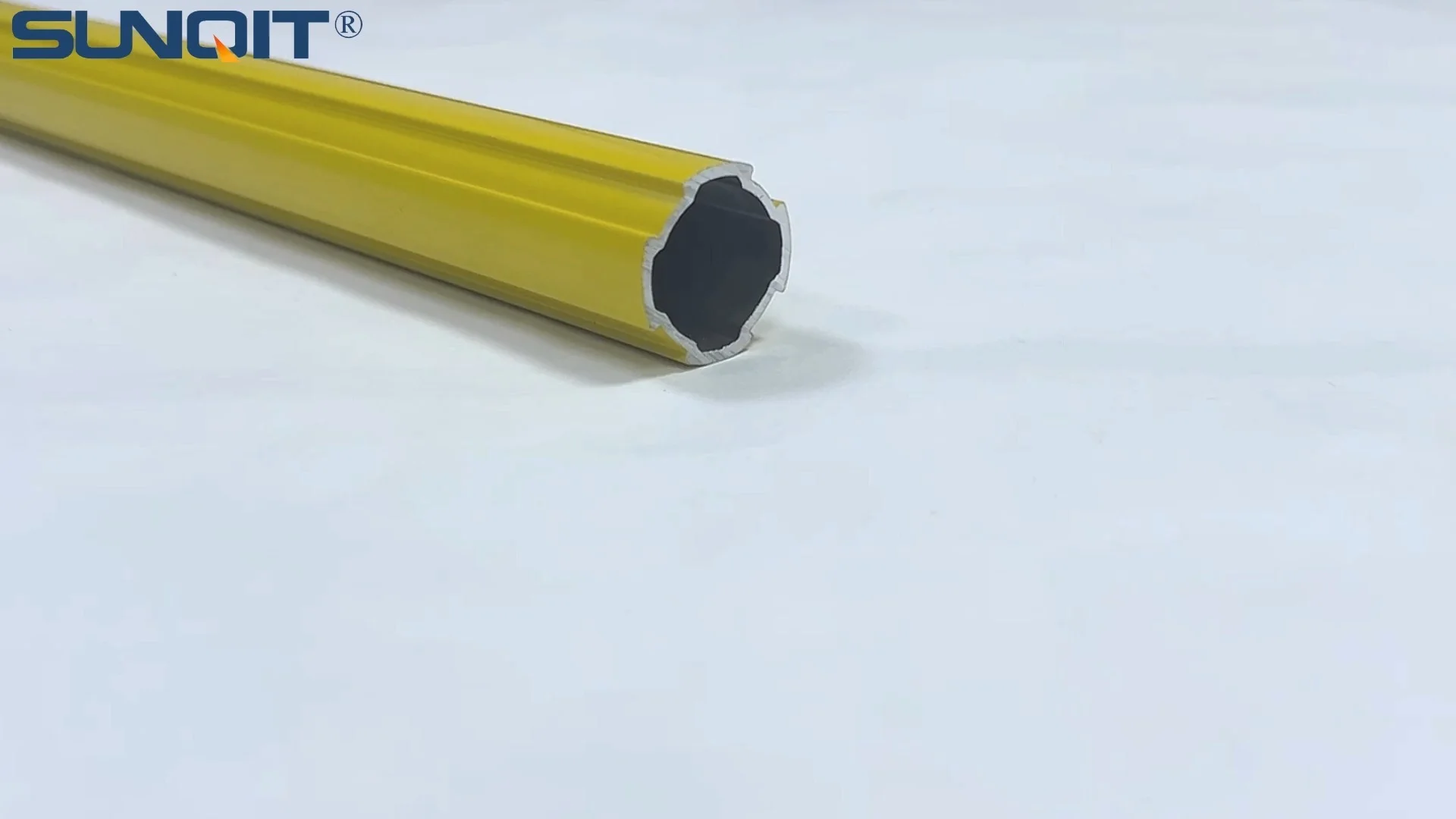
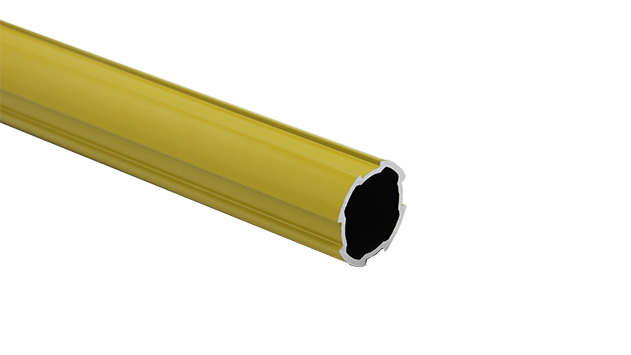
Aluminum pipe, it is used for workbench, flow rack,hand trolley assemble work with advantage of flexible and durable, yellow color makes it more attactive as a caution remind.
Walk into any manufacturing facility, workshop, or even a modern office, and you'll likely spot structures that seem to blend strength, flexibility, and precision seamlessly—workbenches that fit perfectly into tight corners, material racks that align with specific storage needs, or conveyors that snake through production lines with barely a wasted inch. More often than not, these unsung heroes of efficiency are built with one key component: T slot aluminum pipe. But what makes them truly indispensable isn't just their durability or versatility—it's the ability to customize their size to fit your unique space, workflow, and goals. In a world where "one-size-fits-all" solutions often lead to clunky inefficiencies, T slot aluminum pipe size customization isn't just a luxury; it's the bridge between a generic setup and a workspace that feels like it was designed for you .
What Are T Slot Aluminum Pipes, Anyway?
Before diving into customization, let's start with the basics. T slot aluminum pipes—also known as aluminum extrusion profiles—are long, hollow tubes made from aluminum alloy, characterized by a T-shaped groove (the "T slot") running along their length. This groove isn't just a design quirk; it's the secret to their adaptability. It allows for easy attachment of accessories like brackets, connectors, panels, and shelves without welding or drilling. Think of them as the building blocks of a modular system, where you can mix, match, and reconfigure components to create everything from simple workbenches to complex automated systems.
Unlike rigid steel pipes or one-off wooden structures, T slot aluminum pipes are lightweight yet surprisingly strong (thanks to aluminum's high strength-to-weight ratio). They're resistant to corrosion, easy to clean, and compatible with a vast array of aluminum profile accessories—from end caps that protect edges to corner brackets that reinforce joints. But what truly sets them apart is their malleability in size. While standard lengths (like 1m, 2m, or 3m) work for many projects, the magic happens when you can tweak their dimensions to fit spaces that standard sizes can't reach.
Why Size Customization Matters: It's Personal
Imagine a small electronics assembly shop with limited floor space. The owner orders a standard workbench, only to find it's 6 inches too wide to fit between two existing machines. They're forced to either rearrange the entire layout (costing time and money) or settle for a bench that juts awkwardly into the walkway, slowing down workers. Now, picture that same shop using a custom-sized T slot aluminum pipe frame—trimmed to exactly 120cm wide instead of the standard 150cm. Suddenly, the workbench slides into place, workers move freely, and productivity gets a noticeable boost. That's the power of customization: it turns "almost right" into "perfectly tailored."
Size customization isn't just about fitting into spaces, though. It's about aligning with human ergonomics, too. A workbench that's too tall forces workers to hunch; too short, and they strain their backs. With custom height options, you can set the surface at 90cm for standing workstations or 75cm for seated tasks, reducing fatigue and injury risks. For material racks, custom depth ensures that bins and boxes don't overhang (causing spills) or underutilize space (wasting storage). Even in conveyor systems, custom pipe lengths mean you can design a path that follows the natural flow of your production line, minimizing bottlenecks and keeping materials moving smoothly.
The Customization Process: From Idea to Reality
So, how does T slot aluminum pipe size customization actually work? It's not as complicated as you might think, but it does require a bit of collaboration between you and your supplier. Here's a step-by-step breakdown of what to expect:
1. Consultation: "What Do You Need?"
It all starts with a conversation. A good supplier will ask questions like: What are you building? (A workbench? A conveyor? A storage rack?) What are the dimensions of your space? (Length, width, height restrictions?) What weight will it need to support? (Light tools? Heavy machinery parts?) Are there specific workflow requirements? (Do materials need to slide, stack, or hang?) The more details you provide, the more precise the customization. For example, if you're building a workbench for assembling small circuit boards, you might need a narrower depth (60cm instead of 80cm) to keep tools within arm's reach. If it's a material rack for large automotive parts, you might need extra-tall vertical pipes (3m) to maximize vertical storage.
2. Design: Turning Needs into Dimensions
Once your needs are clear, the supplier will translate them into technical specifications. This often involves CAD (Computer-Aided Design) drawings, where they'll outline the exact length, width, and height of each T slot aluminum pipe. They'll also consider how the pipes will connect—using aluminum profile accessories like 90° connectors for corners or parallel brackets for reinforcing horizontal beams. For example, if you need a workbench with a shelf halfway up, the vertical pipes will be split into two custom lengths: one from the floor to the shelf, and another from the shelf to the top. The goal here is to ensure every pipe is cut to the exact size needed, so there's no waste and no gaps.
3. Prototyping: Testing Before Full Production
For complex projects, a prototype might be the next step. This is especially useful if you're unsure about a specific dimension—say, the height of a conveyor or the depth of a rack. The supplier will cut a small batch of custom pipes, assemble a mini-version of your structure, and let you test it in your space. You might realize, for example, that the conveyor's incline is too steep, requiring longer pipes to flatten it out, or that the workbench's depth is too narrow to fit your tools. Prototyping saves time and money by catching these issues early, before full production.
4. Production: Precision Cutting for a Perfect Fit
Once the design is finalized, production begins. T slot aluminum pipes are cut using high-precision saws or CNC machines, ensuring accuracy down to the millimeter. Unlike DIY cutting (which can leave rough edges or uneven lengths), professional cutting ensures clean, smooth ends that fit seamlessly with accessories. After cutting, pipes may be deburred (to remove sharp edges) or anodized (for extra corrosion resistance, if needed). The result? Pipes that feel like they were made for your project—because they were.

Key Considerations for Size Customization
Customizing T slot aluminum pipe size isn't just about picking a length and calling it a day. There are a few factors to keep in mind to ensure your final structure is safe, functional, and built to last:
Material Thickness: Strength vs. Weight
Aluminum pipes come in different wall thicknesses (e.g., 1.2mm, 1.5mm, 2.0mm). Thicker walls mean more strength, but also more weight and cost. For light-duty use (like a small workbench), 1.2mm might suffice. For heavy-duty applications (like a rack holding 50kg per shelf), 2.0mm is better. When customizing size, your supplier can help you choose the right thickness to match the pipe's length and intended load. A longer pipe, for example, may need a thicker wall to prevent bending under weight.
Accessory Compatibility: Don't Overlook the Small Parts
Custom-sized pipes need to work with your aluminum profile accessories. For example, if you're using T slot end caps, the pipe's outer diameter must match the cap's size. Similarly, brackets and connectors are designed for specific pipe widths (e.g., 20mm, 30mm, 40mm). A good supplier will ensure your custom pipes are compatible with the accessories you plan to use, or recommend alternatives if needed. It's a small detail, but it can make or break how easily you can assemble and reconfigure your structure later.
Space and Workflow: Measure Twice, Cut Once
This might sound obvious, but it's worth repeating: measure your space carefully. A pipe that's 1cm too long can throw off an entire assembly, especially in tight areas. Consider not just the static dimensions (e.g., the length of the wall) but also dynamic factors: Will workers need to walk around the structure? Will equipment need to be moved near it later? For example, a material rack that fits perfectly today might block a door when you add a new machine next month. Leave a little wiggle room, but don't overdo it—wasted space defeats the purpose of customization.
| Application | Standard Size Range (mm) | Common Custom Size Needs | Recommended Accessories |
|---|---|---|---|
| Workbenches | Length: 1000-3000; Width: 600-1200; Height: 750-900 | Narrow width (400-500mm) for tight spaces; Adjustable height (700-1000mm) for ergonomics | Aluminum honeycomb panels, ESD mats, swivel casters |
| Material Racks | Length: 1500-2000; Depth: 400-800; Height: 1800-2000 | Extra height (2500mm+) for vertical storage; Custom shelf spacing (150-300mm) for odd-sized items | Roller tracks, dividers, label holders |
| Conveyor Systems | Length: 2000-5000; Width: 300-600 | Curved sections (custom radius); Incline/decline angles (5-30°) | Roller track connectors, drive motors, guide rails |
| Machine Guards | Height: 1000-1500; Width: 500-1000 | Custom cutouts for access doors; Variable height (800mm for low machines) | Mesh panels, hinges, magnetic latches |
Case Study: How Custom T Slot Pipes Transformed a Small Electronics Workshop
Let's meet Alex, the owner of a small electronics repair shop in Chicago. Alex's workshop was cramped—just 200 sq ft—with a mishmash of secondhand workbenches: one too tall, one too wide, and none with built-in storage for tools or parts. "I was constantly tripping over things," Alex recalls. "The tall bench made my back ache, and the wide one blocked the door. I needed something that fit the space, not the other way around."
After researching options, Alex turned to a T slot aluminum pipe supplier specializing in customization. They measured the shop meticulously: 3.5m along the back wall, 2.2m along the side, and a narrow 1.2m gap between the door and a storage closet. The goal? A U-shaped workbench setup with a main bench along the back wall, a smaller bench on the side, and a shelf unit in the gap.
The supplier recommended custom-cut T slot pipes: a main bench 3.2m long (to leave space for a small cabinet) and 60cm deep (narrower than standard, to keep walkways clear), with a height of 85cm (adjusted to Alex's elbow height for comfort). The side bench was cut to 1.8m long (fitting perfectly along the wall) and 50cm deep, with a lower shelf for toolboxes. For the gap, they designed a tall, narrow storage rack with custom vertical pipes cut to 1.9m (the room's ceiling height) and horizontal pipes spaced 30cm apart (to fit small parts bins).
The result? "It's like night and day," Alex says. "Everything has a place, I can move around without bumping into things, and my back pain is gone. The best part? When I expand next year, I can just order more custom pipes and add to the setup. It's not just a workbench—it's a system that grows with me."

The Benefits of Customization: More Than Just a Perfect Fit
At this point, you might be thinking, "Customization sounds great, but is it worth the extra cost compared to standard pipes?" The short answer: yes—and here's why:
Cost Savings in the Long Run
It's true that custom-cut pipes may cost slightly more upfront than off-the-shelf lengths. But consider the alternative: buying standard pipes, cutting them yourself (wasting material and time), or settling for a structure that doesn't fit, leading to inefficiencies or the need to replace it later. Customization eliminates waste—you only pay for the length you need—and reduces the risk of costly reworks. Plus, T slot aluminum pipes are reusable; if you rearrange your space, you can disassemble them and recut the pipes to new custom sizes, extending their lifespan even further.
Boosted Productivity
A workspace that fits your needs isn't just more comfortable—it's more efficient. Workers spend less time moving around obstacles, reaching for tools, or adjusting to awkward heights. Material racks with custom spacing mean faster access to parts. Conveyors with custom paths reduce bottlenecks. Over time, these small efficiencies add up to significant gains in productivity. One study by the Manufacturing Extension Partnership found that ergonomic, customized workstations can increase productivity by up to 15%—a number that quickly justifies the investment in custom pipes.
Sustainability
Aluminum is 100% recyclable, and custom cutting reduces material waste (since you're not buying longer pipes than needed and cutting off excess). Many suppliers also use recycled aluminum in their extrusion profiles, making T slot pipes an eco-friendly choice. For businesses aiming to reduce their carbon footprint, customization aligns with sustainability goals by minimizing waste and maximizing the lifespan of materials.
Finding the Right Supplier for Your Customization Needs
Not all T slot aluminum pipe suppliers are created equal when it comes to customization. To ensure a smooth experience, look for a supplier who:
- Listens to your needs: They ask detailed questions about your project, space, and goals, rather than pushing standard products.
- Offers design support: Provides CAD drawings, prototypes, or sample assemblies to help you visualize the final product.
- Has precision cutting capabilities: Uses high-quality tools to ensure accurate, clean cuts (ask about their tolerance—ideally ±0.1mm).
- Stocks a range of accessories: Carries aluminum profile accessories like connectors, brackets, and panels, so you can get everything in one place.
- Has positive reviews: Look for testimonials from customers who've used their customization services, especially for similar projects.
Final Thoughts: Your Space, Your Rules
In a world that often tries to box us into standard solutions, T slot aluminum pipe size customization is a reminder that your workspace should adapt to you —not the other way around. Whether you're a small business owner like Alex, a factory manager looking to streamline production, or a hobbyist building a workshop in your garage, custom-sized T slot aluminum pipes give you the power to design a space that's efficient, comfortable, and uniquely yours.
So, the next time you're tempted to with a "close enough" solution, remember: the right tools (and pipes) aren't just about getting the job done—they're about making the job feel like it was meant to be done by you . And with T slot aluminum pipe customization, that perfect fit is just a conversation away.