- Company Articles
- Products and Technology
- Product knowledge
- Smart Manufacturing: Gusset Alp 3030 with Sensor Mounting Features

Smart Manufacturing: Gusset Alp 3030 with Sensor Mounting Features
Related Product
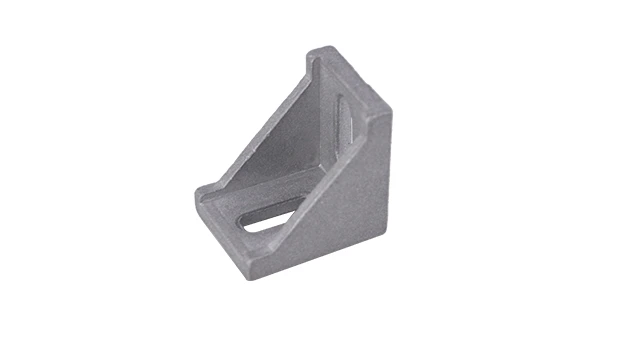
Gusset ALP 3030
The 3030 bracket/Gusset is an external fastening method that creates a 90 degree connection. 3030 means this size is used for 30 series aluminum profile with a quick connection by bolt and nut.
The New Era of Smart Manufacturing: Where Flexibility Meets Data-Driven Efficiency
In today's fast-paced manufacturing landscape, the term "smart manufacturing" has evolved from a buzzword to a critical necessity. Factories and production facilities worldwide are no longer just focused on churning out products—they're striving to create ecosystems that are agile, connected, and deeply attuned to real-time data. This shift isn't just about adopting new technology; it's about reimagining how workspaces, workflows, and resources interact to minimize waste, maximize productivity, and adapt to ever-changing market demands. At the heart of this transformation lies the need for modular, adaptable infrastructure that can seamlessly integrate with sensors, IoT devices, and automation tools. Enter components like the
Gusset Alp 3030
—a yet powerful player in the realm of
3030 aluminum profile
systems that's quietly revolutionizing how manufacturers build smart, responsive work environments.
Imagine a production line where every workbench, material rack, and conveyor isn't just a static piece of equipment, but a node in a connected network. A workbench that can detect when parts are running low and automatically trigger a restock alert. A material rack that tracks inventory levels in real time, eliminating the guesswork of manual counts. A conveyor system that adjusts speed based on upstream bottlenecks, ensuring a steady, efficient flow of goods. These scenarios aren't futuristic—they're achievable today, thanks to innovations in modular construction and sensor integration. And at the core of making this possible are components designed with both structural integrity and smart functionality in mind. The Gusset Alp 3030, paired with the right aluminum profile accessories , is one such component. It's not just a bracket or a support piece; it's a bridge between the physical and digital worlds of manufacturing.
But why does this matter? For manufacturers, the stakes are high. In an era where customer expectations for customization and speed are skyrocketing, rigid, one-size-fits-all infrastructure can become a liability. Traditional workbenches or material racks, built with fixed dimensions and no built-in capacity for data collection, force teams into inefficient workflows. They require manual checks, create blind spots in inventory management, and make it difficult to scale or reconfigure production lines without significant downtime. Smart manufacturing, powered by modular components like the Gusset Alp 3030, flips this script. It turns static workspaces into dynamic, data-generating hubs that respond to needs in real time. Let's dive deeper into how this unassuming gusset—and the 3030 aluminum profile system it supports—are becoming indispensable tools in the smart manufacturing toolkit.
Imagine a production line where every workbench, material rack, and conveyor isn't just a static piece of equipment, but a node in a connected network. A workbench that can detect when parts are running low and automatically trigger a restock alert. A material rack that tracks inventory levels in real time, eliminating the guesswork of manual counts. A conveyor system that adjusts speed based on upstream bottlenecks, ensuring a steady, efficient flow of goods. These scenarios aren't futuristic—they're achievable today, thanks to innovations in modular construction and sensor integration. And at the core of making this possible are components designed with both structural integrity and smart functionality in mind. The Gusset Alp 3030, paired with the right aluminum profile accessories , is one such component. It's not just a bracket or a support piece; it's a bridge between the physical and digital worlds of manufacturing.
But why does this matter? For manufacturers, the stakes are high. In an era where customer expectations for customization and speed are skyrocketing, rigid, one-size-fits-all infrastructure can become a liability. Traditional workbenches or material racks, built with fixed dimensions and no built-in capacity for data collection, force teams into inefficient workflows. They require manual checks, create blind spots in inventory management, and make it difficult to scale or reconfigure production lines without significant downtime. Smart manufacturing, powered by modular components like the Gusset Alp 3030, flips this script. It turns static workspaces into dynamic, data-generating hubs that respond to needs in real time. Let's dive deeper into how this unassuming gusset—and the 3030 aluminum profile system it supports—are becoming indispensable tools in the smart manufacturing toolkit.
What is Gusset Alp 3030? Beyond a Bracket: The Backbone of Modular Stability
To understand the role of the Gusset Alp 3030, we first need to familiarize ourselves with the world of aluminum profiles. Aluminum profiles—extruded pieces of aluminum with standardized cross-sections—have long been favored in manufacturing for their lightweight, durable, and highly customizable nature. The
3030 aluminum profile
is a popular choice, named for its 30mm x 30mm square cross-section. It's versatile enough to be used in everything from workbenches and shelving to machine guards and automated systems. But a profile alone is just a piece of metal; its true power lies in how it's connected and reinforced. That's where accessories like the Gusset Alp 3030 come into play.
The term "gusset" refers to a plate or bracket used to strengthen the joint between two structural members. In the context of aluminum profiles, a gusset like the Gusset Alp 3030 is designed to reinforce connections between 3030 profiles, adding rigidity and stability to frames, workbenches, or racks. What sets the Gusset Alp 3030 apart, however, isn't just its structural role—it's the intentional design features that make it compatible with sensor mounting. Unlike traditional gussets, which are often plain metal plates with holes for bolts, the Gusset Alp 3030 includes pre-engineered slots, threaded inserts, and recessed areas specifically tailored to hold sensors, wiring, and small IoT devices. This might sound like a minor detail, but in the world of smart manufacturing, it's a game-changer. It eliminates the need for clunky, aftermarket sensor mounts that can weaken structural integrity or complicate reconfiguration. Instead, sensors become an integrated part of the infrastructure, as seamless as the bolts holding the profiles together.
Let's break down the anatomy of the Gusset Alp 3030. Typically made from high-grade aluminum alloy, it's lightweight yet strong, capable of supporting the weight of sensors, small cameras, or even compact actuators. Its design aligns with the T-slot pattern of the 3030 aluminum profile, meaning it can be easily attached using standard T-slot nuts and bolts—no welding or specialized tools required. The key sensor mounting features often include:
These features might seem simple, but they address a common pain point in smart manufacturing setups: the gap between structural needs and technological integration. For years, manufacturers have struggled to add sensors to existing infrastructure without compromising stability or creating messy, ad-hoc setups. The Gusset Alp 3030 solves this by designing for both strength and smart functionality from the ground up.
The term "gusset" refers to a plate or bracket used to strengthen the joint between two structural members. In the context of aluminum profiles, a gusset like the Gusset Alp 3030 is designed to reinforce connections between 3030 profiles, adding rigidity and stability to frames, workbenches, or racks. What sets the Gusset Alp 3030 apart, however, isn't just its structural role—it's the intentional design features that make it compatible with sensor mounting. Unlike traditional gussets, which are often plain metal plates with holes for bolts, the Gusset Alp 3030 includes pre-engineered slots, threaded inserts, and recessed areas specifically tailored to hold sensors, wiring, and small IoT devices. This might sound like a minor detail, but in the world of smart manufacturing, it's a game-changer. It eliminates the need for clunky, aftermarket sensor mounts that can weaken structural integrity or complicate reconfiguration. Instead, sensors become an integrated part of the infrastructure, as seamless as the bolts holding the profiles together.
Let's break down the anatomy of the Gusset Alp 3030. Typically made from high-grade aluminum alloy, it's lightweight yet strong, capable of supporting the weight of sensors, small cameras, or even compact actuators. Its design aligns with the T-slot pattern of the 3030 aluminum profile, meaning it can be easily attached using standard T-slot nuts and bolts—no welding or specialized tools required. The key sensor mounting features often include:
- Recessed mounting platforms: Small, flat surfaces with pre-drilled holes or threaded inserts, perfect for attaching proximity sensors, temperature sensors, or microcontrollers like Arduino or Raspberry Pi.
- Wire management channels: Grooves or slots that allow sensor wiring to be routed neatly along the gusset and into the aluminum profile's T-slots, keeping cables organized and protected from damage.
- Adjustable angle brackets: Some variants include small, pivotable arms that let users position sensors at precise angles—critical for applications like object detection or quality inspection, where line of sight matters.
These features might seem simple, but they address a common pain point in smart manufacturing setups: the gap between structural needs and technological integration. For years, manufacturers have struggled to add sensors to existing infrastructure without compromising stability or creating messy, ad-hoc setups. The Gusset Alp 3030 solves this by designing for both strength and smart functionality from the ground up.

Sensor Mounting Features: Turning Static Infrastructure into Smart Nodes
Now that we understand the basics of the Gusset Alp 3030, let's zoom in on its sensor mounting capabilities—the feature that truly elevates it from a structural component to a smart manufacturing enabler. In smart manufacturing, data is the lifeblood. Sensors collect this data, providing insights into everything from machine performance and inventory levels to worker safety and environmental conditions. But for sensors to be effective, they need to be placed in the right locations, securely mounted, and integrated into the workflow without disruption. The Gusset Alp 3030's design addresses all three of these needs.
Let's start with placement. In a typical manufacturing setup, critical data points are often found at the intersection of workflows: where parts are assembled, where materials are stored, or where products transition between stages. These are also the points where structural connections—like those reinforced by gussets—are most common. By integrating sensor mounts directly into the gusset, manufacturers can place sensors exactly where the action is, without adding extra brackets or altering the profile structure. For example, a workbench built with 3030 aluminum profiles and Gusset Alp 3030 gussets can have proximity sensors mounted at the corners to detect when a part is placed on the surface, or temperature sensors near heat-generating equipment to monitor for overheating. A material rack using the same components can have ultrasonic sensors mounted on the gussets to measure how full each shelf is, triggering alerts when stock runs low.
Security is another key consideration. Sensors, especially those used in industrial settings, need to withstand vibrations, accidental bumps, and harsh environments (like dust or moisture). The Gusset Alp 3030's mounting platforms are designed to hold sensors firmly in place, with options for locking hardware or protective enclosures. For instance, a photoelectric sensor mounted on a gusset's recessed platform can be secured with tamper-resistant screws, ensuring it stays aligned even during high-vibration operations. The wire management channels add an extra layer of protection by keeping cables contained and away from moving parts, reducing the risk of snags or damage that could disrupt data collection.
Integration into the workflow is perhaps the most underrated benefit. In many factories, adding sensors means disrupting existing processes—drilling holes in workbenches, zip-tying cables to racks, or bringing in IT teams to run new wiring. The Gusset Alp 3030 eliminates much of this hassle. Since it's part of the aluminum profile accessories ecosystem, it uses the same mounting hardware as other components, so assembly teams familiar with building with 3030 profiles can install sensors without special training. The T-slot design of the aluminum profiles also means wiring can be routed internally, through the profiles themselves, keeping the workspace clean and reducing tripping hazards. For example, a conveyor system built with 3030 profiles and Gusset Alp 3030 gussets can have speed sensors mounted at key junctions, with their wiring running through the profile's T-slots and connecting to a central control box—no exposed cables, no messy zip ties, just a clean, integrated system.
To put this into perspective, let's compare two scenarios: a traditional workbench and a smart workbench using the Gusset Alp 3030. A traditional workbench might have a sensor taped or zip-tied to the edge, with wires dangling down to a battery pack or power strip. The sensor is prone to being knocked out of alignment, the wires get caught on tools, and the whole setup looks unprofessional. In contrast, a smart workbench with Gusset Alp 3030 has the sensor mounted securely on the gusset's platform, wires routed through the profile's T-slots, and power supplied via a hidden cable management system. The sensor stays in place, data collection is uninterrupted, and the workspace remains organized. It's a small change, but it adds up to significant improvements in reliability and efficiency over time.
Let's start with placement. In a typical manufacturing setup, critical data points are often found at the intersection of workflows: where parts are assembled, where materials are stored, or where products transition between stages. These are also the points where structural connections—like those reinforced by gussets—are most common. By integrating sensor mounts directly into the gusset, manufacturers can place sensors exactly where the action is, without adding extra brackets or altering the profile structure. For example, a workbench built with 3030 aluminum profiles and Gusset Alp 3030 gussets can have proximity sensors mounted at the corners to detect when a part is placed on the surface, or temperature sensors near heat-generating equipment to monitor for overheating. A material rack using the same components can have ultrasonic sensors mounted on the gussets to measure how full each shelf is, triggering alerts when stock runs low.
Security is another key consideration. Sensors, especially those used in industrial settings, need to withstand vibrations, accidental bumps, and harsh environments (like dust or moisture). The Gusset Alp 3030's mounting platforms are designed to hold sensors firmly in place, with options for locking hardware or protective enclosures. For instance, a photoelectric sensor mounted on a gusset's recessed platform can be secured with tamper-resistant screws, ensuring it stays aligned even during high-vibration operations. The wire management channels add an extra layer of protection by keeping cables contained and away from moving parts, reducing the risk of snags or damage that could disrupt data collection.
Integration into the workflow is perhaps the most underrated benefit. In many factories, adding sensors means disrupting existing processes—drilling holes in workbenches, zip-tying cables to racks, or bringing in IT teams to run new wiring. The Gusset Alp 3030 eliminates much of this hassle. Since it's part of the aluminum profile accessories ecosystem, it uses the same mounting hardware as other components, so assembly teams familiar with building with 3030 profiles can install sensors without special training. The T-slot design of the aluminum profiles also means wiring can be routed internally, through the profiles themselves, keeping the workspace clean and reducing tripping hazards. For example, a conveyor system built with 3030 profiles and Gusset Alp 3030 gussets can have speed sensors mounted at key junctions, with their wiring running through the profile's T-slots and connecting to a central control box—no exposed cables, no messy zip ties, just a clean, integrated system.
To put this into perspective, let's compare two scenarios: a traditional workbench and a smart workbench using the Gusset Alp 3030. A traditional workbench might have a sensor taped or zip-tied to the edge, with wires dangling down to a battery pack or power strip. The sensor is prone to being knocked out of alignment, the wires get caught on tools, and the whole setup looks unprofessional. In contrast, a smart workbench with Gusset Alp 3030 has the sensor mounted securely on the gusset's platform, wires routed through the profile's T-slots, and power supplied via a hidden cable management system. The sensor stays in place, data collection is uninterrupted, and the workspace remains organized. It's a small change, but it adds up to significant improvements in reliability and efficiency over time.

Integrating with Lean Systems: Streamlining Workflows Through Data and Flexibility
Smart manufacturing and lean manufacturing are often talked about in tandem, and for good reason. Lean principles—focused on eliminating waste, optimizing flow, and continuous improvement—provide the framework, while smart technology provides the tools to execute that framework with unprecedented precision. The Gusset Alp 3030, with its sensor mounting features, is a perfect example of how modular infrastructure can support lean goals by combining flexibility with data-driven insights. Let's explore how this integration works in practice.
One of the core pillars of lean manufacturing is "just-in-time" (JIT) production, which aims to produce and deliver products exactly when they're needed, in the exact quantity needed, to minimize inventory waste. To do JIT effectively, manufacturers need real-time visibility into inventory levels, production status, and supply chain delays. This is where sensor-equipped material racks and workbenches shine. A material rack built with 3030 aluminum profiles and Gusset Alp 3030 gussets can have level sensors mounted on each shelf, tracking how many parts are left. When stock hits a predefined threshold, the sensor sends an alert to the inventory management system, triggering a replenishment order. This eliminates the need for safety stock (a common form of waste in lean terms) and ensures production lines never run out of critical parts. Similarly, a workbench with sensors can track how long each task takes, helping managers identify bottlenecks and optimize work schedules—another lean principle known as "flow optimization."
Another lean focus is "poka-yoke," or mistake-proofing—designing processes to prevent errors before they occur. Sensors mounted via the Gusset Alp 3030 can play a key role here. For example, a workbench in an electronics assembly line might use a Gusset Alp 3030 to mount a vision sensor that checks if all components are placed correctly before a product moves to the next stage. If a component is missing or misaligned, the sensor triggers a light or sound alert, stopping the process until the error is fixed. This prevents defective products from moving downstream, reducing rework and scrap—two major sources of waste. Similarly, a conveyor system with speed sensors (mounted on Gusset Alp 3030 gussets) can detect if a product is moving too slowly or too quickly, adjusting the conveyor's speed to match upstream and downstream processes, preventing jams and ensuring a smooth flow.
Flexibility is also a cornerstone of lean manufacturing. The ability to quickly reconfigure production lines for new products or changing demand is essential for staying competitive. The modular nature of 3030 aluminum profile systems, combined with the Gusset Alp 3030's sensor mounting features, makes reconfiguration faster and easier than ever. Unlike fixed steel infrastructure, which requires cutting, welding, or heavy machinery to modify, aluminum profiles can be disassembled and reassembled with basic tools. When a production line needs to be rearranged, the Gusset Alp 3030 gussets—and their mounted sensors—can be simply unbolted, moved to a new location, and reconnected. The sensors themselves can be reprogrammed or swapped out to match the new workflow. This agility reduces downtime during reconfigurations and allows manufacturers to experiment with new layouts without significant upfront investment. For small-batch or custom manufacturers, this is a game-changer—it turns what was once a time-consuming, costly process into a quick, iterative adjustment.
To illustrate the impact of this integration, let's look at a real-world example: a small automotive parts manufacturer that recently transitioned to a lean, smart setup using 3030 aluminum profiles and Gusset Alp 3030 gussets. Previously, their assembly line relied on static steel workbenches and manual inventory checks. Parts would often run out unexpectedly, causing delays, and quality checks were done by hand, leading to occasional defects. After switching to modular workbenches with Gusset Alp 3030 gussets, they mounted proximity sensors on each workbench to track part usage and vision sensors to check for assembly errors. Inventory levels are now monitored in real time, with alerts sent to the warehouse when stock is low. Defect rates dropped by 30%, and production delays due to missing parts decreased by 45%. Best of all, when they needed to reconfigure the line for a new part design, the entire process took just two days—down from two weeks with the old steel setup. This is the power of combining lean principles with smart, modular infrastructure.
One of the core pillars of lean manufacturing is "just-in-time" (JIT) production, which aims to produce and deliver products exactly when they're needed, in the exact quantity needed, to minimize inventory waste. To do JIT effectively, manufacturers need real-time visibility into inventory levels, production status, and supply chain delays. This is where sensor-equipped material racks and workbenches shine. A material rack built with 3030 aluminum profiles and Gusset Alp 3030 gussets can have level sensors mounted on each shelf, tracking how many parts are left. When stock hits a predefined threshold, the sensor sends an alert to the inventory management system, triggering a replenishment order. This eliminates the need for safety stock (a common form of waste in lean terms) and ensures production lines never run out of critical parts. Similarly, a workbench with sensors can track how long each task takes, helping managers identify bottlenecks and optimize work schedules—another lean principle known as "flow optimization."
Another lean focus is "poka-yoke," or mistake-proofing—designing processes to prevent errors before they occur. Sensors mounted via the Gusset Alp 3030 can play a key role here. For example, a workbench in an electronics assembly line might use a Gusset Alp 3030 to mount a vision sensor that checks if all components are placed correctly before a product moves to the next stage. If a component is missing or misaligned, the sensor triggers a light or sound alert, stopping the process until the error is fixed. This prevents defective products from moving downstream, reducing rework and scrap—two major sources of waste. Similarly, a conveyor system with speed sensors (mounted on Gusset Alp 3030 gussets) can detect if a product is moving too slowly or too quickly, adjusting the conveyor's speed to match upstream and downstream processes, preventing jams and ensuring a smooth flow.
Flexibility is also a cornerstone of lean manufacturing. The ability to quickly reconfigure production lines for new products or changing demand is essential for staying competitive. The modular nature of 3030 aluminum profile systems, combined with the Gusset Alp 3030's sensor mounting features, makes reconfiguration faster and easier than ever. Unlike fixed steel infrastructure, which requires cutting, welding, or heavy machinery to modify, aluminum profiles can be disassembled and reassembled with basic tools. When a production line needs to be rearranged, the Gusset Alp 3030 gussets—and their mounted sensors—can be simply unbolted, moved to a new location, and reconnected. The sensors themselves can be reprogrammed or swapped out to match the new workflow. This agility reduces downtime during reconfigurations and allows manufacturers to experiment with new layouts without significant upfront investment. For small-batch or custom manufacturers, this is a game-changer—it turns what was once a time-consuming, costly process into a quick, iterative adjustment.
To illustrate the impact of this integration, let's look at a real-world example: a small automotive parts manufacturer that recently transitioned to a lean, smart setup using 3030 aluminum profiles and Gusset Alp 3030 gussets. Previously, their assembly line relied on static steel workbenches and manual inventory checks. Parts would often run out unexpectedly, causing delays, and quality checks were done by hand, leading to occasional defects. After switching to modular workbenches with Gusset Alp 3030 gussets, they mounted proximity sensors on each workbench to track part usage and vision sensors to check for assembly errors. Inventory levels are now monitored in real time, with alerts sent to the warehouse when stock is low. Defect rates dropped by 30%, and production delays due to missing parts decreased by 45%. Best of all, when they needed to reconfigure the line for a new part design, the entire process took just two days—down from two weeks with the old steel setup. This is the power of combining lean principles with smart, modular infrastructure.
Aluminum Profile Accessories: The Ecosystem That Makes It All Work
While the Gusset Alp 3030 is a star player in the smart manufacturing setup, it doesn't work alone. Like any great technology, it relies on a supporting cast of
aluminum profile accessories
to deliver its full potential. These accessories—ranging from connectors and end caps to brackets and cable management tools—are the unsung heroes that turn a collection of aluminum profiles and gussets into a cohesive, functional system. Let's take a closer look at some of the key accessories that complement the Gusset Alp 3030 and enhance its sensor mounting capabilities.
First and foremost are the connectors. Without the right connectors, even the strongest aluminum profiles and gussets can't form a stable structure. For 3030 aluminum profiles, common connectors include corner brackets, T-connectors, and swivel joints, all designed to join profiles at various angles. When paired with the Gusset Alp 3030, these connectors ensure that the structure remains rigid even with sensors and wiring added. For example, a 90-degree corner connector might join two 3030 profiles at a workbench corner, while the Gusset Alp 3030 reinforces that joint and provides a mounting spot for a sensor. Some connectors even include their own wire management features, like small channels or clips, which work hand-in-hand with the gusset's wire management channels to keep sensor wiring organized.
Cable management accessories are another critical component. Sensors generate data, and data needs to travel—usually via wires—to a central system or display. Exposed wires are not only unsightly but also pose risks of damage or tripping. That's where accessories like cable chains, T-slot cable carriers, and wire ducts come in. These tools allow wiring from sensors mounted on the Gusset Alp 3030 to be routed safely through the aluminum profiles' T-slots or along the outside of the structure, protected from dust, moisture, and mechanical stress. For example, a cable chain can be attached to the side of a material rack, carrying sensor wires from the Gusset Alp 3030 gussets up to a control panel at the top. This keeps the wires moving smoothly even if the rack is adjusted or reconfigured, preventing snags or breaks.
Then there are the mounting hardware and fasteners. While the Gusset Alp 3030 comes with pre-drilled holes and threaded inserts for sensors, the right fasteners ensure a secure, vibration-resistant mount. Stainless steel T-slot nuts, bolts, and washers are standard here, as they're corrosion-resistant and easy to tighten using basic tools. For sensors that need extra stability—like those used in high-vibration environments—lock washers or thread-locking adhesive can be added. Some manufacturers even offer specialized sensor mounting brackets that attach to the Gusset Alp 3030, providing additional adjustability or protection. These brackets might include rubber gaskets to dampen vibrations or weatherproof enclosures for sensors used in dusty or wet areas.
End caps and covers are often overlooked but play an important role in both safety and aesthetics. Aluminum profile end caps fit snugly into the open ends of 3030 profiles, preventing dust, debris, or small tools from falling inside and blocking T-slots. They also create a cleaner, more professional look—important in workspaces where organization and visual management are part of lean principles. When paired with the Gusset Alp 3030, end caps help maintain the integrity of the wire management system by sealing off the ends of profiles, ensuring cables routed through the T-slots stay contained. Some end caps even have small holes or notches, allowing sensor wires to exit the profile cleanly without being pinched or damaged.
Finally, there are the specialized accessories designed specifically for smart manufacturing, like mounting plates for controllers or enclosures for IoT devices. These accessories can be attached to the Gusset Alp 3030 or directly to the 3030 profiles, creating a centralized hub for sensor data processing. For example, a small enclosure mounted next to a Gusset Alp 3030 might house a Bluetooth or Wi-Fi module, collecting data from nearby sensors and transmitting it to the cloud. This eliminates the need for complex wiring back to a main server, making the system more modular and easier to scale.
Together, these accessories form an ecosystem that amplifies the Gusset Alp 3030's capabilities. They turn a simple gusset into a fully integrated sensor mounting solution, ensuring that smart manufacturing setups are not just functional, but also reliable, organized, and easy to maintain. It's this attention to detail—the way every component is designed to work with the others—that makes aluminum profile systems so powerful for modern manufacturing.
First and foremost are the connectors. Without the right connectors, even the strongest aluminum profiles and gussets can't form a stable structure. For 3030 aluminum profiles, common connectors include corner brackets, T-connectors, and swivel joints, all designed to join profiles at various angles. When paired with the Gusset Alp 3030, these connectors ensure that the structure remains rigid even with sensors and wiring added. For example, a 90-degree corner connector might join two 3030 profiles at a workbench corner, while the Gusset Alp 3030 reinforces that joint and provides a mounting spot for a sensor. Some connectors even include their own wire management features, like small channels or clips, which work hand-in-hand with the gusset's wire management channels to keep sensor wiring organized.
Cable management accessories are another critical component. Sensors generate data, and data needs to travel—usually via wires—to a central system or display. Exposed wires are not only unsightly but also pose risks of damage or tripping. That's where accessories like cable chains, T-slot cable carriers, and wire ducts come in. These tools allow wiring from sensors mounted on the Gusset Alp 3030 to be routed safely through the aluminum profiles' T-slots or along the outside of the structure, protected from dust, moisture, and mechanical stress. For example, a cable chain can be attached to the side of a material rack, carrying sensor wires from the Gusset Alp 3030 gussets up to a control panel at the top. This keeps the wires moving smoothly even if the rack is adjusted or reconfigured, preventing snags or breaks.
Then there are the mounting hardware and fasteners. While the Gusset Alp 3030 comes with pre-drilled holes and threaded inserts for sensors, the right fasteners ensure a secure, vibration-resistant mount. Stainless steel T-slot nuts, bolts, and washers are standard here, as they're corrosion-resistant and easy to tighten using basic tools. For sensors that need extra stability—like those used in high-vibration environments—lock washers or thread-locking adhesive can be added. Some manufacturers even offer specialized sensor mounting brackets that attach to the Gusset Alp 3030, providing additional adjustability or protection. These brackets might include rubber gaskets to dampen vibrations or weatherproof enclosures for sensors used in dusty or wet areas.
End caps and covers are often overlooked but play an important role in both safety and aesthetics. Aluminum profile end caps fit snugly into the open ends of 3030 profiles, preventing dust, debris, or small tools from falling inside and blocking T-slots. They also create a cleaner, more professional look—important in workspaces where organization and visual management are part of lean principles. When paired with the Gusset Alp 3030, end caps help maintain the integrity of the wire management system by sealing off the ends of profiles, ensuring cables routed through the T-slots stay contained. Some end caps even have small holes or notches, allowing sensor wires to exit the profile cleanly without being pinched or damaged.
Finally, there are the specialized accessories designed specifically for smart manufacturing, like mounting plates for controllers or enclosures for IoT devices. These accessories can be attached to the Gusset Alp 3030 or directly to the 3030 profiles, creating a centralized hub for sensor data processing. For example, a small enclosure mounted next to a Gusset Alp 3030 might house a Bluetooth or Wi-Fi module, collecting data from nearby sensors and transmitting it to the cloud. This eliminates the need for complex wiring back to a main server, making the system more modular and easier to scale.
Together, these accessories form an ecosystem that amplifies the Gusset Alp 3030's capabilities. They turn a simple gusset into a fully integrated sensor mounting solution, ensuring that smart manufacturing setups are not just functional, but also reliable, organized, and easy to maintain. It's this attention to detail—the way every component is designed to work with the others—that makes aluminum profile systems so powerful for modern manufacturing.
Real-World Applications: From Workbenches to Material Racks, Smart Solutions in Action
To truly grasp the impact of the Gusset Alp 3030 with sensor mounting features, let's explore some real-world applications across different manufacturing settings. From small workshops to large-scale production facilities, this component is finding its way into a variety of use cases, each time transforming static infrastructure into a smart, data-generating asset.
In a food packaging facility, where hygiene is paramount, a smart workbench with Gusset Alp 3030 gussets might include temperature and humidity sensors. These sensors monitor the workspace environment, ensuring it stays within safe ranges for food processing. If temperatures rise above a certain level, the system could automatically activate fans or alert a supervisor. The gusset's wire management channels would keep sensor wiring sealed and protected, preventing contamination risks, while the aluminum profiles' smooth, easy-to-clean surfaces would meet strict sanitation standards.
In a automotive parts warehouse, where racks can be tall and hard to reach, the Gusset Alp 3030's adjustable angle brackets come into play. Sensors mounted on pivotable arms can be angled to scan even deep or high shelves, providing accurate inventory data without requiring workers to climb ladders or use forklifts for manual checks. The data collected can also be used to optimize rack layout—identifying which parts are accessed most frequently and moving them to easier-to-reach shelves, reducing pick times and worker fatigue.
In a distribution center, where conveyors handle a mix of package sizes, sensors mounted on Gusset Alp 3030 gussets could also detect package dimensions. This data can be used to route packages to the appropriate sorting station, ensuring smaller packages go to faster lanes and larger ones to sturdier, slower lanes. This not only optimizes flow but also reduces wear and tear on the conveyor system by matching package size to conveyor capacity.
This table paints a clear picture: the Gusset Alp 3030, when paired with 3030 aluminum profiles and accessories, transforms infrastructure from a passive tool into an active participant in the manufacturing process. It's not just about adding sensors—it's about creating a system that's more efficient, more adaptable, and more in tune with the needs of modern production.
Smart Workbenches: The Heart of the Production Line
The workbench is often the most critical workspace in a manufacturing facility—it's where assembly happens, where quality checks are performed, and where workers spend most of their time. Equipping a workbench with Gusset Alp 3030 gussets and sensors can turn it into a hub of productivity and quality control. For example, in an electronics manufacturing plant, a smart workbench might use proximity sensors mounted on Gusset Alp 3030 gussets to detect when a circuit board is placed on the surface. Once detected, the sensor could trigger a sequence: dimming overhead lights and activating a focused task light, displaying assembly instructions on a nearby screen, and starting a timer to track how long the task takes. If the timer exceeds a predefined threshold, a gentle alert could remind the worker to check for bottlenecks. Meanwhile, a vision sensor mounted on another gusset could scan the circuit board after assembly, comparing it to a digital template to ensure all components are present and correctly soldered. Any discrepancies trigger an immediate alert, preventing defective boards from moving to the next stage.In a food packaging facility, where hygiene is paramount, a smart workbench with Gusset Alp 3030 gussets might include temperature and humidity sensors. These sensors monitor the workspace environment, ensuring it stays within safe ranges for food processing. If temperatures rise above a certain level, the system could automatically activate fans or alert a supervisor. The gusset's wire management channels would keep sensor wiring sealed and protected, preventing contamination risks, while the aluminum profiles' smooth, easy-to-clean surfaces would meet strict sanitation standards.
Smart Material Racks: Inventory Management, Reimagined
Material racks are another area where the Gusset Alp 3030 shines. Traditional racks require manual inventory checks—time-consuming, error-prone tasks that often lead to stockouts or overstocking. A smart material rack, built with 3030 aluminum profiles and Gusset Alp 3030 gussets, changes this by turning each shelf into a connected inventory node. For example, a rack storing small components like screws or washers could have ultrasonic sensors mounted on Gusset Alp 3030 gussets above each shelf. These sensors measure the height of the components, calculating how full the shelf is. When stock drops below a threshold, the system sends an alert to the warehouse management system (WMS), triggering a restock order. This "automatic replenishment" ensures production lines never run out of critical parts, eliminating costly delays.In a automotive parts warehouse, where racks can be tall and hard to reach, the Gusset Alp 3030's adjustable angle brackets come into play. Sensors mounted on pivotable arms can be angled to scan even deep or high shelves, providing accurate inventory data without requiring workers to climb ladders or use forklifts for manual checks. The data collected can also be used to optimize rack layout—identifying which parts are accessed most frequently and moving them to easier-to-reach shelves, reducing pick times and worker fatigue.
Smart Conveyors: Keeping the Flow Smooth and Efficient
Conveyor systems are the arteries of manufacturing, moving products from one stage to the next. But without visibility into their performance, they can become sources of bottlenecks or downtime. Integrating Gusset Alp 3030 gussets with sensors into conveyor systems addresses this by providing real-time insights into speed, jams, and product flow. For example, a roller conveyor used to transport boxes might have speed sensors mounted on Gusset Alp 3030 gussets at intervals along the line. These sensors track how fast boxes are moving and compare it to the expected speed. If a box slows down—indicating a potential jam or misalignment—the system can automatically stop the conveyor before a backup occurs, or alert maintenance staff to investigate.In a distribution center, where conveyors handle a mix of package sizes, sensors mounted on Gusset Alp 3030 gussets could also detect package dimensions. This data can be used to route packages to the appropriate sorting station, ensuring smaller packages go to faster lanes and larger ones to sturdier, slower lanes. This not only optimizes flow but also reduces wear and tear on the conveyor system by matching package size to conveyor capacity.
Comparison: Traditional vs. Smart Infrastructure with Gusset Alp 3030
To highlight the differences, let's compare traditional infrastructure with smart infrastructure using the Gusset Alp 3030 across key metrics:| Metric | Traditional Infrastructure | Smart Infrastructure (Gusset Alp 3030 + 3030 Aluminum Profile) |
|---|---|---|
| Data Collection | Manual, error-prone (e.g., paper logs, Excel spreadsheets) | Automated, real-time (sensors mounted on Gusset Alp 3030) |
| Flexibility | Rigid; reconfiguration requires welding/cutting (days to weeks) | Modular; reconfigurable with basic tools (hours to days) |
| Maintenance | Reactive (fix problems after they occur) | Proactive (sensors detect issues before they cause downtime) |
| Inventory Management | Guessing games; stockouts/overstock common | Real-time tracking; automatic restock alerts |
| Quality Control | Manual checks; defects found late in the process | Automated inspections; defects caught at the source |
This table paints a clear picture: the Gusset Alp 3030, when paired with 3030 aluminum profiles and accessories, transforms infrastructure from a passive tool into an active participant in the manufacturing process. It's not just about adding sensors—it's about creating a system that's more efficient, more adaptable, and more in tune with the needs of modern production.
The Future of Smart Manufacturing: Where Do We Go From Here?
As we look to the future, it's clear that the integration of modular infrastructure and smart technology will only deepen. The Gusset Alp 3030 and its sensor mounting features are just the beginning—a glimpse into a world where every workbench, rack, and conveyor is a connected, data-generating node. But what comes next? How will these components evolve to meet the even more demanding needs of tomorrow's manufacturers?
One trend to watch is the rise of "self-monitoring" infrastructure. Today's sensors collect data, but tomorrow's systems might use that data to self-correct. For example, a workbench with Gusset Alp 3030 gussets and vibration sensors might detect that a particular joint is loosening, then automatically trigger a maintenance alert or even adjust a nearby actuator to tighten the bolt. This "predictive maintenance" on steroids could drastically reduce downtime and extend the lifespan of equipment. Similarly, material racks might use AI-powered sensors to not only track inventory but also predict demand, automatically reordering parts before they run out based on historical usage patterns.
Another area of growth is the integration of augmented reality (AR) and virtual reality (VR) with modular systems. Imagine a worker wearing AR glasses looking at a smart workbench with Gusset Alp 3030 gussets. The glasses could overlay real-time data from the sensors—showing part counts, assembly instructions, or quality check results directly on the workbench surface. If a sensor detects an error, the AR system could highlight the problem area and guide the worker through the fix. This would bridge the gap between the physical and digital worlds, making data more accessible and actionable.
Sustainability is also set to play a bigger role. Aluminum profiles are already eco-friendly—aluminum is 100% recyclable, and modular systems reduce waste by allowing components to be reused. Future iterations might take this further, with sensors mounted on Gusset Alp 3030 gussets monitoring energy usage, water consumption, or carbon emissions in real time. This data could help manufacturers identify inefficiencies and reduce their environmental footprint, aligning with global sustainability goals.
Finally, we'll likely see even greater miniaturization of sensors and IoT devices, making integration with components like the Gusset Alp 3030 even easier. Smaller, more powerful sensors would require less mounting space, allowing for more data points to be collected without cluttering the workspace. Wireless charging pads built into aluminum profiles could eliminate the need for batteries in these sensors, ensuring they never run out of power. Imagine a material rack where sensors are so small and unobtrusive that they're almost invisible, yet still collecting and transmitting data 24/7.
Of course, none of this would be possible without the continued evolution of aluminum profile accessories and modular design principles. As sensors and smart devices become more advanced, the accessories that support them—connectors, cable management tools, mounting brackets—will need to keep pace. Manufacturers of aluminum profile systems are already investing in R&D to create accessories that are smarter, more durable, and more versatile, ensuring that the ecosystem remains compatible with emerging technologies.
In the end, the Gusset Alp 3030 with sensor mounting features is more than just a component—it's a symbol of how manufacturing is evolving. It represents the shift from rigid, one-size-fits-all infrastructure to flexible, data-driven systems that empower workers, reduce waste, and drive innovation. As we move forward, it's clear that the factories of the future won't just be smart—they'll be alive , with every part working together to create a more efficient, sustainable, and human-centric manufacturing experience. And components like the Gusset Alp 3030 will be right there, at the heart of it all.
One trend to watch is the rise of "self-monitoring" infrastructure. Today's sensors collect data, but tomorrow's systems might use that data to self-correct. For example, a workbench with Gusset Alp 3030 gussets and vibration sensors might detect that a particular joint is loosening, then automatically trigger a maintenance alert or even adjust a nearby actuator to tighten the bolt. This "predictive maintenance" on steroids could drastically reduce downtime and extend the lifespan of equipment. Similarly, material racks might use AI-powered sensors to not only track inventory but also predict demand, automatically reordering parts before they run out based on historical usage patterns.
Another area of growth is the integration of augmented reality (AR) and virtual reality (VR) with modular systems. Imagine a worker wearing AR glasses looking at a smart workbench with Gusset Alp 3030 gussets. The glasses could overlay real-time data from the sensors—showing part counts, assembly instructions, or quality check results directly on the workbench surface. If a sensor detects an error, the AR system could highlight the problem area and guide the worker through the fix. This would bridge the gap between the physical and digital worlds, making data more accessible and actionable.
Sustainability is also set to play a bigger role. Aluminum profiles are already eco-friendly—aluminum is 100% recyclable, and modular systems reduce waste by allowing components to be reused. Future iterations might take this further, with sensors mounted on Gusset Alp 3030 gussets monitoring energy usage, water consumption, or carbon emissions in real time. This data could help manufacturers identify inefficiencies and reduce their environmental footprint, aligning with global sustainability goals.
Finally, we'll likely see even greater miniaturization of sensors and IoT devices, making integration with components like the Gusset Alp 3030 even easier. Smaller, more powerful sensors would require less mounting space, allowing for more data points to be collected without cluttering the workspace. Wireless charging pads built into aluminum profiles could eliminate the need for batteries in these sensors, ensuring they never run out of power. Imagine a material rack where sensors are so small and unobtrusive that they're almost invisible, yet still collecting and transmitting data 24/7.
Of course, none of this would be possible without the continued evolution of aluminum profile accessories and modular design principles. As sensors and smart devices become more advanced, the accessories that support them—connectors, cable management tools, mounting brackets—will need to keep pace. Manufacturers of aluminum profile systems are already investing in R&D to create accessories that are smarter, more durable, and more versatile, ensuring that the ecosystem remains compatible with emerging technologies.
In the end, the Gusset Alp 3030 with sensor mounting features is more than just a component—it's a symbol of how manufacturing is evolving. It represents the shift from rigid, one-size-fits-all infrastructure to flexible, data-driven systems that empower workers, reduce waste, and drive innovation. As we move forward, it's clear that the factories of the future won't just be smart—they'll be alive , with every part working together to create a more efficient, sustainable, and human-centric manufacturing experience. And components like the Gusset Alp 3030 will be right there, at the heart of it all.
Conclusion: Building the Future, One Gusset at a Time
In the journey toward smart manufacturing, it's easy to get caught up in the excitement of flashy technologies—robots, AI, big data platforms. But as we've explored in this article, the true foundation of a smart factory lies in the smaller, often overlooked components that bring these technologies to life. The
Gusset Alp 3030
is a prime example. It's not a robot or a complex software system, but a humble bracket designed to reinforce
3030 aluminum profile
joints. Yet, with its integrated sensor mounting features, it becomes a critical link between the physical and digital worlds, enabling the data collection and flexibility that smart manufacturing demands.
What makes the Gusset Alp 3030 so powerful is its simplicity. It doesn't require manufacturers to overhaul their entire operation or invest in unproven technology. Instead, it fits seamlessly into existing modular infrastructure ecosystems, working with aluminum profile accessories and standard mounting hardware. This means even small and medium-sized manufacturers—those with limited budgets and resources—can dip their toes into smart manufacturing without taking on excessive risk. They can start small: adding sensors to a single workbench or material rack, testing the waters, and scaling up as they see results.
As we've seen through real-world examples, the impact of this approach is tangible: reduced defects, fewer production delays, lower inventory costs, and a more engaged workforce. These aren't just abstract benefits—they translate to higher profits, happier customers, and a stronger competitive edge in a crowded market. In an industry where margins are tight and innovation is key, the ability to do more with less is invaluable. The Gusset Alp 3030, by enabling smarter, more efficient infrastructure, helps manufacturers do exactly that.
Looking ahead, the role of components like the Gusset Alp 3030 will only grow. As sensors become cheaper, smaller, and more powerful, and as connectivity becomes ubiquitous, the line between "dumb" and "smart" infrastructure will blur. Factories will no longer be places where machines and humans work in isolation, but where every tool, every workbench, and every rack contributes to a single, connected ecosystem. And in that ecosystem, the Gusset Alp 3030 will be remembered as one of the first components that made it all possible—quietly, reliably, and with a focus on the fundamentals that have always driven manufacturing success: quality, efficiency, and adaptability.
So, whether you're a plant manager looking to dip your toes into smart manufacturing, an engineer designing the next generation of workspaces, or a worker on the factory floor eager for better tools, remember this: the future of manufacturing isn't just about big ideas. It's about the small, thoughtful innovations—the gussets with sensor mounts, the profiles with wire management, the accessories that turn chaos into order—that build those big ideas into reality. And with components like the Gusset Alp 3030 leading the way, that future is closer than you think.
What makes the Gusset Alp 3030 so powerful is its simplicity. It doesn't require manufacturers to overhaul their entire operation or invest in unproven technology. Instead, it fits seamlessly into existing modular infrastructure ecosystems, working with aluminum profile accessories and standard mounting hardware. This means even small and medium-sized manufacturers—those with limited budgets and resources—can dip their toes into smart manufacturing without taking on excessive risk. They can start small: adding sensors to a single workbench or material rack, testing the waters, and scaling up as they see results.
As we've seen through real-world examples, the impact of this approach is tangible: reduced defects, fewer production delays, lower inventory costs, and a more engaged workforce. These aren't just abstract benefits—they translate to higher profits, happier customers, and a stronger competitive edge in a crowded market. In an industry where margins are tight and innovation is key, the ability to do more with less is invaluable. The Gusset Alp 3030, by enabling smarter, more efficient infrastructure, helps manufacturers do exactly that.
Looking ahead, the role of components like the Gusset Alp 3030 will only grow. As sensors become cheaper, smaller, and more powerful, and as connectivity becomes ubiquitous, the line between "dumb" and "smart" infrastructure will blur. Factories will no longer be places where machines and humans work in isolation, but where every tool, every workbench, and every rack contributes to a single, connected ecosystem. And in that ecosystem, the Gusset Alp 3030 will be remembered as one of the first components that made it all possible—quietly, reliably, and with a focus on the fundamentals that have always driven manufacturing success: quality, efficiency, and adaptability.
So, whether you're a plant manager looking to dip your toes into smart manufacturing, an engineer designing the next generation of workspaces, or a worker on the factory floor eager for better tools, remember this: the future of manufacturing isn't just about big ideas. It's about the small, thoughtful innovations—the gussets with sensor mounts, the profiles with wire management, the accessories that turn chaos into order—that build those big ideas into reality. And with components like the Gusset Alp 3030 leading the way, that future is closer than you think.