- Company Articles
- Products and Technology
- Product knowledge
- Solving Corrosion Issues with Lean Pipe Clamp Chrome: Protective Measures

Solving Corrosion Issues with Lean Pipe Clamp Chrome: Protective Measures
Related Product
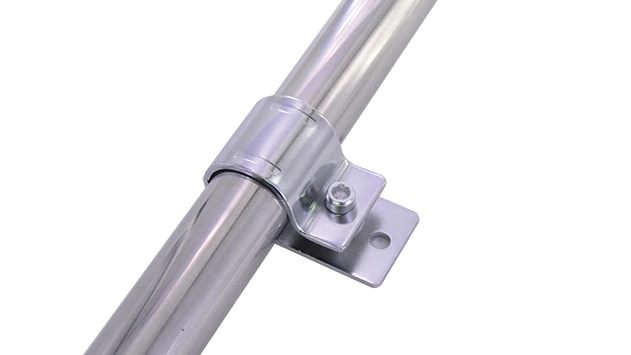
Lean Pipe Clamp Chrome
Lean pipe clamp is used for rack system hang monitor or other panel for workbenck, flowrack in production daily use.
Walk into any busy manufacturing facility, and you'll likely spot a network of lean pipes—those versatile, modular tubes that form the backbone of workbenches, material racks, and assembly lines. They're the unsung heroes of efficient production, keeping tools organized, parts flowing, and teams productive. But ask any plant manager about their biggest headaches, and "corrosion" will almost certainly top the list. Rusty clamps, pitted joints, and weakened connections don't just look bad—they threaten the stability of the entire system, leading to costly downtime, safety risks, and frustrated teams.
If you've ever noticed flaky orange residue on the clamps holding your lean pipe workbench together, or had to replace a corroded joint mid-shift, you know the problem all too well. Corrosion isn't just a cosmetic issue; it's a silent productivity killer. That's where lean pipe clamp chrome comes into play. These specially treated clamps are designed to stand up to the harsh conditions of factory floors, but simply installing them isn't enough. To truly beat corrosion, you need a mix of smart material choices, proactive maintenance, and thoughtful design. Let's dive into how to protect your lean pipe systems—and your bottom line—from the damaging effects of rust and decay.
Why Corrosion Targets Lean Pipe Clamps (And Why It Matters)
First, let's get clear on why clamps are so vulnerable. Lean pipe systems rely on clamps to connect tubes, forming everything from simple workbenches to complex material racks. These clamps are often made of steel, which is strong and affordable but prone to rust when exposed to moisture, chemicals, or even just high humidity. Think about it: factory floors are rarely dry. Spills happen, condensation builds up overnight, and cleaning crews might leave behind water or cleaning agents. All of these create the perfect storm for corrosion.
But it's not just the environment. Mechanical stress plays a role too. Every time you adjust a workbench, load a material rack, or move a turnover trolley, the clamps take the brunt of the pressure. Over time, tiny cracks can form in the clamp's surface, giving moisture a place to hide and corrode from the inside out. Even poor installation—like overtightening or leaving gaps between the clamp and pipe—can trap debris and water, accelerating the process.
The consequences? A corroded clamp loses its grip, making the entire structure wobbly. In a worst-case scenario, a shelf might collapse, damaging parts or injuring a worker. Even minor corrosion means frequent replacements, eating into your maintenance budget and disrupting workflows. For example, a small electronics manufacturer I worked with once lost two days of production because a corroded clamp on their ESD workstation gave way, sending sensitive components crashing to the floor. The cost of the parts was nothing compared to the downtime. That's why addressing corrosion isn't just about saving money—it's about keeping your operation running smoothly and your team safe.
Lean Pipe Clamp Chrome: The First Line of Defense
So, what makes lean pipe clamp chrome different from standard steel clamps? It all comes down to the plating process. Chrome plating adds a thin layer of chromium to the surface of the steel clamp, creating a barrier that repels moisture and resists scratches. This isn't just a shiny coating; it's a hard, durable shield that stands up to the daily wear and tear of factory life. But not all chrome clamps are created equal. High-quality versions use a process called "hard chrome plating," which deposits a thicker, more uniform layer than decorative chrome, making them far more resistant to corrosion.
Let's compare. A standard steel clamp might start showing rust within months in a humid environment. A well-made lean pipe clamp chrome, on the other hand, can last years—even in facilities with frequent moisture, like food processing plants or automotive shops where coolant and oils are common. I recently visited a beverage bottling plant that switched to chrome-plated clamps on their roller track systems, and their maintenance team reported a 60% drop in clamp replacements over a year. The difference was clear: the chrome layer kept water and cleaning chemicals from reaching the steel underneath, preventing rust before it could start.
But chrome plating isn't magic. It can chip if the clamp is dropped or hit with heavy tools, and if the plating is flawed—say, with tiny pinholes—moisture can seep through and cause hidden corrosion. That's why choosing a reputable lean pipe supplier matters. A trusted supplier will ensure their chrome clamps are plated evenly, with no weak spots, and will often back them with warranties. Don't skimp here; a few extra cents per clamp can save you hundreds in replacement costs down the line.

Beyond Chrome: Choosing the Right Materials for Maximum Resistance
While lean pipe clamp chrome is a great start, sometimes your environment calls for even more protection. For facilities with extreme conditions—like coastal factories with salt air, or chemical plants with corrosive fumes—stainless steel pipe series clamps might be the better choice. Stainless steel contains chromium and nickel, which form a passive oxide layer that self-repairs when scratched, making it highly resistant to rust. It's more expensive than chrome-plated steel, but in harsh environments, it's often worth the investment.
Then there's aluminum lean pipe and its (accessories). Aluminum is naturally corrosion-resistant, thanks to a thin layer of aluminum oxide that forms on its surface. While aluminum clamps aren't as strong as steel, they're perfect for lighter-duty applications, like ESD workstations or small material racks, where weight is a concern. Plus, aluminum pairs well with aluminum profile systems, creating a lightweight, rust-proof setup that's easy to reconfigure.
To help you decide, let's break down the options in a quick comparison:
| Clamp Material | Corrosion Resistance | Strength | Cost | Best For |
|---|---|---|---|---|
| Chrome-Plated Steel (Lean Pipe Clamp Chrome) | High (good for most factory environments) | Very High | Moderate | General manufacturing, assembly lines, workbenches |
| Stainless Steel (Stainless Steel Pipe Series) | Very High (salt air, chemicals, high moisture) | Very High | High | Coastal facilities, chemical plants, food processing |
| Aluminum (Aluminum Lean Pipe Accessories) | High (naturally resistant to rust) | Moderate | Moderate-High | Light-duty applications, ESD workstations, cleanrooms |
The key here is to match the material to your environment. A automotive plant with occasional oil spills might do fine with lean pipe clamp chrome, while a seafood processing facility near the ocean would benefit from stainless steel. And if you're building a lightweight turnover trolley that needs to be moved frequently, aluminum clamps could be the way to go. There's no one-size-fits-all solution, but by understanding your space's unique challenges, you can choose materials that fight corrosion from day one.
Proactive Maintenance: Keeping Corrosion at Bay (Before It Starts)
Even the best materials need a little care. Think of your lean pipe system like a car: you wouldn't buy a high-performance vehicle and never change the oil, right? The same logic applies here. With a few simple maintenance habits, you can extend the life of your clamps—chrome, stainless, or aluminum—and catch early signs of corrosion before they become big problems.
Start with regular cleaning. Wipe down clamps and joints with a dry cloth at least once a week to remove dust, oil, and moisture. For tougher grime, use a mild detergent and a soft brush, then dry thoroughly. Avoid harsh abrasives or steel wool, which can scratch chrome or stainless steel surfaces, exposing the metal underneath. In high-moisture areas, like near washing stations, consider using a dehumidifier or installing fans to keep the air dry. Even a small drop in humidity can slow corrosion dramatically.
Inspections are just as important. Once a month, walk through your facility and check clamps for signs of trouble: discoloration, pitting, or flaking. Pay extra attention to areas prone to moisture, like the bottom of workbenches or near floor drains. If you spot a damaged chrome clamp—say, with a chip in the plating—replace it immediately. A single compromised clamp can lead to rust spreading to adjacent pipes or joints. Keep a small stock of spare clamps on hand so you can make repairs quickly, without halting production.
For stainless steel clamps, consider applying a thin coat of mineral oil every few months to help maintain their protective layer. And for aluminum lean pipe accessories, avoid contact with alkaline cleaners, which can break down the oxide layer. Instead, use a pH-neutral cleaner to keep them looking (and performing) their best.
Real-World Success: How One Plant Cut Corrosion by 75% in 6 Months
Let's put this all into context with a story. A mid-sized automotive parts manufacturer in the Midwest was struggling with frequent clamp failures on their assembly line workbenches. The plant floor was often humid, and coolant spills were common, leading to rusty clamps that needed replacement every 3–4 months. Downtime was costing them thousands, and their maintenance team was stretched thin.
Their solution? They started by switching to lean pipe clamp chrome from a reputable supplier, ensuring the clamps were evenly plated and high-quality. Next, they replaced their standard steel pipes with aluminum lean pipe in areas prone to spills, reducing the overall risk of corrosion. They also implemented a weekly cleaning routine: each Friday, teams wiped down workbenches and clamps with a dry cloth, and monthly, they inspected every joint for damage. Finally, they installed dehumidifiers in the plant's dampest corners, dropping humidity levels from 70% to 55%.
The results? Within six months, clamp replacements dropped by 75%. The maintenance team reported fewer emergency repairs, and the assembly line ran smoother with fewer interruptions. Best of all, the plant saved over $12,000 in replacement parts and downtime costs. It wasn't just one change that made the difference—it was the combination of better materials, proactive care, and environmental adjustments.
Designing for Durability: How to Build Corrosion-Resistant Lean Systems
Even with the right materials and maintenance, poor design can undo your efforts. When building or upgrading your lean pipe system, think about how water, dirt, and chemicals might collect. For example, a workbench with a flat surface that doesn't drain can pool water, which then sits on clamps and causes rust. Instead, opt for sloped surfaces or add drainage holes to let water run off. Similarly, avoid creating tight crevices between clamps and pipes, where debris and moisture can hide. Use rounded joints or chamfered edges to minimize hiding spots for corrosion.
Another design tip: elevate your systems slightly off the ground. Casters with brake wheels are great for mobility, but they also raise the workbench or trolley, keeping clamps away from floor-level moisture. If you're using a material rack, make sure it has adjustable feet that can be raised to avoid contact with wet floors. And when installing roller track systems, angle them slightly so that spills flow away from joints and clamps, instead of pooling around them.
Don't forget about accessibility. If clamps are hidden behind panels or hard to reach, they'll be easy to ignore during inspections. Design your systems with open frames where possible, so you can quickly check for corrosion. For example, an ESD workstation with a clear view of all joints is easier to maintain than one with closed sides that hide potential problems.
Final Thoughts: Corrosion-Proofing Your Lean Pipe Systems for the Long Haul
Corrosion might seem like an inevitable part of factory life, but it doesn't have to be. By choosing lean pipe clamp chrome or stainless steel pipe series clamps, pairing them with aluminum lean pipe or aluminum profile systems in high-risk areas, and adopting simple maintenance habits, you can keep your lean systems strong, stable, and rust-free for years.
Remember, the goal isn't just to prevent rust—it's to keep your production line moving, your team safe, and your costs under control. A little investment in quality materials and proactive care today can save you countless headaches tomorrow. So the next time you walk past a workbench or material rack, take a closer look at the clamps. Are they holding strong, or showing signs of wear? With the right approach, you can turn those corroded problem spots into the most reliable parts of your operation.
Your lean pipe systems are the backbone of your productivity—treat them like it. With lean pipe clamp chrome, smart design, and regular maintenance, you'll build a system that not only resists corrosion but thrives in even the toughest factory conditions. Here's to stronger, more durable, and more efficient production lines—one rust-free clamp at a time.