- Company Articles
- Products and Technology
- Installation And Maintenance
- Solving Wobbly Flow Racks: The Power of Adjustable Leveling Feet in Warehousing

Solving Wobbly Flow Racks: The Power of Adjustable Leveling Feet in Warehousing
Related Product
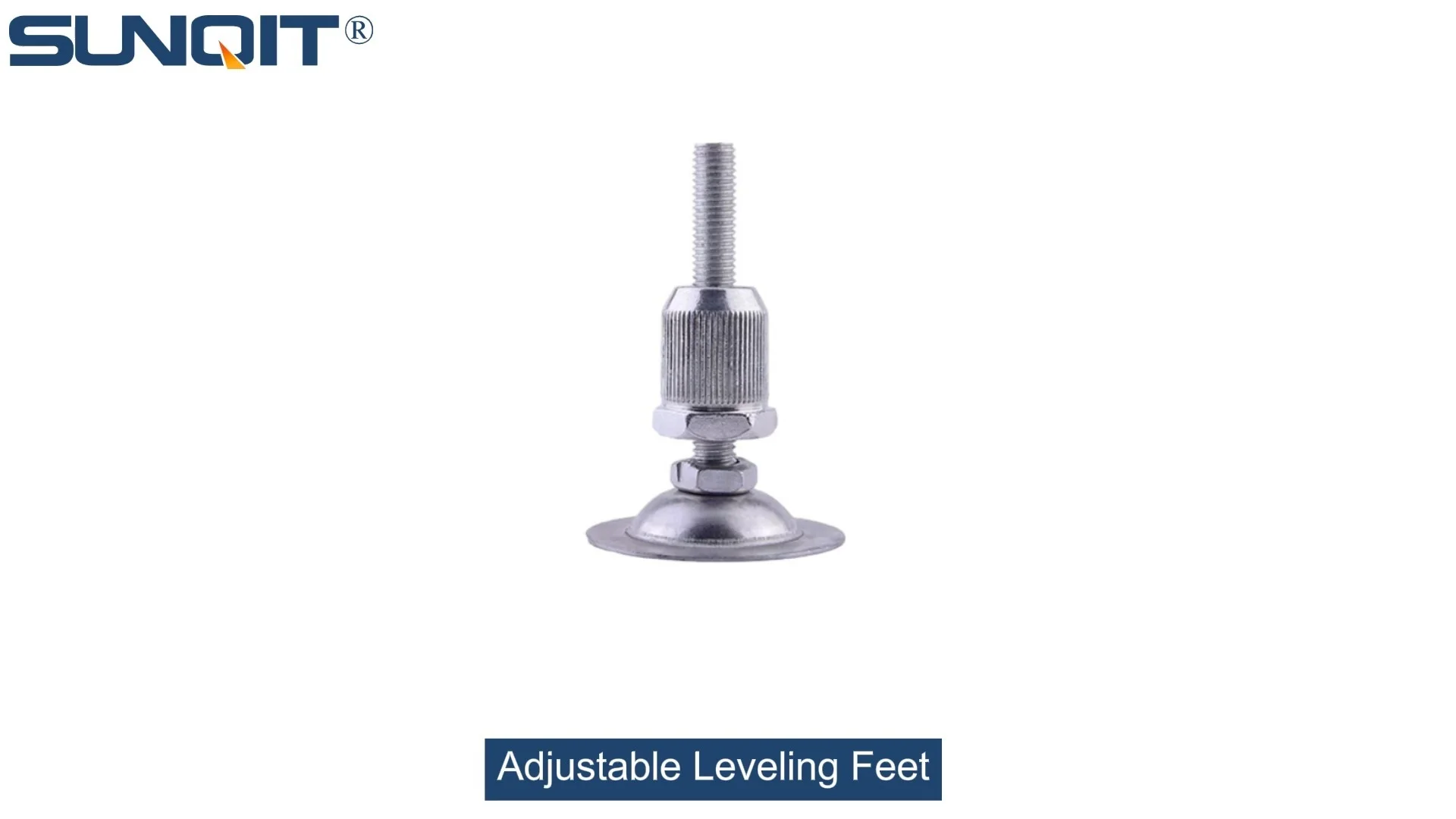
Adjustable Leveling Feet
Adjustable leveling feet are designed to keep machines level when placed on uneven or sloped ground. Otherwise known as adjustable equipment feet, they are available to order in a wide variety of size and load capacity combinations.
It's 8:15 AM on a Tuesday, and Maria, the warehouse manager at a mid-sized electronics distribution center, is already juggling a crisis. The morning shift just started, and a team member radioed in: "Rack B in Zone 3 is wobbling again. Nearly knocked over a pallet of circuit boards." Maria sighs. This isn't the first time. For months, the flow racks in that zone have been unstable—especially when forklifts pass by or when staff load heavy boxes. Last week, a box of fragile components toppled, costing the company $2,000 in damaged inventory. Worse, she's noticed the team moving slower around those racks, hesitant to work near something that feels "unsteady." Productivity is dipping, and so is morale. "We need to fix this—permanently," she mutters, grabbing her clipboard and heading to Zone 3.
If you've spent any time in a warehouse, you know flow racks are the unsung heroes of material handling. They keep inventory organized, ensure items move smoothly from receiving to shipping, and make picking orders a breeze. But when they wobble? They go from being assets to liabilities. Today, we're diving into why flow racks wobble, the hidden costs of ignoring the problem, and how one simple component—adjustable leveling feet—can turn things around. Let's start by understanding what flow racks are and why they matter.
What Are Flow Racks, and Why Do They Matter?
Flow racks (sometimes called "flow shelving" or "dynamic storage racks") are designed to let materials glide from the back to the front using gravity. Picture a sloped shelf lined with
roller tracks
—those small, rotating wheels that make it easy for boxes, bins, or pallets to slide forward as items are removed from the front. This setup follows the "first-in, first-out" (FIFO) principle, ensuring older inventory gets picked first, which is critical for perishables, time-sensitive parts, or products with expiration dates.
But flow racks aren't just about FIFO. They're space-savers, too. By utilizing vertical space and reducing the need for aisles between static shelves, they free up floor space for other operations—like forklift traffic or packing stations. In busy warehouses, where every square foot counts, that's a game-changer. They also cut down on walking time for pickers: instead of trekking to the back of a shelf, items come to them. For example, a study by the Material Handling Institute found that warehouses using flow racks saw a 25% increase in picking efficiency compared to static shelving. That's a lot of extra orders processed in a day.
But here's the catch: flow racks only work well when they're stable. If the frame is wobbly, the
roller tracks
get misaligned. Suddenly, boxes don't glide—they jam. Pickers have to stop, push or pull stuck items, and risk damaging both the inventory and the rack. Over time, that jostling can loosen bolts, bend metal, or even crack the rack's base. And if the rack is really unstable? There's a very real risk of collapse. Which brings us to the next question: why do flow racks wobble in the first place?
Why Do Flow Racks Wobble? The Usual Suspects
Wobbling isn't random. It's almost always a sign that something's off with the rack's foundation or structure. Let's break down the most common causes:
Uneven Floors:
Most warehouses have concrete floors, but very few are perfectly level. Over time, floors settle, crack, or develop low spots—especially in high-traffic areas where forklifts and pallet jacks constant pressure. A flow rack installed on an uneven floor will rock back and forth, like a table with a short leg.
Shoddy Installation:
Rushing through setup is a recipe for wobbles. If the rack's frame isn't squared properly, or if bolts are only hand-tightened (instead of using a torque wrench), the structure won't be rigid. Even something as small as missing a cross-brace can weaken the rack's stability.
Overloading:
Every flow rack has a weight limit—both per shelf and overall. When teams stack boxes heavier than the rack can handle, the frame bends or twists. Over time, this warps the metal, making the rack unstable even when it's empty.
Wear and Tear:
Warehouses are tough environments. Racks get bumped by forklifts, hit by pallet jacks, and exposed to temperature changes (which can cause metal to expand or contract). All that action loosens joints, bends legs, or wears down the feet that keep the rack grounded. Speaking of feet… that's where the problem often starts.
Many flow racks come with fixed feet—simple metal plates welded or bolted to the bottom of the frame. They work fine on perfectly level floors, but when the floor shifts or the rack takes a hit, they can't adjust. That's where adjustable leveling feet step in.

Adjustable Leveling Feet: The Simple Fix for Wobbly Racks
Adjustable leveling feet (sometimes called "leveling glides" or "height-adjustable feet") are exactly what they sound like: feet for industrial equipment that can be raised or lowered to compensate for uneven surfaces. They're made up of three main parts: a threaded stem (the "adjustable" part), a base plate (which sits on the floor), and a locking nut (to keep the foot in place once adjusted). Some models also have rubber or plastic pads on the base to prevent slipping or scratching floors.
Here's how they work: If one corner of the flow rack is sitting lower than the others (thanks to an uneven floor), you twist the stem to raise that foot until the rack is level. Tighten the locking nut, and the foot stays put—even when the rack is loaded or bumped. It's like using a wrench to fix a wobbly table, but industrial-strength.
But why are they better than fixed feet? Let's compare: Fixed feet are static. If the floor dips, the rack dips with it. Adjustable feet, on the other hand, adapt. They turn a "one-and-done" installation into a system that can evolve with your warehouse's needs—whether the floor shifts, you add heavier inventory, or you move the rack to a new location.

The Hidden Costs of Wobbly Racks (and How Leveling Feet Fix Them)
Wobbling might seem like a "minor annoyance," but it costs warehouses big time. Let's break down the hidden expenses—and how adjustable leveling feet eliminate them.
Safety Risks:
A wobbly rack is an accident waiting to happen. Even a small wobble can cause items to fall, leading to damaged inventory or—worse—injuries. OSHA reports that over 20,000 warehouse workers are injured each year due to falling objects, and unstable racks are a leading cause. Adjustable leveling feet stabilize the rack, reducing the risk of collapses or falling items. For Maria's team in Zone 3, that means no more nervous glances at the shelves while picking orders.
Productivity Loss:
When a flow rack wobbles, workers slow down. They hesitate to load heavy items, take extra time to steady boxes, or even avoid the rack altogether (opting for less efficient storage elsewhere). Over a week, that adds up to hours of lost productivity. Fix the wobble, and suddenly the team can work at full speed again. A study by the Warehouse Education and Research Council (WERC) found that stable storage systems improve pick rates by up to 18%—simply because workers feel confident and move faster.
Equipment Damage:
Wobbling puts stress on the flow rack's frame, joints, and
roller tracks
. Over time, that stress bends metal, loosens bolts, or cracks welds. Replacing a damaged rack can cost $1,000 or more—not to mention the downtime while the rack is out of service. Adjustable leveling feet reduce that stress by keeping the rack level and stable, extending its lifespan by years.
Inventory Loss:
When boxes teeter on wobbly shelves, they're more likely to tip, slide, or get crushed. For Maria's team, that $2,000 circuit board incident wasn't a fluke—it was a direct result of instability. Adjustable leveling feet keep shelves steady, so inventory stays secure. Over time, that adds up to thousands in saved inventory costs.

Choosing the Right Adjustable Leveling Feet for Your Flow Racks
Not all adjustable leveling feet are created equal. To get the most out of them, you need to choose the right type for your warehouse's needs. Let's break down the key factors to consider:
Load Capacity:
This is the most critical factor. Every leveling foot has a maximum weight it can support. For light-duty flow racks (holding small parts or boxes under 500 lbs per shelf), a standard foot with a 1,000-lb capacity might work. For heavy-duty racks (loaded with machinery parts or pallets), you'll need heavy-duty feet rated for 2,500 lbs or more. Always check the manufacturer's specs for your flow rack and choose feet that exceed the total weight of the rack plus its typical load.
Floor Type:
The material of the base plate matters. If your warehouse has concrete floors, a metal base plate is fine—but add a rubber pad to prevent slipping. For uneven or rough floors (like those with cracks), opt for a larger base plate (4" diameter or more) to distribute weight better. If you're on a finished floor (like in a retail backroom), plastic or rubber bases will avoid scratches.
Adjustment Range:
How much "play" do you need? If your floor has minor dips (less than ½ inch), a foot with a 1-inch adjustment range is enough. For more uneven floors, look for feet that adjust up to 2 inches or more. Pro tip: Measure the floor's unevenness first (using a level and ruler) to avoid buying feet that can't reach the needed height.
Material:
Leveling feet come in steel, stainless steel, or plastic. Steel is strong and affordable (great for most warehouses). Stainless steel is corrosion-resistant—ideal for cold storage or warehouses with high humidity (like food distribution centers). Plastic is lightweight and non-conductive (good for electronics warehouses where static is a concern).
To help you compare, here's a quick breakdown of common adjustable leveling feet options:
| Type | Material | Load Capacity (lbs) | Best For | Adjustment Range (in) |
|---|---|---|---|---|
| Standard Steel | Zinc-plated steel with rubber pad | 1,500 | General-purpose flow racks on concrete floors | 0.5 – 1.5 |
| Heavy-Duty Rubber | Steel stem with rubber base | 3,000 | Heavy load racks or uneven floors | 1.0 – 2.5 |
| Stainless Steel | 304 stainless steel (stem and base) | 2,000 | Cold storage, food warehouses, or corrosive environments | 0.75 – 2.0 |
| Low-Profile Plastic | Nylon with steel stem | 800 | Light-duty racks or finished floors (no scratches) | 0.25 – 1.0 |
Installing Adjustable Leveling Feet: A Step-by-Step Guide
Ready to install adjustable leveling feet on your flow racks? It's a straightforward process, but attention to detail is key. Here's how to do it right:
Step 1: Empty the Rack
Start by removing all inventory from the flow rack. You don't want boxes falling during installation, and an empty rack is easier to adjust.
Step 2: Inspect the Rack
Before installing feet, check the rack for damage. Are there bent legs? Loose bolts? Cracked welds? Fix those issues first—leveling feet can't compensate for structural damage.
Step 3: Remove Old Feet (If Needed)
If your rack has fixed feet, remove them using a wrench or socket set. Some feet are welded on—if that's the case, you may need to grind off the welds (wear safety gear!).
Step 4: Attach the Leveling Feet
Screw the adjustable feet into the rack's leg holes. Hand-tighten them first—you'll adjust the height next.
Step 5: Level the Rack
Place a spirit level on the top shelf of the rack. Start with one corner: twist the leveling foot's stem to raise or lower it until the level shows "flat." Move to the opposite corner and repeat. Then check the other two corners. Go back and forth until the entire rack is level (both side-to-side and front-to-back).
Step 6: Lock the Feet in Place
Once the rack is level, tighten the locking nut on each foot (the nut just above the base plate). This prevents the foot from twisting loose over time. Use a wrench to make sure it's snug—but don't over-tighten (you may need to readjust later if the floor shifts).
Step 7: Test It Out
Push gently on the rack from all sides. It should feel solid—no wobbling. Load a few boxes back onto the shelves and test again. If it still wobbles, double-check the level and adjust as needed.
Case Study: How ABC Electronics Fixed Wobbling Racks in 2 Hours
Let's circle back to Maria and her team at ABC Electronics. After the circuit board incident, she ordered a set of heavy-duty rubber adjustable leveling feet (rated for 3,000 lbs) and scheduled a two-hour installation window. Her team emptied the racks, removed the old fixed feet, and installed the new leveling feet. Using a spirit level, they adjusted each foot until the racks were perfectly stable. "It was surprisingly easy," Maria said. "We had the first rack done in 45 minutes, and the second in 30. The team was skeptical at first—'How can a few feet make that much difference?'—but by the end of the day, they were raving. No more wobbling, no more hesitation. Picking speeds went up, and we haven't had a single near-miss since." Three months later, ABC Electronics estimates they've saved $5,000 in inventory damage and gained 12 hours of productivity per week. "Best $300 we ever spent," Maria said.
Beyond Leveling Feet: Keeping Flow Racks Stable for the Long Haul
Adjustable leveling feet are a game-changer, but they work best when paired with good maintenance habits. Here are a few tips to keep your flow racks stable for years:
Check Levels Regularly:
Floors shift over time, especially in high-traffic areas. Do a quick level check every month—adjust the feet if needed. It takes 5 minutes and prevents big problems.
Tighten Bolts:
Vibration from forklifts and daily use loosens bolts. Do a monthly "bolt check" with a torque wrench to keep joints tight.
Inspect Roller Tracks:
Even with stable racks,
roller tracks
can get dirty or bent. Clean them regularly (a quick wipe with a rag works) and replace worn rollers. Smooth-rolling tracks reduce stress on the rack and keep inventory moving.
Train Your Team:
Make sure everyone knows the rack's weight limits. Post signs if needed. Overloading is one of the biggest causes of instability—so empower your team to say, "This is too heavy for the rack."
Final Thoughts: Stability = Success
Wobbly flow racks might seem like a small problem, but they have a big impact on safety, productivity, and your bottom line. Adjustable leveling feet are a simple, affordable solution that transforms unstable racks into reliable workhorses. For Maria and her team, the difference was night and day: happier workers, faster pick times, and zero more inventory losses. "I wish we'd done this months ago," she said. "It's amazing how something so small can make such a big difference."
So, if your warehouse has wobbly flow racks, don't wait for the next crisis. Grab a level, check those feet, and invest in adjustable leveling feet. Your team, your inventory, and your budget will thank you. After all, in warehousing, stability isn't just about racks—it's about success.