- Company Articles
- Products and Technology
- Solution
- Space Optimization: Compact Systems Built with Lean Pipe Clamp B

Space Optimization: Compact Systems Built with Lean Pipe Clamp B
Related Product
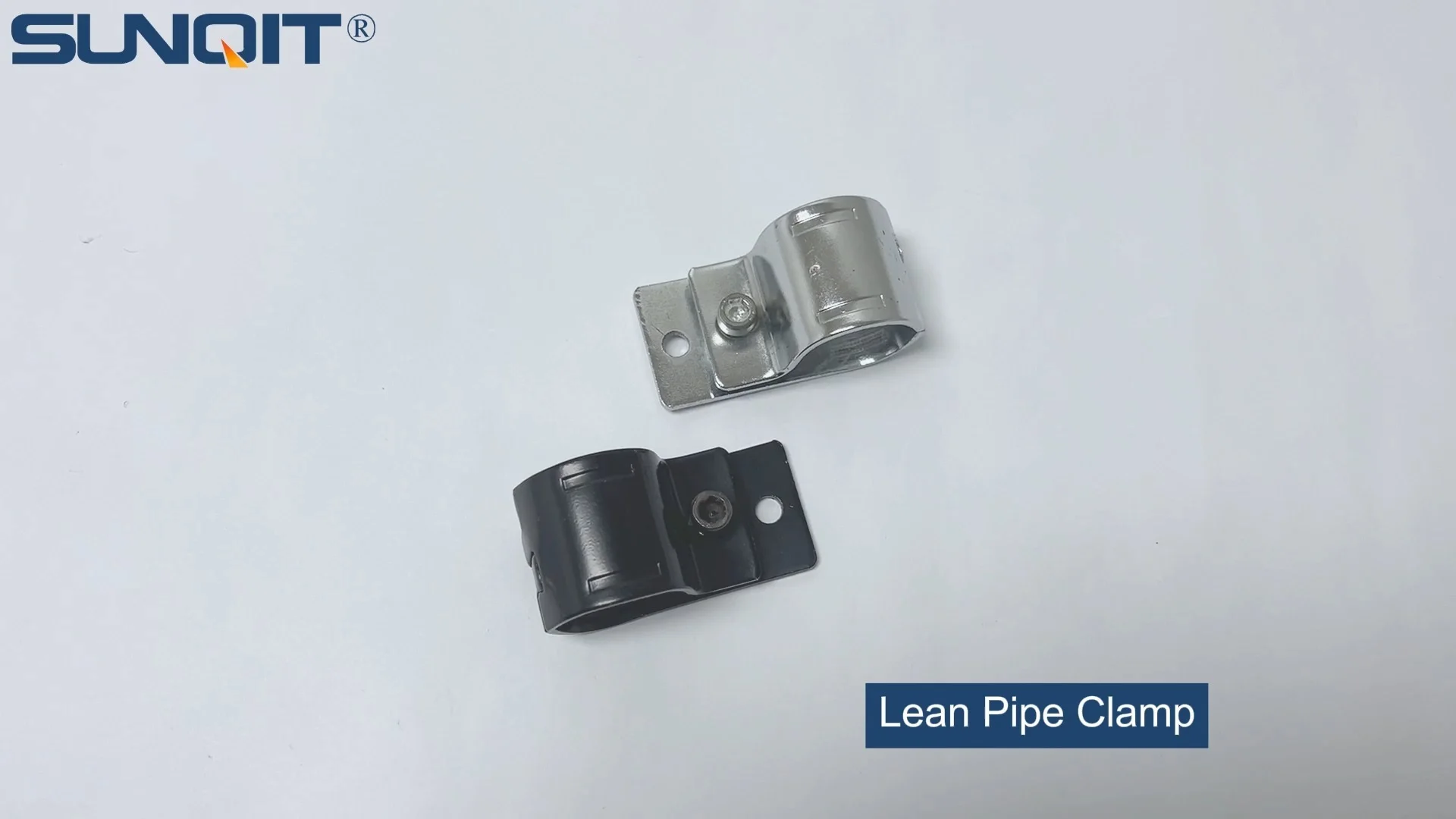
Lean Pipe Clamp
Lean pipe clamp is used for rack system hang monitor or other panel for workbenck, flowrack in production daily use.
Introduction: The Race for Space in Modern Workspaces
Walk into any manufacturing plant, warehouse, or assembly facility today, and you'll likely notice a common theme: the constant struggle to do more with less space. As production demands rise, supply chains grow more complex, and real estate costs soar, businesses are finding themselves squeezed—literally. A cluttered workspace isn't just an eyesore; it's a silent productivity killer. It slows down workflows, increases the risk of accidents, and makes it nearly impossible to adapt to changing needs. But what if there was a way to transform even the tightest corners into hubs of efficiency? Enter lean systems, and at their heart, a humble yet powerful component: the lean pipe clamp B.
In this article, we'll explore how lean pipe clamp B serves as the backbone of compact, modular systems that redefine space optimization. From workbenches that adjust to your team's needs to flow racks that keep materials moving without wasted square footage, we'll uncover how this unassuming joint is revolutionizing the way businesses think about their physical infrastructure. Whether you're a small workshop owner or a operations manager at a large factory, the insights here will show you that space optimization isn't just about squeezing more into less—it's about building smarter, more adaptable environments that grow with your goals.
The Challenge of Space: Why Traditional Workspaces Fall Short
Let's start by acknowledging the problem: space is expensive. In major industrial hubs, the cost per square foot of warehouse or factory space has increased by nearly 20% in the last five years alone, according to industry reports. For many businesses, expanding to a larger facility simply isn't feasible—not when margins are already tight. So, they make do with what they have, piling up inventory in corners, pushing workbenches closer together, and turning aisles into temporary storage zones. The result? A workspace that feels more like a maze than a well-oiled machine.
But the issues go beyond cost. A disorganized workspace disrupts the flow of materials and information. Imagine a technician having to walk 50 feet to grab a tool because the workbench is overcrowded, or a warehouse staffer spending 10 minutes searching for a part buried under a pile of boxes. These small delays add up: studies show that employees in cluttered environments lose up to 2.5 hours per week just navigating inefficiencies. Safety is another casualty. Trip hazards, blocked fire exits, and unstable storage structures turn workplaces into accident zones, leading to costly downtime and damaged morale.
Traditional fixed infrastructure only worsens the problem. Heavy, welded steel workbenches, static shelving units, and rigid conveyor systems are designed for a single purpose—and they stick to it. If your production line needs to shift from assembling small electronics to larger components, you're stuck: those fixed structures can't adapt. You either live with inefficiency or invest in expensive replacements. It's a lose-lose scenario that leaves businesses trapped in a cycle of waste.

Lean Systems: A Foundation for Efficiency
Enter lean systems—a philosophy turned practical solution that has transformed manufacturing since its origins in Toyota's production plants decades ago. At its core, lean thinking is about eliminating waste in all forms: waste of time, waste of materials, and yes, waste of space. Lean systems are built on the idea that every component of a workspace should serve a purpose, and that purpose should be flexible enough to evolve with changing needs.
Unlike traditional fixed infrastructure, lean systems are modular. They use lightweight, interchangeable components that can be assembled, disassembled, and reconfigured in minutes. Think of it like building with blocks: you start with a basic structure, then add, remove, or rearrange pieces as needed. This modularity is key to space optimization. Instead of dedicating a large area to a single, rigid machine, you can create a system that shrinks or expands based on daily demands. Need more assembly space on Monday? Take apart a temporary storage rack and repurpose the parts. Short on inventory space by Friday? Reassemble it just as quickly.
But lean systems aren't just about flexibility—they're about intentional design. Every element, from the height of a workbench to the angle of a flow rack, is chosen to minimize movement and maximize productivity. For example, a well-designed lean workbench places tools and materials within arm's reach, reducing the need for workers to stretch, bend, or walk. A lean flow rack uses gravity or roller tracks to move materials from receiving to assembly, ensuring a steady, uninterrupted flow without manual lifting. When combined, these elements turn a chaotic workspace into a symphony of efficiency—one where space is used as a strategic asset, not a limited resource.

Lean Pipe Clamp B: The Unsung Hero of Compact Design
If lean systems are the orchestra, then lean pipe clamp B is the conductor. This small, unassuming joint is what holds the entire modular ecosystem together—and makes its flexibility possible. But what exactly is a lean pipe clamp B, and why is it so critical to space optimization?
At first glance, lean pipe clamp B looks like a simple metal connector. It's typically made of durable materials like aluminum or steel, with a design that allows it to attach to lean pipes (also known as or "lean tubes") at various angles. But its true genius lies in its versatility. Unlike fixed welds or rigid bolts, lean pipe clamp B allows for 360-degree rotation and easy adjustment. Need to tilt a shelf to create a gravity-fed flow? Tighten the clamp at a 15-degree angle. Want to lower a workbench surface to accommodate a shorter worker? Loosen the clamp, adjust the pipe, and retighten. No special tools, no downtime—just quick, intuitive changes.
The secret to its design is in the grip. Lean pipe clamp B uses a combination of pressure and friction to secure pipes in place. Most models feature a screw mechanism that, when tightened, presses a metal jaw against the pipe, creating a hold strong enough to support heavy loads (often up to 500 pounds per joint) but gentle enough to allow repositioning when needed. This balance of strength and flexibility is what sets it apart from other connectors. Traditional joints might offer strength but lack adjustability; plastic connectors might be flexible but fail under heavy use. Lean pipe clamp B? It does both, making it ideal for everything from lightweight workbenches to heavy-duty material racks.
Another key feature is compatibility. Lean pipe clamp B is designed to work seamlessly with a wide range of lean pipes, including aluminum lean pipe, pe coated lean pipe, and even stainless steel pipe series. This means you don't have to invest in a whole new system if you want to switch materials—you can mix and match based on your needs. For example, use aluminum pipe for lightweight, corrosion-resistant workbenches in a cleanroom, and pe coated lean pipe for durable, cost-effective flow racks in a warehouse. Lean pipe clamp B will connect them all, creating a unified system that adapts to your environment.
Perhaps most importantly, lean pipe clamp B simplifies assembly. In traditional systems, building a workbench or rack requires welding, drilling, or specialized training. With lean pipe clamp B, anyone on your team can assemble a basic structure in under an hour. Just cut the pipes to length (or order pre-cut ones from a lean pipe supplier), slide on the clamps, and tighten the screws. This not only saves time but also empowers your team to take ownership of their workspace. If a line worker notices a better way to arrange a flow rack, they can make the change themselves—no need to wait for maintenance or external contractors.

Building Blocks: Materials and Accessories That Complement Lean Pipe Clamp B
Lean pipe clamp B is powerful on its own, but its true potential shines when paired with the right materials and accessories. Let's take a closer look at the components that, together with lean pipe clamp B, create compact, high-performance systems.
Lean Pipes: The Backbone
Lean pipes are the "rails" that lean pipe clamp B connects. They come in various materials, each with its own strengths:
-
Aluminum Lean Pipe:
Lightweight, corrosion-resistant, and sleek, aluminum lean pipe is perfect for clean environments like electronics assembly lines or medical device workshops. It's also easy to transport and reconfigure, making it ideal for temporary or frequently changing setups.
-
PE Coated Lean Pipe:
Made of steel with a plastic coating, PE coated lean pipe is durable and cost-effective. The coating adds a layer of protection against scratches and reduces noise, making it a popular choice for warehouses and manufacturing plants.
-
Stainless Steel Pipe Series:
For heavy-duty applications or environments with high moisture (like food processing or automotive), stainless steel pipes offer unmatched strength and rust resistance. They're slightly heavier but built to last decades.
Accessories: The Finishing Touches
No modular system is complete without accessories that enhance functionality. Here are a few must-haves:
-
Casters and Wheels:
Add casters to a workbench or trolley, and suddenly it becomes mobile. Lockable casters keep the structure stable when in use, while swivel wheels allow for easy maneuvering in tight spaces. This mobility is a game-changer for space optimization—you can roll a workstation out of the way when not in use, freeing up floor space.
-
Roller Tracks and Swivel Balls:
These accessories turn static shelves into dynamic flow systems. Roller tracks use wheels to slide materials smoothly from one end to another, while swivel roller balls (like the 1-inch stainless steel swivel roller balls) allow for omnidirectional movement. Pair them with lean pipe clamp B, and you can create gravity-fed flow racks that keep materials moving without manual effort.
-
Workbench Tops and Panels:
From basic plywood to ESD (electrostatic discharge) surfaces for sensitive electronics, workbench tops attach to lean pipe frames via clamps, creating sturdy, adjustable work surfaces. Some models, like Workbench E (single deck-without caster), are designed to be compact yet functional, with built-in storage for tools and supplies.
-
Joints and Connectors:
While lean pipe clamp B is the star, other joints (like 90-degree aluminum crossing joints or parallel aluminum joint A) add even more flexibility. They allow for complex configurations, such as T-shaped shelves or multi-level racks, without sacrificing stability.
The beauty of these materials and accessories is that they're all designed to work together. A lean pipe supplier will typically offer a full range of components, ensuring compatibility and consistency across your system. This means you can start small—say, with a single workbench—and expand over time, adding flow racks, conveyors, or trolleys as needed. No more buying separate systems that don't integrate; with lean components, everything clicks into place.
Real-World Applications: From Workbenches to Flow Racks
To truly understand the impact of lean pipe clamp B, let's look at how it's used in real-world scenarios. These examples show how compact systems built with this joint are transforming spaces across industries.
Case Study 1: The Adjustable Assembly Workbench A mid-sized electronics manufacturer was struggling with a fixed workbench setup. Their team of 20 assemblers varied in height, and the one-size-fits-all benches were leading to ergonomic issues and slowdowns. Worse, the benches took up so much space that adding a new production line seemed impossible. Enter lean pipe clamp B. The company worked with a lean pipe supplier to replace the fixed benches with modular ones built using aluminum lean pipe and lean pipe clamp B. Each bench could be adjusted in height by loosening the clamps and sliding the pipes up or down. Workers could now set their stations to their ideal height, reducing strain and increasing productivity by 15%. Plus, the benches were lightweight enough to be moved when not in use, freeing up 30% more floor space for the new production line.
Case Study 2: The Space-Saving Flow Rack A warehouse for a clothing retailer was drowning in inventory. Their traditional static shelves required wide aisles for forklifts, and materials often got stuck in the back, leading to stockouts and overstocking. The solution? A flow rack built with lean pipe clamp B, aluminum roller tracks, and swivel roller balls. The rack used gravity to move boxes from the top shelf (receiving) to the bottom (picking), with lean pipe clamp B allowing the shelves to be tilted at a precise angle for optimal flow. Narrower aisles were possible because the rack was lightweight and didn't require forklifts—workers could access materials from either side. The result? A 40% reduction in storage space needs and a 50% decrease in picking errors.
Case Study 3: The Mobile Conveyor System A food processing plant needed a way to move ingredients from the prep area to packaging without using valuable floor space for a permanent conveyor. They turned to lean pipe clamp B and roller track placon mounts. The team assembled a lightweight conveyor using pe coated lean pipe, roller tracks, and clamps that could be easily moved and stored when not in use. The clamps allowed the conveyor to be adjusted to different heights to match prep tables and packaging machines. When production ramped up during peak seasons, they added more sections to the conveyor; during slow periods, they disassembled it and stored the parts. This flexibility saved them from building a permanent structure, cutting costs by 60% and keeping the floor clear for other tasks.
| Application | Components Used | Space Saved | Key Benefit |
|---|---|---|---|
| Adjustable Workbench | Aluminum lean pipe, lean pipe clamp B, ESD workbench top, casters | 30% | Ergonomic customization, mobility |
| Flow Rack | PE coated lean pipe, lean pipe clamp B, aluminum roller track, swivel roller balls | 40% | Gravity-fed material flow, narrow aisles |
| Mobile Conveyor | Stainless steel pipe, lean pipe clamp B, roller track placon mounts, plastic roller track guide rail | 50% | Temporary setup, easy storage |
| Turnover Trolley | Basic aluminum tube, lean pipe clamp B, caster wheels, plastic pipe end caps | 25% | Multi-purpose use, compact storage |
These case studies share a common thread: lean pipe clamp B makes it possible to build systems that adapt to the space, not the other way around. Whether it's adjusting a workbench height, tilting a flow rack, or moving a conveyor, the flexibility of the clamp turns static spaces into dynamic, responsive environments.
Benefits Beyond Space: Cost, Flexibility, and Sustainability
While space optimization is the headline benefit of lean pipe clamp B systems, the advantages don't stop there. These modular setups deliver value across multiple areas of your business, from cost savings to sustainability.
Cost Savings: More Than Just Reduced Rent When you optimize space, you obviously save on real estate costs—whether by avoiding expansion or making better use of your current facility. But the cost benefits go deeper. Lean systems are significantly cheaper to install than traditional fixed infrastructure. Welding, custom fabrication, and heavy machinery are expensive; lean pipe clamp B and modular components, by contrast, are affordable and require minimal labor to assemble. And because they're reconfigurable, you won't have to replace entire systems when your needs change. A $500 lean workbench can be repurposed as a flow rack or trolley, saving you from buying new equipment. Over time, these savings add up: businesses report a 30-50% reduction in infrastructure costs after switching to lean systems.
Flexibility: Adapting to Market Changes In today's fast-paced business world, adaptability is survival. Consumer demands shift, supply chains disrupt, and new technologies emerge—often overnight. A rigid workspace can't keep up. Lean systems built with lean pipe clamp B, however, are designed for change. Need to pivot from producing widgets to gadgets? Reconfigure your assembly line in a day. Suddenly receiving larger shipments? Adjust your flow racks to accommodate bigger boxes. This agility allows businesses to stay competitive without the lag time and expense of rebuilding infrastructure.
Sustainability: Reducing Waste, One Clamp at a Time Sustainability isn't just a buzzword—it's a business imperative. Lean systems align perfectly with green initiatives by reducing waste. Traditional infrastructure often ends up in landfills when it's no longer needed; lean components, however, are reusable. A lean pipe clamp B can last for decades, moving from one system to another as needed. Many components are also made from recyclable materials like aluminum, which has a high recycling rate and low environmental impact. By choosing lean, businesses reduce their carbon footprint while also cutting costs—a win-win for the planet and the bottom line.
Safety: A Safer Workspace, Fewer Risks A cluttered, disorganized workspace is a dangerous one. Lean systems, with their intentional design, prioritize safety. Modular components are lightweight, reducing the risk of injury during assembly or reconfiguration. Roller tracks and flow racks minimize manual lifting, lowering the chance of strains. And because everything has a designated place, there are fewer trip hazards or unstable piles. Workers feel safer, which boosts morale and reduces downtime from accidents.
Choosing the Right Partner: Lean Pipe Suppliers Who Deliver
To unlock the full potential of lean pipe clamp B and modular systems, you need the right partner: a lean pipe supplier who understands your needs and offers quality, reliable components. But with so many suppliers on the market, how do you choose?
Quality First: Don't Sacrifice Durability for Price The cheapest lean pipe clamp B might seem like a good deal, but if it fails under load or rusts after a few months, it will cost you more in the long run. Look for suppliers who use high-grade materials (like aluminum or stainless steel) and rigorous testing standards. Ask about load capacities, corrosion resistance, and warranty periods. A reputable supplier will be transparent about their products' specs and happy to provide test reports or customer references.
Range of Products: One-Stop Shopping Building a lean system requires more than just clamps and pipes. You'll need accessories like casters, roller tracks, and workbench tops. Choosing a supplier with a full range of products ensures compatibility and saves you the hassle of coordinating with multiple vendors. Look for suppliers who offer everything from basic aluminum tubes to specialized ESD workbench accessories—this indicates they understand the full scope of lean systems.
Technical Support: Beyond the Sale Even the most modular systems can be tricky to design, especially if you're new to lean principles. A good lean pipe supplier will offer technical support to help you plan your space. This might include design consultations, CAD drawings, or on-site assembly guidance. Some suppliers even have in-house experts who can help you optimize your workflow before you buy a single component. This level of support ensures you get the most out of your investment and avoid costly mistakes.
Customization: Solutions Tailored to You Every business is unique, and off-the-shelf components might not always fit your needs. Look for suppliers who offer customization options, whether it's custom pipe lengths, specialized joints, or branded workbench tops. A supplier who is willing to adapt their products to your specific requirements is a partner invested in your success.
Lead Times and Reliability: Keeping Your Project On Track There's nothing worse than delaying a workspace optimization project because your components are on backorder. Choose a supplier with a reputation for reliable inventory and fast shipping. Ask about their lead times for standard and custom items, and read reviews from other customers to ensure they deliver on their promises.
Conclusion: Space Optimization as a Competitive Advantage
In a world where space is increasingly scarce and expensive, the ability to optimize every square foot isn't just a luxury—it's a competitive advantage. Lean systems, built on the foundation of lean pipe clamp B, offer a path to that advantage. They transform cluttered, inefficient workspaces into hubs of productivity, where every component serves a purpose and adapts to change.
We've explored how lean pipe clamp B, with its flexibility, strength, and compatibility, makes modular design possible. We've seen real-world examples of businesses saving space, cutting costs, and boosting safety with systems built using this humble joint. And we've discussed the importance of choosing the right lean pipe supplier to ensure quality and support.
But perhaps the most important takeaway is this: space optimization isn't just about moving things around. It's about rethinking how your workspace supports your people, your processes, and your goals. When you build with lean pipe clamp B, you're not just creating a system—you're creating a culture of efficiency, adaptability, and continuous improvement. And in today's fast-paced business landscape, that's the key to not just surviving, but thriving.
So, take a look at your workspace. What corners could be more efficient? What processes are slowed down by clutter? With lean pipe clamp B and the right partner, you have the power to transform those challenges into opportunities. The future of space optimization is modular, flexible, and within your reach—one clamp at a time.