- Company Articles
- Products and Technology
- Product knowledge
- Stabilizing Equipment on Uneven Floors: Suction Cup Anti-Slip Foot Adjusters

Stabilizing Equipment on Uneven Floors: Suction Cup Anti-Slip Foot Adjusters
Related Product
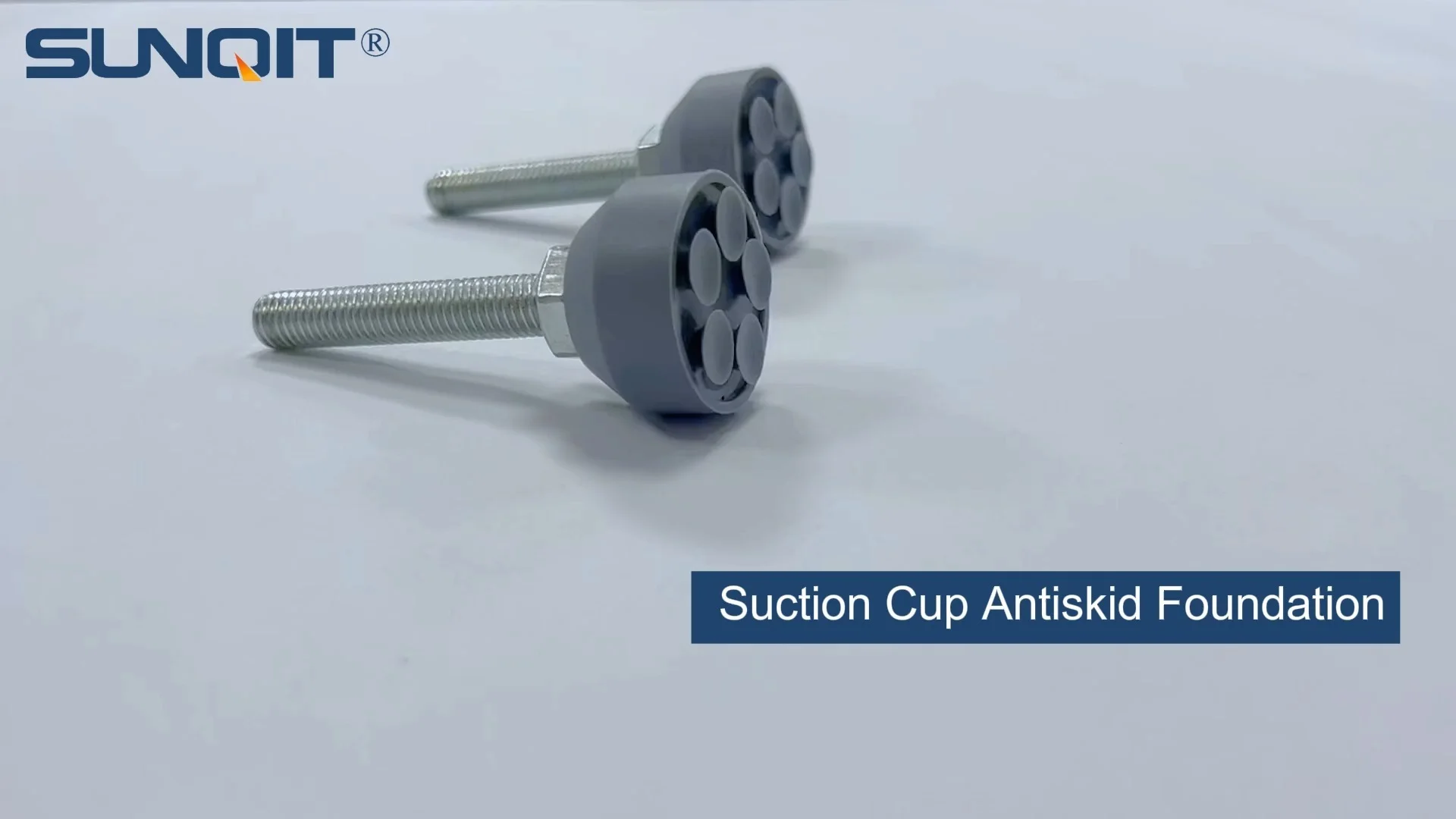
Suction Cup Anti-slip Foot Adjuster
D=35mm suction cup anti-slip foot adjusterï¼screw M10*55ï¼with a blot, used for workbench, flowrack pipe contact with groud.
Picture this: It's a Tuesday morning in a bustling electronics assembly workshop. Raj, a skilled technician, is hunched over a lean pipe workbench , carefully soldering a tiny circuit board. The hum of machinery fills the air, and the smell of flux hangs lightly in the space. But today, something's off. Every time Raj leans in to steady his hand, the workbench wobbles—just a little, but enough to make his soldering iron skip. He mutters under his breath, adjusts his position, and tries again. This time, the wobble knocks a small container of conductive paste off the edge, spilling onto the floor. "Great," he sighs, grabbing a rag. "Now I'm cleaning instead of building."
If you've ever worked in a factory, warehouse, or even a home workshop, you know the frustration Raj is feeling. Uneven floors are a silent productivity killer. They turn steady workbenches into rocking chairs, make conveyor belts misalign, and turn simple tasks into exercises in patience. But here's the thing: it's not just about annoyance. A wobbly workbench can lead to mistakes—like a misaligned part or a faulty solder joint. Over time, that translates to wasted materials, missed deadlines, and even safety risks. So, what's the solution? Enter the unsung hero of workshop stability: the suction cup anti-slip foot adjuster .
Why Uneven Floors Are More Than Just a Nuisance
Before we dive into how suction cup anti-slip foot adjusters work, let's talk about why uneven floors are such a common problem. Walk into any older industrial building, and you'll likely find floors that look like they've been through a war—cracks, dips, and uneven patches from years of heavy machinery, shifting foundations, or haphazard renovations. Even newer facilities aren't immune. Concrete floors can settle over time, especially in areas with high humidity or poor drainage. Add to that the fact that many workshops repurpose spaces, moving equipment like workbenches or conveyor systems from one spot to another, and suddenly you're dealing with a floor that wasn't designed for that specific layout.
The consequences of ignoring these uneven surfaces are surprisingly far-reaching. For starters, precision work—like assembling electronics, medical devices, or aerospace components—requires a steady base. A wobble of just a few millimeters can throw off measurements, leading to parts that don't fit or products that fail quality checks. Then there's the human cost: workers compensate for unstable equipment by tensing their muscles, leading to fatigue, back pain, or repetitive strain injuries. And let's not forget safety. A workbench that rocks when someone leans on it increases the risk of tools, parts, or chemicals falling off. In extreme cases, unstable heavy machinery could even tip over, putting lives at risk.
For years, workshops relied on quick fixes: stacking shims under wobbly legs, wrapping tape around uneven feet, or even using chunks of wood to prop up equipment. But these band-aids are temporary at best. Shims slip, tape loses its stickiness, and wood warps. They're also imprecise—adding or removing a shim by fractions of an inch is a tedious guessing game. What's needed is a solution that's adjustable, secure, and built to last. That's where suction cup anti-slip foot adjusters come in.
What Are Suction Cup Anti-Slip Foot Adjusters, Anyway?
At first glance, you might mistake a suction cup anti-slip foot adjuster for a regular adjustable leveling foot —and in some ways, they are similar. Both are designed to level equipment by adjusting height. But the magic is in the details. Unlike standard leveling feet, which typically have a flat or rubber-padded base, these adjusters feature a built-in suction cup. Think of it as a hybrid: the height-adjusting power of a leveling foot, combined with the gripping force of a suction cup, all wrapped up in a durable, industrial-grade package.
Let's break down the components. Most suction cup anti-slip foot adjusters have three main parts: the suction cup itself (usually made of rubber or silicone for flexibility and grip), a threaded rod (which screws up or down to adjust height), and a mounting plate (which attaches to the bottom of the equipment). The suction cup is the star here—it's designed to create a vacuum seal with the floor when pressed down, locking the adjuster in place. The threaded rod lets you fine-tune the height, so you can compensate for even the trickiest floor dips. And the mounting plate ensures a secure connection to your workbench, conveyor, or machinery.
What makes these adjusters stand out is their dual-action stability. First, the height adjustment lets you level the equipment, eliminating wobble. Second, the suction cup and anti-slip material (often textured rubber) create friction between the adjuster and the floor, preventing the equipment from sliding—even if there's oil, water, or debris on the ground. It's like giving your workbench feet that can both "stand tall" and "hold on tight."

How Suction Cup Anti-Slip Foot Adjusters Solve the Stability Puzzle
To understand why these adjusters work so well, let's walk through a typical scenario. Imagine Raj's lean pipe workbench again. It has four standard leveling feet, but the floor under one corner is slightly lower, causing the bench to rock. When Maria, the shop supervisor, replaces those feet with suction cup anti-slip adjusters, here's what happens:
1. Height Adjustment: Maria unscrews the threaded rod on the adjuster under the low corner, extending it until the workbench is level. She checks with a spirit level—no more rocking. The adjuster's rod is precise, so she can dial in the height to within a millimeter, ensuring perfect balance.
2. Suction Seal: Once level, Maria presses down firmly on the workbench. This pushes the suction cup against the floor, squeezing out air and creating a vacuum seal. The rubber cup conforms to minor floor imperfections, ensuring maximum contact area. It's like sticking a suction cup to a window—once it's sealed, it takes effort to pull it off.
3. Anti-Slip Grip: The suction cup's surface is textured, and the rubber material has high friction. Even if oil drips from a tool onto the floor, the anti-slip properties prevent the workbench from sliding. This is a game-changer in workshops where spills are common—no more chasing a workbench that creeps across the floor when someone leans on it.
The result? Raj's workbench is steady as a rock. He can solder without worrying about the iron skipping, and the conductive paste stays safely on the bench. Productivity picks up, mistakes drop, and Raj goes home without a sore back from compensating for wobbles. It's a small change with a big impact.

The Benefits of Suction Cup Anti-Slip Foot Adjusters: More Than Just Stability
Stability is the headline benefit, but suction cup anti-slip foot adjusters offer a host of other advantages that make them worth investing in. Let's break them down:
1. Versatility Across Floor Types
Whether your workshop has concrete, tile, epoxy, or even slightly rough floors, these adjusters work. The suction cup's flexible material conforms to different textures, and the anti-slip grip holds on everything from smooth polished concrete to slightly porous tile. They even work on floors with minor cracks or bumps—unlike rigid metal feet, which would just sit on top of imperfections.
2. Durability for Industrial Use
Workshops are tough environments—oil, chemicals, heavy loads, and constant use take a toll on equipment. Suction cup anti-slip foot adjusters are built to withstand this abuse. The suction cups are made from industrial-grade rubber or silicone, resistant to oils, greases, solvents, and UV rays. The threaded rods are often zinc-plated or stainless steel, preventing rust and corrosion. Even the mounting plates are thick and sturdy, designed to handle loads ranging from 100kg for small workbenches to over 1000kg for heavy machinery.
3. Easy Installation (No Expertise Required)
You don't need to be a mechanic or engineer to install these adjusters. Most come with standard threaded inserts that fit common workbench leg sizes (like M10 or M12 threads). Simply unscrew the old feet, screw in the new adjusters, adjust the height, and press to seal the suction cup. It takes 10–15 minutes per workbench, and you can do it with basic tools—a wrench and a spirit level. No drilling, welding, or special training needed.
4. Cost-Effective in the Long Run
While suction cup anti-slip foot adjusters cost more than a bag of shims or a roll of tape, they're a smart investment. Think about it: shims need replacing regularly, and mistakes from unstable equipment cost money in wasted parts and labor. A set of four adjusters might cost $50–$100, but they'll last for years, preventing costly errors and reducing downtime. It's a classic case of spending a little now to save a lot later.

Choosing the Right Suction Cup Anti-Slip Foot Adjuster for Your Needs
Not all suction cup anti-slip foot adjusters are created equal. To get the best results, you'll need to match the adjuster to your equipment and workspace. Here are the key factors to consider:
Load Capacity
Every adjuster has a maximum load it can support. A small workbench used for light assembly might only need adjusters rated for 200kg per foot, while a heavy-duty CNC machine could require 1000kg+ per foot. Check the total weight of your equipment, divide by the number of feet, and choose adjusters with a capacity that exceeds that number (it's better to over-engineer than under). Most manufacturers list load capacity clearly in their product specs.
Suction Cup Material
Rubber and silicone are the most common suction cup materials. Rubber is durable and offers excellent friction, making it ideal for rough or oily floors. Silicone is more flexible, conforming better to uneven surfaces, and it's resistant to high temperatures—great for workshops with heat sources like ovens or welding stations. If your workspace uses harsh chemicals, look for chemical-resistant options (some manufacturers offer cups made from Viton or other specialty materials).
Size and Thread Type
Adjusters come in different sizes, from small (50mm diameter cups) for light equipment to large (100mm+ diameter) for heavy machinery. The threaded rod also needs to match your equipment's leg threads. Most workbenches and lean pipe systems use standard metric threads (M8, M10, M12), but it's worth measuring the existing threads or checking the equipment manual to avoid mismatches.
Environmental Considerations
Think about your workshop's conditions. Do you work in a wet environment (like a food processing plant)? Look for adjusters with drainage holes in the suction cup to prevent water buildup. In cleanrooms or medical facilities, choose adjusters with smooth surfaces that are easy to sanitize. For outdoor use (yes, some workshops have covered outdoor areas), opt for UV-resistant materials to prevent the suction cup from cracking in sunlight.
Suction Cup Adjusters vs. Other Stability Solutions: A Comparison
To truly appreciate the value of suction cup anti-slip foot adjusters, let's compare them to other common stability solutions. The table below breaks down how they stack up against regular adjustable leveling feet , caster wheels, and shims:
| Feature | Suction Cup Anti-Slip Foot Adjusters | Regular Adjustable Leveling Feet | Caster Wheels (Locking) | Shims/Wood Blocks |
|---|---|---|---|---|
| Stability | Excellent—levels precisely and prevents sliding via suction/anti-slip grip | Good for leveling, but no anti-slip; equipment can slide on smooth floors | Poor—locks can slip, and casters add height instability | Fair—levels temporarily, but shims slip or compress over time |
| Safety | High—prevents tipping, sliding, and falls; reduces worker fatigue | Medium—levels equipment but doesn't prevent sliding | Low—risk of unlocked casters rolling; uneven floors increase tipping risk | Low—shims can dislodge, causing sudden wobbles |
| Adjustability | High—precise height adjustment via threaded rod (±0.5mm) | High—same threaded rod design, but no suction | Low—casters have fixed height; leveling requires additional shims | Low—crude adjustment; adding/removing shims is imprecise |
| Durability | Long-lasting (5–10 years); rubber/silicone cups resist wear, oil, and chemicals | Long-lasting (5–10 years), but metal feet can scratch floors | Medium (3–5 years); wheels wear, locks fail, bearings rust | Short (weeks–months); shims crack, wood warps, tape loses stickiness |
| Best For | Precision workbenches, assembly stations, heavy machinery, cleanrooms | Stable floors where sliding isn't a concern (e.g., workshops with rough concrete) | Equipment that needs frequent movement (e.g., mobile tool carts) | Emergency temporary fixes or low-budget, low-precision setups |
As you can see, suction cup anti-slip foot adjusters outperform other solutions in key areas: stability, safety, and long-term reliability. They're not the right choice for equipment that needs to move daily (casters still win there), but for stationary or semi-stationary setups like lean pipe workbenches, assembly lines, or testing stations, they're unbeatable.
Real-World Results: How One Workshop Transformed with Suction Cup Adjusters
To put this in perspective, let's look at a real example. PrecisionTech, a small electronics assembly company in Ohio, was struggling with unstable workbenches. Their lean pipe workbenches, used for assembling circuit boards, were wobbling due to uneven concrete floors. The result: 15% of their boards failed initial quality checks because of misaligned components. Workers were complaining about neck and shoulder pain from tensing up to steady their hands. The shop manager, Lisa, tried shims and regular adjustable feet, but the problems persisted.
In desperation, Lisa ordered a set of suction cup anti-slip foot adjusters for one workbench as a test. Within a week, the results were clear: the test workbench's failure rate dropped to 2%, and the operator reported less fatigue. Encouraged, Lisa outfitted all 12 workbenches with adjusters. Six months later, PrecisionTech's overall failure rate was down 11%, and worker compensation claims for back pain had dropped by 40%. "It was like flipping a switch," Lisa said. "We went from constant frustration to smooth sailing. The adjusters paid for themselves in the first month."
Maintenance Tips to Keep Your Adjusters Working Like New
Suction cup anti-slip foot adjusters are low-maintenance, but a little care will extend their life and performance:
1. Clean the Suction Cups Regularly: Dust, dirt, and oil can break the suction seal. Wipe the cups with a damp cloth every week to remove debris. For stubborn grime, use mild soap and water—avoid harsh chemicals that can degrade rubber.
2. Check Threaded Rods for Rust: If your workshop is humid, the threaded rod might develop rust. Wipe it with a dry cloth and apply a light coat of machine oil to prevent corrosion. This ensures smooth height adjustments.
3. Inspect for Wear: Over time, the suction cup's edges might crack or the anti-slip texture could wear down. replace adjusters if you notice cracks, tears, or reduced grip—most manufacturers recommend replacing every 3–5 years, depending on use.
4. Re-Seal Suction Cups After Moving Equipment: If you move a workbench, the suction cup seal will break. Re-adjust the height and press down to re-seal it before use.
Final Thoughts: Stability as a Foundation for Success
In the world of manufacturing and assembly, success hinges on small details. A steady workbench might not seem glamorous, but it's the foundation of precision, productivity, and safety. Suction cup anti-slip foot adjusters are a simple, affordable way to turn wobbly chaos into rock-solid stability. They're not just tools—they're investments in your team's well-being, your products' quality, and your business's bottom line.
So, the next time you walk through your workshop and hear the telltale wobble of a workbench, don't reach for a shim. Think about Raj, Lisa, and the countless other workers who've discovered the difference a stable base can make. With suction cup anti-slip foot adjusters, you're not just fixing a wobbly leg—you're building a better, safer, more efficient workspace. And that's something everyone can stand behind.