- Company Articles
- Products and Technology
- Product knowledge
- Stainless Steel Swivel Roller Balls 1 Inch: Compatibility with Different Surface Materials

Stainless Steel Swivel Roller Balls 1 Inch: Compatibility with Different Surface Materials
Related Product
Stainless Steel Swivel Roller Balls 1 Inch
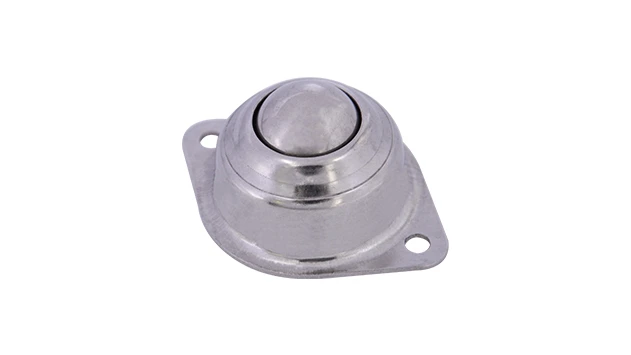
Swivel roller ball casters are convenient and flexible to roll,high-speed and stable operation, used for rotating and changing the direction of the conveyor.Ball transfer unit is made of high quality carbon steel, anti-corrosion and wear resistance.
Introduction: The Unsung Hero of Smooth Material Flow
Walk into any modern manufacturing facility, and you'll notice a silent rhythm powering the production line—materials gliding across workbenches, components sliding down racks, and products moving seamlessly through assembly stations. Behind this fluid motion often lies a small but critical component: the swivel roller ball. Among these, the 1-inch stainless steel swivel roller ball stands out for its durability and versatility, especially when paired with different surface materials. In industries like 3C assembly, medical device manufacturing, and automotive production, where precision and efficiency are non-negotiable, understanding how these roller balls interact with various surfaces isn't just a technical detail—it's the key to unlocking smoother workflows, reducing downtime, and extending equipment life.
This article dives deep into the compatibility of 1-inch stainless steel swivel roller balls with common surface materials in manufacturing. We'll explore why material pairing matters, how different surfaces affect performance, and real-world applications where this small component makes a big difference. Whether you're designing a new workbench , optimizing a flow rack , or upgrading a conveyor system, this guide will help you make informed choices that align with lean manufacturing principles of "reusability" and "sustainable improvement."
Meet the Star: What Makes 1-Inch Stainless Steel Swivel Roller Balls Unique?
Before we jump into compatibility, let's get to know the product itself. Stainless steel swivel roller balls—specifically the 1-inch variant—are engineered for heavy-duty use in industrial settings. Made from high-grade stainless steel (often 304 or 316), they resist corrosion, withstand frequent contact with oils and chemicals, and maintain their shape under consistent weight. The "swivel" design allows 360-degree rotation, ensuring materials can move in any direction with minimal friction, while the 1-inch size strikes a balance between load capacity (typically up to 50 lbs per ball) and adaptability to various surface types.
But what truly sets them apart is their role in lean systems. In a lean solution setup, every component should contribute to reducing waste—whether it's time, effort, or resources. These roller balls excel here: they're easy to install, replace, and reconfigure, making them ideal for dynamic environments where production lines evolve based on demand. Now, let's explore how this adaptability translates when paired with different surfaces.

Compatibility Breakdown: How 1-Inch Stainless Steel Roller Balls Perform on Key Surfaces
Not all surfaces are created equal, and neither is their interaction with roller balls. A surface's texture, hardness, and chemical resistance directly impact how smoothly materials move, how much wear the roller balls endure, and even how much noise is generated. Below is a detailed analysis of compatibility with the most common materials in manufacturing settings:
| Surface Material | Compatibility Level | Key Advantages | Potential Challenges | Best For |
|---|---|---|---|---|
| Aluminum Profiles | High | Smooth finish, lightweight, corrosion-resistant | Softness may cause minor scratches under heavy loads | Lean pipe workbenches, flow racks, aluminum guide rails |
| Steel (Galvanized/Stainless) | Very High | Extreme hardness, minimal wear, chemical resistance | Heavier than aluminum; requires secure mounting | Heavy-duty conveyors, turnover trolleys, material racks |
| Plastic (PVC/PP) | Medium-High | Cost-effective, noise reduction, non-conductive (ESD-safe options) | Prone to indentation under constant heavy loads | ESD workstations, medical device assembly lines |
| Wood (Plywood/Hardwood) | Medium | Natural shock absorption, easy customization | Porosity traps dust; uneven surfaces affect flow | Temporary workstations, packaging areas |
| Composite Materials (Fiberboard/Acrylic) | Medium | Customizable finishes, lightweight | Low heat resistance; may warp in humid environments | Display racks, light-duty assembly tables |
1. Aluminum Profiles: The Lean System Favorite
Aluminum profiles—think lean pipe systems and aluminum guide rails—are the backbone of modern lean manufacturing. Their smooth, anodized finish pairs exceptionally well with stainless steel roller balls. The low friction between aluminum and stainless steel means materials glide with minimal effort, reducing worker fatigue and speeding up tasks like component transfer on a workbench E (single deck-without caster) . Aluminum's natural corrosion resistance also ensures the roller balls won't react with the surface, even in humid factory environments.
One thing to note: aluminum is softer than steel, so while it's durable for most applications, heavy loads (over 100 lbs per square foot) may cause minor scratches over time. To mitigate this, many manufacturers opt for reinforced aluminum profiles or add a protective film—small adjustments that align with the "sustainable improvement" ethos of lean systems.
2. Steel Surfaces: Built for Heavy-Duty Reliability
When it comes to raw durability, steel surfaces (galvanized or stainless) are unmatched. Stainless steel roller balls and steel surfaces form a "match made in manufacturing heaven"—both are hard, resistant to dents, and unaffected by oils, coolants, or cleaning agents commonly used in automotive or machinery production. This combination is ideal for high-traffic areas like conveyor systems, where roller balls endure constant contact with metal parts.
Take, for example, a material rack B (3 row and 3 floor) in an automotive plant. Loaded with heavy engine components, the steel rack surface and stainless steel roller balls work together to ensure smooth, consistent sliding—no sticking, no jamming, just reliable performance shift after shift. The only tradeoff? Steel surfaces add weight, so they're best suited for stationary or permanently mounted equipment rather than mobile trolleys.
3. Plastic Surfaces: Quiet, Cost-Effective, and ESD-Friendly
Plastic surfaces like PVC or polypropylene (PP) are a popular choice in industries where noise reduction and electrostatic discharge (ESD) protection are priorities—think 3C assembly or medical device manufacturing. When paired with stainless steel roller balls, plastic surfaces significantly cut down on operational noise (a big win for worker comfort) and, with ESD-safe plastic variants, prevent static damage to sensitive electronics.
However, plastic is softer than metal, so it's important to monitor for indentations, especially under heavy or sharp-edged materials. For instance, in an ESD workstation handling circuit boards, using plastic guide rails with 1-inch roller balls works beautifully—just avoid overloading the surface beyond its weight capacity. Many manufacturers solve this by reinforcing plastic with a thin aluminum backing, blending the best of both materials.
4. Wood and Composites: The Underdogs with Niche Strengths
Wood and composite surfaces (like fiberboard or acrylic) aren't as common in high-volume production lines, but they shine in specialized roles. Wood's natural shock absorption makes it ideal for workstations where delicate components are handled, while composites offer custom finishes for display or packaging areas. With stainless steel roller balls, these surfaces can still deliver smooth material flow—provided the surface is sealed and level.
The main challenge? Wood's porosity can trap dust and debris, which can gunk up roller balls over time. Regular cleaning (a quick wipe with a dry cloth) solves this issue, making wood a viable, budget-friendly option for temporary or low-volume setups. Composites, on the other hand, may warp in humid environments, so they're best used in climate-controlled areas like cleanrooms.

Real-World Applications: Where Compatibility Drives Efficiency
Understanding compatibility isn't just about theory—it's about seeing how it plays out on the factory floor. Let's look at three scenarios where 1-inch stainless steel swivel roller balls and surface material pairing directly impact productivity:
Scenario 1: 3C Assembly Workbench
In a 3C assembly line (think smartphones or laptops), precision and speed are critical. A lean pipe workbench with an aluminum profile surface and 1-inch stainless steel roller balls becomes the heart of the operation. Workers slide circuit boards, screens, and casings across the bench with minimal effort, reducing time spent lifting and repositioning components. The aluminum-stainless steel combo ensures smooth movement without scratching delicate parts, while the roller balls' swivel design allows for multi-directional adjustment—perfect for assembling products with complex geometries.
Scenario 2: Medical Device Flow Rack
Medical device manufacturing demands strict hygiene and ESD protection. A flow rack with ESD-safe plastic shelves and stainless steel roller balls ticks both boxes. Plastic surfaces prevent static buildup, while the roller balls allow sterilized components (like surgical tool parts) to glide down the rack without contamination. The compatibility here isn't just about movement—it's about compliance; the non-reactive nature of stainless steel and plastic ensures no chemical leaching, keeping products safe for medical use.
Scenario 3: Automotive Conveyor System
Automotive plants are all about heavy loads and constant motion. A steel-frame conveyor system paired with 1-inch stainless steel roller balls is built to handle this. From engine blocks to door panels, materials move smoothly even under extreme weight, thanks to the steel-steel compatibility that minimizes wear. Maintenance teams also appreciate this pairing: with minimal friction, there's less heat generated, reducing the need for frequent lubrication and extending the conveyor's lifespan.
Installation & Maintenance Tips: Maximizing Compatibility Long-Term
Even the best roller ball-surface pairing can underperform without proper installation and care. Here are practical tips to ensure compatibility stays strong over time:
- Prep the Surface First: ,,,.,,.,.
- Use the Right Mounting Hardware: ——,,.,.
- Monitor Load Distribution: .(),.
- Regular Cleaning & Lubrication: ;(,).
- replace Worn Components Promptly: ,.,——.
Why This Matters for Your Lean System
At the end of the day, compatibility between 1-inch stainless steel swivel roller balls and surface materials is about more than smooth movement—it's about building a lean system that's efficient, adaptable, and cost-effective. When materials flow without resistance, workers focus on value-adding tasks instead of fighting stuck components. When roller balls and surfaces wear evenly, replacement costs drop, and equipment life extends. And when every component works in harmony, your production line becomes a well-oiled machine capable of scaling with demand.
For businesses investing in lean solutions , this attention to detail is what separates "good" from "great." Whether you're designing a custom workstation, upgrading a flow rack, or overhauling a conveyor system, choosing the right roller ball-surface pair isn't an afterthought—it's a strategic decision that pays dividends in productivity, worker satisfaction, and bottom-line results.
Conclusion: Small Component, Big Impact
The 1-inch stainless steel swivel roller ball may be small, but its compatibility with different surface materials is a cornerstone of modern manufacturing efficiency. From aluminum workbenches to steel conveyors, from plastic ESD stations to wood packaging areas, this versatile component adapts, performs, and drives lean principles forward. By understanding how it interacts with each surface type, you're not just optimizing material flow—you're building a production line that's resilient, adaptable, and ready to meet the challenges of tomorrow's manufacturing landscape.
So, the next time you walk through your facility, take a closer look at those rolling components. Behind their silent motion is a story of compatibility, innovation, and the relentless pursuit of better—one swivel at a time.