- Company Articles
- Products and Technology
- Product knowledge
- Stainless Steel Swivel Roller Balls 1 Inch: Corrosion Resistance & Durability Insights

Stainless Steel Swivel Roller Balls 1 Inch: Corrosion Resistance & Durability Insights
Related Product
Stainless Steel Swivel Roller Balls 1 Inch
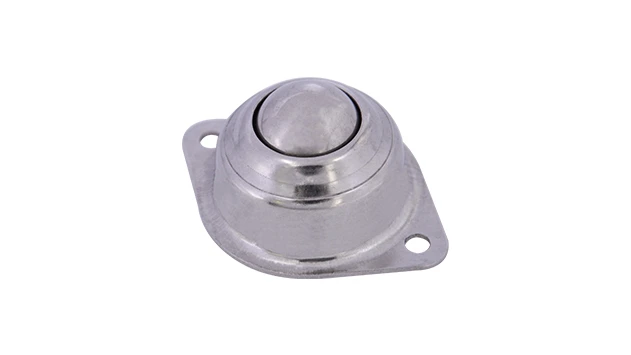
Swivel roller ball casters are convenient and flexible to roll,high-speed and stable operation, used for rotating and changing the direction of the conveyor.Ball transfer unit is made of high quality carbon steel, anti-corrosion and wear resistance.
In the fast-paced world of manufacturing, where every second counts and efficiency is king, it's often the smallest components that make the biggest difference. Take a walk through any production floor, warehouse, or assembly line, and you'll notice a silent hero hard at work: stainless steel swivel roller balls 1 inch . These unassuming little spheres might not grab headlines, but they're the unsung champions behind smooth material flow, reduced labor strain, and the seamless operation of critical equipment like flow racks, conveyors, and workbenches. Today, we're diving deep into what makes these roller balls essential—focusing on their unbeatable corrosion resistance, impressive durability, and how they fit into the bigger picture of lean manufacturing systems.
What Are Stainless Steel Swivel Roller Balls 1 Inch?
Let's start with the basics. Stainless steel swivel roller balls 1 inch are precision-engineered components designed to enable smooth, multi-directional movement of materials. As the name suggests, they're made from high-grade stainless steel, measure 1 inch in diameter (about 25.4mm), and feature a swivel design that allows them to rotate freely in 360 degrees. This combination of size, material, and mobility makes them incredibly versatile across a range of industrial applications.
Unlike fixed rollers or rigid casters, these swivel balls aren't locked into a single direction. Picture a tiny, super-strong ball bearing that can glide in any direction with minimal friction—that's exactly what we're talking about. Whether it's a box of components sliding down a flow rack, a circuit board being maneuvered on an ESD workstation, or a heavy part moving along a conveyor, these roller balls work behind the scenes to reduce resistance and keep things moving.
But why 1 inch? Size matters here. A 1-inch diameter strikes the perfect balance between load capacity and flexibility. It's large enough to handle moderate to heavy weights (we're talking hundreds of pounds in some setups) without sacrificing the smooth, effortless movement that's critical in busy work environments. And when paired with stainless steel, this size becomes even more powerful—offering a level of resilience that plastic or standard steel roller balls just can't match.
The Core Advantages: Corrosion Resistance & Durability
If there's one thing manufacturers hate, it's equipment that fails prematurely—especially in harsh environments. That's where stainless steel swivel roller balls 1 inch truly shine. Let's break down their two biggest selling points: corrosion resistance and durability.
Corrosion Resistance: Built to Battle the Elements
Stainless steel is famous for its ability to resist rust and corrosion, and for good reason. It contains chromium, which forms a thin, invisible oxide layer on the surface when exposed to oxygen. This layer acts like a shield, protecting the underlying metal from moisture, chemicals, and other corrosive elements. For manufacturing facilities dealing with humidity (like those in coastal areas), frequent cleaning with water or detergents, or even exposure to mild chemicals (common in 3C assembly or medical device production), this is a game-changer.
Imagine a warehouse where flow racks hold metal components in a humid climate. Without stainless steel, standard steel roller balls would start rusting within months, leading to sticky, jerky movement, increased maintenance, and eventually, costly replacements. Stainless steel swivel roller balls 1 inch? They laugh off moisture. Even in environments where spills happen or cleaning agents are used daily, they maintain their smooth rotation and structural integrity. This isn't just about longevity—it's about reliability. When your production line depends on consistent material flow, the last thing you need is a rusted roller ball causing delays.
Durability: Made to Outlast the Daily Grind
Manufacturing floors are tough places. Heavy loads, constant use, accidental impacts, and regular wear and tear are all part of the routine. Stainless steel swivel roller balls 1 inch are built to handle this chaos. Stainless steel itself is a tough material—hard, scratch-resistant, and able to withstand repeated stress without deforming. Unlike plastic roller balls, which can crack under heavy loads or degrade under UV exposure, stainless steel balls keep their shape and performance even after years of use.
Let's talk numbers. A well-made stainless steel swivel roller ball 1 inch can easily support 50-100 pounds of weight per ball, depending on the design and installation. When multiple balls are used together (like in a flow rack or conveyor bed), their combined load capacity skyrockets—easily handling pallets, large components, or batches of products. And because they're swivel-mounted, the weight is distributed evenly, reducing stress on individual balls and extending their lifespan even further.
Material Comparison: Why Stainless Steel Stands Out
| Material | Corrosion Resistance (1-5) | Average Lifespan (Years) | Max Load per Ball (lbs) | Best For |
|---|---|---|---|---|
| Stainless Steel (1 Inch) | 5 | 7-10+ | 50-100 | Humid/chemical environments, heavy loads, long-term use |
| Plastic (Nylon/Polypropylene) | 4 (resistant but prone to UV degradation) | 2-3 | 20-40 | Light loads, dry environments, low-cost temporary setups |
| Carbon Steel (Uncoated) | 2 (rusts easily) | 1-2 | 60-120 | Dry, indoor use with minimal exposure to moisture |
| Chrome-Plated Steel | 3 (coating can chip) | 3-5 | 50-90 | Moderate moisture, light chemical exposure |
As the table shows, stainless steel ( – means "crushes" or "outperforms" here) the competition when it comes to long-term value. Yes, they might cost a bit more upfront than plastic or basic steel options, but when you factor in reduced replacements, less maintenance, and fewer production disruptions, they're a smart investment for any operation focused on lean, sustainable practices.

Where Do They Fit? Key Applications in Lean Systems
Stainless steel swivel roller balls 1 inch aren't just tough—they're also incredibly adaptable. They play a critical role in several key components of modern lean manufacturing systems, working hand-in-hand with products like flow racks, conveyors, and workbenches to create efficient, waste-free workflows. Let's explore some of their most common (and impactful) applications.
1. Flow Racks: The Backbone of Smart Warehousing
If you've ever walked into a warehouse and seen shelves where boxes seem to "flow" forward on their own, you've witnessed a flow rack in action—and stainless steel swivel roller balls 1 inch are often the secret to that magic. Flow racks (or gravity flow racks) use inclined lanes with roller balls to let materials slide from the back (where they're stocked) to the front (where they're picked), following the "first in, first out" (FIFO) principle.
In these setups, 1-inch stainless steel roller balls are installed along the lanes, creating a low-friction surface that allows even heavy cartons or parts to glide forward with minimal effort. Because they're swivel-mounted, they can adapt to slight unevenness in the rack or minor shifts in the load, ensuring smooth movement every time. And since they're corrosion-resistant, they're perfect for warehouses that store food-grade products, pharmaceuticals, or chemicals—environments where hygiene and rust prevention are non-negotiable.
Real Scenario: A 3C electronics manufacturer uses flow racks with stainless steel swivel roller balls 1 inch to store smartphone components. Each lane holds trays of circuit boards, and as workers pick from the front, the remaining trays slide forward automatically. No more reaching, lifting, or rearranging—saving time and reducing the risk of component damage. Even in the factory's air-conditioned but slightly humid environment, the stainless steel balls stay rust-free, ensuring consistent performance shift after shift.
2. Conveyors: Keeping Production Lines Moving
Conveyors are the arteries of any production line, and stainless steel swivel roller balls 1 inch often act as the "blood cells" that keep materials flowing. While large conveyors might use belts or heavy-duty rollers, smaller, more flexible conveyor systems (like those in assembly cells or packaging areas) rely on these roller balls for precision movement.
Imagine a conveyor section where products need to change direction, rotate, or be manually adjusted by workers. Fixed rollers would limit movement, but swivel roller balls allow operators to pivot, turn, or reposition items with a light push—reducing strain and speeding up tasks. In food processing or medical device facilities, where cleanliness is critical, stainless steel's resistance to bacteria growth and easy cleaning make these roller balls a hygienic choice.
3. Workbenches & ESD Workstations: Enhancing Operator Comfort
Workbenches are where the real assembly magic happens, and anything that makes an operator's job easier directly boosts productivity. That's why many modern workbenches—especially ESD (electrostatic discharge) workstations used in electronics manufacturing—incorporate stainless steel swivel roller balls 1 inch into their surfaces or accessory rails.
Picture an operator assembling a laptop. Instead of lifting and dragging a heavy chassis across the bench, they can simply glide it over the roller balls, positioning it exactly where needed with minimal effort. This not only reduces fatigue (a big win for ergonomics) but also cuts down on the risk of dropping or damaging sensitive components. And because the roller balls are stainless steel, they won't scratch or mar delicate surfaces—keeping workbenches and products looking professional.
4. Turnover Trolleys & Material Racks: Mobility with Muscle
Turnover trolleys and material racks are essential for moving goods between workstations, storage areas, and shipping zones. Adding stainless steel swivel roller balls 1 inch to their shelves or platforms transforms them from static storage units into dynamic tools. Workers can slide heavy bins or parts onto/off the trolley without lifting, reducing the risk of back injuries and making material handling faster and safer.
For example, a medical device manufacturer uses turnover trolleys with roller ball shelves to transport sterilized instruments. The stainless steel balls stand up to frequent cleaning with harsh disinfectants, ensuring the trolleys stay sterile and compliant with industry regulations. And because the balls reduce friction, even fully loaded trolleys are easy to maneuver through tight hospital corridors or factory aisles.

Working with Other Lean Components: A Team Effort
No component works in isolation, and stainless steel swivel roller balls 1 inch are no exception. They're part of a larger ecosystem of lean manufacturing tools, and their effectiveness grows when paired with other high-quality components like lean pipes, aluminum joints, and custom workbench setups.
Take lean pipe systems , for example. These modular systems use aluminum or steel pipes and joints to build everything from flow racks to workstations. When you integrate stainless steel swivel roller balls into a lean pipe flow rack, you get a fully customizable, highly adaptable storage solution. The lean pipe provides the structure, internal rotatary aluminum joints allow for easy adjustments, and the roller balls enable smooth material flow—all working together to support "just-in-time" production and continuous improvement.
Similarly, in custom lean solutions (like those designed for 3C assembly or medical device manufacturing), these roller balls can be tailored to specific needs. Need a flow rack that handles extra-heavy parts? Pair 1-inch stainless steel balls with reinforced lean pipes and heavy-duty casters. Building a workstation for microelectronics? Combine smaller 0.5-inch roller balls with ESD-safe materials for precision and safety. The possibilities are endless, and that flexibility is what makes lean manufacturing so powerful.
Why Size Matters: 1 Inch vs. Other Specifications
We've focused a lot on 1-inch roller balls, but they're not the only game in town. Manufacturers also offer smaller sizes, like 0.5-inch (12.7mm) or "mini" roller balls, each designed for specific tasks. So when should you choose 1 inch over the others? Let's break it down.
Roller Ball Sizes: Choosing the Right Fit
| Size (Inch) | Diameter (mm) | Max Load per Ball (lbs) | Ideal Application | Best For Industries |
|---|---|---|---|---|
| 1 Inch | 25.4 | 50-100 | Heavy materials, flow racks, conveyors, turnover trolleys | Automotive, heavy machinery, 3C (large components) |
| 0.5 Inch | 12.7 | 20-40 | Light components, workbenches, small parts storage | Electronics, medical devices, jewelry manufacturing |
| Mini (0.3-0.4 Inch) | 7.6-10.2 | 5-15 | Micro-components, precision assembly, lab equipment | Semiconductors, optics, pharmaceutical labs |
As a general rule, 1-inch roller balls are the go-to for most medium to heavy-duty applications. They strike that perfect balance between strength and versatility, making them a staple in industries like automotive, (home appliances), and 3C manufacturing. Smaller sizes have their place, but if you're looking for a "workhorse" component that can handle a variety of tasks, 1 inch is hard to beat.
The Bottom Line: Investing in Long-Term Efficiency
At the end of the day, stainless steel swivel roller balls 1 inch are more than just parts—they're investments in your operation's efficiency, reliability, and sustainability. By choosing corrosion-resistant, durable components like these, you're not just avoiding costly replacements or downtime; you're building a production system that can adapt, grow, and thrive in the long run.
Think about it: every time a worker doesn't have to strain to lift a heavy box, every time a flow rack doesn't jam because of rusted rollers, every time a conveyor keeps moving without maintenance—those are wins. And in lean manufacturing, wins add up. They translate to higher productivity, happier employees, and a stronger bottom line.
So the next time you're evaluating your production line, warehouse, or assembly process, don't overlook the small stuff. Stainless steel swivel roller balls 1 inch might be tiny, but their impact is huge. They're proof that in manufacturing, sometimes the best innovations come in the smallest packages.