- Company Articles
- Products and Technology
- Product knowledge
- Stainless Steel Swivel Roller Balls 1 Inch: Impact on Material Handling Efficiency

Stainless Steel Swivel Roller Balls 1 Inch: Impact on Material Handling Efficiency
Related Product
Stainless Steel Swivel Roller Balls 1 Inch
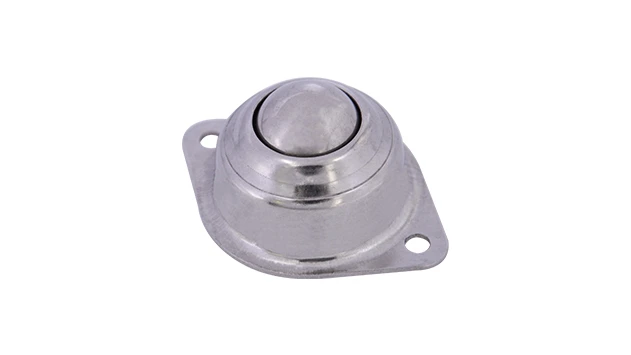
Swivel roller ball casters are convenient and flexible to roll,high-speed and stable operation, used for rotating and changing the direction of the conveyor.Ball transfer unit is made of high quality carbon steel, anti-corrosion and wear resistance.
How a small component is transforming workflows, reducing fatigue, and boosting productivity across manufacturing floors worldwide
Walk into any manufacturing facility—whether it's a bustling 3C electronics plant assembling smartphones or a medical device workshop crafting precision tools—and you'll notice a silent but critical player in the production process: material handling . Every time a component is moved from a storage rack to an assembly line, or a finished product is transferred to packaging, the efficiency of that movement directly impacts deadlines, labor costs, and even product quality.
For decades, manufacturers have grappled with the same challenges: heavy loads slowing down workers, rigid conveyor systems limiting flexibility, and repetitive motion injuries draining team morale. But what if a single, unassuming component could address all these pain points? Enter the stainless steel swivel roller balls 1 inch —a deceptively simple tool that's quietly revolutionizing how materials flow through factories.
In this article, we'll dive into how these small, rotating spheres are becoming a cornerstone of lean manufacturing, enhancing everything from flow racks to workbenches, and why forward-thinking suppliers are integrating them into custom lean solutions that prioritize both efficiency and worker well-being.
Beyond the Surface: The Design That Drives Performance
At first glance, a stainless steel swivel roller ball 1 inch might look like little more than a metal sphere on a mount. But beneath that simplicity lies engineering designed to solve the most common material handling headaches. Let's break down what makes these components stand out:
Key Features of 1 Inch Stainless Steel Swivel Roller Balls
- Material Excellence: Crafted from high-grade stainless steel (typically 304 or 316), these balls resist corrosion, rust, and wear—even in humid factory environments or when exposed to cleaning agents. Unlike plastic alternatives that crack under heavy loads, stainless steel maintains integrity, ensuring a longer lifespan.
- 360° Rotational Freedom: The precision-engineered swivel mechanism allows the ball to rotate smoothly in any direction, eliminating the "sticking" or "jamming" that plagues cheaper roller systems. This means materials glide with minimal force, reducing the physical strain on workers.
- 1 Inch Size: The Sweet Spot: While smaller 0.5-inch balls work for lightweight items, the 1-inch diameter strikes a balance between load capacity (supporting up to 50kg per ball) and maneuverability. It's large enough to handle metal parts or plastic bins but compact enough to integrate into tight spaces like workbench surfaces or flow rack channels.
- Easy Installation: Designed to fit standard mounting holes on aluminum profiles, workbenches, and flow rack frames, these balls require no specialized tools. A quick twist or bolt-on installation gets them up and running in minutes—critical for factories that can't afford downtime.
But don't just take our word for it. At a leading 3C manufacturer in Shenzhen, production manager Li Wei noticed a difference within weeks of upgrading to stainless steel swivel roller balls: "Our workers used to struggle pushing PC case panels across the workbench—especially when they were stacked. Now, even a new intern can slide a full tray with one hand. It's cut down on complaints about sore shoulders and sped up our assembly line by 15%."
The Ripple Effect: How These Balls Boost Efficiency
Efficiency in manufacturing isn't just about speed—it's about consistency, safety, and adaptability. Stainless steel swivel roller balls 1 inch deliver on all three, creating a ripple effect that transforms entire workflows. Here's how:
| Efficiency Metric | Traditional Handling (Without Roller Balls) | With 1 Inch Stainless Steel Swivel Roller Balls | Improvement |
|---|---|---|---|
| Force Required to Move a 20kg Bin | 35-40 Newtons (equivalent to lifting 3.5kg) | 5-8 Newtons (light push with one hand) | 70-85% reduction |
| Time to Transfer Parts Between Stations | 2-3 minutes (using manual carts) | 30-45 seconds (sliding on roller balls) | 75% faster |
| Worker Fatigue Reports (Monthly) | 15-20 incidents of shoulder/wrist strain | 2-3 incidents (minor soreness) | 85-90% reduction |
| Maintenance Frequency | Every 2-3 months (cleaning, lubrication, part replacement) | Every 12-18 months (minimal cleaning) | 80% less maintenance |
These numbers tell a clear story: by reducing the physical effort needed to move materials, roller balls don't just speed up tasks—they make work easier. And when work is easier, workers are more engaged, errors decrease, and teams can focus on higher-value tasks like quality control or process improvement.

From Flow Racks to Conveyors: Integrating Roller Balls Into Lean Systems
The true power of stainless steel swivel roller balls 1 inch lies in their versatility. They're not just standalone components—they're building blocks for lean material handling systems. Let's explore how they integrate with key equipment like flow racks, conveyors, and workbenches to create seamless workflows:
1. Flow Racks: The Heart of Just-In-Time (JIT) Inventory
In warehouses and assembly lines, flow racks (or gravity-fed racks) are critical for organizing parts so they're always within reach. Traditional flow racks use metal rollers, but they often struggle with uneven loads or sticky items. By replacing those rollers with 1 inch stainless steel swivel balls, the system becomes far more adaptable.
"At a leading automotive parts supplier, we installed flow racks with 1 inch roller balls for storing brake caliper components. The result? Pickers now retrieve parts 40% faster, and we've cut down on bin damage from 'rough handling'—since parts glide instead of jamming."
The secret? Unlike fixed-direction rollers, swivel balls adjust to the shape of the bin or part. A slightly warped plastic container that would get stuck on traditional rollers slides smoothly on balls, ensuring a steady flow of materials to the assembly line. This is especially valuable for 3C manufacturers, where component sizes vary widely—from small screws to large circuit boards.
2. Conveyors: Bridging Gaps in the Production Line
Conveyors are the arteries of manufacturing, but rigid belt or chain conveyors can't handle sudden direction changes or temporary workstations. That's where roller ball conveyors shine. By embedding 1 inch stainless steel balls into conveyor sections, manufacturers create "flexible zones" where materials can be easily rerouted, rotated, or manually adjusted without stopping the entire line.
For example, in a medical device plant producing syringes, a conveyor with roller ball inserts allows operators to quickly rotate a tray of syringes 180° for inspection—something impossible with a fixed belt. This flexibility reduces bottlenecks, as workers aren't forced to wait for the conveyor to cycle back.
3. Workbenches: Ergonomic Workstations That Reduce Fatigue
Assembly line workers spend hours a day moving parts across workbenches. A workbench surface fitted with 1 inch roller balls transforms a static table into a dynamic workspace. Imagine soldering a component, then sliding it effortlessly to the next station with a gentle push—no more lifting or carrying. This not only speeds up tasks but also cuts down on repetitive strain injuries (RSIs), a leading cause of worker absenteeism in manufacturing.
ESD (Electrostatic Discharge) workbenches, critical for 3C and electronics manufacturing, can also integrate these roller balls. The stainless steel construction dissipates static electricity, protecting sensitive components from damage—proving that safety and efficiency can go hand in hand.
4. Custom Lean Solutions: Tailored to Your Industry
Every industry has unique material handling needs. A medical device manufacturer might require sterile, corrosion-resistant systems, while a 3C plant needs ESD protection and flexibility. This is where lean solutions —custom-designed systems that combine roller balls, flow racks, conveyors, and workbenches—deliver the most value.
For example, a lean solution for a might include: flow racks with roller balls for fast-moving inventory, a conveyor system with ball inserts for sorting packages, and workbenches with integrated balls for packing. The result is a workflow where materials move with minimal human intervention, reducing errors and maximizing throughput.

Plastic vs. Stainless Steel: Why Quality Matters in the Long Run
It's tempting to opt for cheaper plastic roller balls to save upfront costs. But in manufacturing, "cheap" often translates to "costly" down the line. Let's compare stainless steel swivel roller balls 1 inch with common alternatives to see why they're worth the investment:
Plastic Roller Balls
- Prone to cracking under loads >15kg
- Degrade in UV light or chemical exposure
- Swivel mechanisms jam after 6-12 months of use
- Need replacement every 1-2 years
1 Inch Stainless Steel Swivel Roller Balls
- Support up to 50kg per ball without damage
- Resist corrosion, UV, and chemicals
- Swivel mechanisms last 5+ years with minimal maintenance
- Total cost of ownership 60% lower over 5 years
For manufacturers focused on sustainability —a core pillar of lean philosophy—stainless steel also wins. Unlike plastic balls that end up in landfills, stainless steel is 100% recyclable, aligning with goals to reduce environmental impact.
Beyond Components: Partnering for Long-Term Efficiency
Investing in stainless steel swivel roller balls 1 inch is just the first step. To truly maximize their impact, you need a supplier who understands your industry, your workflows, and your goals for lean manufacturing. Here's what to look for:
- Customization Expertise: A good supplier doesn't just sell parts—they design systems. Look for partners who offer on-site assessments to tailor roller ball integration to your specific flow racks, conveyors, or workbenches.
- Quality Testing: Ensure the supplier tests their roller balls for load capacity, corrosion resistance, and rotational smoothness. Certifications like ISO 9001 or RoHS compliance are signs of rigorous quality control.
- Inventory and Lead Times: Manufacturing can't wait for parts. Choose a supplier with local warehouses to ensure fast delivery, minimizing downtime during upgrades or expansions.
- Post-Sale Support: Even the best components need occasional maintenance. A supplier who offers technical support, replacement parts, and training ensures your system stays efficient for years.
By partnering with a supplier that prioritizes lean solutions , you're not just buying roller balls—you're investing in a more efficient, sustainable, and worker-friendly future for your facility.
Small Balls, Big Impact: The Future of Material Handling
In the fast-paced world of manufacturing, every second counts. Stainless steel swivel roller balls 1 inch may be small, but their impact is transformative: reducing worker fatigue, speeding up material flow, and making lean manufacturing principles actionable. Whether integrated into flow racks, conveyors, or workbenches, these components are proving that sometimes the simplest solutions are the most powerful.
Ready to see what 1 inch stainless steel swivel roller balls can do for your facility? Start by assessing your biggest material handling pain points—and imagine a future where materials move as smoothly as your workflow.