- Company Articles
- Products and Technology
- Application Cases
- Stainless Steel Swivel Roller Balls 1 Inch in Conveyor Systems: Automotive Industry Applications

Stainless Steel Swivel Roller Balls 1 Inch in Conveyor Systems: Automotive Industry Applications
Related Product
Stainless Steel Swivel Roller Balls 1 Inch
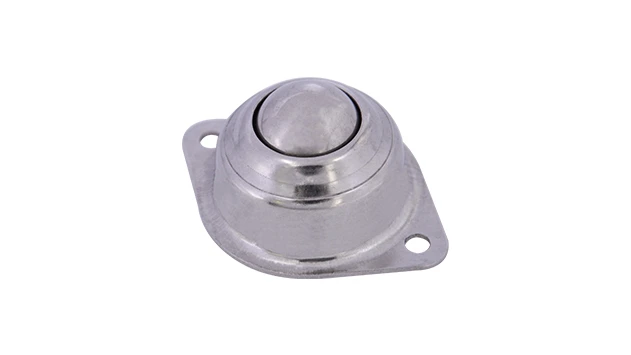
Swivel roller ball casters are convenient and flexible to roll,high-speed and stable operation, used for rotating and changing the direction of the conveyor.Ball transfer unit is made of high quality carbon steel, anti-corrosion and wear resistance.
Walk into any modern automotive manufacturing plant, and you'll be met with a symphony of precision: robots welding car frames with millimeter accuracy, workers assembling intricate engine parts, and a steady flow of components gliding from one station to the next. Behind this seamless dance of productivity lies a network of unsung heroes—conveyor systems that keep the heartbeat of production alive. Among these, the 1-inch stainless steel swivel roller balls stand out as quiet powerhouses, quietly ensuring that materials move smoothly, efficiently, and reliably. In an industry where every second counts and durability is non-negotiable, these small but mighty components play a role far bigger than their size suggests. Let's dive into how they're transforming automotive conveyor systems, one smooth roll at a time.
What Makes 1-Inch Stainless Steel Swivel Roller Balls Special?
First, let's get up close with these unassuming stars. Imagine a small, spherical ball—about the diameter of a quarter—housed in a sturdy stainless steel casing, designed to rotate 360 degrees with minimal friction. That's the 1-inch stainless steel swivel roller ball in a nutshell. But don't let its simplicity fool you: every detail is engineered for the tough demands of automotive manufacturing.
Stainless steel is the material of choice here, and for good reason. Automotive plants are messy places—oils, coolants, metal shavings, and occasional spills are part of the daily grind. Stainless steel resists corrosion, rust, and wear, ensuring these roller balls can handle the chaos without breaking a sweat. The 1-inch size strikes a perfect balance too: large enough to support heavy loads (think engine blocks or car door panels) but small enough to maintain precision, making them ideal for both bulky components and delicate parts like wiring harnesses.
What really sets them apart, though, is that swivel action. Unlike fixed rollers that only move in one direction, these balls pivot freely, allowing materials to glide forward, backward, or sideways with just a gentle push. It's like giving your conveyor system a pair of (flexible) hands—able to adapt to the ever-changing needs of a busy production line.
Where Do They Shine in Automotive Conveyor Systems?
Now, let's take a tour of an automotive plant and see these roller balls in action. From the moment raw materials arrive to the final inspection of a finished car, they're hard at work in key areas:
1. Body Assembly Lines: Supporting the "Skeleton" of the Car
The body assembly line is where a car starts to take shape—sheet metal panels are welded together to form the chassis, roof, and doors. These panels are heavy, awkwardly shaped, and need to be positioned with pinpoint accuracy for welding robots to do their job. Here, 1-inch stainless steel swivel roller balls are embedded into worktables and transfer plates, creating a low-friction surface that lets workers or automated arms reposition panels effortlessly. No more straining to lift or slide heavy parts; the roller balls do the heavy lifting, reducing physical fatigue and speeding up the assembly process.
2. Component Kitting and Flow Racks: Getting Parts to the Line on Time
Before a car can be assembled, all its parts—from screws and bolts to dashboard panels and brake components—need to be organized and delivered to the right workstation. That's where flow racks come in. These tilted racks use gravity to slide parts forward, but to make sure the flow is smooth and controlled, many are fitted with 1-inch stainless steel swivel roller balls. As a worker picks a part from the front, the ones behind glide forward effortlessly, keeping the rack stocked without manual restocking. In automotive plants, where thousands of parts are used daily, this small addition cuts down on downtime and ensures assembly lines never run out of the components they need.
3. Engine and Transmission Assembly: Precision Meets Durability
Engines and transmissions are the "hearts" of a car, and assembling them requires extreme precision. Even a tiny misalignment can lead to performance issues or failures down the line. Conveyor systems in these areas often use 1-inch stainless steel swivel roller balls to move heavy engine blocks or transmission cases between stations. The smooth rotation of the balls ensures that parts glide into place without jostling, keeping sensitive components like gears and pistons perfectly aligned. And since these parts are often oily, the stainless steel construction resists buildup, so the roller balls keep rolling smoothly shift after shift.
4. Quality Inspection Stations: A Gentle Touch for Delicate Checks
After assembly, every car part undergoes rigorous quality checks—from measuring tolerances on a crankshaft to inspecting paint finishes on a door panel. Here, the last thing you want is a rough conveyor system scratching or damaging parts. 1-inch stainless steel swivel roller balls provide a soft, smooth surface that lets inspectors rotate, tilt, and examine parts from every angle without leaving a mark. For example, when checking a car's hood for dents, inspectors can easily slide it across a workbench fitted with these roller balls, ensuring a thorough check without straining or risking damage.
5. Warehouse and Logistics: Keeping the Supply Chain Moving
Beyond the production floor, automotive plants have massive warehouses storing everything from tires to windshields. To keep these warehouses running efficiently, many use conveyor systems and picking carts equipped with 1-inch stainless steel swivel roller balls. When a worker needs to load a pallet of tires onto a conveyor, the roller balls reduce friction, making it easy to push even heavy loads. In picking areas, carts with roller ball tops let workers quickly sort and transfer parts, cutting down on the time spent moving materials and keeping the supply chain flowing like clockwork.
| Application Area | How They're Used | Biggest Benefit |
|---|---|---|
| Body Assembly Lines | Embedded in worktables to move heavy metal panels | Reduces worker fatigue and speeds up positioning |
| Flow Racks | Facilitates gravity-fed part movement for kitting | Ensures continuous part supply to assembly lines |
| Engine/Transmission Assembly | Transports heavy, sensitive components between stations | Maintains precision alignment and resists oil damage |
| Quality Inspection | Creates smooth surfaces for part examination | Prevents scratches and allows easy part rotation |
| Warehouse Logistics | Equipped on carts and conveyors for material handling | Reduces effort in moving heavy loads, boosting warehouse efficiency |

Why They're a Must-Have for Lean Automotive Systems
Automotive manufacturers live and breathe "lean manufacturing"—the idea of eliminating waste, streamlining processes, and maximizing value. 1-inch stainless steel swivel roller balls fit right into this philosophy, offering benefits that go beyond just smooth movement:
1. They Cut Down on Waste (Time and Effort)
In a lean system, every second counts. When workers spend less time pushing heavy parts or struggling to position components, they can focus on more skilled tasks—like quality checks or complex assemblies. Studies have shown that conveyor systems with swivel roller balls can reduce material handling time by up to 30%, freeing up workers to add more value to the production process.
2. They're Low-Maintenance, High-Durability Stars
Downtime is the enemy of lean manufacturing, and replacing broken conveyor parts is a major source of delays. Stainless steel swivel roller balls are built to last—their simple design means fewer moving parts to break, and stainless steel's resistance to wear means they can handle years of heavy use with minimal upkeep. A quick wipe down to remove debris is usually all they need, saving plants time and money on repairs and replacements.
3. They Adapt to Change (Because Automotive Lines Never Stand Still)
Car models change, production volumes fluctuate, and new technologies are introduced—automotive plants are constantly evolving. Swivel roller balls are inherently flexible: they can be easily added to existing workbenches, flow racks, or conveyors, or rearranged when production lines are reconfigured. Unlike fixed conveyor belts that require major overhauls to adapt, these roller balls let plants pivot quickly, keeping up with the fast pace of the industry.
4. They Keep Workers Safe (A Core Lean Principle)
Lean isn't just about efficiency—it's about people too. Heavy lifting and repetitive pushing can lead to workplace injuries, which are costly for both workers and plants. By reducing the physical effort needed to move materials, swivel roller balls lower the risk of strains and sprains, creating a safer, more comfortable work environment. Happier, healthier workers are more productive too—a win-win for everyone.

Real-World Impact: A Case in Point
Let's look at a real example to see these benefits in action. A leading European automaker was struggling with bottlenecks in its door assembly line. Workers were manually lifting and positioning heavy door panels onto welding fixtures, a process that took 2-3 minutes per door and often led to minor injuries. The plant decided to retrofit its worktables with 1-inch stainless steel swivel roller balls, allowing panels to glide into place with minimal effort.
The results were striking: assembly time per door dropped to under a minute, a 50% improvement. Worker complaints about fatigue decreased by 70%, and the plant saw a 90% reduction in minor injuries related to material handling. Best of all, the upgrade was affordable—costing a fraction of a full conveyor belt replacement—and paid for itself in just 3 months through increased productivity. Today, the automaker has rolled out these roller balls to other lines, from chassis assembly to final inspection, with similar success.
Looking Ahead: The Future of Swivel Roller Balls in Automotive
As automotive manufacturing moves toward smarter, more connected plants (think Industry 4.0), 1-inch stainless steel swivel roller balls are evolving too. Some manufacturers are adding sensors to track roller ball performance, alerting maintenance teams before issues arise. Others are experimenting with specialized coatings to further reduce friction or enhance grip for extra-heavy loads. There's even talk of integrating them with automated guided vehicles (AGVs), creating hybrid systems where AGVs transport parts to stations, and swivel roller balls handle the final positioning.
One thing's clear: as cars become more complex (electric vehicles, autonomous driving tech) and production demands grow, the need for flexible, durable, and efficient material handling solutions will only increase. 1-inch stainless steel swivel roller balls, with their proven track record and adaptability, are poised to remain a cornerstone of automotive conveyor systems for years to come.
Final Thoughts: Small Parts, Big Difference
In the grand scheme of automotive manufacturing, 1-inch stainless steel swivel roller balls might seem like small players. But as we've seen, they're the unsung heroes keeping production lines moving, workers safe, and lean systems thriving. From the first spark of welding to the final test drive, these little balls of stainless steel are there, quietly ensuring that every car is built faster, better, and more efficiently.
So the next time you see a car driving down the road, take a moment to appreciate the precision and hard work that went into making it. And remember: behind that sleek exterior, there's a good chance a few 1-inch stainless steel swivel roller balls played a role in bringing it to life. Here's to the small parts that make big things possible.