- Company Articles
- Products and Technology
- Product knowledge
- Stainless Steel Swivel Roller Balls 1 Inch: Longevity in Heavy-Duty Mechanical Applications

Stainless Steel Swivel Roller Balls 1 Inch: Longevity in Heavy-Duty Mechanical Applications
Related Product
Stainless Steel Swivel Roller Balls 1 Inch
Swivel roller ball casters are convenient and flexible to roll,high-speed and stable operation, used for rotating and changing the direction of the conveyor.Ball transfer unit is made of high quality carbon steel, anti-corrosion and wear resistance.
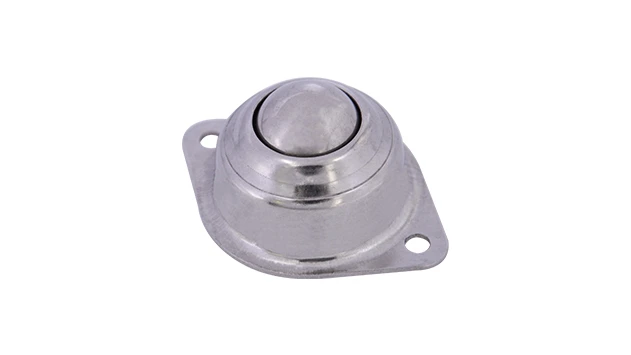
Let's start with a scenario most factory floor managers know too well: It's a busy Monday morning on the automotive assembly line. A worker needs to slide a 50kg engine component across a workbench to the next station. The old plastic rollers on the table creak and stick—suddenly, the part jolts, scratching the surface and slowing down the entire line. Sound familiar? When it comes to moving materials smoothly, reliably, and without fuss, the right hardware makes all the difference. That's where the 1-inch stainless steel swivel roller balls step in—not just as a component, but as a silent workhorse that keeps heavy-duty operations rolling, day in and day out.
What Makes These Roller Balls Stand Out?
At first glance, a roller ball might seem simple: a metal sphere that spins. But the 1-inch stainless steel model is engineered with precision to tackle the toughest industrial environments. Let's break down what sets it apart:
Stainless Steel 304 Construction : This isn't just any steel. Stainless steel 304 brings corrosion resistance to the table, making it ideal for humid warehouses, medical device cleanrooms, or automotive plants where oils and coolants are part of daily life. Unlike plastic rollers that warp under chemical exposure or plain steel that rusts, these balls stay smooth and functional even in messy conditions.
1-Inch Diameter: The Sweet Spot for Balance : Why 1 inch? After testing countless sizes, this diameter hits the perfect middle ground. It's small enough to fit into tight spaces (like the frames of flow racks or the edges of workbenches) but large enough to handle serious weight. Think of it as the Goldilocks of roller balls—not too big, not too small, but just right for heavy-duty tasks.
Sealed Mechanism : Ever had a roller seize up because dust or debris got stuck in the bearings? These balls feature a sealed swivel design that keeps contaminants out. The result? A spin so smooth, you could push a loaded cart with one hand—no more wrestling with stuck parts or uneven movement.
The Heavy-Duty Advantage: How They Outlast the Rest
When you're running a 24/7 production line, downtime isn't an option. Let's compare these stainless steel roller balls to common alternatives to see why longevity matters:
| Feature | 1-Inch Stainless Steel Roller Balls | Plastic Roller Balls | Standard Steel Roller Balls |
|---|---|---|---|
| Max Load Capacity (per ball) | Up to 80kg | Up to 25kg | Up to 60kg |
| Corrosion Resistance | Excellent (ideal for wet/chemical environments) | Poor (prone to cracking in chemicals) | Low (rusts without constant maintenance) |
| Expected Lifespan in Heavy Use | 5–7 years | 6–12 months | 2–3 years (with regular oiling) |
| Maintenance Needs | Minimal (occasional wipe-down) | High (replace frequently) | Moderate (monthly lubrication) |
Take the flow rack in a 3C electronics warehouse, for example. Every day, hundreds of circuit board trays slide down the rack's inclined tracks. Plastic balls here would wear out in months, leading to jams and scratched components. Standard steel might last longer but would rust in the humid air, leaving orange streaks on sensitive parts. The stainless steel version? It keeps sliding smoothly, even after years of heavy use—saving you from constant replacements and costly line stops.

Where They Shine: Real-World Applications
These roller balls aren't just a one-trick pony. They integrate seamlessly into key equipment across manufacturing, warehousing, and beyond. Let's dive into the spaces where they make the biggest impact:
1. Flow Racks: The Backbone of Efficient Picking
In a busy warehouse, flow racks are the unsung heroes of order fulfillment. Boxes or bins slide from the back to the front, letting pickers grab items quickly without reaching deep into shelves. The 1-inch stainless steel balls are the secret to this efficiency. Their smooth rotation ensures even heavy boxes (up to 300kg per shelf) glide down without sticking, cutting picking time by up to 20%. In automotive parts distribution centers, where engine components can weigh 50kg each, this reliability prevents bottlenecks during peak hours.
2. Workbenches: Precision in Every Movement
A workbench isn't just a table—it's a command center. Whether you're assembling medical devices or testing circuit boards, you need materials to move with pinpoint accuracy. These roller balls are often embedded into the workbench surface, turning it into a low-friction zone. Imagine a technician assembling a pacemaker: they need to slide tiny, delicate parts across the bench without jostling. The stainless steel balls provide that featherlight movement, reducing the risk of errors and keeping the assembly line on track.
3. Roller Tracks: Keeping Production Flowing
In roller track systems—common in automotive and appliance manufacturing—these balls act as mini conveyor belts. For example, in a refrigerator production line, the steel roller balls line the tracks that carry fridge doors from one station to the next. Their ability to handle heavy loads (remember, 80kg per ball!) ensures the doors move steadily, even when stacked. And because they're stainless steel, they stand up to the water and cleaning agents used to sanitize the line at the end of each shift.
4. Turnover Trolleys: Moving Heavy Loads with Ease
Ever tried pushing a loaded turnover trolley with stuck wheels? It's a workout. When these roller balls are mounted on trolley surfaces or bases, they turn loads into something you can maneuver with one hand. In a logistics warehouse, a trolley stacked with 200kg of inventory glides through narrow aisles, thanks to the balls' 360-degree rotation. No more strained backs or damaged goods—just smooth, efficient movement.

Why Stainless Steel? The Hidden Costs of Cutting Corners
It's tempting to opt for cheaper plastic or standard steel roller balls to save upfront costs. But let's talk about the hidden expenses of going with "good enough." A plastic ball might cost $1 instead of $5, but if it cracks after 6 months and causes a production delay, the repair, replacement, and lost productivity could add up to thousands. Standard steel might seem durable, but without stainless steel's corrosion resistance, you'll spend hours oiling and cleaning to prevent rust—time better spent on actual production.
Take a medical device manufacturer we worked with: They initially used plastic roller balls on their lean pipe system workstations. Within a year, the plastic degraded from constant exposure to disinfectants, leading to frequent jams. Switching to 1-inch stainless steel balls eliminated replacements entirely—saving them $12,000 in maintenance costs in the first year alone. Sometimes, investing in quality up front is the smartest financial move.
Beyond Durability: The Lean Manufacturing Edge
At the heart of modern manufacturing is lean system thinking—eliminating waste, improving flow, and maximizing value. These roller balls align perfectly with that philosophy. Their smooth operation reduces process waste (no more time wasted pushing stuck parts), their longevity cuts down on material waste (fewer replacements), and their compatibility with modular systems (like lean pipes and aluminum profiles) makes reconfiguring workstations a breeze. When your equipment adapts as quickly as your production needs, you stay competitive.
Final Thoughts: The Quiet Hero Your Line Deserves
In the grand scheme of manufacturing, a roller ball might seem small. But small parts often have the biggest impact on daily operations. The 1-inch stainless steel swivel roller balls aren't just about moving things—they're about moving forward. They're about the technician who no longer struggles with heavy loads, the manager who sees fewer delays, and the business that stays profitable by minimizing downtime.
So, the next time you're evaluating your production line, workbench, or flow rack, ask: Are my roller balls holding me back? If the answer is yes, it might be time to upgrade to a solution built for longevity. After all, in manufacturing, the best investments are the ones that keep working—quietly, reliably, and without complaint—for years to come.