- Company Articles
- Products and Technology
- Product knowledge
- Stainless Steel Swivel Roller Balls 1 Inch: Surface Finish & Its Impact on Performance

Stainless Steel Swivel Roller Balls 1 Inch: Surface Finish & Its Impact on Performance
Related Product
Stainless Steel Swivel Roller Balls 1 Inch
Swivel roller ball casters are convenient and flexible to roll,high-speed and stable operation, used for rotating and changing the direction of the conveyor.Ball transfer unit is made of high quality carbon steel, anti-corrosion and wear resistance.
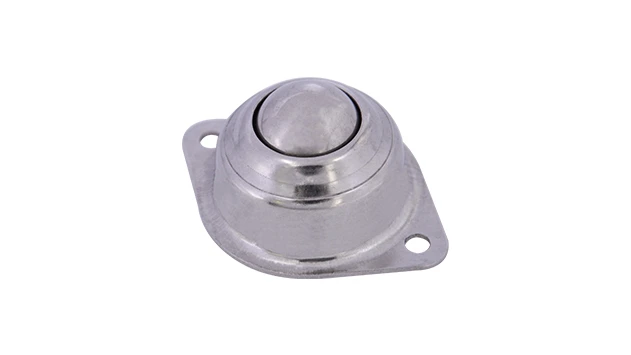
Walk into any high-efficiency manufacturing plant—whether it's a 3C assembly line churning out smartphones or a medical device workshop crafting precision instruments—and you'll notice a silent hero keeping operations moving: small, unassuming components that bridge the gap between static structures and dynamic workflow. Among these, the 1-inch stainless steel swivel roller balls stand out as unsung workhorses. These tiny spheres, often no larger than a golf ball, play a critical role in ensuring materials glide smoothly across flow racks, conveyor tracks, and workbenches, reducing friction, minimizing manual effort, and keeping production lines humming without interruption. But what many overlook is how their surface finish—the final treatment applied to their stainless steel surfaces—directly shapes their performance, durability, and suitability for specific industrial environments. In this article, we'll dive deep into the world of these essential components, exploring the science behind their surface finishes and why this often-overlooked detail can make or break a lean manufacturing system.
Understanding the Basics: What Are 1-Inch Stainless Steel Swivel Roller Balls?
Before we explore surface finishes, let's start with the fundamentals. A 1-inch stainless steel swivel roller ball is a compact, spherical component designed to rotate freely within a housing, allowing objects to slide or roll over it with minimal resistance. Typically made from high-grade stainless steel (most commonly 304 or 316, known for their strength and corrosion resistance), these balls are engineered to handle repetitive motion, varying loads, and exposure to industrial conditions like moisture, dust, and occasional chemical contact.
Their design is deceptively simple: a hollow or solid stainless steel sphere mounted on a bearing system, encased in a durable housing that attaches to structures like aluminum profiles, flow rack frames, or workbench surfaces. The 1-inch size is particularly popular in manufacturing because it strikes a balance between load capacity (supporting up to 50-80 lbs per ball, depending on design) and versatility, fitting seamlessly into standard lean pipe systems and conveyor tracks. But while their size and shape are standardized, their surface finish is where customization meets functionality—tailoring them to thrive in everything from dry electronics assembly lines to humid food processing facilities.
The Art and Science of Surface Finishes
Surface finish isn't just about aesthetics; it's a deliberate engineering choice that alters the physical and chemical properties of the roller ball's surface. Think of it as adding a specialized "skin" to the stainless steel—one that enhances wear resistance, reduces friction, or repels corrosion. Let's break down the most common surface treatments used in industrial-grade 1-inch stainless steel swivel roller balls and how each is achieved.
1. Mechanical Polishing: The Classic Shine
Mechanical polishing is the most widely used finish for stainless steel roller balls, and for good reason. This process involves buffing the surface with abrasive materials (like sandpaper or polishing wheels) to remove imperfections, burrs, and oxidation, resulting in a smooth, reflective surface. It's like giving the ball a "mirror finish"—one that not only looks clean but also creates a uniform texture that reduces friction. Mechanical polishing is cost-effective and quick, making it ideal for high-volume production lines where basic smoothness and visual appeal are priorities.
2. Electrolytic Polishing: The Precision Refinement
For applications demanding precision, electrolytic polishing takes surface refinement to the next level. Unlike mechanical polishing, which relies on physical abrasion, this electrochemical process dips the roller balls in a conductive solution and applies an electric current. The result? A surface so smooth it's measured in microinches—removing even the tiniest pits and irregularities that mechanical methods might miss. The outcome is a surface that's not just shiny but chemically passive , meaning it's more resistant to corrosion and bacterial growth. It's a favorite in medical device manufacturing and pharmaceutical packaging, where cleanliness and longevity are non-negotiable.
3. Chrome Plating: The Heavy-Duty Armor
When durability is the top concern—think heavy-load conveyor systems or warehouses with constant material movement—chrome plating steps in as the ultimate protector. This process deposits a thin layer of chromium onto the stainless steel surface, creating a hard, scratch-resistant barrier that can withstand repeated impacts and friction. Chrome-plated roller balls have a slightly matte, silver-gray finish and are prized for their ability to maintain performance even under extreme loads (up to 100 lbs per ball in some cases). They're the go-to choice for automotive parts assembly lines and logistics hubs, where wear and tear are part of the daily grind.
4. Sandblasting: The Tactile Grip
Not all applications require a smooth surface. In environments where controlled friction is key—like workbenches where operators need to position delicate components without sliding—sandblasting offers a practical solution. This process bombards the roller ball's surface with fine abrasive particles, creating a rough, matte texture that increases traction. It's like adding "grip" to the ball, preventing materials from slipping unexpectedly while still allowing for controlled movement. Sandblasted finishes are common in electronics manufacturing, where precision placement of circuit boards or microchips demands a balance between mobility and stability.

How Surface Finish Impacts Real-World Performance
Now that we understand the "how" of surface finishes, let's explore the "why"—how each treatment directly affects the roller ball's performance in industrial settings. From reducing worker fatigue to extending equipment lifespan, the right finish can turn a basic component into a catalyst for lean manufacturing success.
Friction Reduction: The Key to Smooth Workflow
At its core, a swivel roller ball's job is to minimize friction—and surface finish is the main driver here. A mechanically polished surface, with its uniform texture, reduces friction by up to 30% compared to an untreated stainless steel ball. But electrolytic polishing takes it further, cutting friction by an additional 15-20% thanks to its microscopic smoothness. Imagine a flow rack in a 3C assembly plant: with electrolytically polished roller balls, a bin of smartphone casings glides from the storage area to the assembly line with barely a push, letting workers focus on assembly instead of heavy lifting. In contrast, a rough, untreated surface would require more force, slowing down production and increasing the risk of repetitive strain injuries.
Corrosion Resistance: Fighting the Elements
Manufacturing environments are rarely "clean"—think of food processing plants with high humidity, or medical device workshops using disinfectants. Here, corrosion resistance isn't just a nice-to-have; it's a necessity. Stainless steel is naturally corrosion-resistant, but surface finish amplifies this trait. Electrolytic polishing, for example, creates a passive oxide layer on the surface that repels water, chemicals, and salt, making it ideal for coastal factories or medical facilities using harsh cleaning agents. Chrome plating, meanwhile, acts as a physical barrier, preventing moisture from reaching the underlying steel—a lifesaver in automotive plants where oil and coolant spills are common. Without the right finish, even stainless steel can rust or degrade, leading to sticky, uneven movement and costly replacements.
Wear and Tear: Longevity in the Trenches
In a busy warehouse, a single roller ball might support thousands of material transfers per day. Over time, this repetitive motion wears down surfaces—but the right finish can significantly extend lifespan. Chrome-plated roller balls, with their hard chromium layer, can last up to 50% longer than mechanically polished ones in high-traffic areas. Take a turnover trolley used to transport heavy automotive parts: with chrome-plated balls, the trolley glides smoothly for years, while an unplated ball might start to pit or scratch after six months, leading to jams and downtime. For lean manufacturers focused on sustainable, long-term efficiency , this longevity translates to lower replacement costs and less waste—aligning perfectly with the "reusable, continuously improvable" ethos of modern lean systems.
Hygiene and Cleanliness: Critical for Sensitive Industries
In medical device manufacturing or pharmaceutical packaging, even a tiny crevice in a roller ball's surface can harbor bacteria or contaminants—a risk no company can afford. Here, electrolytic polishing shines: its ultra-smooth surface leaves no room for dirt or germs to hide, making it easy to clean and sterilize. A study by the Stainless Steel Institute found that electrolytically polished surfaces reduce bacterial adhesion by up to 80% compared to mechanically polished ones. For a medical equipment assembler using a workbench fitted with these balls, this means peace of mind—knowing that every surface touching sterile components is as clean as the products themselves.

Surface Finish Comparison: Which One Fits Your Needs?
| Surface Finish | Friction Reduction | Corrosion Resistance | Wear Resistance | Best For |
|---|---|---|---|---|
| Mechanical Polishing | Good (30% reduction) | Moderate | Moderate | General manufacturing, dry environments, cost-sensitive projects |
| Electrolytic Polishing | Excellent (45-50% reduction) | Excellent (resists chemicals, moisture) | High | Medical devices, pharmaceutical, cleanrooms, 3C electronics |
| Chrome Plating | Moderate (25% reduction) | High (physical barrier against moisture) | Excellent (50% longer lifespan in heavy use) | Automotive parts, heavy-load conveyors, warehouses |
| Sandblasting | Low (increased traction) | Moderate | High (rough texture resists wear) | Workbenches, delicate component handling, anti-slip needs |
Beyond the Ball: How Roller Balls Integrate with Lean Systems
A 1-inch stainless steel swivel roller ball rarely works alone. In the world of lean manufacturing, it's part of a larger ecosystem—one that includes flow racks , conveyors , workbenches , and turnover trolleys . Its surface finish doesn't just affect its own performance; it impacts how well these systems work together to create a seamless workflow.
Flow Racks: The Backbone of Material Handling
Flow racks are the lifelines of just-in-time production, storing materials and feeding them to assembly lines on demand. Here, roller balls are arranged in rows, allowing bins or cartons to slide forward as items are removed. A mechanically polished finish might suffice for dry, lightweight materials like plastic components, but for heavier loads—like metal parts in automotive manufacturing—chrome-plated balls ensure the rack handles the weight without wearing down. In a 3C factory using flow racks to supply circuit boards, electrolytically polished balls prevent static buildup and reduce friction, so bins glide smoothly even when fully loaded.
Conveyors: Moving Materials with Precision
Conveyors are the arteries of manufacturing, moving products from one station to the next. Roller balls embedded in conveyor tracks keep items stable while reducing drag—critical for maintaining consistent speed. In food processing, where conveyors often handle wet or sticky products, electrolytically polished balls resist corrosion from cleaning agents, ensuring the line stays hygienic. For heavy-duty steel conveyors in construction material plants, chrome-plated balls stand up to the abuse of rough, sharp-edged materials, preventing jams and downtime.
Workbenches: Where Precision Meets Productivity
Workbenches are where the magic happens—where workers assemble, inspect, and package products. Roller balls embedded in workbench surfaces let operators slide heavy components with ease, reducing strain and speeding up tasks. A sandblasted finish might be used here for electronics assembly, where delicate circuit boards need a stable surface that won't slide during soldering. In contrast, a medical device workbench would opt for electrolytic polishing, ensuring the surface is sterile and easy to wipe down between batches.
"We upgraded to electrolytically polished roller balls on our flow racks last year, and the difference was night and day. Our operators used to struggle pushing bins of phone cases—now they glide with one hand. It's cut assembly time by 15% and reduced worker complaints about fatigue. These small changes add up to big wins for our lean system." — Production Manager, Leading 3C Electronics Manufacturer
Choosing the Right Supplier: Why Quality Finish Matters
Not all stainless steel swivel roller balls are created equal—and the difference often lies in the quality of the surface finish. A cheap, poorly polished ball might save money upfront, but it will wear down faster, cause jams, and require frequent replacements—costing more in the long run. When selecting a supplier, look for those who prioritize precision in finishing: companies that use advanced electrolytic polishing equipment, test corrosion resistance with salt spray tests, and provide certificates of compliance for medical or food-grade applications.
The best suppliers also understand that every manufacturing environment is unique. They don't just sell "off-the-shelf" roller balls—they offer custom finishes tailored to your needs. Need a ball that can withstand harsh chemicals in a battery production plant? They'll recommend electrolytic polishing with a specialized passivation layer. Running a high-speed conveyor for automotive parts? They'll suggest chrome plating with a specific thickness to match your load requirements. This level of customization is what turns a basic component into a strategic asset for your lean pipe system.
Conclusion: The Small Component That Drives Big Results
In the grand scheme of manufacturing, 1-inch stainless steel swivel roller balls might seem. But as we've explored, their surface finish is a critical factor in determining how well your flow racks, conveyors, and workbenches perform. Whether it's reducing friction to speed up production, resisting corrosion to survive harsh environments, or ensuring cleanliness for sensitive industries, the right finish transforms these tiny spheres into powerful tools for lean manufacturing.
So the next time you walk through your factory floor, take a moment to appreciate these silent contributors. They may not grab headlines, but they're the reason your lean system runs smoothly, your workers stay productive, and your products reach customers on time. And when it comes to choosing your next batch, remember: it's not just about the ball—it's about the finish that makes it last, perform, and adapt to whatever your workflow demands. After all, in lean manufacturing, every detail counts—and the smallest components often make the biggest difference.