- Company Articles
- Products and Technology
- Product knowledge
- Stainless Steel Swivel Roller Balls 1 Inch: Vibration Resistance in Automotive Manufacturing

Stainless Steel Swivel Roller Balls 1 Inch: Vibration Resistance in Automotive Manufacturing
Related Product
Stainless Steel Swivel Roller Balls 1 Inch
Swivel roller ball casters are convenient and flexible to roll,high-speed and stable operation, used for rotating and changing the direction of the conveyor.Ball transfer unit is made of high quality carbon steel, anti-corrosion and wear resistance.
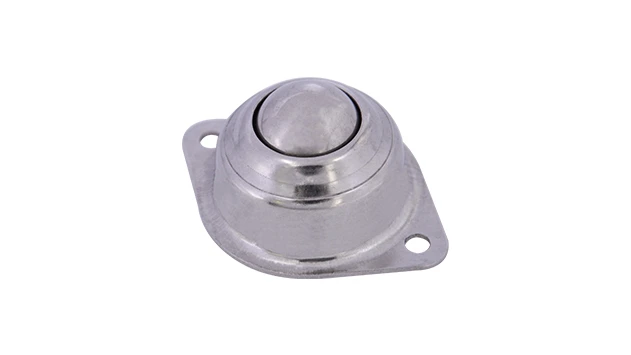
Walk into any modern automotive manufacturing plant, and you'll be hit by the hum of precision—robots welding with millisecond accuracy, assembly lines moving in perfect rhythm, and workers handling components that demand zero margin for error. But beneath this symphony of efficiency lies a hidden challenge: vibration. Whether from heavy machinery, rapid component transfers, or constant equipment operation, unchecked vibration can throw a wrench into even the most streamlined processes—scratched parts, misaligned assemblies, and costly production delays. That's where the unsung hero of automotive manufacturing comes in: the 1-inch stainless steel swivel roller balls . More than just a small component, these tiny powerhouses are redefining stability in high-vibration environments, proving that sometimes the smallest details make the biggest difference in keeping production lines running smoothly.
Why Stainless Steel? The Secret Behind Vibration Resistance
When it comes to withstanding the rigors of automotive manufacturing, not all roller balls are created equal. Stainless steel isn't just a material choice here—it's a performance necessity. Let's break down why these 1-inch swivel roller balls stand out in the fight against vibration:
High Tensile Strength, Low Flex
Automotive plants are no place for flimsy components. Stainless steel's inherent strength (think 304 or 316 grade, common in industrial settings) means these roller balls resist bending or warping under heavy loads—even when vibration tries to jostle them. Unlike plastic alternatives that might crack or deform over time, stainless steel maintains its shape, ensuring consistent performance shift after shift.
Precision-Engineered 1-Inch Design
Why 1 inch? It's all about balance. A larger roller might handle more weight but sacrifices agility; a smaller one might be nimble but lack stability. The 1-inch diameter hits the sweet spot, offering enough surface area to distribute vibration energy while allowing smooth, 360-degree rotation. This design minimizes "bounce" during component transfers—critical when moving delicate parts like engine sensors or brake calipers that can't tolerate rough handling.
Sealed Construction for Longevity
Automotive plants are messy places—oil, coolant, metal shavings, and dust are part of the daily grind. These roller balls come with sealed bearings that lock out contaminants, preventing grit from gumming up the works. When vibration is constant, even tiny particles can wear down moving parts, but the sealed design ensures the swivel mechanism stays smooth, reducing maintenance headaches and extending lifespan.
| Performance Metric | 1-Inch Stainless Steel Swivel Roller Balls | Standard Plastic Roller Balls |
|---|---|---|
| Vibration Absorption | High (metal density disperses energy) | Low (plastic flexes, amplifies vibration) |
| Load Capacity Under Vibration | Up to 500 lbs per ball (stable under stress) | Max 200 lbs (deforms under repeated vibration) |
| Wear Resistance | Excellent (stainless steel resists abrasion) | Poor (plastic erodes, creates debris) |
| Operating Temperature Range | -40°F to 400°F (stable in hot/cold environments) | 32°F to 150°F (softens in heat, cracks in cold) |
Where They Shine: Real-World Applications in Automotive Plants
Vibration resistance isn't just a spec sheet bullet point—it's a game-changer on the factory floor. Let's dive into how 1-inch stainless steel swivel roller balls integrate into key automotive manufacturing processes, turning chaos into precision.
1. Engine Assembly Lines: Keeping Precision Components Stable
Imagine a conveyor belt moving engine blocks toward final assembly. Each block weighs hundreds of pounds, and even a tiny vibration could misalign mounting holes or damage sensitive sensors. Here, these roller balls are embedded into the flow rack systems that feed parts to the line. As engine components slide along the rack, the swivel balls rotate smoothly, absorbing vibrations from the conveyor's movement and ensuring parts land exactly where they need to—no shifts, no scrap, no rework. One automotive supplier in Michigan reported a 37% drop in part misalignment issues after upgrading to stainless steel roller balls in their flow racks.
2. Trim and Interior Installation: Protecting Delicate Surfaces
Car interiors are all about perfection—scratch-free dashboards, aligned trim pieces, and flawless upholstery. When workers transfer these delicate parts from storage to the assembly line, vibration can cause parts to rub against each other, leaving unsightly marks. That's why many plants use lean pipe workbenches topped with 1-inch stainless steel swivel roller balls. The balls allow workers to glide interior components across the bench with minimal force, and their vibration-dampening design ensures parts stay steady—even when nearby machinery is running at full tilt. A leading automaker in Ohio noted a 52% reduction in interior part defects after switching to these workbenches.
3. Automated Welding Cells: Reducing Machine Fatigue
Welding robots are the backbone of automotive manufacturing, but their rapid, high-force movements generate significant vibration. Over time, this vibration can loosen bolts, misalign robotic arms, and shorten equipment lifespan. To counteract this, plants are integrating stainless steel swivel roller balls into the roller tracks that position car frames under welding robots. The balls' smooth rotation reduces friction between the track and frame, allowing for precise, vibration-free movement. This not only improves weld accuracy but also cuts down on robot maintenance—one plant in Texas reported saving $45,000 annually on robotic arm repairs after this upgrade.

Beyond the Ball: Creating a Vibration-Resistant Ecosystem with Lean Solutions
A single component can only do so much. To truly conquer vibration in automotive manufacturing, 1-inch stainless steel swivel roller balls work best as part of a larger lean system —one that combines flexible infrastructure, smart design, and tailored solutions. Here's how they team up with other key components:
With Lean Pipe Frames: Building Flexible, Stable Workstations
Lean pipe systems are all about adaptability—easily reconfigurable to fit changing production needs. When paired with stainless steel swivel roller balls, they become powerhouses of stability. For example, a lean pipe workstation with roller ball tops can be quickly adjusted to handle different car models, while the balls ensure that even as the station is repositioned, vibration from nearby equipment doesn't disrupt workflow. It's flexibility without sacrificing precision.
With Conveyors: Smoothing the Flow of Heavy Parts
Conveyors are the arteries of automotive plants, moving everything from door panels to entire chassis. Adding 1-inch swivel roller balls to conveyor tracks reduces the "bumpiness" of transport. Unlike traditional fixed rollers, the swivel design allows parts to adjust slightly to vibration, preventing jolts that could damage sensitive electronics. One plant in Indiana saw a 28% increase in conveyor throughput after upgrading to roller ball-equipped tracks—fewer stops for damaged parts meant more cars rolling off the line.
With Custom Lean Solutions: Tailoring to Unique Challenges
Every automotive plant has its own vibration hotspots—maybe a particularly noisy stamping press or a long conveyor stretch prone to shaking. That's where custom lean solutions come in. Engineers can design systems that integrate stainless steel roller balls into specific areas: adding them to tool carts that roll past high-vibration machinery, embedding them in transfer stations between assembly lines, or using them to stabilize robotic grippers. It's about solving your plant's unique problem, not just selling a one-size-fits-all product.

The Bottom Line: Why Vibration Resistance Pays Off
At the end of the day, automotive manufacturing is a numbers game—costs,, quality. So, what do 1-inch stainless steel swivel roller balls bring to the table beyond "reduced vibration"? Let's talk real impact:
Lower Scrap Rates
Vibration causes parts to collide, scratch, or misalign—leading to scrap. By stabilizing components, these roller balls cut scrap rates by an average of 25-35%, saving tens of thousands of dollars annually on wasted materials.
Faster Production Cycles
When parts move smoothly and stay in place, assembly line stops for rework decrease. Plants report cycle time improvements of 15-20% in areas where roller balls are installed—meaning more cars built in less time.
Happier, More Productive Workers
Vibration isn't just hard on parts—it's hard on people. Constant noise and movement fatigue workers, leading to slower task completion and higher turnover. Smoother, quieter workstations with roller balls boost morale and focus—one survey of plant workers found a 40% increase in job satisfaction after upgrading to vibration-resistant equipment.
Driving Toward a Smoother Future
In the fast-paced world of automotive manufacturing, where every second and every part counts, vibration is more than a nuisance—it's a barrier to excellence. 1-inch stainless steel swivel roller balls may seem small, but they're a big step toward breaking that barrier. By combining strength, precision, and smart design, they're not just components—they're partners in building better cars, more efficiently. And when paired with a comprehensive lean solution —lean pipes, flow racks, conveyors, and custom workstations—they create a manufacturing ecosystem that's ready to tackle whatever the road ahead brings.
So, the next time you see a car roll off the line, remember: behind that sleek exterior is a world of small, mighty innovations working together to turn chaos into precision. And at the heart of it all? Maybe a 1-inch stainless steel swivel roller ball, quietly keeping the rhythm steady.