- Company Articles
- Products and Technology
- Product knowledge
- Stainless Steel Swivel Roller Balls 1 Inch vs. Plastic: Performance Comparison

Stainless Steel Swivel Roller Balls 1 Inch vs. Plastic: Performance Comparison
Related Product
Stainless Steel Swivel Roller Balls 1 Inch
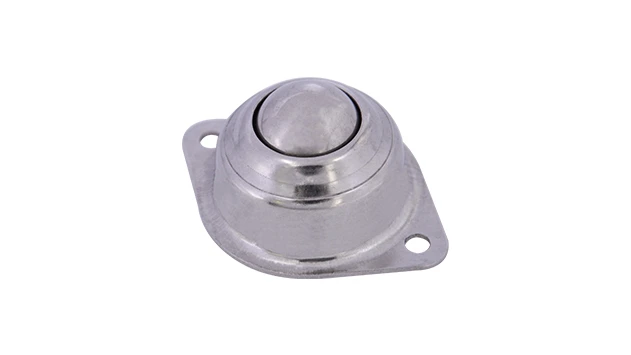
Swivel roller ball casters are convenient and flexible to roll,high-speed and stable operation, used for rotating and changing the direction of the conveyor.Ball transfer unit is made of high quality carbon steel, anti-corrosion and wear resistance.
In the intricate web of manufacturing and logistics, even the smallest components play a pivotal role in keeping operations running smoothly. Swivel roller balls—those unassuming yet essential parts—are the unsung heroes of material handling, quietly facilitating the movement of goods on roller tracks, flow racks, and workbenches. When it comes to choosing between 1-inch stainless steel and plastic swivel roller balls, the decision goes beyond mere material preference; it's about aligning with your operation's unique rhythm, challenges, and long-term goals. Let's dive into a detailed comparison that cuts through technical jargon to uncover which option truly fits your workflow.
The Backbone of Material Flow: Why Roller Balls Matter
Before we compare materials, let's take a moment to appreciate what swivel roller balls do. Imagine a busy production line where components glide from one workstation to the next, or a warehouse where boxes slide effortlessly onto a flow rack—chances are, swivel roller balls are making that seamless movement possible. These small but mighty parts reduce friction, allowing for smooth, multi-directional movement of items, which is critical in lean system setups focused on minimizing waste and maximizing efficiency. Whether integrated into conveyor systems, assembly workbenches, or turnover trolleys, their performance directly impacts throughput, labor fatigue, and even product quality. So, choosing between stainless steel and plastic isn't just about cost—it's about investing in reliability where it counts most.
Material Showdown: What Makes Them Tick?
At the core of their performance lies the material itself. Stainless steel swivel roller balls are typically crafted from alloys like 304 or 316, blending iron with chromium, nickel, and sometimes molybdenum. This composition gives them inherent strength and resistance to rust, making them a staple in environments where durability is non-negotiable. On the other hand, plastic roller balls are usually made from high-density polyethylene (HDPE), polypropylene (PP), or nylon. These polymers are lightweight, moldable, and often reinforced with additives to enhance specific properties like impact resistance or chemical tolerance. While both serve the same basic function, their material DNA dictates how they perform under pressure—literally and figuratively.

Durability: Which Stands the Test of Time?
In manufacturing, "durable" isn't just a buzzword—it's a promise that your equipment won't let you down during peak production hours or after years of use. Stainless steel roller balls excel here. Their metallic structure resists dents, scratches, and deformation even when subjected to constant impact or heavy loads. Think about a automotive parts assembly line where metal components weighing 20kg or more slide across a roller track daily—stainless steel balls maintain their shape and functionality, ensuring consistent performance year after year. Plastic balls, while surprisingly tough in their own right, have a lower threshold for prolonged stress. Over time, especially under heavy or repeated loads, plastic can develop micro-cracks or "creep" (slow deformation), leading to uneven movement or even failure. A plastic ball might start to show wear after 6–12 months in high-traffic areas, whereas stainless steel can last 5 years or more with proper care.

Load Capacity: How Much Can They Handle?
Let's talk numbers—because in production, knowing exactly how much weight a component can bear is critical to avoiding bottlenecks or accidents. Stainless steel 1-inch swivel roller balls typically handle loads between 50–80kg per ball, depending on design. This makes them ideal for heavy-duty applications, such as moving engine parts on a conveyor or stacking pallets on a flow rack. Plastic balls, by contrast, generally top out at 20–40kg per ball. While this is sufficient for lighter items like electronics components or small packages, pushing beyond their limits risks cracking or jamming. For example, a 3C assembly plant handling lightweight circuit boards might find plastic balls more than adequate, but an automotive facility would quickly see the value in stainless steel's higher load capacity.
Environmental Adaptability: Thriving Where Others Struggle
Manufacturing environments are rarely "one-size-fits-all"—some are humid, others dusty; some use harsh cleaning agents, others operate in extreme temperatures. Here's how the two materials stack up:
- Moisture and Corrosion: Stainless steel's chromium content forms a protective oxide layer, making it nearly impervious to rust. This is a game-changer in food processing plants, pharmaceutical facilities, or coastal warehouses where humidity is high. Plastic balls, while water-resistant, can absorb moisture over time, leading to swelling or mold growth in poorly ventilated areas.
- Temperature Extremes: Stainless steel remains stable in temperatures ranging from -20°C to 200°C, making it suitable for environments like foundries or cold storage. Plastic, however, can become brittle in the cold (below 0°C) or soft in heat (above 60°C for HDPE), compromising its structural integrity.
- Chemicals and Contaminants: Stainless steel resists most acids, alkalis, and solvents, making it safe for use with cleaning agents or industrial fluids. Plastic balls, depending on the type, may degrade when exposed to strong chemicals—nylon, for instance, can be damaged by oils and fuels.
Cost vs. Long-Term Value: The Hidden Trade-offs
At first glance, plastic roller balls seem like the budget-friendly choice, with upfront costs often half those of stainless steel. But "cheap now" doesn't always mean "cost-effective later." Let's break it down: A plastic ball might cost $2 versus $5 for stainless steel, but if it needs replacement every 6 months instead of every 5 years, the long-term cost tilts toward stainless steel. For high-volume operations, the downtime from frequent replacements alone can erase initial savings. On the flip side, if your operation has low throughput or short product lifecycles—like a seasonal packaging line—plastic's lower upfront cost could make sense. It's about balancing immediate expenses with the total cost of ownership over time.
Maintenance: Time and Effort on Your Side
In a busy facility, every minute spent on maintenance is a minute taken away from production. Stainless steel roller balls are low-maintenance champions—occasional cleaning with a damp cloth or mild detergent is usually enough to keep them rolling smoothly. Their resistance to debris buildup also means fewer jams. Plastic balls, while initially easy to clean, can trap dust and grime in crevices, requiring more frequent wiping. They're also more prone to static electricity, which attracts dust in dry environments, adding to maintenance chores. For lean system setups where "sustainable improvement" is key, minimizing maintenance time is just as important as minimizing material waste—and stainless steel delivers here.
Performance at a Glance: The Comparison Table
| Performance Metric | 1 Inch Stainless Steel Swivel Roller Balls | 1 Inch Plastic Swivel Roller Balls |
|---|---|---|
| Typical Load Capacity (per ball) | 50–80 kg | 20–40 kg |
| Expected Lifespan | 5+ years | 6–18 months (high use) |
| Operating Temperature Range | -20°C to 200°C | -5°C to 60°C (varies by plastic type) |
| Resistance to Corrosion | Excellent (rust-proof) | Good (water-resistant, not rust-proof) |
| Upfront Cost | Higher ($4–$6 per unit) | Lower ($1–$3 per unit) |
| Maintenance Frequency | Low (quarterly cleaning) | Moderate (monthly cleaning, occasional replacement) |
| Best For | Heavy loads, harsh environments, long-term use | Light loads, dry/clean environments, short-term or low-budget setups |
Finding Your Perfect Match: Real-World Applications
The "better" material depends entirely on your unique needs. Here are a few scenarios to illustrate:
- Automotive Manufacturing: With heavy parts and frequent exposure to oils, stainless steel roller balls ensure conveyor systems run reliably without corrosion or deformation.
- 3C Assembly: Lightweight circuit boards and dry environments make plastic balls a cost-effective choice for workbenches and small conveyors.
- Medical Device Production: Strict hygiene standards and frequent cleaning demand stainless steel's resistance to chemicals and moisture.
- Warehouse Order Fulfillment: For lightweight packages on flow racks, plastic balls offer sufficient performance at a lower cost, ideal for high-turnover, low-weight items.
Conclusion: Aligning with Your Lean Journey
At the end of the day, both stainless steel and plastic 1-inch swivel roller balls have their place in modern manufacturing. Stainless steel shines in durability, load capacity, and harsh environments—making it a cornerstone for operations prioritizing long-term reliability and heavy-duty performance. Plastic, with its lower cost and lighter weight, is perfect for lighter loads and budget-conscious setups where frequent replacement is manageable. The key is to look beyond the price tag and consider how each material aligns with your lean system goals: reducing downtime, improving efficiency, and creating a workspace that adapts and grows with your needs. Whether you're outfitting a new flow rack, upgrading a conveyor, or building a custom workbench, choosing the right roller ball material is a small decision that delivers big results in the rhythm of your production line.