- Company Articles
- Products and Technology
- Product knowledge
- Stainless Steel vs. Aluminum Adjustable Leveling Feet – Best for Food-Grade Medical Equipment?

Stainless Steel vs. Aluminum Adjustable Leveling Feet – Best for Food-Grade Medical Equipment?
Related Product
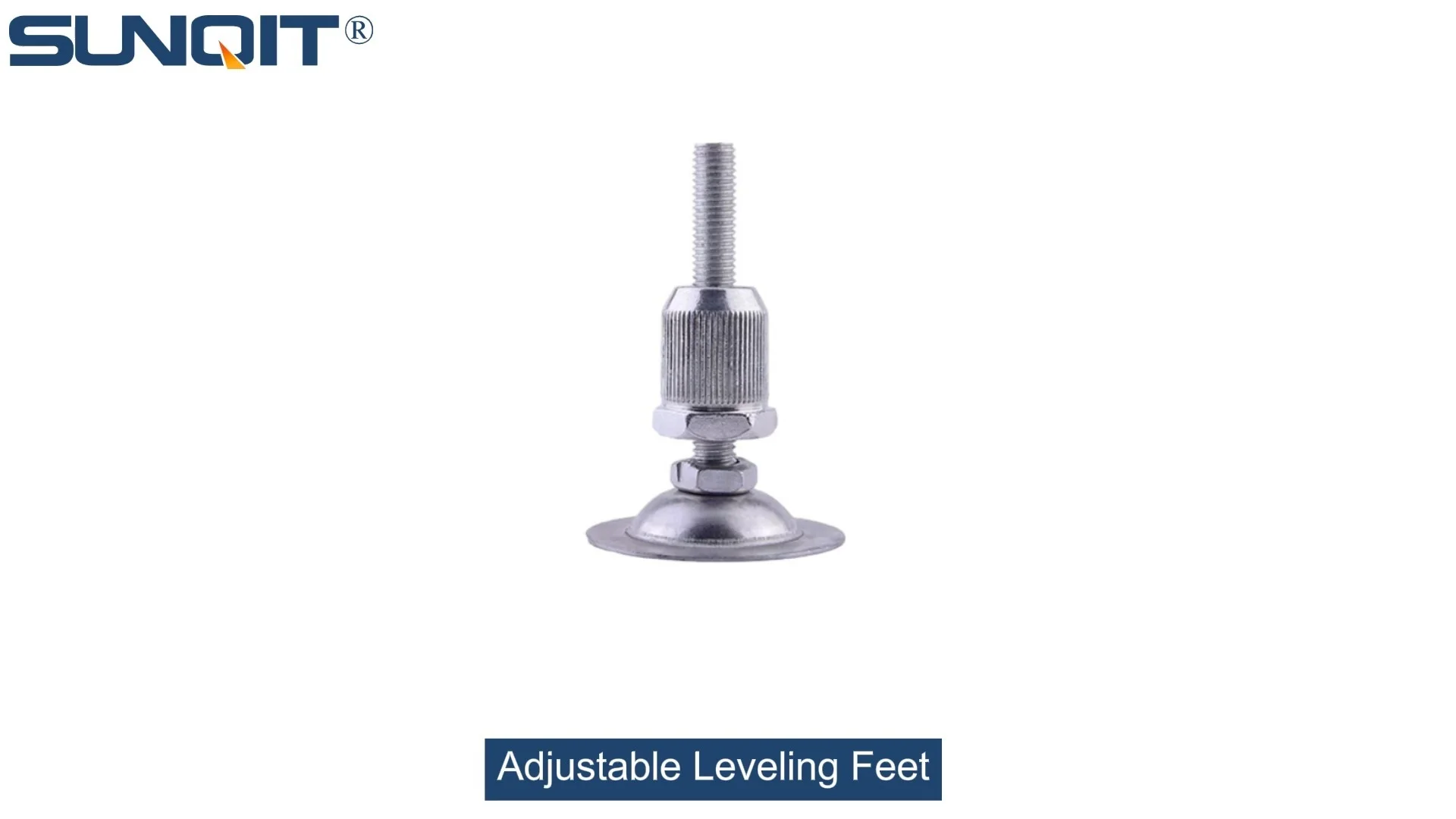
Adjustable Leveling Feet
Adjustable leveling feet are designed to keep machines level when placed on uneven or sloped ground. Otherwise known as adjustable equipment feet, they are available to order in a wide variety of size and load capacity combinations.
Walk into any food processing plant, pharmaceutical lab, or medical device manufacturing facility, and you'll notice something but critical: the little components holding equipment steady. From tablet presses in a drug factory to conveyor belts in a bakery, stability isn't just about preventing wobbles—it's about safety, compliance, and efficiency. That's where adjustable leveling feet come in. These small but mighty parts keep workbenches, mixers, and testing stations balanced, even on uneven floors. But when it comes to choosing between stainless steel and aluminum adjustable leveling feet for food-grade or medical settings, the decision isn't as simple as picking a color. It's about understanding how each material holds up to corrosive cleaners, heavy loads, and the strict hygiene standards these industries demand. Let's dive in.
What Are Adjustable Leveling Feet, Anyway?
Before we compare materials, let's make sure we're on the same page. Adjustable leveling feet are threaded components attached to the bottom of equipment, workbenches, or machinery. They typically have a base (often rubber or plastic) and a (screw) that allows you to twist them up or down, raising or lowering that corner of the equipment. Think of them as the "feet" of your tools—they keep everything level, absorb vibrations, and prevent sliding. In food and medical environments, where even a tiny spill or uneven floor could throw off precision (or worse, create a safety hazard), these feet are non-negotiable.
But not all feet are created equal. The material they're made from determines how well they'll stand up to daily use, cleaning chemicals, and the unique demands of sensitive industries. Today, we're focusing on two heavyweights: stainless steel and aluminum. Both are popular, but their strengths and weaknesses make them better suited for different scenarios.
Stainless Steel Adjustable Leveling Feet: The Tough Contender
Stainless steel is a go-to in industries where durability and corrosion resistance are non-negotiable. It's an alloy of iron, chromium, and often nickel or molybdenum, which forms a protective oxide layer on its surface. This layer acts like a shield, preventing rust and deterioration—even when exposed to water, chemicals, or high humidity. For food-grade and medical equipment, this is a game-changer.
Key Traits of Stainless Steel Leveling Feet
Corrosion Resistance: The chromium in stainless steel reacts with oxygen to form chromium oxide, a thin, invisible layer that repairs itself if scratched. This makes stainless steel feet ideal for environments where daily cleaning with harsh disinfectants (like bleach or hydrogen peroxide) is routine. In a commercial kitchen, for example, a mixer's feet might get splashed with vinegar, citrus juices, or sanitizing sprays—stainless steel laughs this off.
Strength and Load Capacity: Stainless steel is inherently strong. Even thin stainless steel leveling feet can support heavy loads, making them perfect for large equipment like industrial ovens, centrifuges, or automated packaging machines. A typical stainless steel foot can handle anywhere from 500 to 2,000 pounds per unit, depending on its design—critical for machinery that can weigh thousands of pounds.
Hygiene: Stainless steel has a smooth, non-porous surface that leaves nowhere for bacteria, mold, or food particles to hide. Unlike materials with seams or textures, it can be easily wiped down or pressure-washed, meeting strict FDA and ISO cleanliness standards. In medical labs, where cross-contamination is a constant risk, this smooth surface is a must.
Heat Resistance: Stainless steel retains its strength even at high temperatures, which is useful in food processing (think bakery ovens or pasteurization equipment) or medical settings with autoclaves. It won't warp or degrade when exposed to steam or heat cycles.
Real-World Example: A large-scale dairy processing plant uses stainless steel adjustable leveling feet on its milk pasteurization tanks. These tanks hold thousands of gallons of milk and are cleaned daily with high-pressure hot water and caustic detergents. Over years of use, the stainless steel feet show no signs of rust or pitting, ensuring the tanks remain stable and compliant with food safety regulations.

Aluminum Adjustable Leveling Feet: The Lightweight Alternative
Aluminum is another popular choice, prized for its lightweight nature and versatility. It's a soft, silvery metal that's often alloyed with copper, magnesium, or zinc to boost strength. Unlike stainless steel, aluminum doesn't contain iron, so it's naturally resistant to rust (though it can corrode in highly acidic or alkaline environments). Its light weight makes it easy to install and ideal for equipment that needs to be moved occasionally.
Key Traits of Aluminum Leveling Feet
Lightweight: Aluminum is about one-third the weight of stainless steel. This is a big plus for smaller equipment, mobile workbenches, or tools that need to be repositioned frequently. For example, a mobile medical cart used in a hospital ward can be easily pushed around, thanks in part to lightweight aluminum feet that don't add unnecessary bulk.
Corrosion Resistance (with a Catch): Aluminum forms its own protective oxide layer, but it's less durable than stainless steel's. It holds up well in dry or moderately humid environments but can struggle with strong acids, alkalis, or saltwater. In a medical lab where cleaning is done with mild disinfectants (like isopropyl alcohol), aluminum feet might last just as long as stainless steel. But in a seafood processing plant, where saltwater spray is common, aluminum could corrode over time.
Cost-Effectiveness: Aluminum is generally cheaper than stainless steel, especially for high-volume orders. This makes it a budget-friendly option for startups or facilities with tight budgets—though it's important to weigh upfront savings against long-term replacement costs.
Design Flexibility: Aluminum is easy to machine and shape, allowing for custom designs. Manufacturers can create aluminum leveling feet with unique thread sizes, base shapes, or even integrated features like anti-slip adjustable leveling feet (rubber bases that grip floors to prevent sliding). This flexibility is handy for specialized equipment with non-standard dimensions.
Real-World Example: A small-scale pharmaceutical lab uses aluminum adjustable leveling feet on its benchtop centrifuges. The lab cleans equipment daily with a mild quaternary ammonium disinfectant, which doesn't harm the aluminum. Since the centrifuges are lightweight (around 150 pounds) and rarely moved, the aluminum feet provide enough stability. The lab also appreciates the lower cost, which freed up budget for other equipment.

The Food-Grade & Medical Litmus Test: What Matters Most?
Now, let's get specific. When choosing between stainless steel and aluminum adjustable leveling feet for food-grade or medical equipment, four factors rise to the top: hygiene, corrosion resistance, load capacity, and compliance. Let's break down how each material stacks up.
1. Hygiene: No Room for Bacteria
In food processing, even a tiny crevice in a leveling foot can trap food particles, leading to bacterial growth (think E. coli or Salmonella). In medical settings, pathogens like MRSA or C. difficile can linger on rough surfaces, posing infection risks. Both stainless steel and aluminum have smooth surfaces, but stainless steel edges out here.
Stainless steel's non-porous nature means it can be polished to a mirror-like finish, leaving zero hiding spots for microbes. Aluminum, while smooth, can develop micro-scratches over time if not cared for, which might harbor bacteria. For environments with strict sanitization protocols (like sterile medical device manufacturing), stainless steel is the safer bet.
2. Corrosion Resistance: Standing Up to Chemicals
Food and medical facilities use aggressive cleaners. A food plant might use peracetic acid to sanitize surfaces; a hospital could use chlorine-based disinfectants. Stainless steel (especially grades like 316, which includes molybdenum) resists most of these chemicals. Aluminum, however, can react with acidic or alkaline cleaners, causing pitting or discoloration over time.
For example, if a bakery uses a stainless steel mixer with stainless steel feet, daily cleaning with a vinegar-based sanitizer won't damage the feet. But if that mixer had aluminum feet, the vinegar (an acid) might etch the surface after months of use, creating rough spots that are harder to clean.
3. Load Capacity: Supporting the Weight
Heavy equipment needs strong feet. A commercial dough mixer can weigh 500+ pounds; a medical MRI machine might tip the scales at 10,000 pounds. Stainless steel leveling feet are built for this. A 1-inch diameter stainless steel foot can support 1,000+ pounds, while an aluminum foot of the same size might max out at 500 pounds.
Aluminum works for lighter gear—like a benchtop scale or a small lab centrifuge—but for heavy machinery, stainless steel is non-negotiable. Using aluminum feet on a heavy oven, for example, could lead to bending or warping, making the oven unstable and unsafe.
4. Compliance: Meeting Industry Standards
Food-grade equipment must meet FDA standards (21 CFR Part 175), while medical devices fall under ISO 13485. These standards require materials that are non-toxic, easy to clean, and resistant to corrosion. Stainless steel is universally approved for both, as it's inert and doesn't leach chemicals into food or medical products.
Aluminum is also FDA-approved in most cases, but there are caveats. If the aluminum feet are anodized (coated with a thicker oxide layer), they're more resistant to corrosion and compliant. But uncoated aluminum might not hold up in harsh environments, leading to potential compliance issues down the line.

A Closer Look: The Rubber Base Factor
We've talked about the metal part of leveling feet, but the base matters too. Most feet have a rubber or plastic base to prevent slipping and protect floors. For food and medical settings, rubber is often preferred because it's non-marking and provides better grip.
Take M10*56 rubber leveling feet , for example. The "M10*56" refers to the thread size (10mm diameter, 56mm length), and the rubber base ensures the equipment stays put, even on wet floors. Both stainless steel and aluminum feet can come with rubber bases, but the metal's durability affects how well the base stays attached over time. Stainless steel's strength means the thread (which holds the base) is less likely to strip, even with frequent adjustments. Aluminum threads, being softer, can wear down if adjusted too often, causing the base to loosen.
Stainless Steel vs. Aluminum: The Comparison Table
| Feature | Stainless Steel Adjustable Leveling Feet | Aluminum Adjustable Leveling Feet |
|---|---|---|
| Corrosion Resistance | Excellent (resists most chemicals, water, and humidity) | Good (resists mild chemicals; struggles with strong acids/alkalis) |
| Load Capacity | High (supports 500–2,000+ lbs per foot) | Moderate (supports 200–800 lbs per foot) |
| Hygiene | Superior (non-porous, easy to sanitize, no micro-scratches) | Good (smooth surface but may scratch over time) |
| Weight | Heavy (adds stability but makes equipment harder to move) | Lightweight (easier to install and move equipment) |
| Cost | Higher upfront cost | Lower upfront cost |
| Best For | Heavy equipment, harsh chemicals, wet environments (e.g., industrial ovens, MRI machines) | Light equipment, mild cleaning, dry environments (e.g., lab centrifuges, mobile carts) |
Real-World Scenarios: Which One to Choose?
Let's put this into practice with two common scenarios. Which material would you pick?
Scenario 1: A Commercial Bakery Mixer
The mixer weighs 600 pounds, is cleaned daily with a vinegar-based sanitizer, and sits on a concrete floor that's slightly uneven. It needs to stay stable during mixing to prevent spills.
Choice:
Stainless steel adjustable leveling feet. The weight requires high load capacity, and the vinegar cleaner could corrode aluminum over time. Stainless steel's strength and corrosion resistance make it the safe bet.
Scenario 2: A Mobile Medical Cart
The cart weighs 80 pounds, is used to transport medications in a hospital, and is cleaned weekly with mild soap and water. It needs to be lightweight for nurses to push around.
Choice:
Aluminum adjustable leveling feet. The cart is light, so aluminum's load capacity is sufficient. The mild cleaning agents won't harm aluminum, and the lightweight design makes the cart easy to maneuver.
The Verdict: When to Choose Which?
Stainless steel adjustable leveling feet are the gold standard for food-grade and medical equipment in harsh, heavy-duty environments. They're durable, corrosion-resistant, and compliant with the strictest standards. If your equipment is heavy, exposed to harsh chemicals, or used in wet conditions (like a commercial kitchen or a medical sterilization room), stainless steel is worth the investment.
Aluminum feet shine in lighter, less demanding settings. They're budget-friendly, lightweight, and work well for equipment that's moved often or cleaned with mild agents. For small labs, mobile carts, or startups watching costs, aluminum is a solid choice—just be mindful of its limitations with heavy loads and harsh chemicals.
At the end of the day, both materials have their place. The key is to assess your environment: How heavy is the equipment? What cleaners do you use? How often is it moved? Answering these questions will guide you to the right choice—one that keeps your equipment stable, compliant, and running smoothly for years to come.