- Company Articles
- Products and Technology
- Product knowledge
- Stainless Steel vs. Chrome One Way Rotatory Straight Lean Pipe Joints: Cost Comparison

Stainless Steel vs. Chrome One Way Rotatory Straight Lean Pipe Joints: Cost Comparison
Related Product
One Way Rotatory Straight Lean Pipe Joint
Two way lean pipe joint for 2 pcs 28MM lean pipe connection in straight angle with rotatory fucntion, which used widely in workbench, flow rack, hand trolley frame connection.
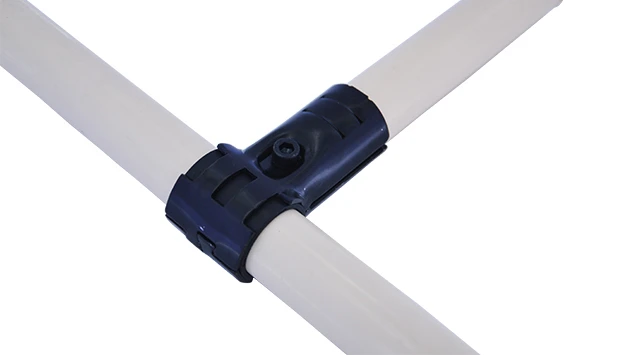
In the world of manufacturing and production, every small component plays a big role in keeping operations running smoothly. Whether you're managing a bustling assembly line or setting up a lean workspace, the tools and parts you choose can make or break efficiency, durability, and ultimately, your bottom line. One such component that often flies under the radar but is absolutely critical? The lean pipe joint. These unassuming connectors are the backbone of modular workstations, flow racks, and material handling systems—key elements of any effective lean system. Today, we're diving deep into two popular types: stainless steel and chrome one way rotatory straight lean pipe joints. If you've ever wondered which is the better investment for your production assemble needs, stick around. We'll break down their costs, benefits, and real-world impact to help you make an informed decision.
Understanding Lean Pipe Joints: More Than Just Connectors
Before we jump into the cost comparison, let's take a step back and appreciate what lean pipe joints actually do. Think of them as the "glue" that holds your lean system together. They connect pipes, tubes, and profiles to build everything from workbenches and material racks to conveyor systems and turnover trolleys. In production assemble lines, where speed and flexibility are king, these joints need to be sturdy enough to withstand daily wear and tear, yet flexible enough to adapt when workflows change.
The "one way rotatory straight" design adds another layer of utility. Unlike fixed joints, these allow for controlled rotation in one direction, making it easier to adjust angles or reposition components without disassembling the entire structure. This rotational feature is a game-changer in dynamic environments where production needs shift—say, when introducing a new product line or scaling up output. So, whether you're a small manufacturer just starting out or a large plant with complex operations, choosing the right joint material (stainless steel vs. chrome) isn't just about cost; it's about long-term reliability and adaptability.
Stainless Steel One Way Rotatory Straight Lean Pipe Joints: The Durability Contender
What Are They Made Of?
Stainless steel lean pipe joints are crafted from—you guessed it—stainless steel, a metal alloy known for its resistance to corrosion, heat, and staining. Most fall under the stainless steel pipe series, which includes grades like 304 or 316, each offering different levels of durability. 304 is the most common, ideal for general industrial use, while 316 adds molybdenum for extra corrosion resistance, making it suitable for humid or chemical-exposed environments (think food processing or pharmaceutical plants).
Pros: Why Stainless Steel Stands Out
Let's start with the obvious: durability. Stainless steel is tough. It can handle heavy loads, frequent rotation, and exposure to moisture without rusting or weakening. In production assemble lines where spills, humidity, or cleaning agents are part of the daily grind, this resistance to corrosion is a huge plus. You won't have to replace joints prematurely because of rust, which saves both time and money in the long run.
Another advantage is low maintenance. Unlike some materials that require regular polishing or coating, stainless steel joints can be wiped clean with a damp cloth and left to shine. This is a boon for busy facilities where downtime for maintenance is costly. Plus, their sleek, modern look holds up over time, so your workstations won't look worn or outdated even after years of use.
Finally, stainless steel is environmentally friendly. It's 100% recyclable, and its long lifespan means less waste overall. For companies aiming to reduce their carbon footprint, this is a significant bonus.
Cons: The Trade-Offs of Stainless Steel
No material is perfect, and stainless steel's biggest downside is upfront cost. It's generally more expensive than chrome-plated alternatives, which can be a sticker shock for budget-conscious buyers. Additionally, stainless steel is heavier than some other materials, which might add minor shipping or installation costs—though this is often negligible compared to the long-term savings.

Chrome One Way Rotatory Straight Lean Pipe Joints: The Budget-Friendly Option
What Are They Made Of?
Chrome one way rotatory straight lean pipe joints are typically made from a base material like carbon steel, which is then coated with a thin layer of chromium via electroplating. This chrome layer gives the joint a shiny, reflective finish and adds a protective barrier against corrosion—though not as robust as stainless steel. The plating process involves depositing chromium ions onto the steel surface, creating a hard, smooth outer layer that's resistant to scratches and tarnishing.
Pros: Why Chrome Is a Popular Choice
The biggest draw of chrome joints is cost. They're almost always cheaper upfront than stainless steel options, making them attractive for businesses on a tight budget or those setting up temporary workspaces. If you're just testing a new production line layout or don't anticipate heavy, long-term use, chrome can be a cost-effective starting point.
Chrome also offers a sleek, professional appearance. That mirror-like finish can make workstations look clean and well-maintained, which is nice for both employee morale and client visits. And while not as corrosion-resistant as stainless steel, chrome does hold up well in dry, indoor environments—think offices, light assembly areas, or warehouses with controlled humidity.
Cons: The Hidden Costs of Chrome
Here's where things get tricky: the chrome plating, while durable, can chip or wear off over time, especially with frequent rotation or heavy loads. Once the plating is damaged, the underlying carbon steel is exposed, leaving it vulnerable to rust and corrosion. In production assemble lines where joints are moved or adjusted regularly, this wear and tear can happen faster than you might expect. Suddenly, that "cheap" chrome joint needs to be replaced much sooner than a stainless steel one, eating into your initial savings.
Maintenance is another issue. To keep chrome joints looking good and functioning properly, you may need to polish them regularly to prevent tarnishing. In high-moisture environments, even a small scratch can lead to rust, which not only weakens the joint but also spreads if left unchecked. This means more time spent on upkeep and more frequent replacements—costs that add up over time.

Cost Comparison: Breaking Down the Numbers
Now, let's get to the heart of the matter: cost. When comparing stainless steel and chrome one way rotatory straight lean pipe joints, it's easy to fixate on the upfront price tag. But smart decision-making means looking at the bigger picture: initial cost, maintenance, lifespan, and total cost of ownership (TCO). Let's break it down.
1. Initial Purchase Cost
Let's start with the obvious: how much do they cost to buy? Prices can vary depending on the lean pipe supplier, joint size, and order quantity, but here's a rough estimate based on industry averages:
-
Chrome one way rotatory straight lean pipe joint:
$5–$10 per unit (for standard sizes, bought in bulk).
-
Stainless steel one way rotatory straight lean pipe joint:
$12–$20 per unit (for similar sizes and quantities).
At first glance, chrome seems like a no-brainer—half the cost! But remember, this is just the starting point. Let's say you need 100 joints for a new workstation. Chrome would run you $500–$1,000, while stainless steel would be $1,200–$2,000. That's a $700–$1,000 difference upfront. But what happens over 5 years?
2. Maintenance Costs
Maintenance costs include things like cleaning supplies, labor for upkeep, and minor repairs. For chrome joints, you might need polishing kits, rust removers, or touch-up paint to keep them in shape. Let's estimate:
-
Chrome:
$50–$100 per year (polishing supplies, occasional touch-ups). If you have 100 joints, and 10% need minor repairs (like re-plating a chipped area) every 2 years, that's an additional $200–$300 every 2 years, or $50–$75 per year. Total annual maintenance: ~$100–$175.
-
Stainless steel:
Virtually no maintenance. A quick wipe with a damp cloth is all it takes. Annual maintenance cost: ~$0–$20 (for cleaning supplies).
3. Lifespan and Replacement Costs
Lifespan is where stainless steel really shines. In a typical production assemble environment with moderate use:
-
Chrome joints:
Average lifespan of 2–3 years. After that, plating wear, rust, or mechanical failure will require replacement.
-
Stainless steel joints:
Average lifespan of 7–10 years. They can last even longer in low-wear environments.
Let's model this over 10 years (a common timeframe for evaluating equipment investments). For 100 joints:
-
Chrome:
Needs replacement every 2.5 years (on average). Over 10 years, that's 4 replacements. Total replacement cost: 4 x $500 (bulk cost) = $2,000.
-
Stainless steel:
Needs replacement once every 10 years. Total replacement cost: 1 x $1,200 = $1,200.
4. Total Cost of Ownership (TCO) Over 10 Years
Now, let's add it all up: initial cost + maintenance + replacements. For 100 joints:
| Cost Component | Chrome Joints | Stainless Steel Joints |
|---|---|---|
| Initial Purchase | $500–$1,000 | $1,200–$2,000 |
| Maintenance (10 years) | $1,000–$1,750 | $0–$200 |
| Replacements (10 years) | $2,000–$4,000 | $1,200–$2,000 |
| Total TCO | $3,500–$6,750 | $2,400–$4,200 |
Surprised? Over 10 years, stainless steel joints actually end up costing less than chrome ones, even with the higher upfront price. The lower maintenance and longer lifespan more than make up for the initial investment. For example, if we take the mid-range estimates: chrome TCO is $5,125, while stainless steel is $3,300—a difference of $1,825 in favor of stainless steel. That's a significant savings, especially for larger operations with hundreds or thousands of joints.
Factors That Influence Your Decision
Of course, TCO isn't the only factor to consider. Your specific environment and needs will play a big role in which joint is right for you. Let's explore some scenarios where chrome might still make sense, or where stainless steel is non-negotiable.
Environment Matters
-
Dry, low-wear environments:
If your lean system is in a climate-controlled warehouse with minimal moisture and light use (e.g., storing lightweight parts), chrome could last longer than the 2–3 year average. In this case, the upfront savings might be worth it.
-
High-moisture or corrosive environments:
Food processing, chemical plants, or outdoor facilities? Stainless steel is a must. Chrome will rust quickly here, leading to frequent replacements and safety risks (a rusted joint could fail, causing equipment to collapse).
Usage Intensity
-
Light use:
If you're building a temporary workstation for a short-term project (6 months to a year), chrome is fine. You won't need it to last a decade, so the upfront savings are better.
-
Heavy, daily use:
Production assemble lines where joints are rotated, adjusted, or loaded with heavy materials multiple times a day? Stainless steel's durability will pay off. You'll avoid downtime from broken joints and the hassle of frequent replacements.
Budget and Cash Flow
Let's be real: not every business has the cash to invest in stainless steel upfront. If you're a startup or a small manufacturer with limited capital, chrome might be the only feasible option initially. In that case, plan for future upgrades. As your business grows and cash flow improves, you can replace chrome joints with stainless steel ones to reduce long-term costs. Many lean pipe suppliers offer flexible payment plans or bulk discounts, so don't hesitate to ask about financing options.
Choosing the Right Lean Pipe Supplier: A Key Piece of the Puzzle
No matter which joint material you choose, the lean pipe supplier you work with can make a huge difference in cost, quality, and service. A reputable supplier will offer:
-
Quality assurance:
Not all stainless steel or chrome joints are created equal. A good supplier will provide material certifications (e.g., 304 stainless steel) and test reports to ensure their products meet industry standards.
-
Bulk discounts:
Ordering more joints at once can lower the per-unit cost, whether you're buying chrome or stainless steel.
-
Technical support:
Need help designing your lean system or choosing the right joint for your needs? A knowledgeable supplier will offer guidance, not just sales pitches.
-
Reliable delivery:
Delays in receiving joints can hold up production assemble lines, costing you time and money. Look for suppliers with a track record of on-time deliveries.
When comparing suppliers, don't just focus on price. Ask about their warranty policies—do they stand behind their products if a joint fails prematurely? What's their return process? A supplier that offers a 5-year warranty on stainless steel joints is more likely to provide a quality product than one with no warranty at all.
Real-World Scenario: A Small Manufacturer's Experience
To put this all in perspective, let's look at a real example. Meet Sarah, the operations manager at a small electronics assembly plant. Two years ago, Sarah needed to set up 5 new workstations for a new product line. Her budget was tight, so she opted for chrome one way rotatory straight lean pipe joints, buying 200 joints at $7 each (total: $1,400).
Fast forward to today: within the first year, Sarah noticed rust on several joints in the plant's humid back corner. By year two, 30% of the chrome joints had chipped plating or rust, and 10 had failed completely, causing a workstation to collapse (thankfully, no one was hurt). She had to replace those 10 joints immediately ($70) and is now looking at replacing the remaining 50 rusted ones ($350). Plus, her team spends 2 hours a month polishing and maintaining the chrome joints—time that could be spent on production.
"If I'd known then what I know now, I would have saved up for stainless steel," Sarah says. "The initial $1,400 felt like a steal, but between replacements, maintenance, and downtime, I've probably spent $2,000 already—and I'll need to replace all 200 joints in the next year. Stainless steel would have cost $2,400 upfront, but I wouldn't be dealing with this hassle. Lesson learned: sometimes, paying more now saves you a lot later."
Conclusion: Investing in Long-Term Value
At the end of the day, choosing between stainless steel and chrome one way rotatory straight lean pipe joints comes down to balancing upfront cost with long-term value. Chrome is cheaper to buy initially, but its shorter lifespan, higher maintenance needs, and frequent replacements make it costlier over time—especially in high-use or harsh environments. Stainless steel, while pricier upfront, offers durability, low maintenance, and a longer lifespan that translates to lower total cost of ownership.
For most production assemble lines and lean systems, stainless steel is the smarter investment. It's a workhorse that keeps your operations running smoothly, reduces downtime, and saves you money in the long run. And remember, partnering with a trusted lean pipe supplier can help you get the best price on quality stainless steel joints, making that upfront investment more manageable.
So, the next time you're shopping for lean pipe joints, don't just look at the price tag. Think about how hard those joints will work for you, day in and day out. Your future self—and your bottom line—will thank you.